EN
EN

Αιολική Τουρμπίνα Tulip: Κύρια Πλεονεκτήματα του Κατακόρυφου Άξονα
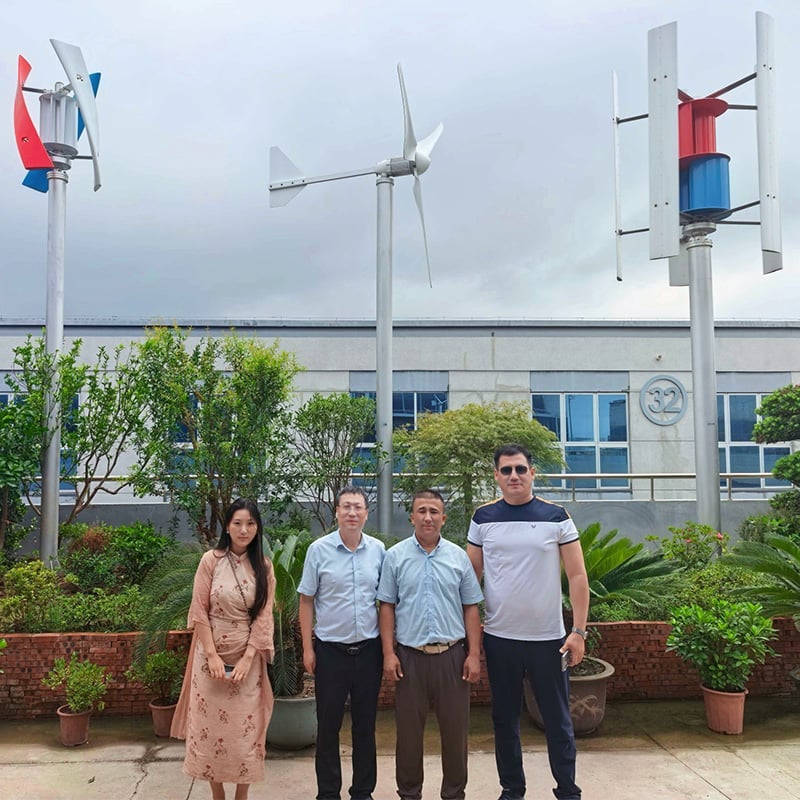
Μερικές φορές, οι πελάτες επιλέγουν προϊόντα όχι μόνο λόγω των υψηλότερων παραμέτρων τους. Ένας μαλαισιανός πελάτης με τον οποίο επικοινώνησα πρόσφατα αποτελεί καλό παράδειγμα. Δαπάνησε πολύ χρόνο συγκρίνοντας πολλές μικρές ανεμογεννήτριες, μελέτησε προσεκτικά την ισχύ, το μέγεθος, την τιμή και τον τρόπο εγκατάστασης, διάβασε προσεκτικά τον πίνακα τεχνικών παραμέτρων και έθεσε πολλές επαγγελματικές ερωτήσεις. Προφανώς, είχε καλή κατανόηση των δεδομένων. Τελικά, επέλεξε την ανεμογεννήτρια Τουλίπα. Αν λάβουμε υπόψη μόνο τον λόγο ισχύος, η ανεμογεννήτρια Τουλίπα ίσως να μην είναι η ισχυρότερη επιλογή, και αυτό το γνωρίζει και ο ίδιος. Το κλειδί είναι η θέση εγκατάστασης — θέλει να εγκαταστήσει την ανεμογεννήτρια στην οροφή του και δεν επιθυμεί μεγάλο εξοπλισμό που θα καταστρέψει την εμφάνιση του κτιρίου.
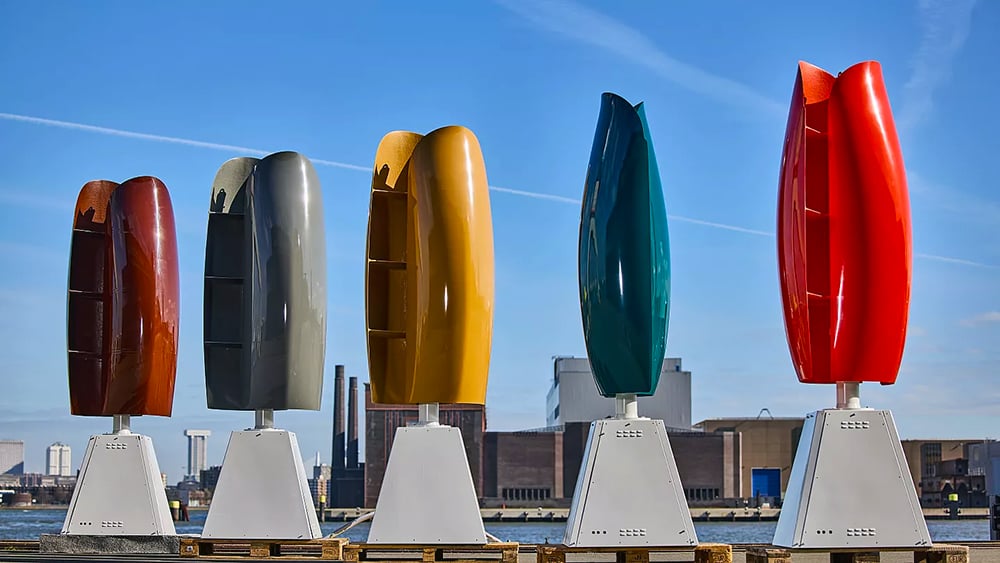
Αυτό είναι ένα από τα κύρια πλεονεκτήματα της ανεμογεννήτριας Τουλίπα σχεδιασμός. Η συνολική δομή είναι συμπαγής. Σε σύγκριση με τις παραδοσιακές οριζόντιες ανεμογεννήτριες, δεν υπάρχουν μακριά πτερύγια που εκτείνονται προς τα έξω από τον κεντρικό άξονα. Για κατοικίες, βίλες, κήπους και μικρά κτίρια, τέτοιες εγκαταστάσεις φαίνονται λιγότερο βιομηχανικές. Η εμφάνιση των συσκευών που εγκαθίστανται στη στέγη σας είναι πραγματικά σημαντική — τις βλέπετε καθημερινά, όπως και οι γείτονές σας. Σε ορισμένες κατοικημένες περιοχές, υπάρχουν επίσης κανονισμοί και απαιτήσεις όσον αφορά την εμφάνιση των εξοπλισμών που εγκαθίστανται στη στέγη. Ο συμπαγής και οπτικά απλός εξοπλισμός είναι ευκολότερο να εγκριθεί και προσφέρει μεγαλύτερη άνεση για μακροχρόνια διαβίωση.
Η αιολική τουρμπίνα με σχήμα τουλίπας ανήκει στις τουρμπίνες κατακόρυφου άξονα. Ένα από τα πρακτικά πλεονεκτήματα του σχεδιασμού κατακόρυφου άξονα είναι ότι μπορεί να λειτουργεί χωρίς να πρέπει να προσανατολίζεται προς την κατεύθυνση του ανέμου. Οι οριζόντιες αιολικές τουρμπίνες χρειάζονται ουρά ή ενεργό σύστημα yaw για να κατευθύνουν τον δρομέα προς την ανεμοφόρα κατεύθυνση, ενώ οι τουρμπίνες κατακόρυφου άξονα μπορούν να δέχονται τον άνεμο από οποιαδήποτε κατεύθυνση, γεγονός που τις καθιστά ιδανικές για περιοχές όπου η κατεύθυνση του ανέμου μεταβάλλεται συχνά ή όπου προκαλείται τυρβώδης ροή λόγω γειτονικών κτιρίων. Η κατεύθυνση του ανέμου στις στέγες κατοικιών είναι σπάνια σταθερή, γι’ αυτό το χαρακτηριστικό αξίζει ιδιαίτερη προσοχή.
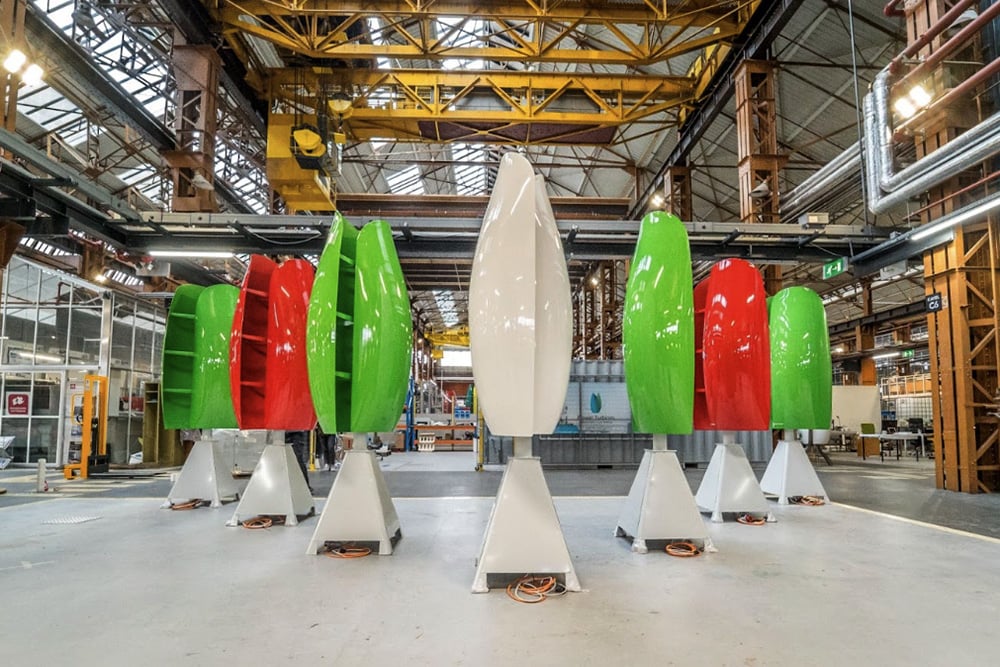
Φυσικά, η αιολική τουρμπίνα τουλίπας έχει επίσης τα μειονεκτήματά της. Δεν πρέπει να αναμένεται ότι μια μικρή αιολική τουρμπίνα τουλίπας θα παράγει την ίδια ισχύ με ένα μεγάλο υψηλής ισχύος ανεμιστήρα. Στην ίδια ταχύτητα ανέμου, η απόδοση μετατροπής ενέργειας του κατακόρυφου άξονα είναι συνήθως χαμηλότερη από αυτήν της οριζόντιας αιολικής τουρμπίνας. Αυτό δεν σημαίνει ότι η αιολική τουρμπίνα τουλίπας είναι κακή επιλογή, αλλά σημαίνει ότι είναι πιο κατάλληλη για μικρότερες ανάγκες ηλεκτρικής ενέργειας ή ως μέρος ενός υβριδικού συστήματος με φωτοβολταϊκά πάνελ, παρά για να αναλάβει αυτόνομα την παροχή ηλεκτρικής ενέργειας σε ολόκληρη οικογένεια.
Η τοποθεσία εγκατάστασης είναι εξίσου σημαντική, διότι το κτίριο θα αλλάξει τη ροή του αέρα γύρω από τη στέγη. Ο αέρας που ρέει ομαλά στο ανοιχτό έδαφος μπορεί να γίνει τυρβώδης μετά τη σύγκρουσή του με τον τοίχο ή τον παραπετάσματο τοίχο. Εάν η ανεμογεννήτρια τοποθετηθεί κοντά σε εμπόδια, η πραγματική δύναμη του ανέμου που θα ληφθεί μπορεί να είναι πολύ χαμηλότερη από την αναμενόμενη, ενώ η τυρβώδης ροή θα προκαλέσει επιπλέον μηχανική κόπωση στις πτερύγες και θα επηρεάσει τη διάρκεια ζωής τους. Ιδανικά, η ανεμογεννήτρια θα πρέπει να τοποθετηθεί σε μία θέση όπου η ροή του αέρα είναι όσο το δυνατόν πιο σταθερή και συνεκτική, ακόμα και αν απαιτείται να ανυψωθεί πάνω από τη γραμμή της στέγης μέσω ενός σύντομου πυλώνα, αντί να τοποθετηθεί απευθείας επάνω στη στέγη.
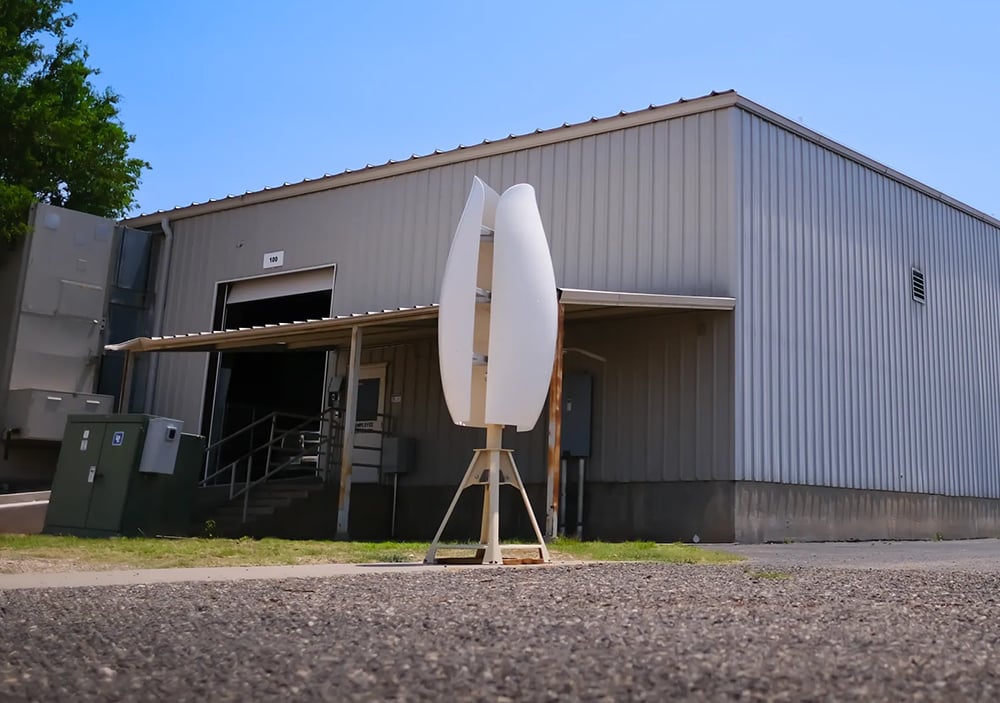
Όσον αφορά τη συντήρηση, η αιολική τουρμπίνα μορφής τουλίπας προσφέρει επίσης πρακτικά πλεονεκτήματα. Εφόσον ο γεννήτριας βρίσκεται συνήθως στη βάση της τουρμπίνας και όχι στην κορυφή, δεν απαιτείται εργασία σε υψηλό υψόμετρο κατά την επιθεώρηση και τη συντήρηση, γεγονός που καθιστά τη λειτουργία πιο βολική. Οι πτερύγες είναι τοποθετημένες κατακόρυφα, επομένως είναι επίσης ευκολότερη η οπτική επιθεώρηση από το έδαφος.
Όσον αφορά τον θόρυβο, στο ίδιο μέγεθος, η κατακόρυφης αξονικής αιολική τουρμπίνα είναι συνήθως ησυχότερη από την οριζόντιας αξονικής, επειδή η ταχύτητα των άκρων των πτερύγων είναι μικρότερη και ο αεροδυναμικός θόρυβος μειώνεται αντίστοιχα. Για εγκαταστάσεις σε κατοικημένες περιοχές κοντά σε γείτονες, αυτό αποτελεί σημαντικό παράγοντα λήψης αποφάσεων — μια τουρμπίνα που προκαλεί παράπονα για θόρυβο, ανεξάρτητα από την ποσότητα ηλεκτρικής ενέργειας που παράγει, δεν αποτελεί βιώσιμη μακροπρόθεσμη λύση.
Η επιλογή ανεμογεννήτριας σχήματος τουλίπας είναι, ουσιαστικά, η αναζήτηση μιας ισορροπίας μεταξύ ισχύος, μεγέθους, εμφάνισης, συνθηκών εγκατάστασης και πραγματικών αναγκών. Εάν ο κύριος στόχος είναι η μεγιστοποίηση της παραγωγής ενέργειας, πρέπει να δοθεί προτεραιότητα στην καμπύλη ισχύος και στις τοπικές συνθήκες ανέμου· εάν όμως επιθυμείτε μια συμπαγή, μη ακατάλληλη εμφάνιση, κατάλληλη για εγκατάσταση σε κτίρια και ικανή να αξιοποιεί την ενέργεια του ανέμου, η ανεμογεννήτρια σχήματος τουλίπας είναι πολύ κατάλληλη. Αυτή είναι η λογική επιλογής του μαλαισιανού πελάτη — δεν είναι ότι δεν κατανοεί τη διαφορά στην ισχύ, αλλά γνωρίζει σαφώς τι είναι πιο σημαντικό για τις συγκεκριμένες ανάγκες εγκατάστασής του.