EN
EN

อินเวอร์เตอร์: องค์ประกอบหลักของระบบผลิตพลังงาน
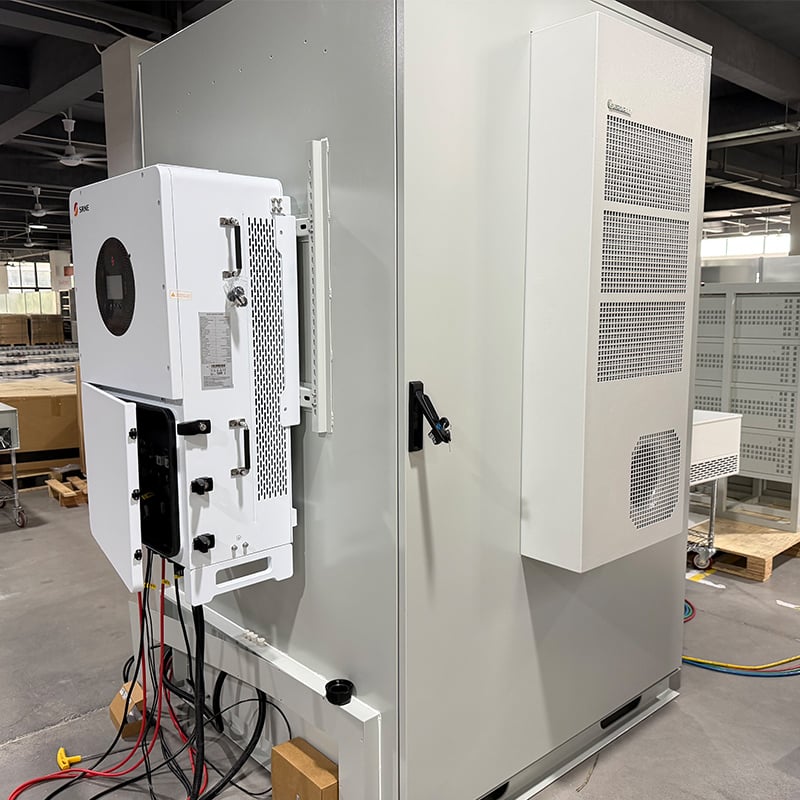
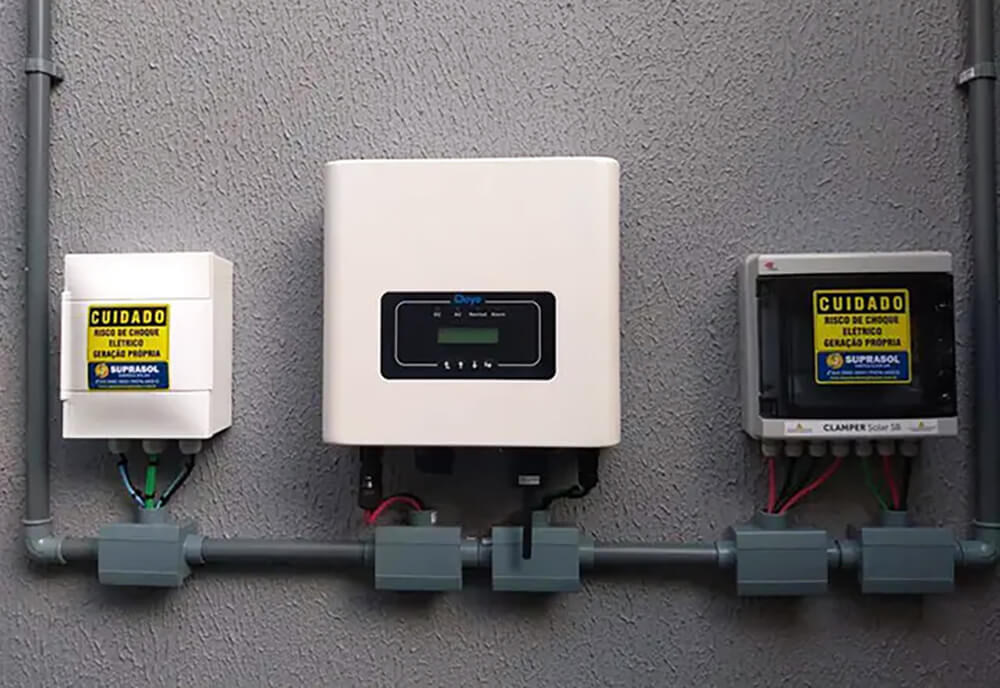
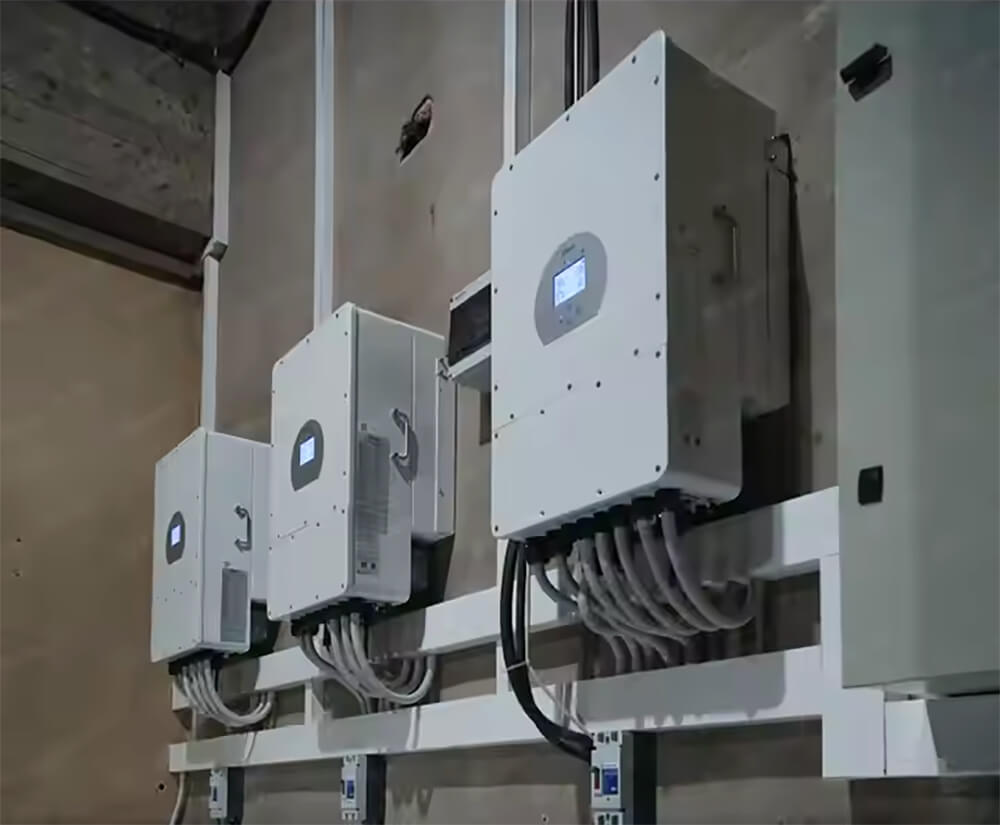
อินเวอร์เตอร์เป็นอุปกรณ์อิเล็กทรอนิกส์ที่แปลงกระแสตรง (DC) เป็นกระแสสลับ (AC) หน้าที่หลักคือการแปลงแหล่งพลังงาน DC (เช่น แผงโซลาร์เซลล์ แบตเตอรี่ ฯลฯ) ให้เป็นพลังงาน AC เพื่อจ่ายไฟให้กับเครื่องใช้ไฟฟ้าในครัวเรือน มอเตอร์ไฟฟ้า เครื่องกำเนิดไฟฟ้าพลังงานแสงอาทิตย์ และอุปกรณ์อื่นๆ อินเวอร์เตอร์สามารถแปลงไฟฟ้า DC เป็นไฟฟ้า AC ที่มีแรงดัน กระแส และความถี่ได้เกือบทุกระดับ และสามารถรักษาแรงดันและความถี่ขาออกให้คงที่เพื่อตอบสนองความต้องการใช้งานต่างๆ
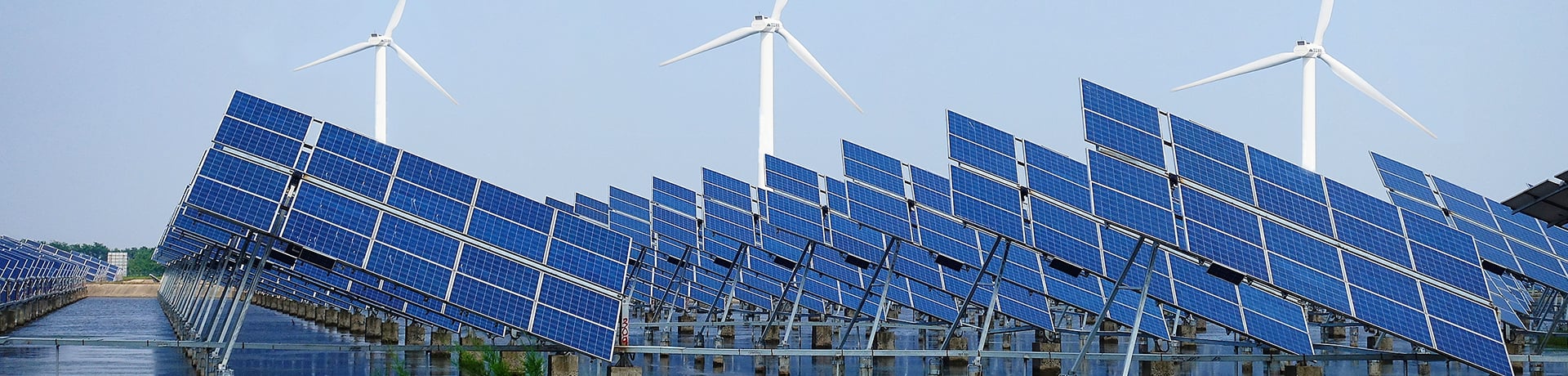
การประยุกต์ใช้อินเวอร์เตอร์มีความกว้างขวางมาก รวมถึงการผลิตไฟฟ้าพลังงานแสงอาทิตย์ พลังงานลม ยานยนต์ไฟฟ้า อุปกรณ์จ่ายไฟสำรอง (UPS) เครื่องใช้ในบ้าน และสาขาอื่นๆ โดยเฉพาะอย่างยิ่ง การผลิตไฟฟ้าจากพลังงานแสงอาทิตย์เป็นหนึ่งในพื้นที่การใช้งานหลักของอินเวอร์เตอร์ ในระบบผลิตไฟฟ้าจากพลังงานแสงอาทิตย์ อินเวอร์เตอร์สามารถแปลงกระแสไฟฟ้าตรง (DC) ที่ผลิตได้จากแผงโซลาร์เซลล์ให้เป็นกระแสไฟฟ้าสลับ (AC) เพื่อจ่ายให้กับอุปกรณ์ไฟฟ้าในบ้านและเชิงพาณิชย์ ขณะเดียวกัน ในระบบผลิตไฟฟ้าแบบออฟกริด อินเวอร์เตอร์ยังสามารถตรวจสอบและควบคุมกระบวนการชาร์จและคายประจุของแบตเตอรี่ เพื่อเพิ่มประสิทธิภาพและการทำงานของระบบผลิตไฟฟ้าจากพลังงานแสงอาทิตย์ให้ดีที่สุด
วิธีการเลือกอินเวอร์เตอร์?
อินเวอร์เตอร์คืออุปกรณ์อิเล็กทรอนิกส์ที่ทำหน้าที่แปลงกระแสไฟฟ้าตรง (DC) เป็นกระแสไฟฟ้าสลับ (AC) ซึ่งมีการใช้งานอย่างแพร่หลายในระบบผลิตไฟฟ้าพลังงานแสงอาทิตย์ พลังงานลม ยานยนต์ไฟฟ้า และสาขาอื่นๆ เมื่อต้องการเลือกซื้ออินเวอร์เตอร์ ควรพิจารณาปัจจัยต่อไปนี้:
สถานการณ์การใช้งานและความต้องการ
สถานการณ์การใช้งานที่แตกต่างกันต้องการอินเวอร์เตอร์ที่แตกต่างกัน ตัวอย่างเช่น บางสถานการณ์ต้องการแรงดันไฟฟ้าขาเข้าสูง ในขณะที่บางสถานการณ์ต้องการความถี่ขาออกสูง ดังนั้นเมื่อเลือกอินเวอร์เตอร์ ควรกำหนดประเภทและข้อกำหนดที่ต้องการตามสถานการณ์การใช้งานและความต้องการจริง
กำลังและประสิทธิภาพ
เมื่อเลือกอินเวอร์เตอร์ ควรกำหนดกำลังไฟและประสิทธิภาพที่ต้องการตามความต้องการจริง ทั้งสองอย่างนี้เป็นพารามิเตอร์สำคัญที่ใช้กำหนดกำลังไฟขาออกสูงสุดและประสิทธิภาพสูงสุด
วิธีการควบคุมและมาตรการป้องกัน
วิธีการควบคุมและมาตรการป้องกันก็เป็นปัจจัยสำคัญที่ต้องพิจารณาเมื่อเลือกอินเวอร์เตอร์ ควรกำหนดวิธีการควบคุมและมาตรการป้องกันที่ต้องการตามความต้องการจริง ซึ่งจะเป็นตัวกำหนดวิธีการควบคุมที่อินเวอร์เตอร์สามารถทำได้ และสถานการณ์ขัดข้องที่อินเวอร์เตอร์สามารถจัดการได้
แบรนด์และคุณภาพ
ยี่ห้อและคุณภาพก็เป็นปัจจัยสำคัญที่ควรพิจารณาเมื่อเลือกอินเวอร์เตอร์เช่นกัน อินเวอร์เตอร์คุณภาพต่ำอาจมีอัตราการเสียหายสูงกว่า ดังนั้นในการเลือกอินเวอร์เตอร์ ควรเลือกยี่ห้อที่มีชื่อเสียงดีและรับประกันคุณภาพ ซึ่งอินเวอร์เตอร์คุณภาพสูงมักจะมีทั้งคุณภาพ ประสิทธิภาพ และอายุการใช้งานที่ยาวนานกว่า การเลือกผลิตภัณฑ์เพียงเพราะราคาถูกอาจทำให้เกิดความล้มเหลวบ่อยขึ้นและเพิ่มต้นทุนในการบำรุงรักษา
บริการหลังการขาย
บริการหลังการขายก็เป็นหนึ่งในปัจจัยที่ควรพิจารณาเมื่อเลือกอินเวอร์เตอร์เช่นกัน เนื่องจากในระหว่างการใช้งานอินเวอร์เตอร์ ปัญหาต่าง ๆ ย่อมเกิดขึ้นได้เสมอ จึงจำเป็นต้องได้รับคำแนะนำทางเทคนิค การบำรุงรักษา และการซ่อมแซมอย่างทันท่วงที เพื่อให้อินเวอร์เตอร์สามารถใช้งานได้นานขึ้น

สรุปได้ว่า ในการซื้ออินเวอร์เตอร์ ผู้ซื้อจำเป็นต้องตัดสินใจเลือกตามความต้องการจริงและงบประมาณที่มี โดยโดยทั่วไปแล้วแนะนำให้เลือกยี่ห้อและรุ่นที่มีชื่อเสียงดี มีการรับประกันคุณภาพ และให้บริการหลังการขายที่ครบถ้วน