EN
EN


Why Are the Prices of Lithium Battery So Diverse?
"Your lithium battery is too expensive! I have a cheaper quote here!" After making an offer to the customer, we often hear such remarks. Many customers, especially individual buyers, do not have a good understanding of batteries. So, what they mainly focus on is lithium battery power and price, as well as the number of cycles listed in the parameter table. Today, we will guide you to have a comprehensive understanding of the entire production process of lithium battery, so as to make better judgments and selections of batteries.
Battery Cell Inspection
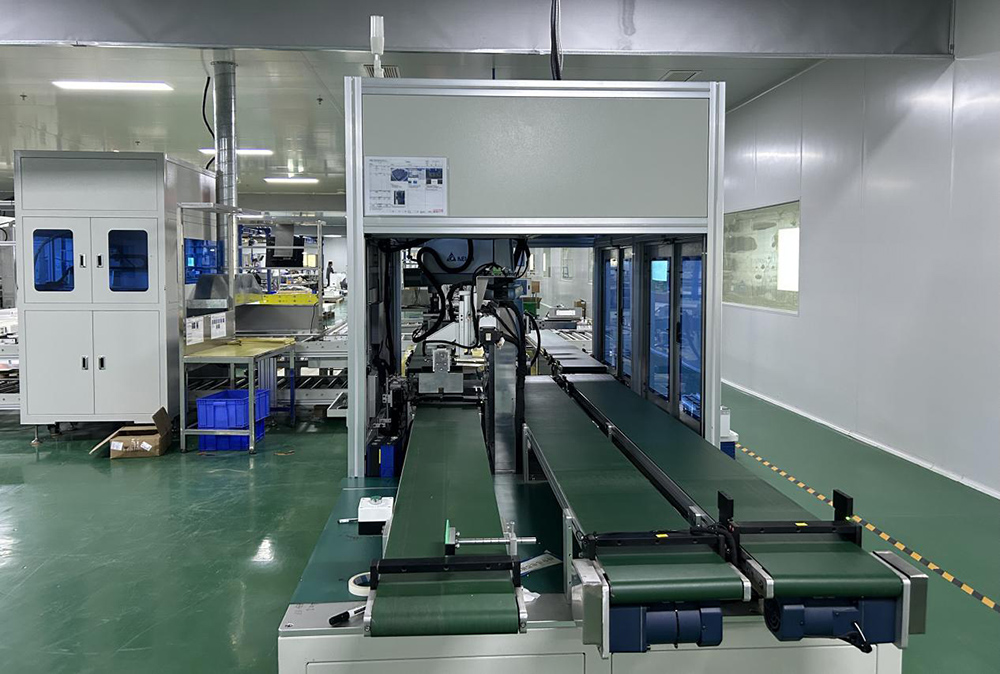
After each lithium battery cell arrives at the factory, the first step is to conduct a comprehensive inspection. Besides checking for any scratches or bulges on the surface, we also measure the open-circuit voltage and internal resistance. These data will be automatically entered into the system. Only cells with highly consistent parameters can be included in the same lithium battery module.
This step is very important. Once there is an error, there will be problems in the subsequent process. Therefore, the on-site inspection is particularly strict.
Laser Cleaning - More Effective Than Alcohol Wiping
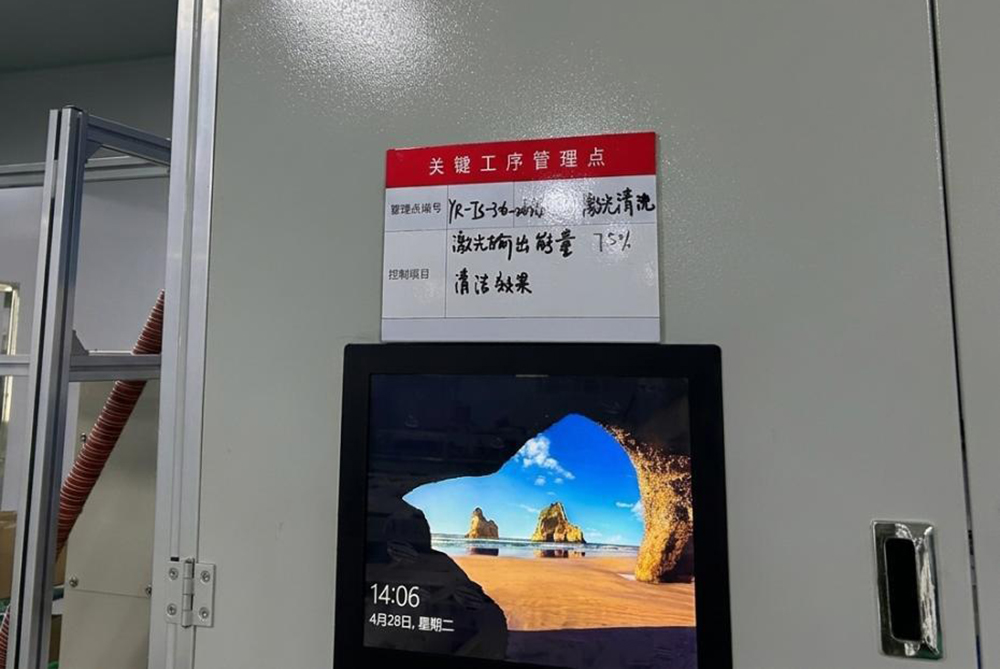
The next step is laser cleaning. From the on-site signboards, it can be seen that we have designated laser cleaning as a key process management point (numbered R-T-34-3), strictly controlling the cleaning effect.
You might ask: The electrode posts of the lithium battery cells are already very clean, why do we need to clean them?
This is because the surface of the posts has a very thin layer of oxide and tiny oil stains. If using traditional alcohol wiping, it is not only very inefficient but also the alcohol wiping cannot clean thoroughly. Only through laser cleaning can the surface contaminants be instantly vaporized and evaporated, revealing the fresh metal base. In this way, during the subsequent welding process, the solder joints can be firmly connected and the resistance can be lower. The factory quantitatively controls the cleaning effect, rather than simply relying on alcohol wiping or being clean in the eyes of the naked eye.
Laser Welding - Connecting the Cells
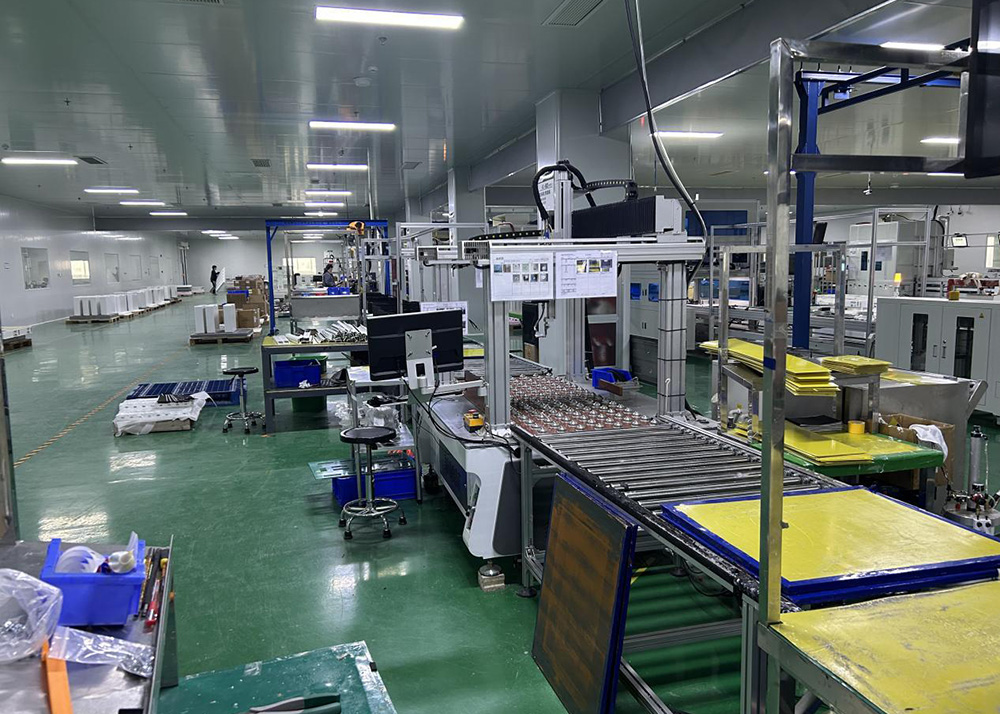
After cleaning, the next crucial step is to use laser to weld and fix the busbars (copper or aluminum strips) onto the positive and negative electrodes of the cells, connecting dozens or even hundreds of cells in series or parallel.
At the production site, we saw a management board next to this process, clearly stating:
Welding penetration depth: 0.8 – 1.5 mm
Welding width: 1.5 – 3.0 mm
These two parameters directly determine the welding strength and conductivity. If the penetration depth is too shallow, it can easily cause welding failure; if it is too deep, it may damage the internal components of the lithium battery cells; if the width is insufficient, the current-carrying capacity will be insufficient.
In addition, the factory also conducts regular weld profile inspections to ensure that each weld seam falls within the specified range. At the welding site, sparks fly everywhere, but the CCD visual inspection nearby takes real-time photos. When there are pores or blowholes, it will immediately give an alarm to ensure strict control of this process.
Module EOL Testing - Knowing Whether the Welding Is Good or Not in One Test
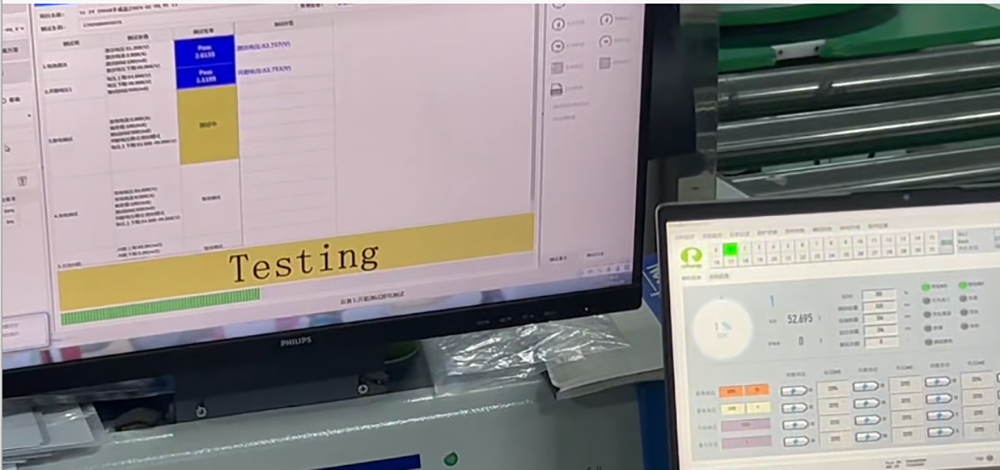
After the module is welded, it is not rushed to be packaged immediately, but first placed in the test cabinet for EOL (offline) testing: insulation resistance, withstand voltage, total module voltage, capacity... All data is automatically uploaded, ensuring that every module can be traced.
This step can effectively screen out lithium battery modules with poor welding quality or abnormal cell consistency, and ensure that no substandard products are passed on to the next process.
Lithium Battery Pack Assembly - BMS and Thermal Management System
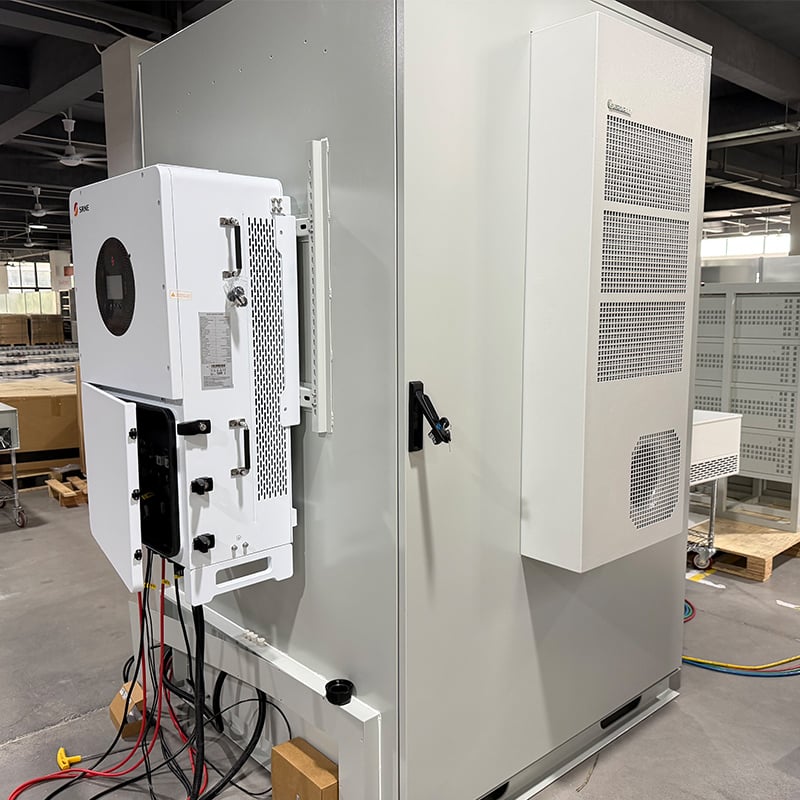
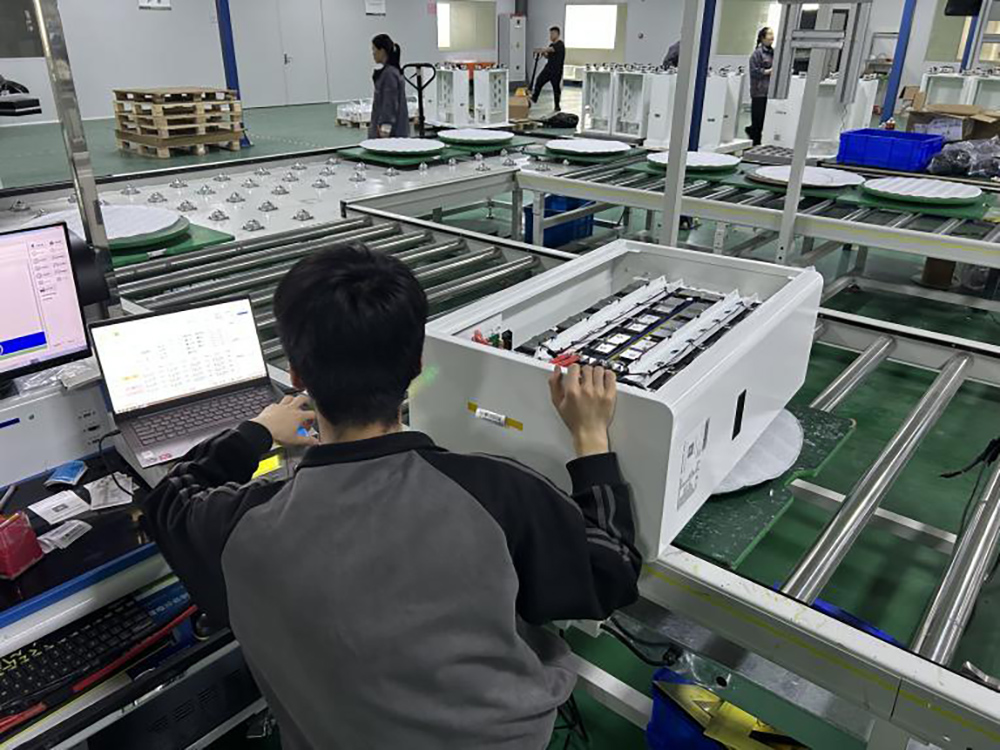
After going through the above process, qualified battery modules will be placed in the battery pack housing, and then the battery management system and thermal management system will be installed.
The lithium battery management system, also known as BMS, mainly functions to monitor the voltage, current and temperature of the cells in real time, and manage charging and discharging.
The thermal management system is usually a liquid cooling plate or a fan for air cooling. Its main function is to ensure that the battery can be heated in winter and not get burned in summer, thus ensuring long-term use. At this stage, we can see numerous sampling wiring harnesses and cooling pipelines.
Test Before Sealing - Insulation Withstand Voltage and Air Tightness
Before closing the upper cover of the battery pack, two "life-and-death tests" must be conducted:
Insulation withstand voltage test: Apply several times the working voltage to the insulation between the battery pack shell and the internal high-voltage circuit to see if there will be leakage.
Air tightness test: This test involves filling the sealed lithium battery pack with compressed air to measure the decrease in pressure. To meet the IP67 standard, it means it needs to be submerged in water for half an hour without getting wet.
If these two tests fail, they will be directly returned for repair or scrapped, with no room for negotiation.
Offline & Digital Traceability
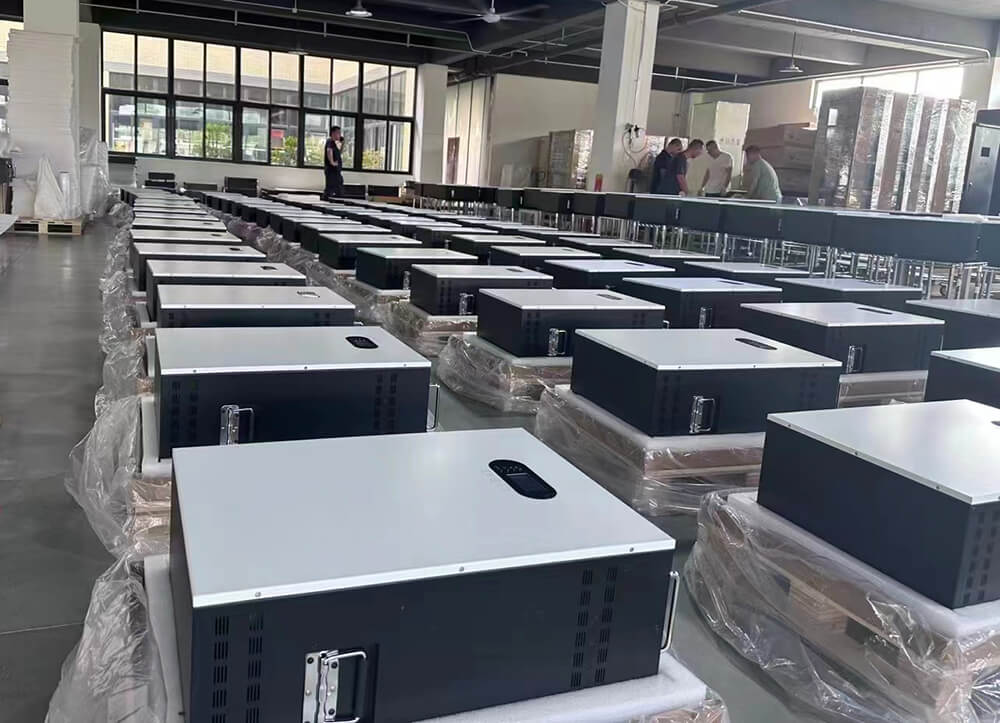
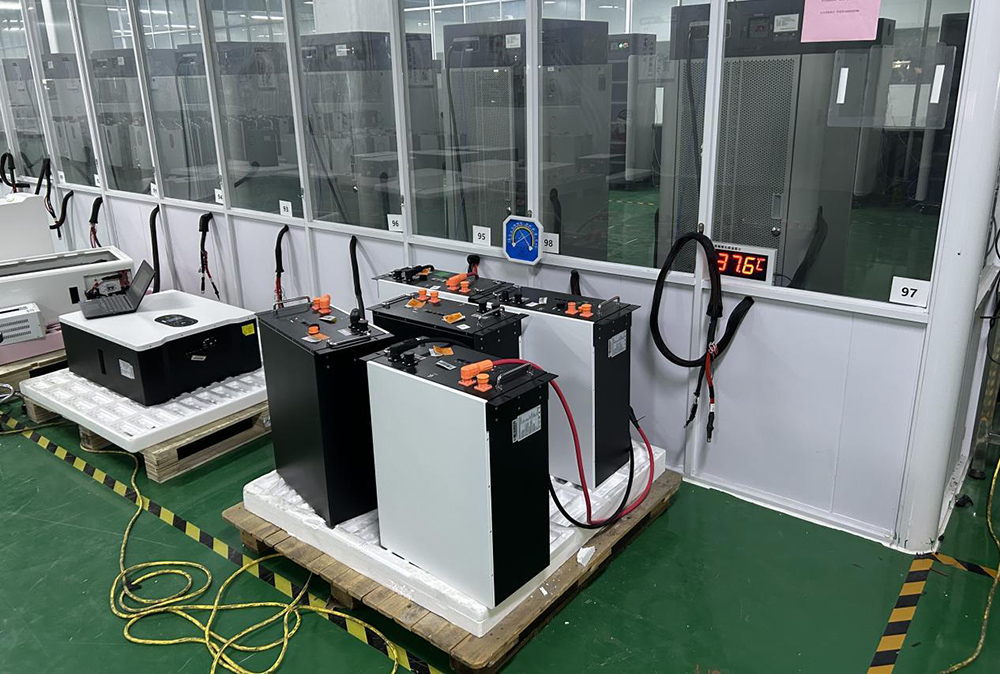
Finally, each lithium battery package should complete a whole package EOL test, including charging and discharging, communication function (BMS and external CAN communication), insulation and voltage resistance and other comprehensive performance tests. All these tests must be passed before the products can be released for sale.
Here, it is worth mentioning: I saw many computer screens in the workshop (those photos with the "computer startup screen" repeatedly appearing). At first, I was puzzled, but later I understood - those were actually operation terminals of the automated testing system, MES data traceability system, and welding parameter monitoring system. Every process, every parameter, and every test result is uploaded to the cloud in real time.
Ultimately, each lithium battery pack will generate a unique QR code "birth certificate", and by scanning it, you can see all the key data of it on the production line.
Summary
Through this article, everyone should have gained a certain understanding of the production process of lithium battery before shipment. From the selection of battery cells to the testing stages during the assembly process, each step has data tracking and monitoring. This brings a great sense of security to our customers.