
The 2kW windmill is a key component in renewable energy systems, providing an efficient way to harness wind power for various applications. As a buyer in industries such as manufacturing, agriculture, or energy solutions, you may face concerns related to performance, suitability for your specific project, installation requirements, and overall cost-effectiveness. This article aims to guide you through the selection process, address common challenges, explore potential applications, and offer purchasing strategies to ensure you make an informed decision.
Selecting the right 2kW windmill involves considering several factors to ensure it meets your specific needs. First, assess the site where the windmill will be installed. Factors such as average wind speed, topography, and local weather conditions are critical as they affect the windmill's efficiency and power output. The suitability of a 2kW windmill is heavily influenced by its design and features, including rotor diameter, blade material, and generator type.
Next, consider the intended application. Will the windmill be used for residential power supply, agricultural operations, or as part of a larger energy system? Each application may have unique requirements, such as power stability, grid compatibility, and energy storage solutions, which may necessitate additional components like inverters or batteries.
Finally, evaluate customization options offered by manufacturers. A tailored solution can ensure that the wind mill integrates seamlessly with existing systems and meets specific energy demands.
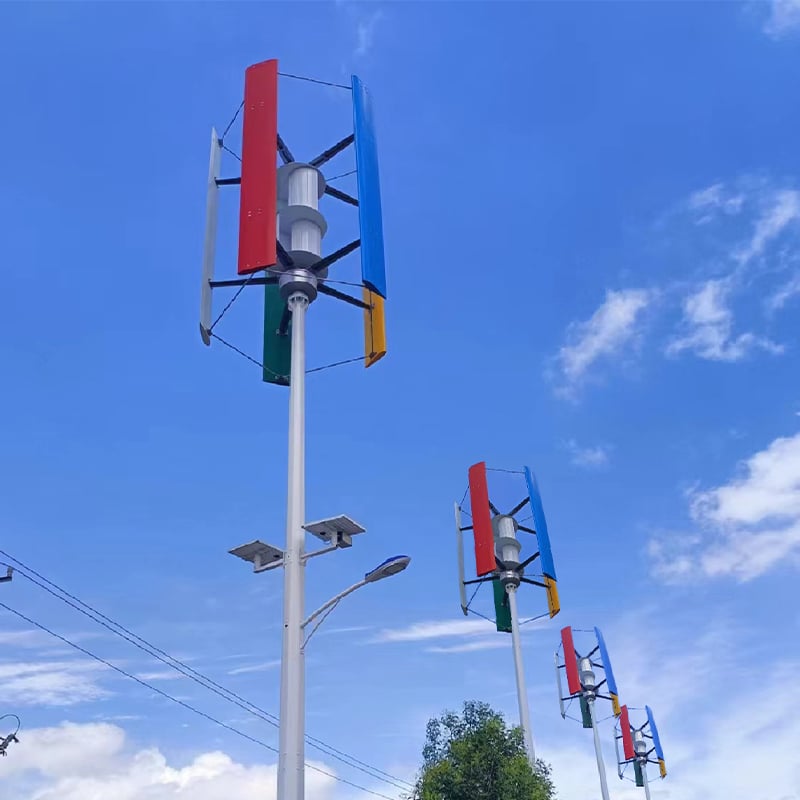
When evaluating 2kW windmills, several key factors should influence your decision:
Performance Specifications: Look for detailed performance data, including cut-in wind speed (the minimum wind speed at which the windmill starts generating power) and rated wind speed (the speed at which it produces its maximum output). Understanding these specifications helps gauge how well the wind mills will perform in your location.
Material and Build Quality: The materials used in construction can significantly impact durability and performance. Common materials include reinforced composites and high-strength steel, which offer resistance to harsh weather conditions. Quality manufacturing processes ensure that the windmill can withstand environmental stresses over time.
Certification and Compliance: Ensure that the windmill meets industry standards and certifications, which can validate its performance and safety. This may include ISO certifications or compliance with local regulations, which might be crucial for installation and operation.
Installation and Maintenance Requirements: Assess the complexity of installation and ongoing maintenance needs. Some windmills require professional installation, while others can be installed by the end-user. Regular maintenance checks are critical to ensure longevity and optimal performance.
Cost and Financing Options: Understand the total cost of ownership, including upfront costs, installation, maintenance, and potential savings on energy bills. Explore financing options or subsidies available for renewable energy projects, which can make investing in a windmill more accessible.
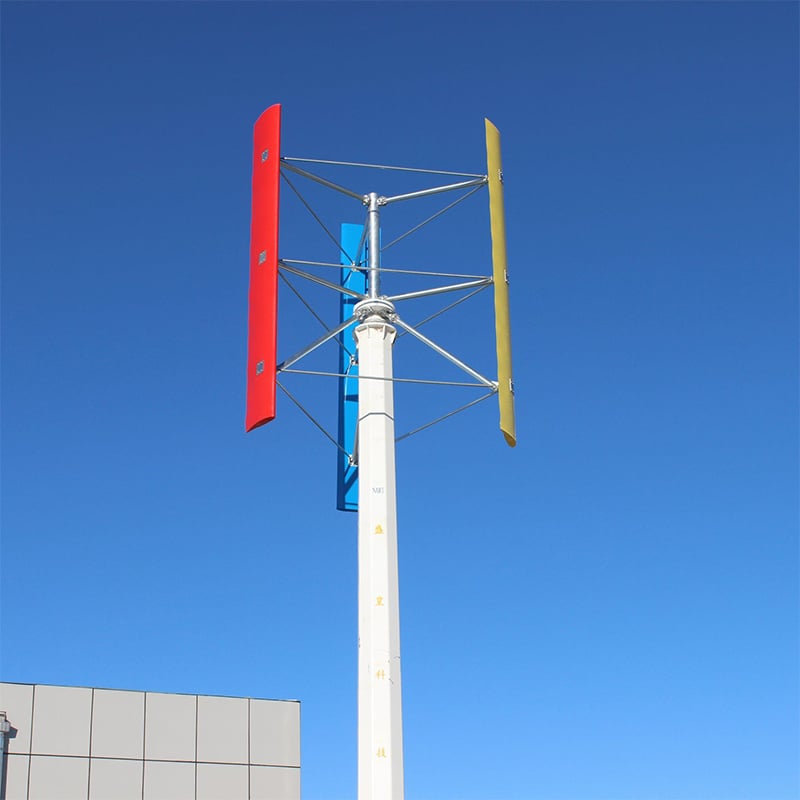
Purchasing a 2kW windmill can come with challenges that may affect its performance. Here are some common problems and their solutions:
Inadequate Wind Conditions: If the wind speeds are lower than expected, the windmill may not generate sufficient power. This issue can be addressed by performing a thorough site assessment and using wind data analysis tools to ensure the selected wind mill turbine is appropriate for the location.
Mechanical Failures: Components such as bearings and blades can wear out over time, leading to mechanical failures. Regular inspections and maintenance can help identify issues early. Additionally, choosing a manufacturer with a strong reputation for quality and offering warranty support can mitigate potential risks.
Noise and Aesthetics: Some buyers may be concerned about noise levels or the visual impact of a windmill. It’s important to review noise specifications and consider models designed for quieter operation. Additionally, discussing aesthetic options with the manufacturer can lead to a more agreeable product for residential or commercial settings.
Electrical Compatibility Issues: Ensuring that the windmill integrates well with existing electrical systems is crucial. Buyers should confirm compatibility with local grid standards or explore hybrid systems if they plan to use battery storage alongside the windmill.
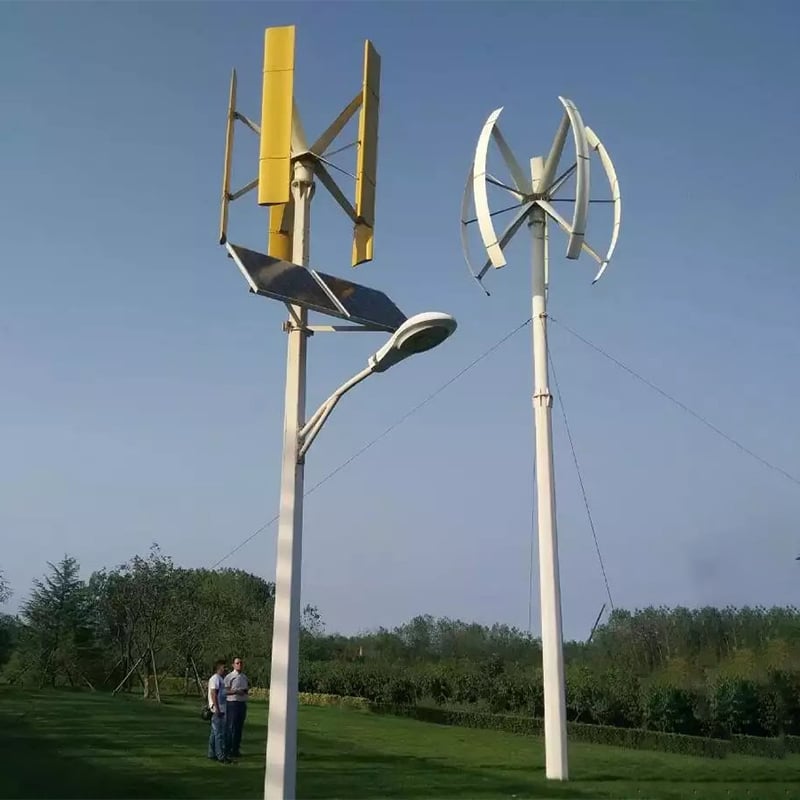
2kW windmills have versatile applications across several industries, proving valuable for both small-scale and larger operations. Here are a few examples:
Agriculture: Farmers can utilize 2kW windmills to power irrigation systems or farm equipment, reducing reliance on traditional energy sources and decreasing operational costs. Wind energy can also support off-grid agricultural operations where electricity access is limited.
Residential Use: Homeowners can install 2kW windmills as part of their renewable energy solutions, complementing solar power systems for a hybrid energy approach. This not only helps reduce electricity bills but also contributes to sustainability efforts.
Commercial Enterprises: Small businesses can benefit from wind energy by using 2kW windmills to power operations, especially in rural or remote areas. This reduces energy costs and enhances the company’s green credentials, appealing to environmentally conscious consumers.
Remote Power Generation: For distributed power systems, 2kW windmills can serve as reliable energy sources in off-grid locations or for emergency power backup when conventional power supplies are unavailable.
We're committed keeping integrity as the foundation our company, Eolic generator customers the best power products as well as expert services. For wind turbines you can pay attention to important integrity is the foundation our company. provide genuine power products provide skilled service. You can consider parameters like blade diameter wind turbine weight when evaluating wind turbines. DHC assures that its products are able to deliver real power without overstating power.
most renowned brand wind-powered hybrid power systems DHC the only company with own wind turbine factory that combines R D, design, production technical support. Since 2009, our founders have practiced the 2kw vertical wind turbine of environmental protection and have been immersed in the latest energy sources and have adhered the company's culture that focuses on "diligence and honesty, collaboration, and creativity." Our brand DHC is the consequence of this.
We're dedicated solving commercial residential electrical needs utilizing a solar/wind power system. With professional supply chain management and integration capabilities, are able to provide customers with completely customized solutions. We'll provide high-quality service all hours of day from 2kw vertical axis wind turbine to design and after-sales.
primary products wind turbines, solar panels and lifepo4 batteries. customers will receive a one-stop-shop service the integration and Wind turbine a wind-solar hybrid as well as smart photovoltaic system. DHC provides reliable products, technologies, and after-sales service to customers with excellent delivery capability.
When considering wholesale purchasing of 2kW windmills, effective strategies can help maximize value:
Request Detailed Quotations: When reaching out to manufacturers, provide them with precise specifications and application details. This ensures that the quotations you receive are accurate and tailored to your needs.
Evaluate Supplier Capabilities: Assess the manufacturer’s production capacity, quality control processes, and reputation in the market. A reliable supplier should offer comprehensive support, from pre-purchase consultations to post-installation services.
Negotiate Pricing and Terms: Don’t hesitate to negotiate pricing, especially if you're considering bulk orders. Discuss delivery terms, payment options, and warranties to ensure that all aspects of the deal are favorable.
Consider Total Cost of Ownership: Analyze not just the upfront cost but the total cost of ownership, including installation, maintenance, and operational costs. This holistic view helps in making a well-informed purchasing decision.
Explore Customization Options: Discuss your customization needs with the supplier. Custom features can enhance performance and suitability for your specific applications, making your investment more effective.
By following these guidelines, you’ll be well-equipped to make informed decisions when purchasing a 2kW windmill, ensuring that it meets your operational needs and contributes positively to your renewable energy goals.
Welcome to DHC, the top brand of wind solar hybrid power system! We provide innovative and effective new energy solutions including wind turbine, solar panel, lifepo4 battery, etc.






 EN

