
Generator magnets are crucial components in various renewable energy systems, especially in permanent magnet generators used in wind and solar hybrid systems. Jiangsu DHC Environmental Si-Tech Co., Ltd. specializes in these systems and offers significant expertise in sourcing and manufacturing generator magnet solutions. This article aims to address the key considerations that buyers should keep in mind when sourcing permanent generator magnets wholesale, covering aspects like specifications, installation challenges, and common issues faced during use. By understanding these factors, purchasing managers and engineers can make informed decisions that enhance the efficiency and reliability of their renewable energy projects, including systems like the Wind Solar Hybrid Power System.
When sourcing permanent generator magnets, several essential factors should be evaluated to ensure optimal performance and suitability for your specific application. Key considerations include:
Material Composition: Permanent magnets are typically made from materials like neodymium, ferrite, or samarium-cobalt. Each material has distinct magnetic properties, cost implications, and environmental resistances. For example, neodymium magnets provide high magnetic strength but may require protective coatings to prevent corrosion, while ferrite magnets are less expensive but offer lower magnetic performance.
Magnet Specifications: Specifications such as size, shape, and magnetic strength (measured in Gauss or Tesla) are critical. The magnet's dimensions must align with your design requirements, and its magnetic strength should match the generator's operational needs. Ensure that the supplier can provide precise specifications and possibly offer customization options.
Quality Assurance: Verify the manufacturer’s quality control processes and certifications. Quality assurance practices are vital to ensuring that the magnets meet industry standards and perform reliably over their intended lifespan. This might include inspection processes, material traceability, and compliance with international standards.
Lead Time and Production Capacity: Understanding the supplier’s lead times and production capabilities is crucial, especially if your project has tight timelines. Confirm the manufacturer's minimum order quantities (MOQs) and whether they can accommodate your volume requirements without compromising quality.
Application Compatibility: Consider the end-use environment of the generator magnets, such as exposure to extreme temperatures or humidity. Different applications may require specific magnet properties, such as temperature stability or resistance to demagnetization.
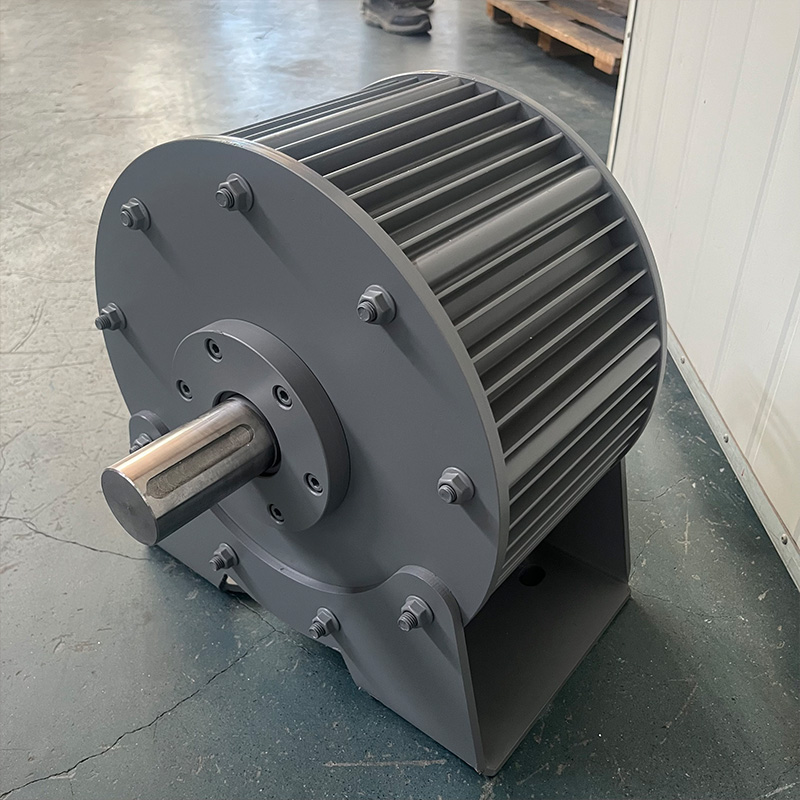
Selecting the appropriate permanent magnet for your project involves assessing several technical and practical factors:
Performance Requirements: Define the performance metrics needed for your application. This includes load requirements, operational efficiency, and potential environmental challenges. For instance, if the generator is used in a coastal area, the magnets may need enhanced corrosion resistance.
Type of Generator System: The generator design influences the type of magnet required. Permanent magnets are often used in various applications, including synchronous and asynchronous generators. Understanding your system design will help you select the right magnet configuration. Systems like the Wind Controller can also benefit from appropriate magnet selection.
Cost vs. Performance: It's essential to balance cost with performance. While high-performance magnets like neodymium may offer superior efficiency, they also come with higher costs. Evaluate whether the increased upfront cost will yield enough operational benefits to justify the investment.
Supplier Expertise: Work with a supplier who has proven experience in the renewable energy sector. Their knowledge can guide you to the most suitable magnet options and help troubleshoot any issues that may arise during installation or operation.
Custom Solutions: If your project has unique specifications, inquire about customization capabilities from potential suppliers. Tailored solutions can significantly enhance the compatibility and efficiency of your generator systems.
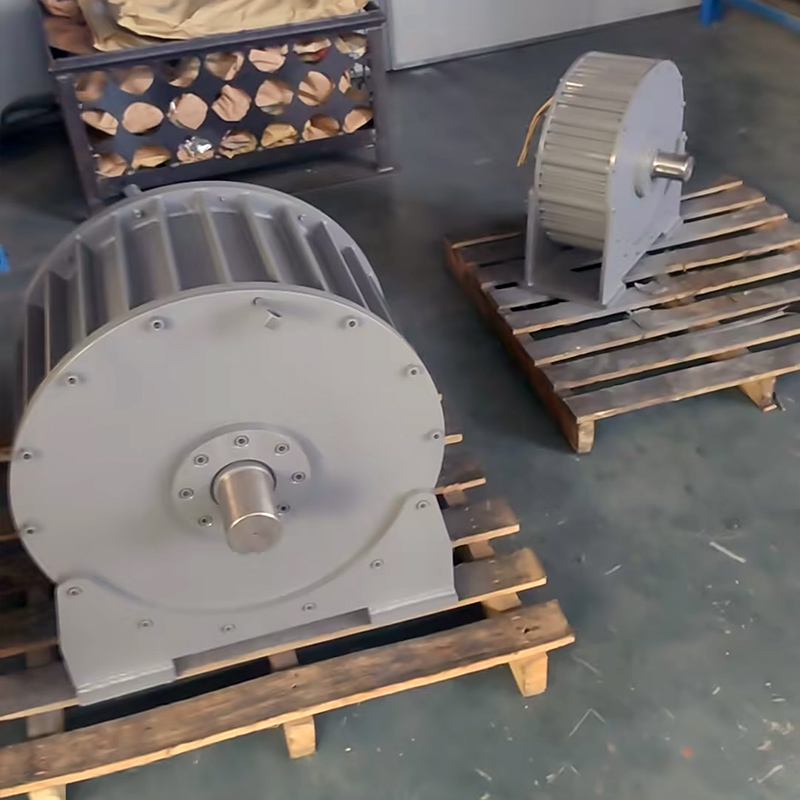
When preparing to source permanent generator magnets, consider the following actionable steps:
Request Detailed Quotations: Provide potential suppliers with comprehensive information about your project, including required specifications, quantities, and deadlines. This will enable them to offer precise quotes and avoid unexpected costs.
Evaluate Samples: Before committing to a large order, request samples to evaluate the magnet's performance in your application. Testing samples under actual operating conditions can highlight any potential issues that may not be apparent from specifications alone.
Check Supplier Credentials: Investigate the supplier's background, including their manufacturing capabilities, certifications, and customer reviews. A reliable supplier should be transparent about their processes and able to provide references from similar projects.
Consider Long-term Support: Establishing a relationship with a supplier who offers ongoing support can be beneficial. This includes assistance with installation, troubleshooting, and potential future orders.
Confirm Lead Times: Ensure that the supplier can meet your project timelines. Delays in sourcing magnets can impact project schedules, so it's crucial to have a clear understanding of lead times.
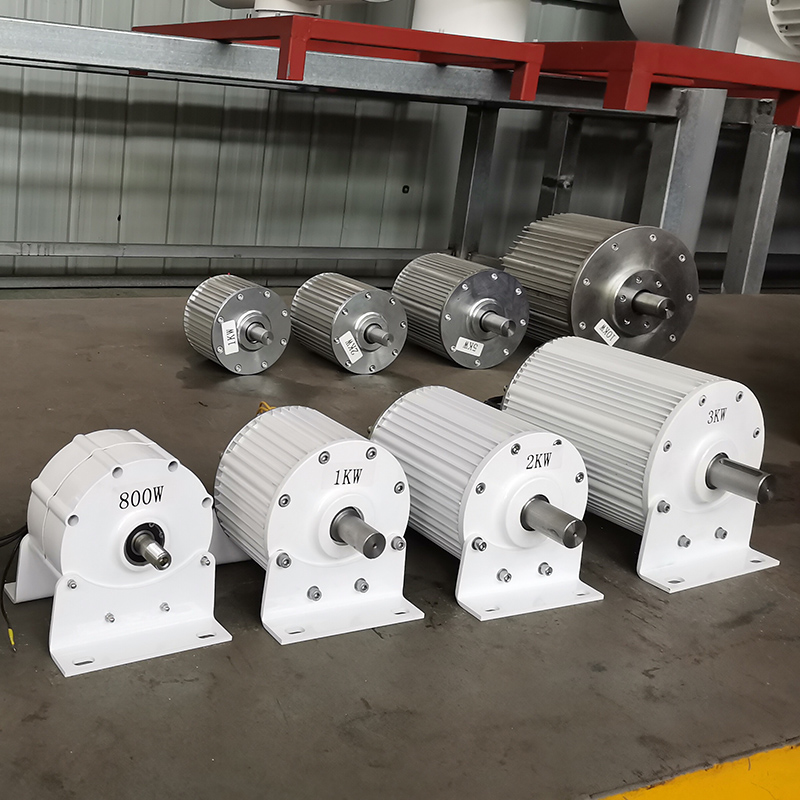
Installation of permanent generator magnets can present several challenges that require careful planning and execution:
Alignment and Positioning: Proper alignment of the magnets is critical for optimal generator performance. Misalignment can lead to inefficiencies, increased wear, or even damage to the generator. It’s advisable to use precise installation tools and techniques to ensure accurate positioning.
Handling and Safety: Permanent magnets can be heavy and have strong magnetic forces that can attract ferromagnetic materials. Implement appropriate handling procedures to prevent injury and damage during installation.
Environmental Considerations: If the installation site has variable temperature or humidity, it’s essential to ensure that the magnets are suitable for those conditions. Failure to consider environmental factors can lead to premature degradation or loss of magnetic properties.
Integration with Other Components: Ensure that the magnets are compatible with other components in the generator system. This includes considerations for thermal expansion, magnetic interference, and space constraints.
We dedicated to upholding integrity as cornerstone of our business, offering customers genuine power products expert services. In the case of wind turbines can pay attention is important to committed to keeping integrity as the cornerstone of business, offering customers the best power products as well as 15kw wind turbine for home services. Consider parameters such as blade diameter and wind turbine's weight when you evaluate wind turbines. We promise that all products manufactured by DHC have real power output without exaggerated power.
DHC the market leader in hybrid wind solar power systems. has its own manufacturing facility that integrates R D and production, design technical support. Since 2009 founders of DHC have been implementing the concept of environmental protection and have been immersed the latest technology and embraced the corporate wind turbine generator that focuses on "diligence and integrity, collaboration and innovation." This is also the basis of our brand "DHC".
primary products wind turbines, solar panels and lifepo4 batteries. customers will receive a one-stop-shop service the integration and wind turbine generator a wind-solar hybrid as well as smart photovoltaic system. DHC provides reliable products, technologies, and after-sales service to customers with excellent delivery capability.
We're dedicated solving commercial residential electrical needs utilizing a solar/wind power system. With professional supply chain management and integration capabilities, are able to provide customers with completely customized solutions. We'll provide high-quality service all hours of day from Wind turbine for home 5kw to design and after-sales.
Addressing issues with permanent generator magnets requires knowledge and proactive solutions:
Demagnetization: In certain conditions, permanent magnets can lose their magnetism. To mitigate this, ensure that the magnets are rated for the specific environmental conditions they will face. Additionally, employing designs that reduce magnetic interference can help maintain stability.
Corrosion: Magnets exposed to moisture or corrosive environments may require protective coatings. Discuss options with your supplier to ensure that the magnets are treated to withstand environmental challenges.
Performance Variability: Variability in performance can stem from manufacturing inconsistencies or handling damage. Regular quality checks during production and upon receiving the products can help identify and resolve issues early.
Integration Challenges: If magnets are not fitting correctly within the system, it may require adjustments in design or installation methods. Working closely with your supplier can provide insights into resolving these integration challenges efficiently.
By keeping these factors in mind, purchasing managers and engineers can navigate the complexities of sourcing generator magnets effectively, ensuring that their renewable energy projects operate efficiently and reliably.
Welcome to DHC, the top brand of wind solar hybrid power system! We provide innovative and effective new energy solutions including wind turbine, solar panel, lifepo4 battery, etc.






 EN