
Low RPM generators are increasingly vital in the renewable energy sector, particularly for applications where efficiency and sustainability are paramount. These generators operate at lower speeds, making them ideal for wind and solar hybrid systems, which are gaining traction among industrial and commercial buyers. This article will address key considerations for selecting low RPM generators, focusing on their industrial applications, quality evaluation, installation tips, and cost factors for wholesale sourcing. Whether you're a purchasing manager or an engineer, understanding these aspects will help you make informed decisions.
When selecting a low RPM generator, several factors come into play. First, consider the generator's power output, as this directly impacts its suitability for your intended application. Low RPM generators typically provide a steady power supply, which is crucial for installations requiring continuous energy. For example, you might want to explore options such as the Residential 3kW PVT Solar Panel 2kW Wind Turbine 6P Air Source Heat Pump System that can enhance your energy efficiency.
Next, evaluate the materials used in construction. Durable materials, such as corrosion-resistant metals and high-quality insulation, are essential for ensuring long-term reliability, especially in harsh environments. Additionally, consider the generator's efficiency rating, as this can affect both energy costs and performance.
Another important aspect is compatibility with your existing systems. Ensure that the generator can integrate seamlessly with your current energy infrastructure, whether it’s a solar power setup or a wind turbine system. Finally, assess the manufacturer’s customization capabilities. Custom solutions can tailor the generator to meet specific requirements, enhancing its effectiveness in your projects.
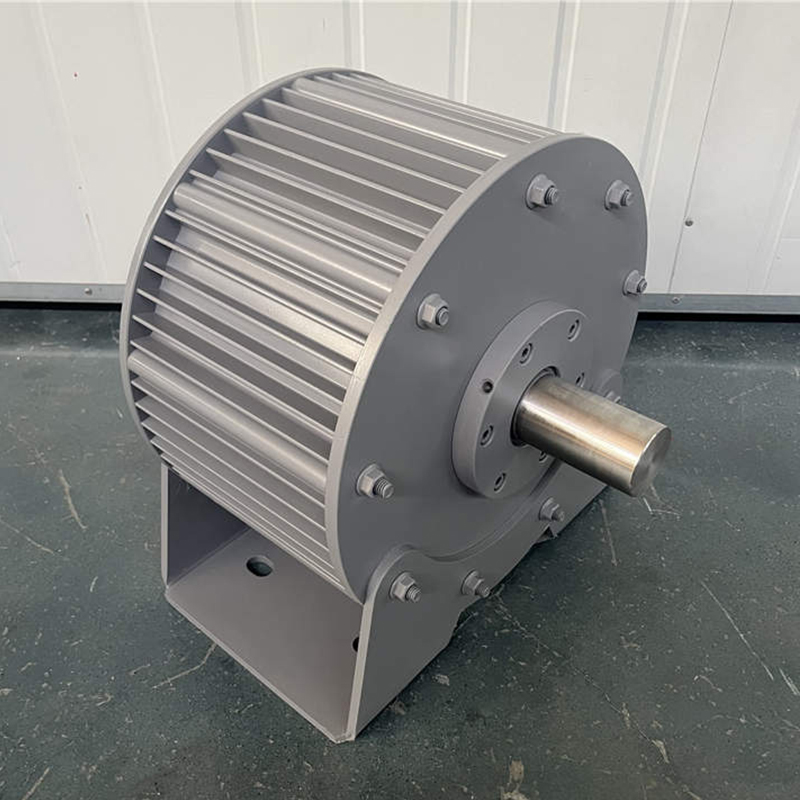
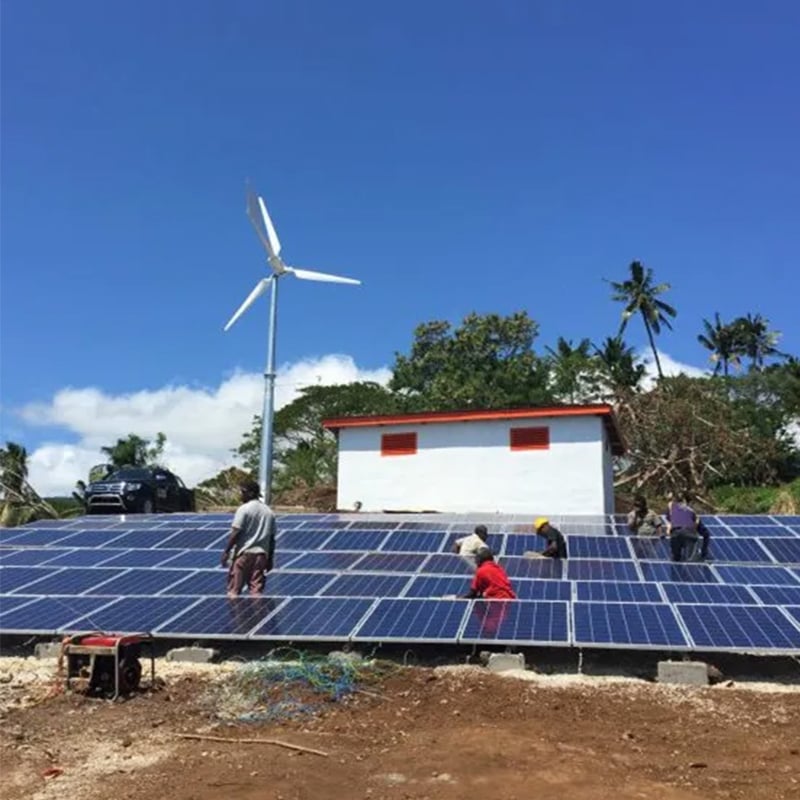
Low RPM generators find extensive use in various industrial applications, including renewable energy systems, backup power supplies, and distributed power generation. Their ability to operate efficiently at lower speeds makes them particularly suitable for wind and solar hybrid systems, where variable energy inputs are common.
For instance, in wind energy applications, a low RPM generator can harness wind energy more efficiently than its high RPM counterparts due to its ability to produce power at lower wind speeds. This characteristic is advantageous for locations with inconsistent wind patterns.
In solar power systems, integrating low RPM generators provides a reliable energy source, enhancing the overall efficiency of the solar setup. By converting stored energy from battery systems into usable power, these generators ensure that energy is available even when solar input is low. For optimal integration, consider systems like the Home Solar Powered Heat Pump System 5.4kW PVT Panels with 6P Heat Pump.
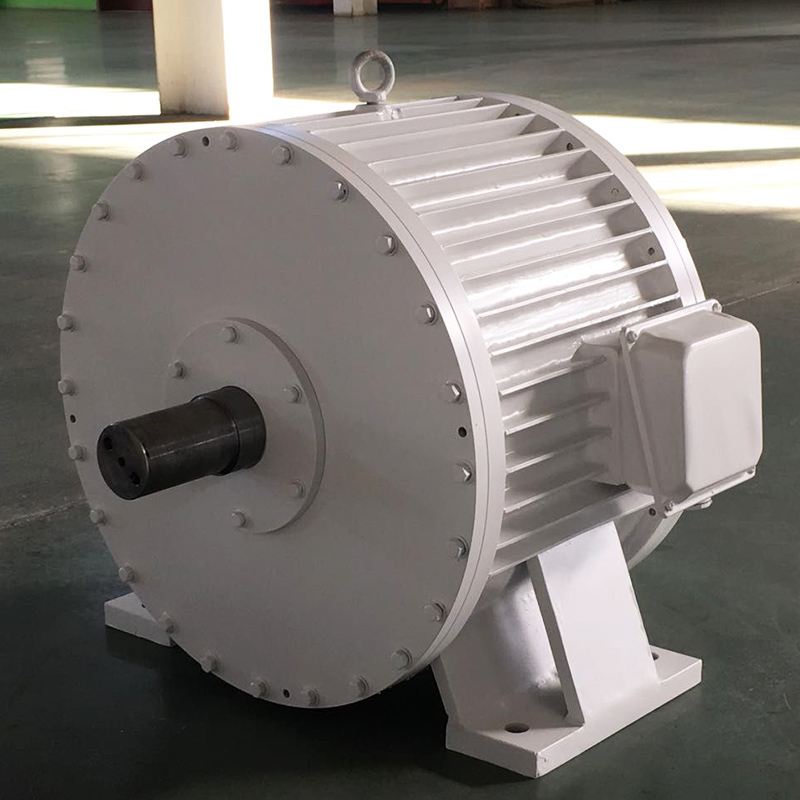
Quality evaluation of low RPM generators is critical to ensuring reliable performance. Start by examining the manufacturer's certifications and quality control processes. Reputable manufacturers, like Jiangsu DHC Environmental Si-Tech Co., Ltd., often have stringent quality assurance systems in place, including ISO certifications that attest to their manufacturing standards.
Next, request detailed product specifications and performance data. Understanding the operational limits—such as maximum load capacity, efficiency ratings, and noise levels—can help you select a generator that meets your needs.
It’s also advisable to review customer feedback and case studies to gain insights into the generator's real-world performance. Furthermore, conducting a sample approval process can be beneficial. Testing a sample unit under your specific operational conditions can uncover potential issues before mass production, ensuring that the generator meets your expectations.
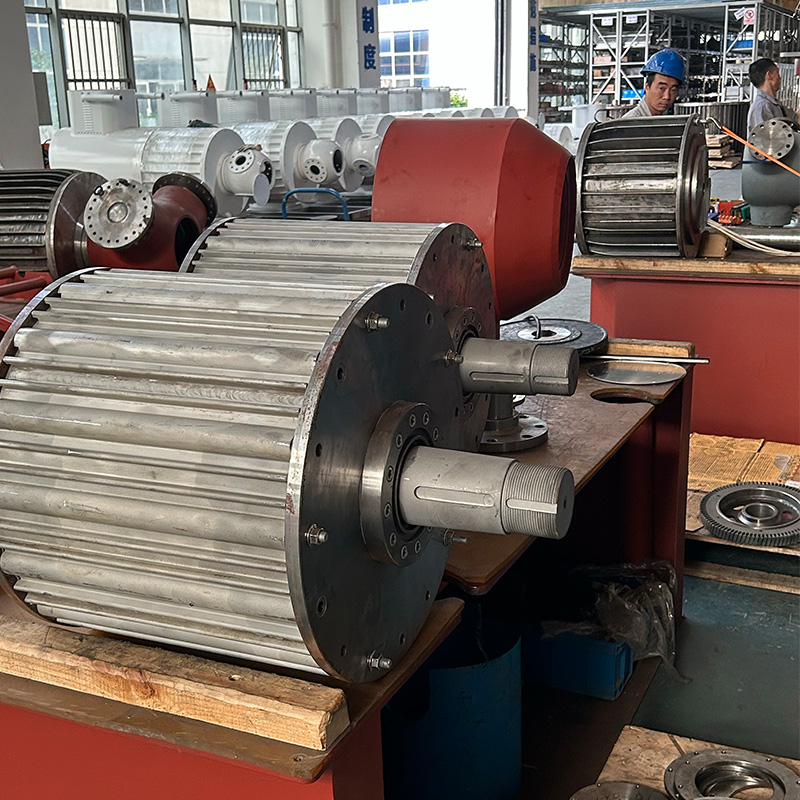
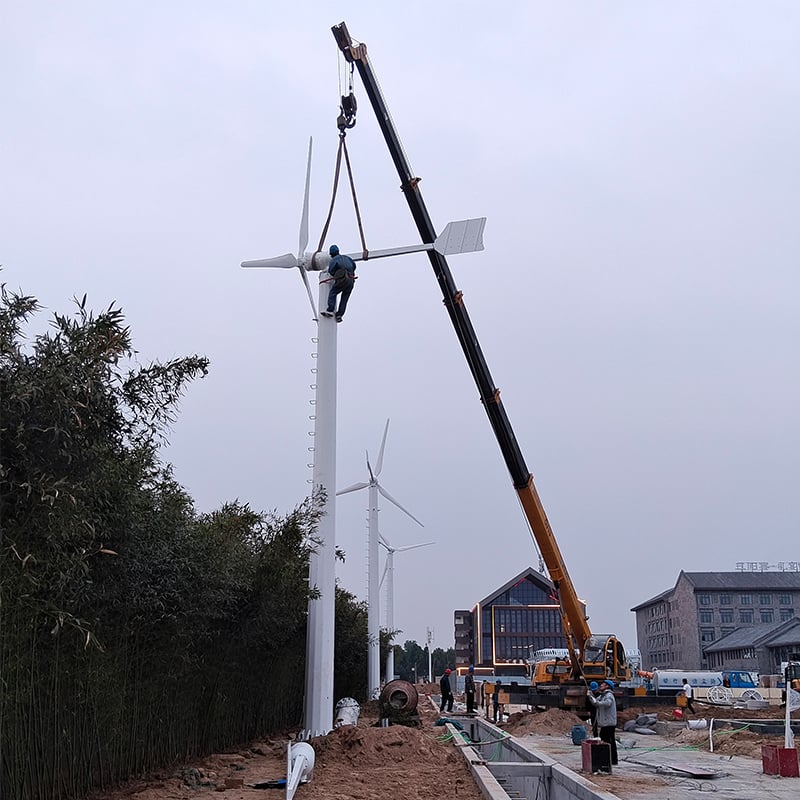
Proper installation of low RPM generators is crucial for optimal performance. Start by reviewing the installation manual provided by the manufacturer. This document typically includes vital information about site preparation, electrical connections, and safety protocols.
Ensure that the installation site is suitable, considering factors such as exposure to extreme weather conditions and accessibility for maintenance. Generators should be placed on stable, level ground to minimize vibrations and ensure efficient operation.
When installing the generator, pay close attention to the electrical connections. Ensure that all wiring is conducted according to local regulations and manufacturer specifications to avoid electrical faults. It’s also wise to install surge protection devices to safeguard the generator against voltage spikes.
Finally, after installation, conduct a thorough commissioning process to verify that all systems are functioning correctly. This step may involve testing the generator under load conditions to ensure that it performs as expected before entering full operational mode.
primary products wind turbines, solar panels and lifepo4 batteries. customers will receive a one-stop-shop service the integration and wind turbine generator a wind-solar hybrid as well as smart photovoltaic system. DHC provides reliable products, technologies, and after-sales service to customers with excellent delivery capability.
We're Eolic generator meeting commercial domestic electricity needs with wind/solar power system. can provide our customers with tailored solutions through skilled supply chain management capabilities and capabilities for integration. We'll provide high-quality service all hours of day beginning with design, production and after-sales.
As leading brand wind-powered hybrid power systems DHC is only company with its own wind turbine factory, which combines R D, design, production, technical services. Since 2009 founders have embraced the idea of protecting the environment, immersed new technologies, and Wind turbine for home 5kw by the corporate values that focuses "diligence and integrity, as well as cooperation and creativity." This is also the origin of our name "DHC".
Our commitment integrity the foundation of our business. We provide genuine power products and provide skilled service. Regarding wind turbines can pay attention is important to committed to preserving integrity as the primary goal of our enterprise, and we offer customers real power products and professional services. It is possible to consider factors such as blade diameter as well as wind turbine weight when Wind turbine for home 5kw wind turbines. We ensure that all products made by DHC are based on actual power output and not overinflated power.
When sourcing low RPM generators wholesale, several cost factors need to be taken into account. First, the purchase price is influenced by the generator's specifications, including power output, efficiency, and customization options. Higher efficiency models may come at a premium but can offer long-term savings through reduced energy costs.
Additionally, consider the total cost of ownership, which includes installation, maintenance, and potential repair costs. A generator that is more expensive upfront may save you money over time if it requires less maintenance and operates more efficiently.
Another cost consideration is the order quantity. Many manufacturers, including Jiangsu DHC Environmental Si-Tech Co., Ltd., may offer discounts for bulk orders, so it’s beneficial to assess your projected needs carefully. Be sure to verify the minimum order quantities (MOQ) and lead times, as these factors can affect your overall budget and project timeline.
Lastly, shipping costs can vary significantly based on the weight and dimensions of the generators. Understanding the logistics involved can help you plan and budget accordingly, ensuring a smooth procurement process.
Welcome to DHC, the top brand of wind solar hybrid power system! We provide innovative and effective new energy solutions including wind turbine, solar panel, lifepo4 battery, etc.
 EN