
Low RPM magnet generators are specialized devices designed to efficiently convert mechanical energy into electrical energy at lower rotational speeds. As businesses increasingly seek sustainable energy solutions, understanding how to select the right low RPM magnet generator is crucial. This article will address common concerns such as specifications, sourcing, quality considerations, and installation challenges, providing practical guidance for B2B buyers looking to integrate these generators into their renewable energy systems.
Selecting the right low RPM magnet generator involves understanding your specific application requirements. Key considerations include the generator's power output, efficiency, size, and compatibility with existing systems.
Power Output: Assess the energy demands of your project. Low RPM magnet generators typically produce power outputs ranging from a few hundred watts to several kilowatts. Ensure that the generator can meet your anticipated load requirements.
Efficiency: Look for generators with high efficiency ratings, as this will directly impact operational costs. An efficient generator minimizes energy losses and maximizes the return on investment over time.
Size and Installation: Consider the physical dimensions of the generator, especially if space is limited. Ensure that the generator can be easily integrated into your existing setup without requiring extensive modifications.
Application Compatibility: Evaluate whether the generator is designed for your specific application, whether it be wind, solar, or hybrid systems. Compatibility with your energy source is critical for optimal performance. For instance, a Wind Turbine can be a suitable option depending on your energy needs.
Customization: Depending on your application, you may require custom features such as specific mounting options, electrical connections, or performance characteristics. Discuss customization options with your supplier to ensure the generator meets all your needs.
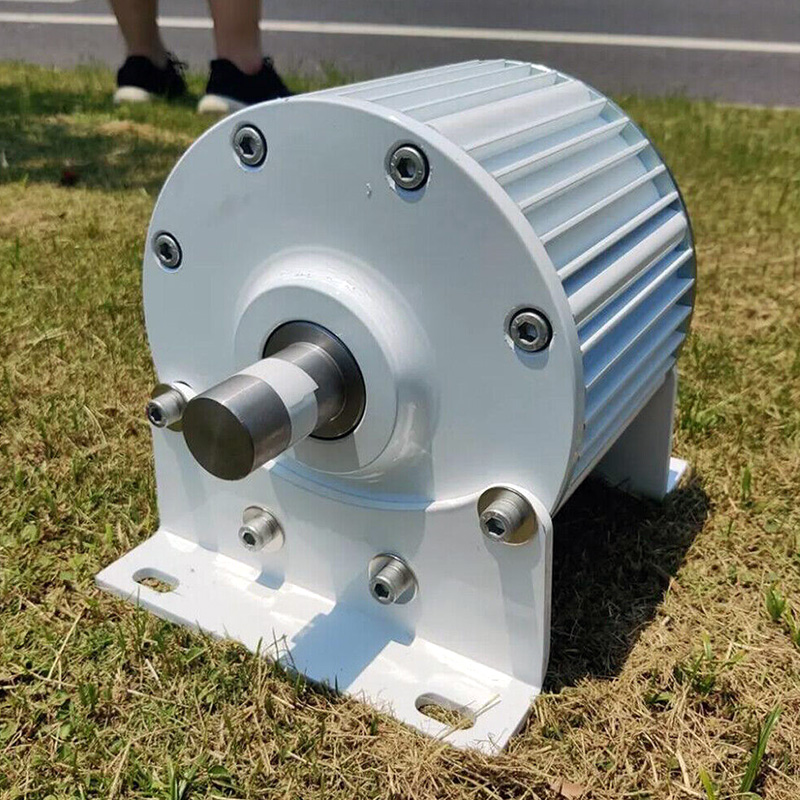
When purchasing low RPM magnet generators in bulk, there are several factors to consider to ensure a successful transaction.
Minimum Order Quantity (MOQ): Different manufacturers may have varying MOQs. Establish your needs and negotiate the MOQ that suits your project while considering potential future demand.
Pricing Structures: Request a detailed quotation that includes all costs, such as unit price, shipping, and any applicable taxes. Bulk purchasing may provide cost advantages, so inquire about discounts for larger orders.
Lead Time: Understand the lead time associated with your order. Factors such as manufacturing capacity and current demand can affect delivery schedules. Ensure that the lead time aligns with your project timelines.
Supplier Reputation: Research potential suppliers thoroughly. Look for reviews, case studies, or testimonials from other buyers to gauge their reliability and quality of service. Established companies with a strong track record, like Jiangsu DHC Environmental Si-Tech Co., Ltd., offer reassurance in product quality and customer support, especially in areas like Wind Solar Hybrid Power System.
Warranty and Support: Discuss warranty terms and after-sales support. A solid warranty can provide peace of mind, while responsive support ensures you can address any issues that arise post-purchase.
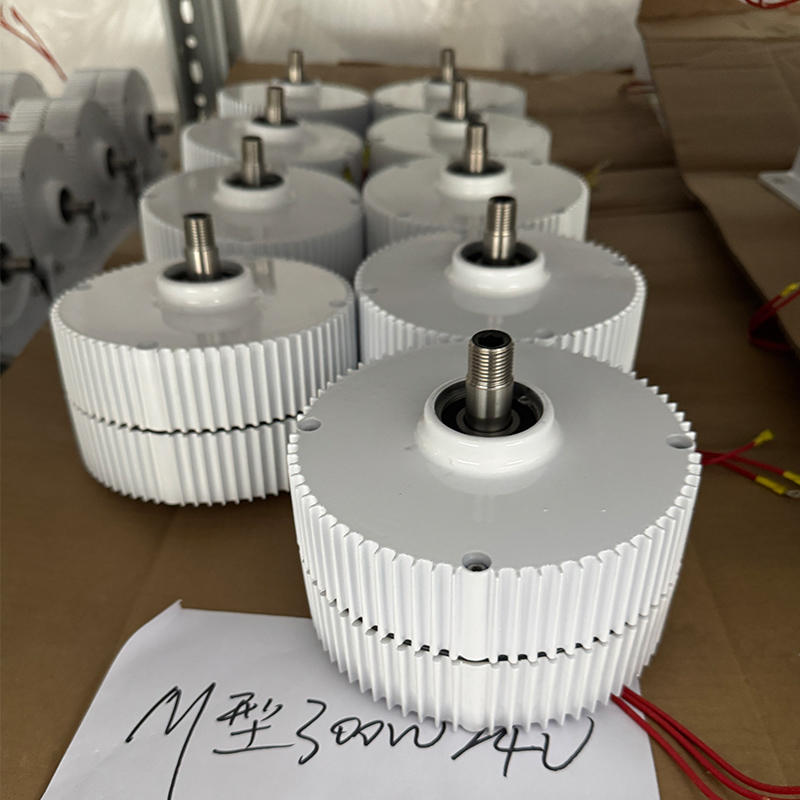
Sourcing reliable low RPM magnet generators involves evaluating potential suppliers based on their expertise, product offerings, and service capabilities.
Manufacturers: Directly sourcing from reputable manufacturers can provide the best assurance of quality and support. Look for manufacturers with experience in renewable energy solutions, like Jiangsu DHC Environmental Si-Tech Co., Ltd., known for their wind and solar hybrid systems.
Distributors: Established distributors can offer a wide range of products and may have stock available for quicker delivery. Ensure they have a solid reputation for customer service and product quality.
Industry Trade Shows: Attending industry trade shows can provide insights into the latest technologies and allow you to meet suppliers face-to-face. This personal interaction can facilitate better relationships and understanding of product offerings.
Online Marketplaces: While online platforms can provide access to various suppliers, exercise caution. Verify the credibility of sellers through reviews and by requesting references before making a purchase.
Networking: Utilize industry networks and forums to seek recommendations from peers. Engaging with others in the renewable energy sector can lead to valuable insights on reliable suppliers.
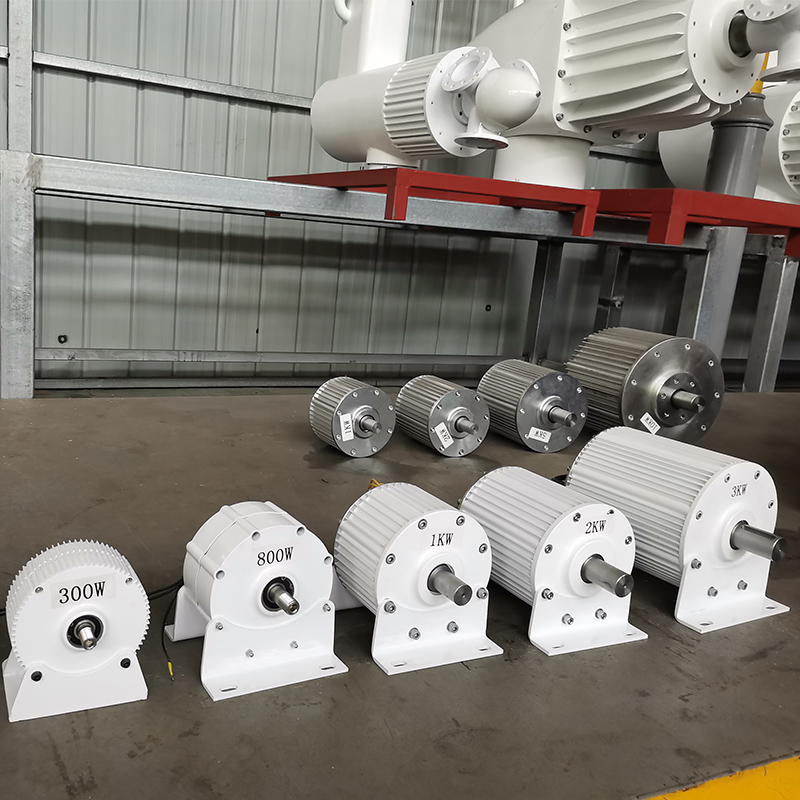
Balancing quality and cost is crucial when purchasing low RPM magnet generators.
Material Quality: Evaluate the materials used in the construction of the generator. Higher-quality materials may lead to better durability and efficiency, ultimately saving costs in maintenance and replacement.
Manufacturing Standards: Ensure that the manufacturer adheres to recognized quality standards and certifications. This can include ISO certifications or industry-specific validations that reflect their commitment to quality.
Testing Procedures: Inquire about the testing procedures the manufacturer employs. Comprehensive testing prior to shipping can help ensure the product meets performance specifications.
Long-term Costs: Consider the total cost of ownership, which includes not only the purchase price but also installation, maintenance, and potential operational costs. A slightly higher upfront cost may be justified by lower long-term expenses due to higher efficiency and reliability.
Customization Impact: Custom features may influence both price and performance. Clarify how any customizations might affect the overall cost and whether they are necessary for your application.
Solar wind power systems are the main focus our wind turbine and generator. can provide our customers with custom solutions using expert supply chain management capabilities the ability to integrate. will offer you high-quality service all hours of day from production to design and after-sales.
DHC the top brand in the wind solar hybrid power system. It has own manufacturing facility that incorporates R D and design, production, technical support. Since 2009 our founders have embraced the idea of protecting environment by embracing new technology and embraced 15kw wind turbine for home culture "diligence and honesty, as well as cooperation and creativity." This also the basis of our brand "DHC".
Integrity is foundation of our company. offer real power equipment, as well as skilled Wind turbine. In the case of wind turbines, {you can pay attention it is important to commitment to integrity the basis of our business. We provide genuine power equipment, as well as expert service. Consider parameters such as blade diameter as well as wind turbine weight when looking at wind turbines. DHC promises that its products are able to deliver real power without exaggerating the power.
main products include wind Wind turbine for home 5kw solar panels. Customers can avail an all-in-one service integration development of wind-solar hybrids as well as smart photovoltaic system. With excellent delivery ability, DHC provides reliable technologies and products, as well as after-sales service customers.
Installing low RPM magnet generators can present unique challenges; however, being aware of these can help mitigate issues.
Space Limitations: Ensure that the installation site has adequate space for the generator and any necessary components. Planning for potential future maintenance access is equally important.
Electrical Compatibility: Verify that the generator’s output is compatible with your existing electrical systems. Mismatched voltages or frequencies can lead to operational issues.
Mechanical Alignment: Proper alignment between the generator and the power source is critical. Misalignment can cause excessive wear and tear, reducing the lifespan of the generator. Use alignment tools and follow manufacturer guidelines during installation.
Environmental Factors: Consider environmental conditions such as temperature, humidity, and exposure to elements. Ensure that the generator is installed in a location that protects it from extreme weather or harsh conditions.
Post-Installation Testing: Conduct thorough testing once the generator is installed. This includes checking for proper operation, ensuring connections are secure, and validating that it meets the expected performance standards.
By addressing these aspects, buyers can make informed decisions regarding low RPM magnet generators, ensuring that their investments lead to effective renewable energy solutions.
Welcome to DHC, the top brand of wind solar hybrid power system! We provide innovative and effective new energy solutions including wind turbine, solar panel, lifepo4 battery, etc.






 EN