
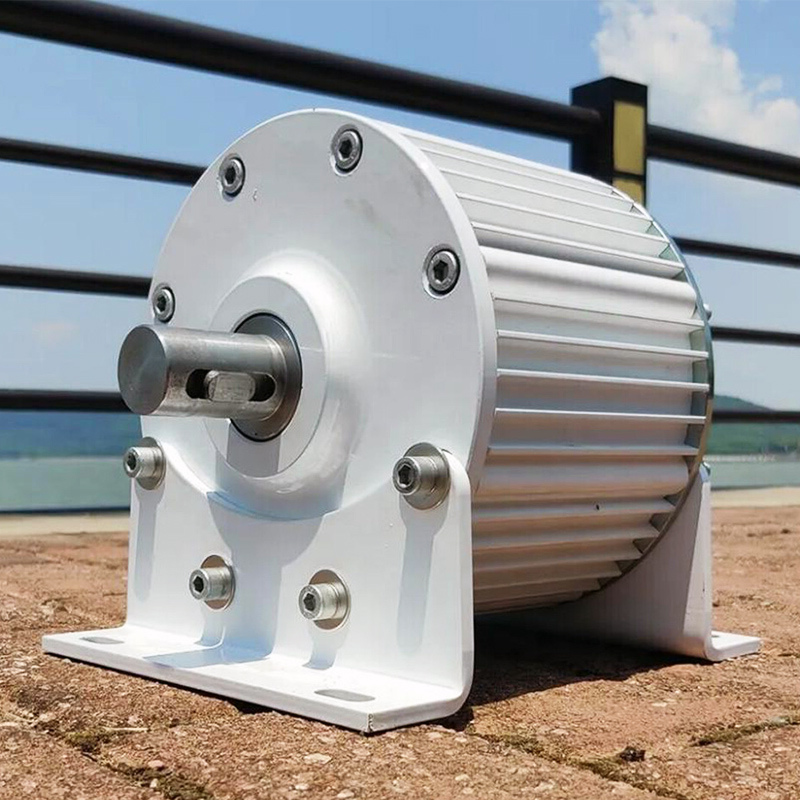
Low speed permanent magnet generators (PMPGs) are essential components in renewable energy systems, especially in applications involving wind and solar hybrid systems. These generators provide reliable energy output while being highly efficient and low maintenance. For B2B buyers, understanding the specific characteristics and sourcing options of low speed PMPGs is crucial for making informed purchasing decisions. This article will delve into key specifications, sourcing strategies, cost factors, installation challenges, and troubleshooting solutions, all aimed at assisting purchasing managers, engineers, and product managers in their evaluation process.
When selecting a low speed permanent magnet generator, several key specifications should be considered:
Rated Power Output: This defines the amount of electricity the generator can produce under optimal conditions. Buyers should match the generator's power output with their specific energy needs to ensure efficiency.
Operating Speed Range: Low speed PMPGs typically operate efficiently at lower RPMs compared to conventional generators. Understanding the required speed range for your application is essential, as it affects performance and compatibility with wind or solar systems.
Voltage Output: The generator's voltage output should align with the electrical specifications of the connected systems. Common outputs include 12V, 24V, or 48V, depending on the application.
Efficiency Rating: Look for efficiency ratings that indicate how well the generator converts mechanical energy into electrical energy. Higher efficiency can lead to better performance and lower operational costs.
Durability and Material Composition: The materials used in the generator's construction, such as corrosion-resistant alloys or high-strength composites, play a role in its longevity and suitability for various environments.
Ensuring that these specifications meet the demands of your application will help avoid operational issues and optimize performance. For instance, considering a Home Solar Powered Heat Pump System 5.4kW PVT Panels with 6P Heat Pump can enhance your overall energy efficiency.
Sourcing low speed PMPGs from reliable suppliers is critical for ensuring product quality and performance. Here are some strategies for finding trustworthy manufacturers:
Industry Trade Shows: Attending trade shows focused on renewable energy and electrical engineering provides opportunities to meet manufacturers, view their products firsthand, and discuss specific needs.
Supplier Directories: Utilize online supplier directories and B2B marketplaces that feature verified manufacturers. Look for those with positive reviews and a track record in the renewable energy sector.
Partnerships and Recommendations: Leverage existing partnerships or seek recommendations from industry peers. Suppliers with a proven history of reliability can often provide better support and product knowledge.
Manufacturer Certifications: Ensure that potential suppliers hold relevant certifications, such as ISO 9001 for quality management systems. This indicates a commitment to maintaining high standards in production.
Customization Capabilities: Engage with suppliers who offer customization options to meet specific project requirements. This flexibility can be crucial for unique applications or performance needs.
By employing these sourcing strategies, buyers can establish partnerships with manufacturers who ensure the quality and reliability of low speed PMPGs.
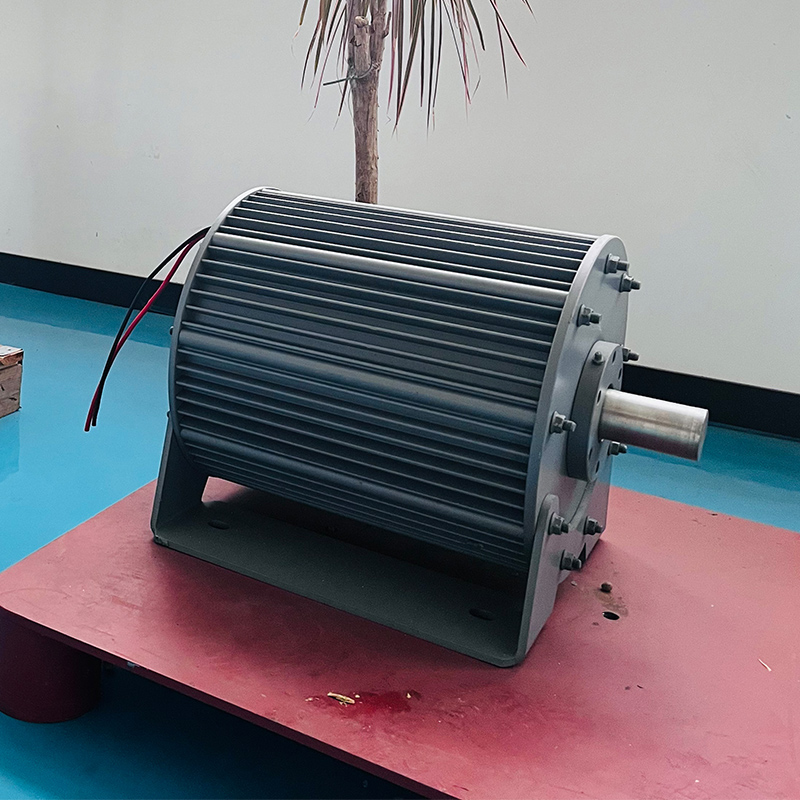
Understanding the cost factors associated with low speed permanent magnet generators is essential for budgeting and financial planning. Key considerations include:
Initial Purchase Price: This includes the base cost of the generator, which can vary significantly based on specifications, materials, and manufacturer.
Shipping and Handling Fees: Consider the logistics of sourcing your generator, including shipping costs, tariffs, and any handling fees that may apply, especially for international orders.
Installation Costs: Factor in the costs associated with installation, which may require specialized labor or equipment. Proper installation is critical for optimal generator performance.
Maintenance and Operational Costs: While low speed PMPGs are typically low maintenance, occasional servicing may be necessary. Understanding long-term operational costs can help in assessing the total cost of ownership.
Volume Discounts: For large orders, inquire about volume discounts or pricing structures that can significantly reduce the overall cost per unit.
Evaluating these cost factors will enable buyers to make informed decisions that align with their budget and project requirements.
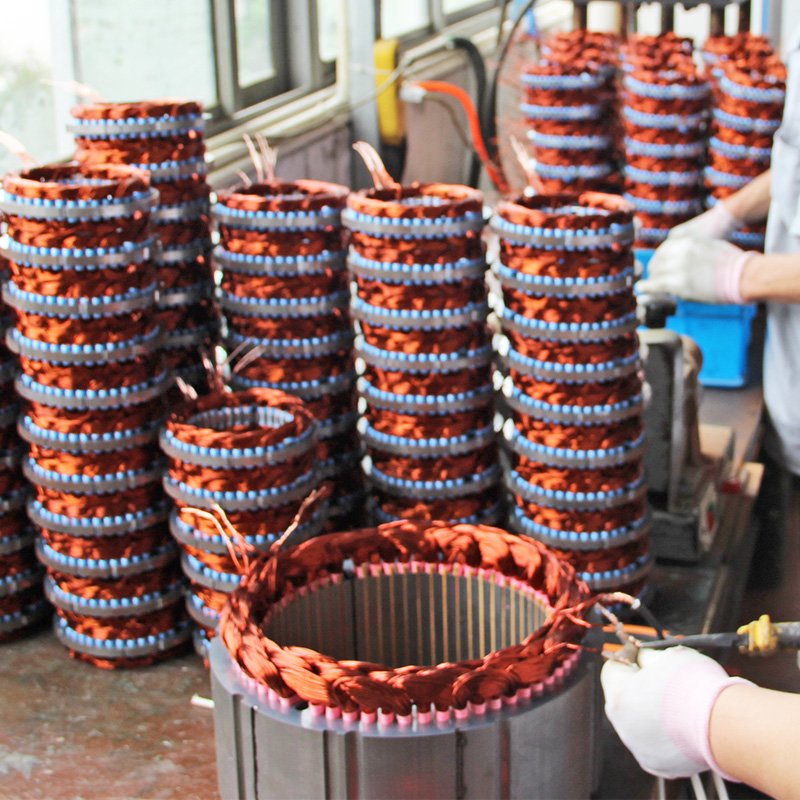
Installing low speed PMPGs can present specific challenges that buyers should anticipate:
Site Preparation: The installation site must be adequately prepared, including ensuring appropriate foundations and access for installation crews. Improper site preparation can lead to operational inefficiencies or equipment failure.
Electrical Compatibility: Ensuring that the generator’s electrical output is compatible with existing systems is crucial. Mismatches can cause performance issues or damage.
Mechanical Alignment: Proper alignment with turbines or other energy sources is essential. Misalignment can lead to excessive wear and reduced efficiency.
Environmental Considerations: Depending on the installation location, environmental factors such as wind conditions, temperature ranges, and moisture levels must be considered, as they can impact the generator's performance.
Regulatory Compliance: It’s important to ensure that the installation complies with local regulations and standards. This may require permits or inspections, which can add time and complexity to the installation process.
Addressing these challenges during the planning phase can lead to a smoother installation process and better long-term performance.
are dedicated to meeting commercial domestic electricity needs with wind solar power system. able to provide customers with fully customized solutions with our professional capability managing supply chains capabilities 15kw wind turbine for home. We'll provide professional service throughout day beginning with design, production and after-sales.
primary products wind turbines, solar panels and lifepo4 batteries. customers will receive a one-stop-shop service the integration and Eolic generator a wind-solar hybrid as well as smart photovoltaic system. DHC provides reliable products, technologies, and after-sales service to customers with excellent delivery capability.
We dedicated to upholding integrity as cornerstone of our business, offering customers genuine power products expert services. In the case of wind turbines can pay attention is important to committed to keeping integrity as the cornerstone of business, offering customers the best power products as well as 15kw wind turbine for home services. Consider parameters such as blade diameter and wind turbine's weight when you evaluate wind turbines. We promise that all products manufactured by DHC have real power output without exaggerated power.
As leading brand in wind-powered hybrid power systems DHC is the only company with own wind turbine factory integrating R D development, design, production technical services. Since 2009 our founders have embraced idea of protecting the environment, immersed in new technology, and embraced company's Vertical wind turbine that focuses on "diligence and honesty, as well as cooperation and innovation." Our DHC brand DHC is a result of this.
Despite their advantages, users may encounter problems with low speed permanent magnet generators. Here are some common issues and their solutions:
Insufficient Power Output: If the generator does not produce the expected output, check the operating speed and ensure it aligns with the generator's specifications. Additionally, inspect for any obstructions or mechanical failures that may hinder performance.
Vibration Issues: Excessive vibrations can indicate misalignment or imbalance. Conduct a thorough inspection to realign components or adjust the installation settings.
Electrical Failures: Regularly inspect electrical connections to ensure they are secure and free from corrosion. Implementing a routine maintenance schedule can help mitigate these issues.
Overheating: If the generator overheats, assess the cooling systems or airflow around the unit. Overheating can cause premature failure and should be addressed immediately.
Lack of Maintenance: Establish a regular maintenance plan that includes checking the bearings, lubricating moving parts, and ensuring all components are in good condition to prevent problems before they arise. Additionally, consider integrating a Residential 3kW PVT Solar Panel 2kW Wind Turbine 6P Air Source Heat Pump System for enhanced support.
By preparing for these issues and implementing proactive maintenance strategies, buyers can enhance the reliability and longevity of their low speed permanent magnet generators.
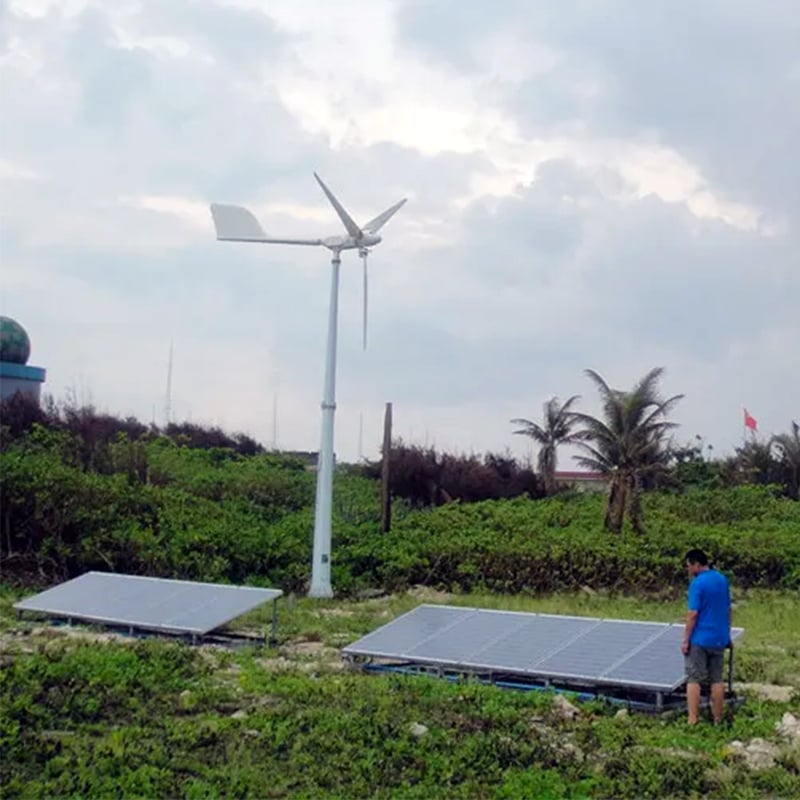
Welcome to DHC, the top brand of wind solar hybrid power system! We provide innovative and effective new energy solutions including wind turbine, solar panel, lifepo4 battery, etc.
 EN