
Mini hydro electric generators are compact systems designed to convert the kinetic energy of flowing water into electrical energy. These generators are increasingly popular among businesses and organizations seeking renewable energy solutions, especially in rural or off-grid locations. As a B2B buyer, your main concerns may include efficiency, cost-effectiveness, compatibility with existing infrastructure, and durability. This article will guide you through the key specifications, purchasing considerations, applications, and common issues associated with mini hydro electric generators, helping you to make informed decisions.
When selecting a mini hydro electric generator, understanding key specifications is crucial for ensuring optimal performance and compatibility with your energy needs. Here are the primary specifications to consider:
Capacity: This indicates the maximum power output the generator can produce, typically measured in kilowatts (kW). Assess your energy requirements to choose a generator with adequate capacity.
Water Flow Rate: The efficiency of a mini hydro generator heavily depends on the water flow rate, measured in liters per second (L/s). Ensure the generator is compatible with the specific flow conditions in your installation area.
Head Height: This refers to the vertical distance the water falls. A higher head can generate more power. Evaluate the geographical conditions of your site to determine the effective head height for your generator.
Efficiency Rating: The efficiency of a generator indicates how well it converts hydraulic energy into electrical energy. Look for models with high efficiency ratings to maximize energy output.
Material Quality and Durability: Generators should be made from corrosion-resistant materials, especially if they will be exposed to water. This ensures longevity and reduces maintenance costs.
Installation Requirements: Consider the physical dimensions and weight of the generator, as well as any specific installation needs. Ensure that your site can accommodate these requirements.
Understanding these specifications will help you make an informed decision, ensuring the selected mini hydro electric generator aligns with your energy goals and site conditions.
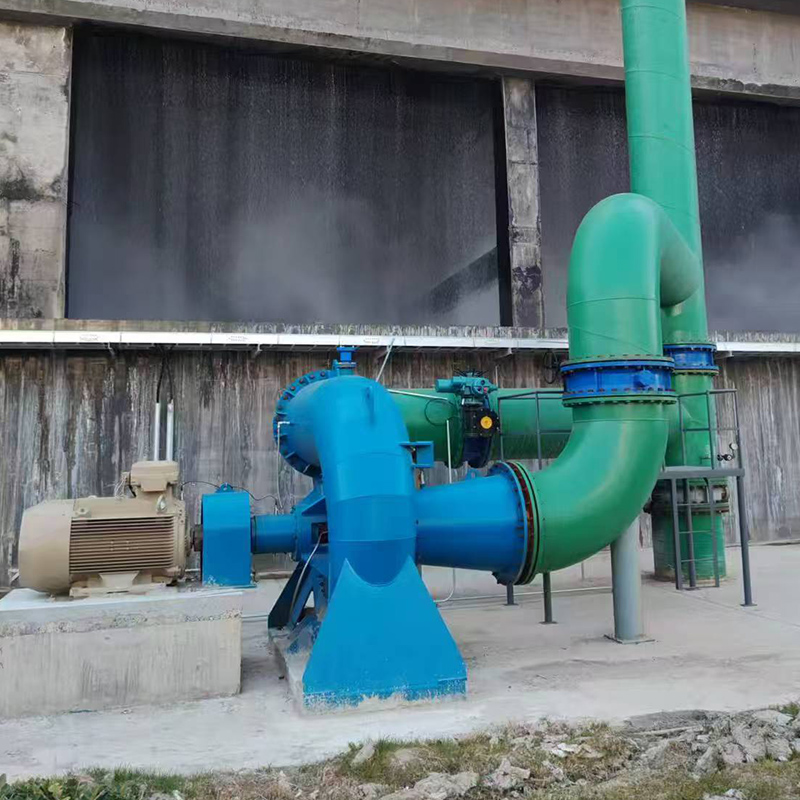
Purchasing a mini hydro electric generator involves several steps to ensure you make the right choice for your needs:
Assess Energy Needs: Start by evaluating your energy consumption patterns. Calculate the kW required to power your operations or facilities.
Evaluate Site Conditions: Analyze the geographical features of your site, including water flow rates and head height. This information will help determine the generator's capacity and efficiency.
Research Manufacturers: Identify reputable manufacturers like Jiangsu DHC Environmental Si-Tech Co., Ltd. that specialize in mini hydro systems. Consider their experience, product range, and customer reviews. For example, you may want to explore options like 10Kw 20Kw 30Kw Small Water Turbine Micro Hydro Generator for various applications.
Request Quotations: Prepare an RFQ that includes your specific requirements, such as capacity, installation needs, and budget. Reach out to multiple suppliers to compare pricing and specifications.
Review Specifications: Carefully assess the specifications provided in the quotations. Ensure they align with your site conditions and energy requirements.
Check References: If possible, contact other buyers who have purchased similar generators from the manufacturers you are considering to gain insights into their performance and reliability.
Evaluate After-Sales Support: Consider the level of support offered post-purchase. This includes warranty terms, maintenance services, and availability of spare parts.
By following this structured approach, you can ensure that your investment in a mini hydro electric generator meets your operational needs and sustainability goals.
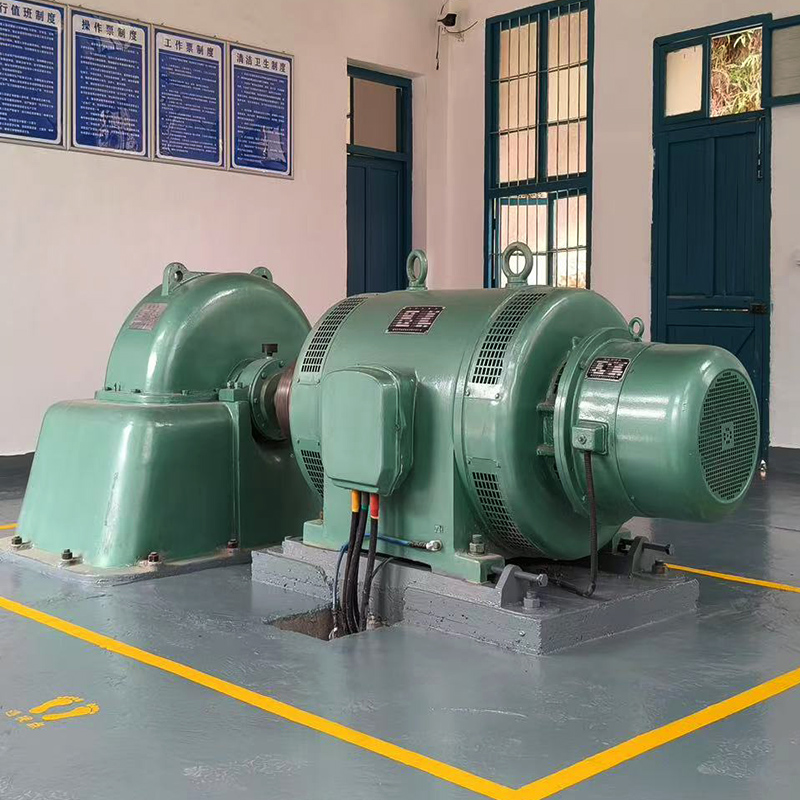
The cost of a mini hydro electric generator can vary significantly based on several factors. Understanding these can help you budget appropriately:
Generator Capacity: Generally, higher-capacity generators come with a higher price tag. Assess your actual needs to avoid overspending on unnecessary capacity.
Installation Costs: Installation is a critical aspect that can add to the overall cost. Factors influencing installation costs include site preparation, labor, and any required civil works.
Material Quality: Generators constructed from high-quality, durable materials may have a higher initial cost but can reduce maintenance and replacement costs in the long run.
Customization: If you require a generator tailored to specific needs, customization can lead to increased costs. Ensure that the benefits of customization align with your operational goals.
Maintenance and Operating Costs: Consider ongoing costs such as maintenance, potential repairs, and operational expenses. Some models may require more frequent maintenance than others.
Logistics and Shipping: Depending on your location, shipping costs can vary. Be sure to include these in your overall budget when evaluating suppliers.
By understanding these cost factors, you can make a more informed financial decision when selecting a mini hydro electric generator that aligns with your budget and operational goals.
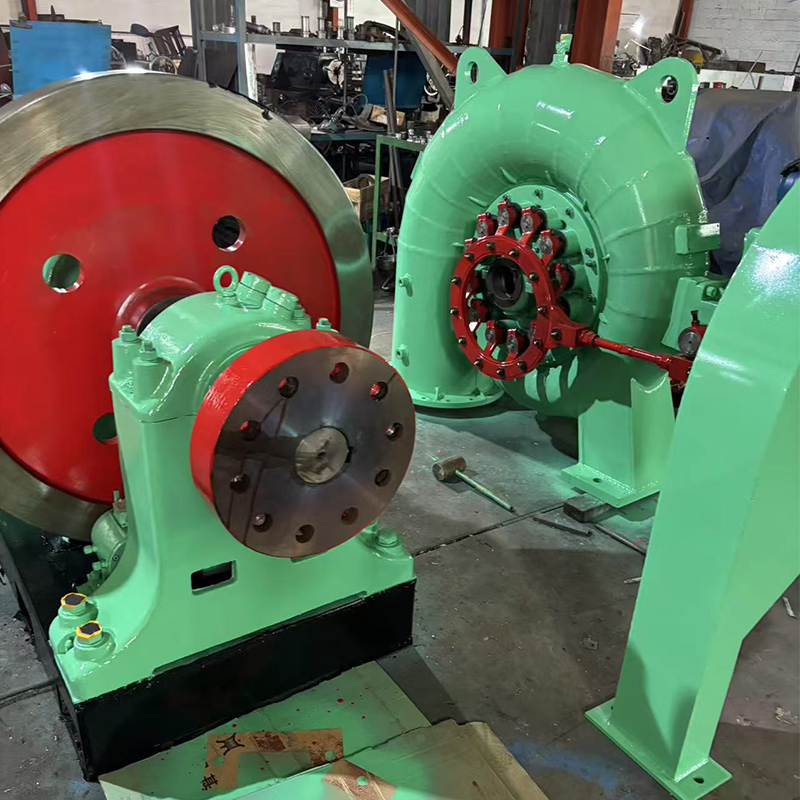
Mini hydro electric generators find applications across various sectors, including:
Agriculture: Farmers utilize mini hydro systems to power irrigation systems, reducing reliance on conventional energy sources and lowering operational costs.
Rural Electrification: In remote or rural areas, these generators provide a sustainable energy solution, enabling communities to access electricity for homes, schools, and healthcare facilities.
Industrial Operations: Manufacturing facilities can use mini hydro generators to offset energy costs and improve sustainability measures.
Tourism and Recreation: Resorts and campsites located near water bodies often use mini hydro systems to provide green energy solutions, enhancing their eco-friendly appeal.
Research Institutions: Universities and research organizations may implement mini hydro systems for experimental purposes or to power remote research stations. Additionally, they might consider integrating systems like the Residential 3kW PVT Solar Panel 2kW Wind Turbine 6P Air Source Heat Pump System for comprehensive energy solutions.
Understanding the various applications of mini hydro electric generators can help you determine their suitability for your specific industry and operational needs.
As most sought-after brand of wind solar hybrid power systems, DHC has own wind turbine factory integrating R D design, production and technical support. founders of DHC have been working on the idea green 5000w wind turbine protection since 2009 and immersed in the world of renewable energy adhering to the company's values "diligence as well as honesty, cooperation and innovation." Our DHC brand DHC is the result of this.
We're dedicated solving commercial residential electrical needs utilizing a solar/wind power system. With professional supply chain management and integration capabilities, are able to provide customers with completely customized solutions. We'll provide high-quality service all hours of day from Wind turbine for home 5kw to design and after-sales.
Our main products include wind turbines solar panels. can provide customers with all-in-one service for design and integration smart photovoltaic systems, as well as wind-solar hybrid systems. DHC is reliable supplier products, technologies after-sales 2kw vertical wind turbine customers with its excellent delivery capability.
Integrity the cornerstone of company. offer real power solutions offer an expert service. {When it comes to wind turbines, {you can pay attention it is important to Integrity is the foundation our company. We offer real power equipment, as well as skilled service. You can consider parameters like blade diameter as well as wind you should pay attention aspects like blade's diameter as well as weight. promise that all products produced by DHC come with Vertical wind turbine power output and not overinflated power.
While mini hydro electric generators are efficient and reliable, they can encounter common issues. Here are a few problems and their solutions:
Variable Water Flow: Inconsistent water flow can affect output. To mitigate this, monitor seasonal variations and consider installing a storage system to regulate flow.
Mechanical Failures: Regular maintenance is crucial to avoid mechanical issues. Implement a scheduled maintenance plan that includes inspections of moving parts and electrical systems.
Corrosion: Exposure to water and the environment can lead to corrosion. Select generators made from corrosion-resistant materials and perform regular inspections to address any wear and tear.
Noise Pollution: Some generators can be noisy during operation. If noise is a concern, consider models designed for quieter operation or implement sound dampening measures.
Installation Challenges: Poor installation can lead to inefficiencies. Ensure that qualified professionals handle the installation and that all specifications are followed. Moreover, exploring options like the Home Solar Powered Heat Pump System 5.4kW PVT Panels with 6P Heat Pump can provide additional benefits.
By being aware of these common issues and their solutions, you can enhance the longevity and effectiveness of your mini hydro electric generator, ensuring it meets your energy needs effectively.
Welcome to DHC, the top brand of wind solar hybrid power system! We provide innovative and effective new energy solutions including wind turbine, solar panel, lifepo4 battery, etc.






 EN