
Understanding the pricing of permanent magnet generators (PMGs) is essential for B2B buyers in the renewable energy sector, especially as these generators play a critical role in wind and solar hybrid systems. Factors such as application requirements, technological specifications, and supplier capabilities can influence costs significantly. This article will help purchasing managers, engineers, and other professionals grasp the factors affecting permanent magnet generator prices, enabling informed decisions when sourcing these essential components. For instance, the integration of a Wind Solar Hybrid Power System can enhance the efficiency of PMGs.
Several factors can influence the price of permanent magnet generators, including the materials used, manufacturing processes, and specific technical specifications.
Materials: The quality and type of materials used in the magnets and other components directly impact performance and longevity. High-grade neodymium magnets, for instance, may increase costs but offer superior performance.
Manufacturing Capabilities: The complexity of the manufacturing process can also affect pricing. More advanced manufacturing techniques, such as precision machining and quality control measures, increase overall costs but can result in higher efficiency and better reliability.
Customization: If a buyer requires specific configurations or adaptations for their application, this can lead to increased costs. Customization often entails additional engineering time and specialized components.
Supply Chain Factors: Fluctuations in the supply chain, including material shortages or transportation costs, can also significantly impact generator prices. Establishing strong supply chain partnerships, as Jiangsu DHC Environmental Si-Tech Co., Ltd. has done, can mitigate some of these costs.
Market Demand: The demand for renewable energy solutions typically drives the pricing of PMGs. As more organizations seek sustainable energy sources, competition can influence pricing dynamics.
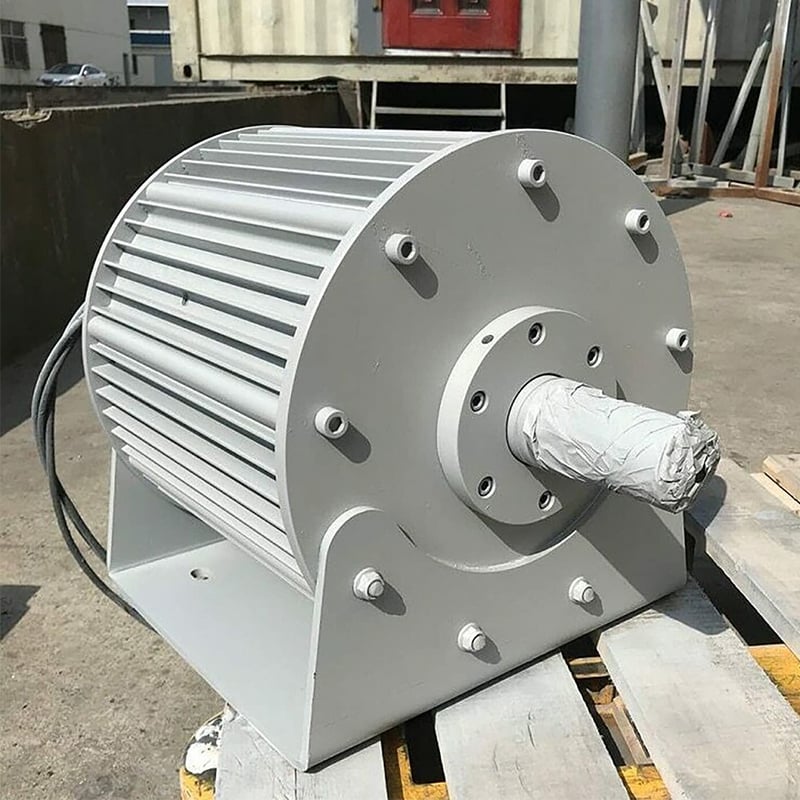
When looking to purchase permanent magnet generators at wholesale prices, it is important to identify reliable suppliers who specialize in renewable energy technologies. Here are some strategies to source high-quality generators:
Industry Trade Shows: Attend renewable energy trade shows where manufacturers showcase their latest technologies. This provides an opportunity to meet suppliers directly and assess their product offerings.
Online Platforms: Utilize B2B marketplaces and supplier directories that focus on renewable energy products. Look for suppliers with strong reputations and verified customer feedback.
Direct Manufacturer Contact: Building relationships with manufacturers like Jiangsu DHC Environmental Si-Tech Co., Ltd. can provide access to competitive pricing and customized solutions. Direct communication allows for better negotiation and understanding of product specifications. For example, their offerings include Container Energy Storage Battery systems that complement PMGs.
Quality Certifications: Always verify that potential suppliers have relevant quality certifications, such as ISO standards. This ensures that their products meet industry benchmarks for performance and safety.
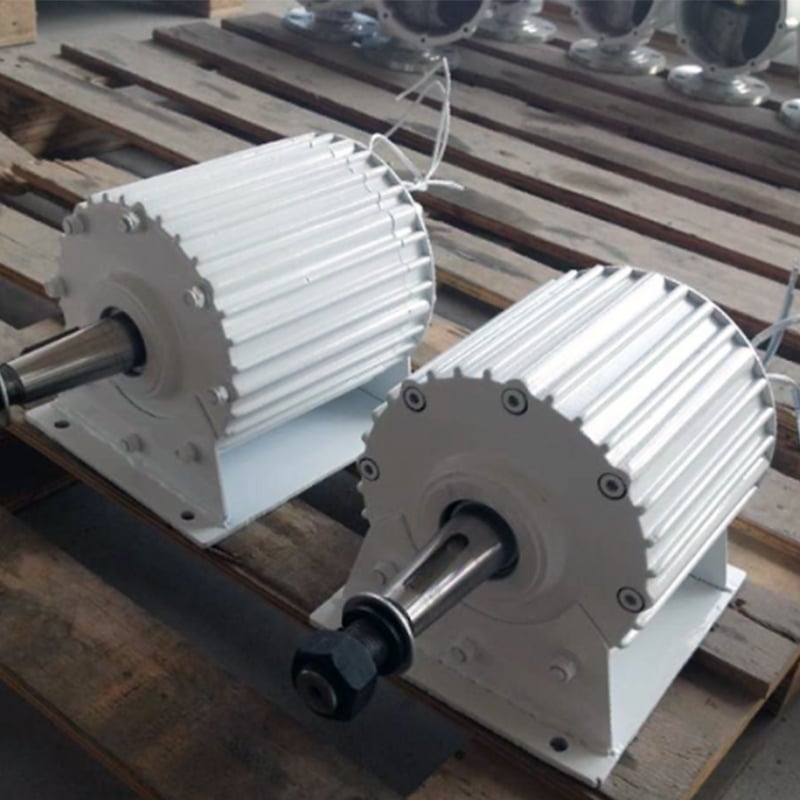
When evaluating permanent magnet generators, several key specifications should be taken into account to ensure the selected product meets application needs:
Rated Power Output: This indicates the maximum power the generator can produce. It must align with the energy requirements of the intended application, whether it's for residential use, farms, or distributed power stations.
Efficiency Ratings: Look for generators with high efficiency ratings, as they convert more mechanical energy into electrical energy, leading to better energy utilization and cost savings.
Physical Dimensions: Ensure that the size and weight of the generator fit within the intended installation area. Space constraints can significantly impact installation feasibility.
Operating Conditions: Consider the environmental conditions the generator will operate in, such as temperature ranges and potential exposure to moisture. This will affect material selection and design.
Durability and Maintenance Requirements: Assess the expected lifespan of the generator and any maintenance needs. Generators designed for easy maintenance can save costs in the long run.
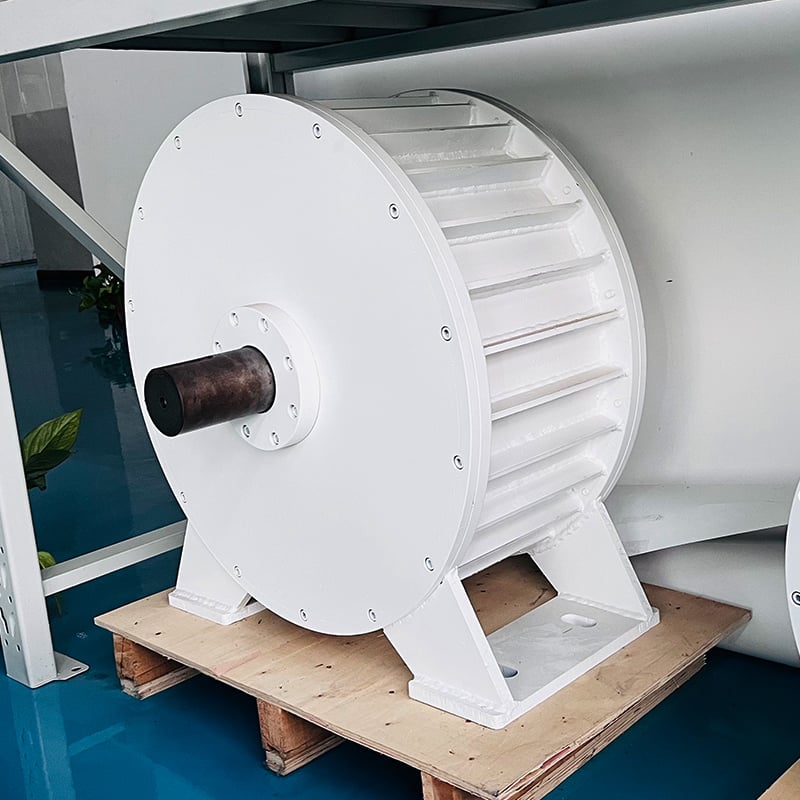
To effectively understand the pricing of permanent magnet generators, buyers need to consider various factors that contribute to the overall cost structure:
Base Price: This is the starting price for a standard generator model. It is influenced by factors such as material costs, manufacturing processes, and market demand.
Customization Costs: If specific modifications or additional features are required, these will add to the base price. Always request a detailed quote that outlines customization expenses.
Volume Discounts: Many manufacturers offer discounts for bulk purchases. Understanding the minimum order quantities (MOQs) and potential savings can help in budget planning.
Shipping and Handling: Consider the logistics involved in shipping the generators, especially for international orders. Shipping costs can vary greatly depending on location and delivery speed.
Warranty and Support: Factor in the costs associated with warranties and after-sale support. A higher initial price may be justified if the generator comes with a comprehensive warranty and reliable support services.
are dedicated to meeting commercial domestic electricity needs with wind solar power system. able to provide customers with fully customized solutions with our professional capability managing supply chains capabilities 15kw wind turbine for home. We'll provide professional service throughout day beginning with design, production and after-sales.
As most sought-after brand of wind solar hybrid power systems, DHC has own wind turbine factory integrating R D design, production and technical support. founders of DHC have been working on the idea green 2kw vertical axis wind turbine protection since 2009 and immersed in the world of renewable energy adhering to the company's values "diligence as well as honesty, cooperation and innovation." Our DHC brand DHC is the result of this.
Our commitment integrity the foundation of our business. We provide genuine power products and provide skilled service. Regarding wind turbines can pay attention is important to committed to preserving integrity as the primary goal of our enterprise, and we offer customers real power products and professional services. It is possible to consider factors such as blade diameter as well as wind turbine weight when Wind turbine for home 5kw wind turbines. We ensure that all products made by DHC are based on actual power output and not overinflated power.
main products wind turbines and solar panels. customers can receive a single-source service integration and development wind-solar hybrids as well as intelligent photovoltaic systems. DHC provides reliable 5000w wind turbine, technologies and after-sales support customers through exceptional delivery capability.
Permanent magnet generators are crucial components in various renewable energy applications. Understanding their uses can help buyers determine the right solutions for their needs:
Wind Energy: PMGs are widely used in wind turbines due to their high efficiency and reliability. They convert wind energy into electrical energy, making them essential for sustainable power generation.
Solar Hybrid Systems: In solar applications, PMGs can work alongside photovoltaic systems to provide consistent power output, especially in off-grid setups where energy storage is critical.
Distributed Power Generation: PMGs are ideal for small-scale power generation projects, such as powering remote communities or agricultural operations. Their compact design and ease of installation make them suitable for diverse applications.
Battery Systems: In conjunction with LiFePO4 batteries, PMGs can enhance energy storage solutions, allowing for better management of energy resources and improved system efficiency. Integrating systems with Lifepo4 Battery technology can boost performance.
Microgrid Solutions: PMGs are integral to microgrid systems, providing stable and reliable energy sources that can operate independently or in conjunction with larger grids.
By focusing on these applications, buyers can better align their procurement strategies with the growing demand for renewable energy solutions, ensuring they select the most suitable permanent magnet generators for their specific projects.
Welcome to DHC, the top brand of wind solar hybrid power system! We provide innovative and effective new energy solutions including wind turbine, solar panel, lifepo4 battery, etc.






 EN