
Understanding the nuances of selecting the right renewable energy solution is crucial for professionals in the industry. This article focuses on the Turgo turbine, a unique energy generation device that harnesses the power of water flow. As a potential buyer, you may have concerns regarding efficiency, application suitability, manufacturing quality, and cost factors. This guide will help you navigate those considerations, ensuring you make an informed decision for your project. For more options, consider exploring our Wind Controller to enhance your energy solutions.
When selecting a Turgo turbine, there are several factors to consider that can significantly affect your project's success. First, assess the hydraulic conditions of your site, including the flow rate and head height, as these parameters directly impact the turbine's efficiency and power output. Turgo turbines are particularly suited for medium to high head applications, typically ranging from 10 to 70 meters.
Next, evaluate the materials used in the turbine's construction. High-quality materials can enhance durability and performance, particularly in harsh environmental conditions. Look for turbines made from corrosion-resistant materials like stainless steel or bronze, which can withstand the rigors of continuous operation and exposure to water.
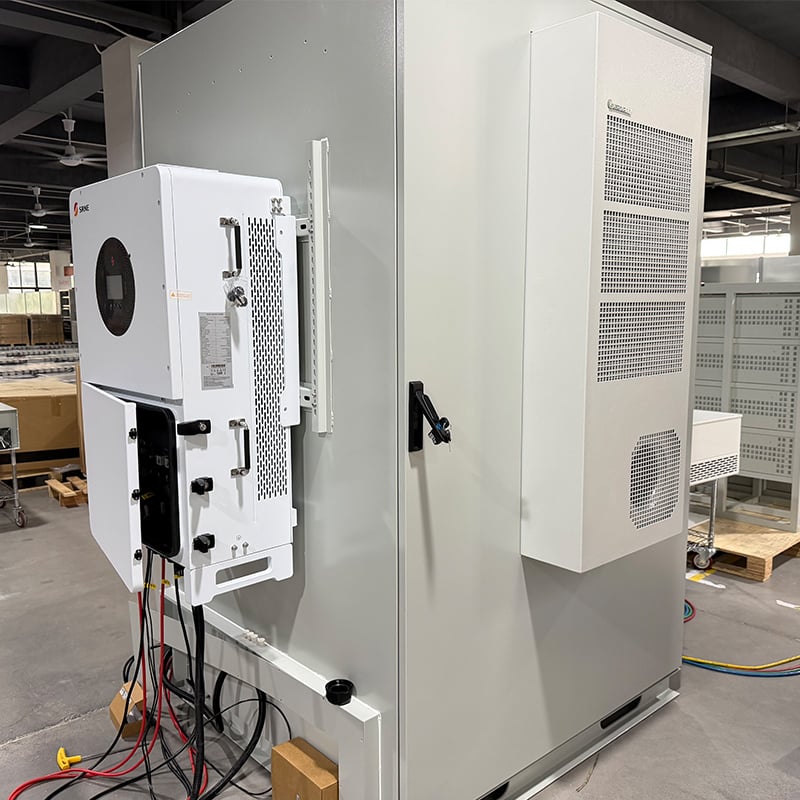
Customization is another critical aspect. Depending on your specific application—be it for a small farm, a home, or a distributed power station—you may require customized solutions. Ensure the manufacturer can adapt the turbine's design, size, and features to meet your exact needs. For a complete energy storage solution, check out our Container Energy Storage Battery.
Lastly, consider the reputation and experience of the manufacturer. A company with a strong track record, such as Jiangsu DHC Environmental Si-Tech Co., Ltd., that specializes in renewable energy solutions can offer valuable insights and proven technology to support your project.
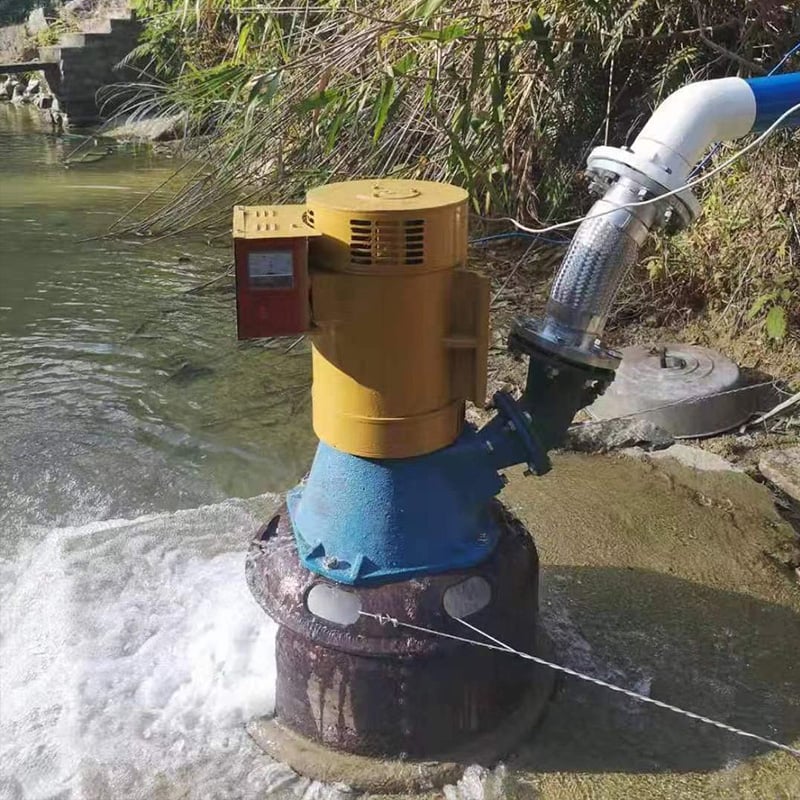
Turgo turbines offer unique advantages compared to other renewable energy solutions, particularly when evaluating efficiency and application versatility. Unlike traditional hydro turbines, Turgo turbines are designed to efficiently convert high-velocity water flow into mechanical energy. This makes them especially effective in applications with variable water levels, where other hydro solutions may struggle.
In contrast to wind turbines, Turgo turbines can be installed in locations where wind resources are inadequate. They are more suitable for regions with consistent water flow, making them ideal for areas with rivers or streams. Additionally, unlike solar power systems that depend on sunlight, Turgo turbines can operate continuously as long as there is sufficient water flow, providing a more stable power output.
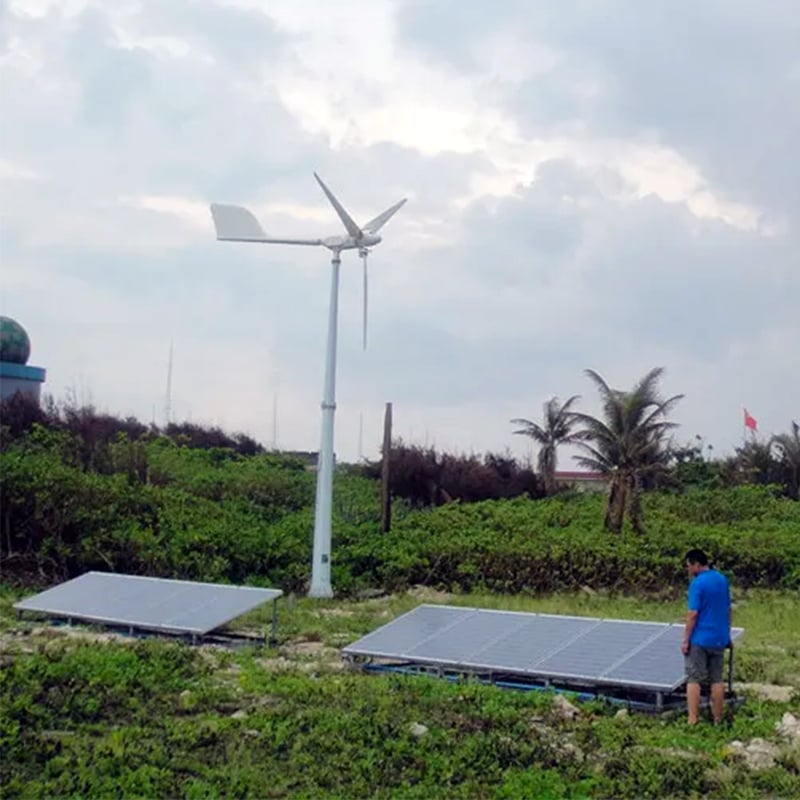
When considering hybrid systems, combining Turgo turbines with solar power can optimize energy generation, leveraging both water and sunlight. This dual approach can enhance overall system efficiency and resilience against fluctuations in resource availability. To further enhance your hybrid system, consider integrating a Portable Power Station.
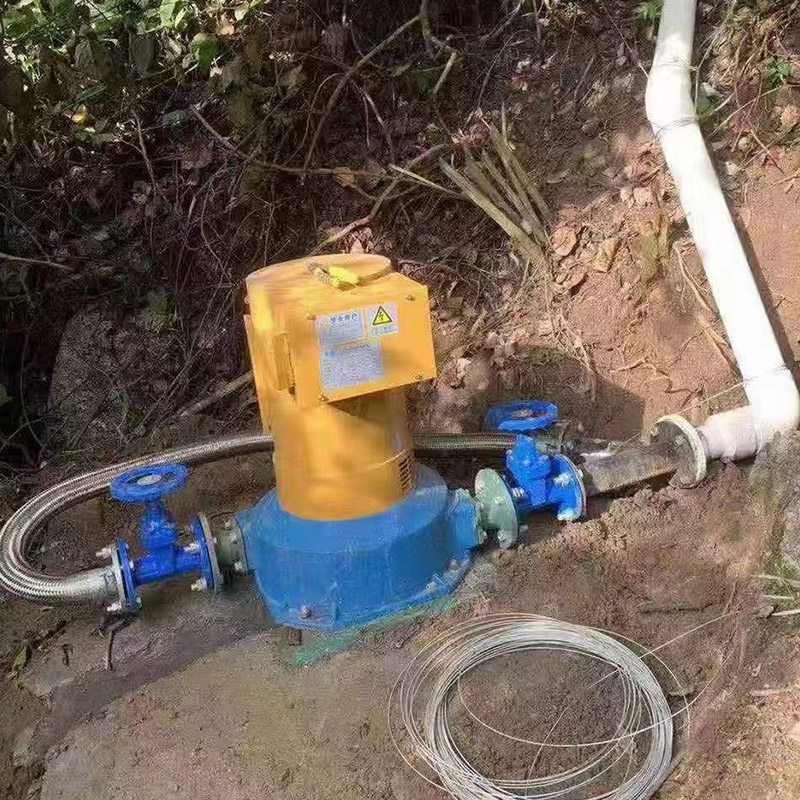
When importing Turgo turbines, several key specifications should be evaluated to ensure you receive a product that meets your operational requirements.
Flow Rate: This measures the volume of water that passes through the turbine per unit time, typically expressed in cubic meters per second (m³/s). The turbine's design must align with the expected flow rate to maintain optimal efficiency.
Head Height: The vertical distance that water falls before hitting the turbine is crucial for determining the potential energy conversion. The rated head height should match your installation's actual conditions to maximize output.
Efficiency Rating: Look for turbines with high efficiency ratings, often above 80%. This metric indicates how well the turbine converts hydraulic energy into mechanical energy.
Mechanical Design: Assess the mechanical features, such as the runner design and bearing type. These elements impact the turbine's longevity and maintenance needs.
Size and Weight: Ensure the dimensions are suitable for your installation site, including considerations for transport and installation logistics.
Certifications: Check for relevant certifications that guarantee quality and performance standards, which can vary by region and application.
By focusing on these specifications, importers can better gauge the suitability of Turgo turbines for their projects.
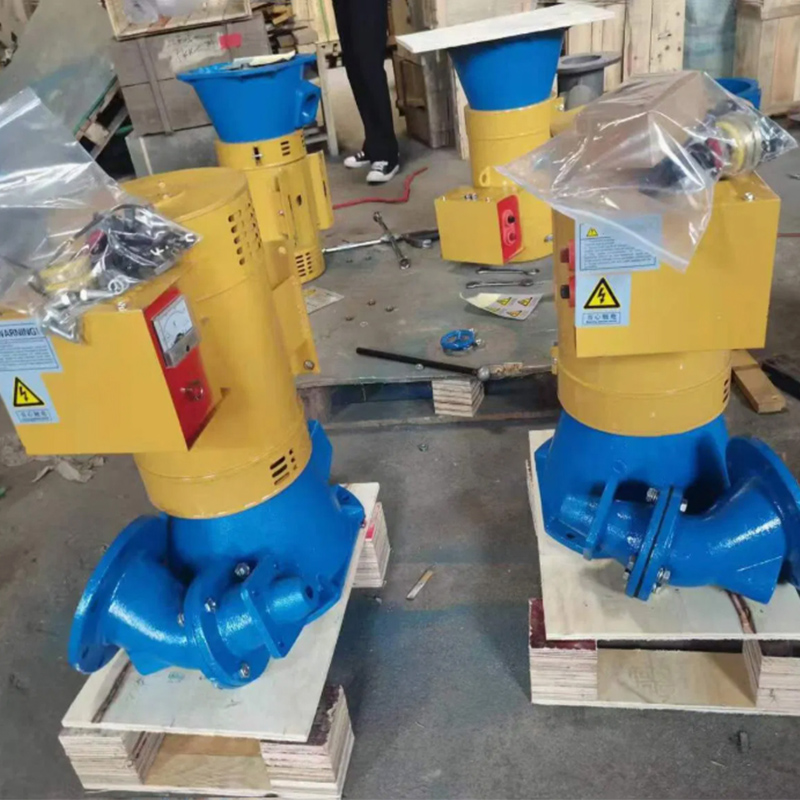
The cost of Turgo turbines can vary based on several factors, making it essential for buyers to understand what influences pricing, especially for bulk orders.
Material Costs: The choice of materials used in turbine construction significantly impacts pricing. High-strength, corrosion-resistant materials like stainless steel may incur higher upfront costs but provide long-term savings through durability and reduced maintenance.
Customization Requirements: Tailored solutions often come with additional costs. If your project necessitates specific configurations or features, this customization will affect the overall price.
Production Volume: Generally, placing larger orders may result in lower per-unit pricing due to economies of scale. Manufacturers often offer discounts for bulk purchases, so it's beneficial to align your needs with potential order sizes.
Shipping and Logistics: Consideration of shipping costs is vital, especially for large or heavy turbines. Understanding the logistics involved in transporting the turbines to your site can help you budget effectively.
Lead Time: While a lower price may be appealing, longer lead times for cheaper models can affect project timelines. Ensure you balance cost with delivery schedules to meet your operational deadlines.
By understanding these cost factors, buyers can make more informed financial decisions when sourcing Turgo turbines.
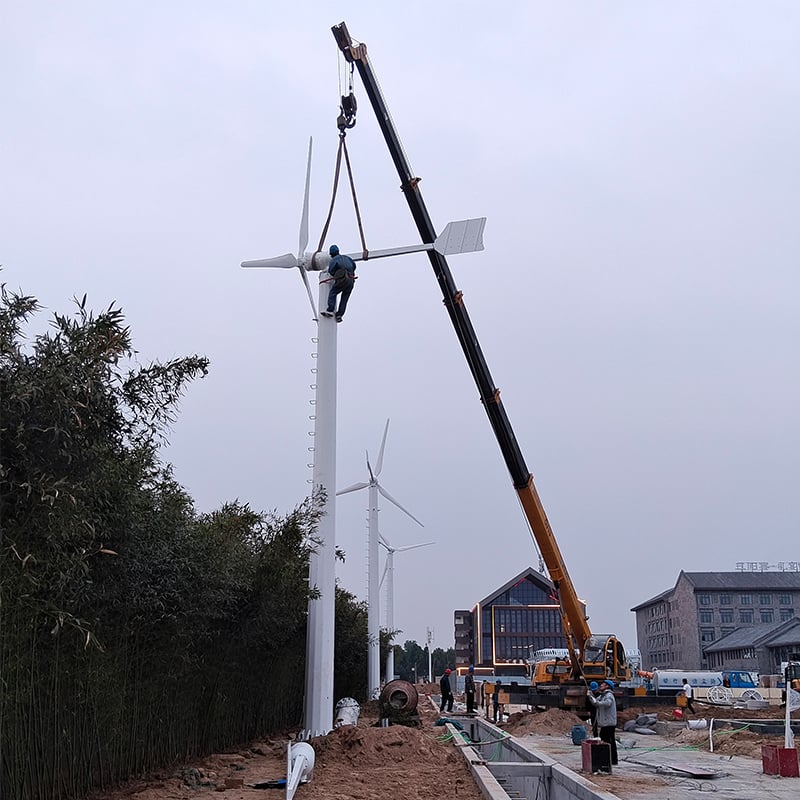
main products wind turbines and solar panels. customers can receive a single-source service integration and development wind-solar hybrids as well as intelligent photovoltaic systems. DHC provides reliable wind turbine and generator, technologies and after-sales support customers through exceptional delivery capability.
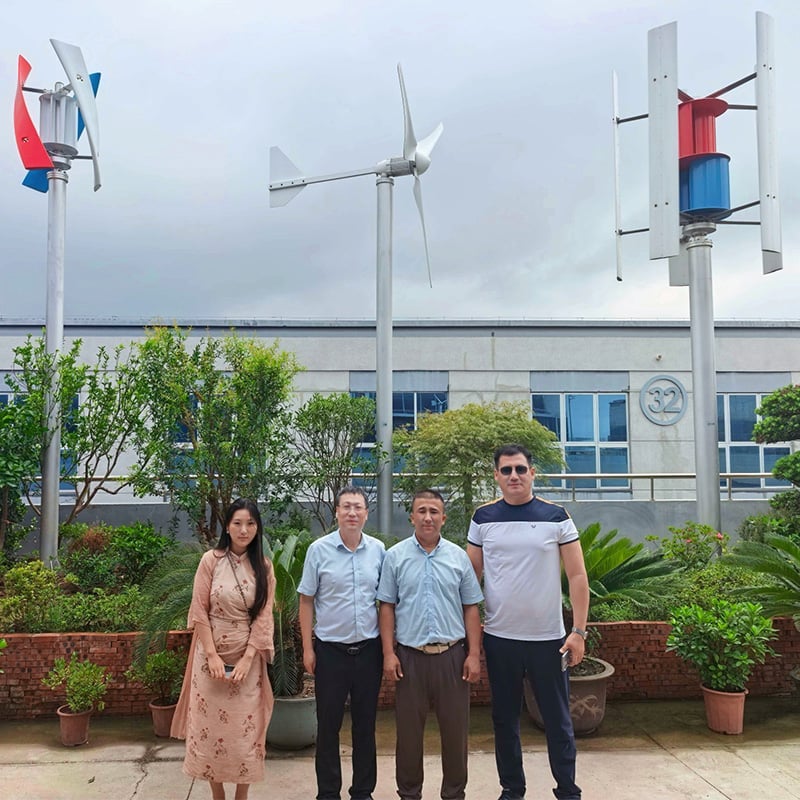
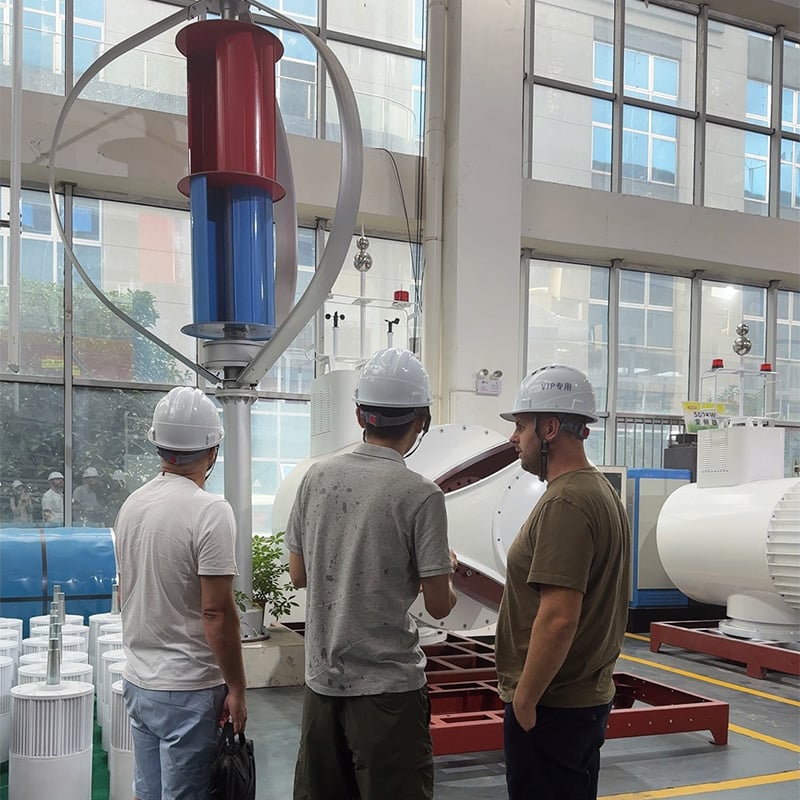
DHC the top brand in the wind solar hybrid power system. It has own manufacturing facility that incorporates R D and design, production, technical support. Since 2009 our founders have embraced the idea of protecting environment by embracing new technology and embraced 15kw wind turbine for home culture "diligence and honesty, as well as cooperation and creativity." This also the basis of our brand "DHC".
commitment integrity is the basis of our company. We offer real power solutions and offer expert service. Regarding wind turbines can pay attention to is important to We're committed keeping integrity as the primary goal of our 2kw vertical wind turbine, and we offer customers the best power products as well as competent services. When it comes to wind turbines, be sure to consider parameters such as blade diameter and weight. guarantee that all products made by DHC feature actual power output not overinflated power.
We're dedicated solving commercial residential electrical needs utilizing a solar/wind power system. With professional supply chain management and integration capabilities, are able to provide customers with completely customized solutions. We'll provide high-quality service all hours of day from 2kw vertical axis wind turbine to design and after-sales.
From a contractor's viewpoint, the practicality of installing Turgo turbines is a critical consideration. One common challenge during installation is ensuring proper alignment and connection to the water source. It's essential to verify the site conditions before installation to avoid complications that could lead to inefficiencies or mechanical failures later on.
Another critical aspect is the need for thorough quality inspections during the manufacturing phase. Ensuring that each turbine is built to specification, particularly regarding mechanical integrity and material quality, can prevent issues in the field. Contractors should work closely with suppliers to understand their quality control processes and request detailed inspection reports.
Finally, consider the long-term maintenance requirements. Turgo turbines may require periodic service to ensure optimal performance. Establishing a maintenance plan during the initial project phase can help mitigate future operational disruptions and extend the life of the turbine.
In summary, understanding these perspectives can greatly enhance project success when integrating Turgo turbines into renewable energy systems. By considering site conditions, manufacturer quality, and maintenance needs, contractors can ensure reliable and efficient energy generation.
Welcome to DHC, the top brand of wind solar hybrid power system! We provide innovative and effective new energy solutions including wind turbine, solar panel, lifepo4 battery, etc.

 EN