
The wind turbine generator motor is a crucial component in harnessing renewable energy, converting wind energy into usable electrical power. As companies increasingly prioritize sustainable solutions, understanding the specifications, applications, and cost factors associated with these motors becomes essential for purchasing managers and engineers alike. This article will explore the top applications for wind turbine generator motors, cost considerations for bulk orders, installation guidelines, common issues and their solutions, and the material advantages that optimize performance in renewable energy systems.
Wind turbine generator motors are primarily used in various renewable energy applications, contributing to a more sustainable future. The most significant applications include:
Commercial Wind Farms: Large-scale wind farms utilize multiple wind turbine generator motors to generate substantial amounts of electricity. These motors must be reliable, efficient, and capable of withstanding harsh environmental conditions.
Distributed Energy Systems: Smaller wind turbine systems are increasingly used in distributed energy generation, providing power to remote locations, farms, and residential areas. Customization of the generator motors is essential to match the specific energy demands and environmental conditions of these installations.
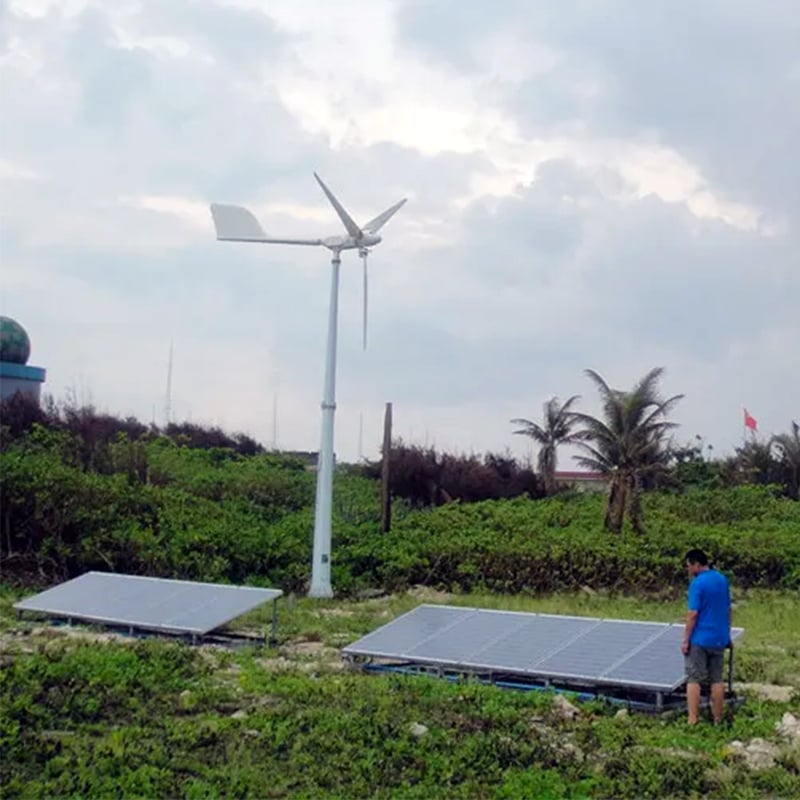
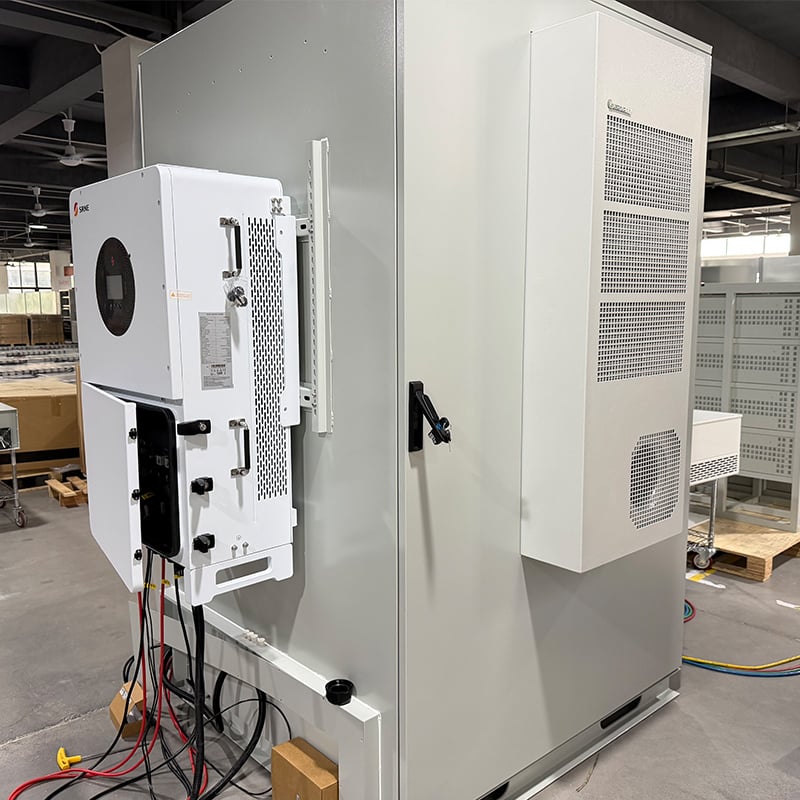
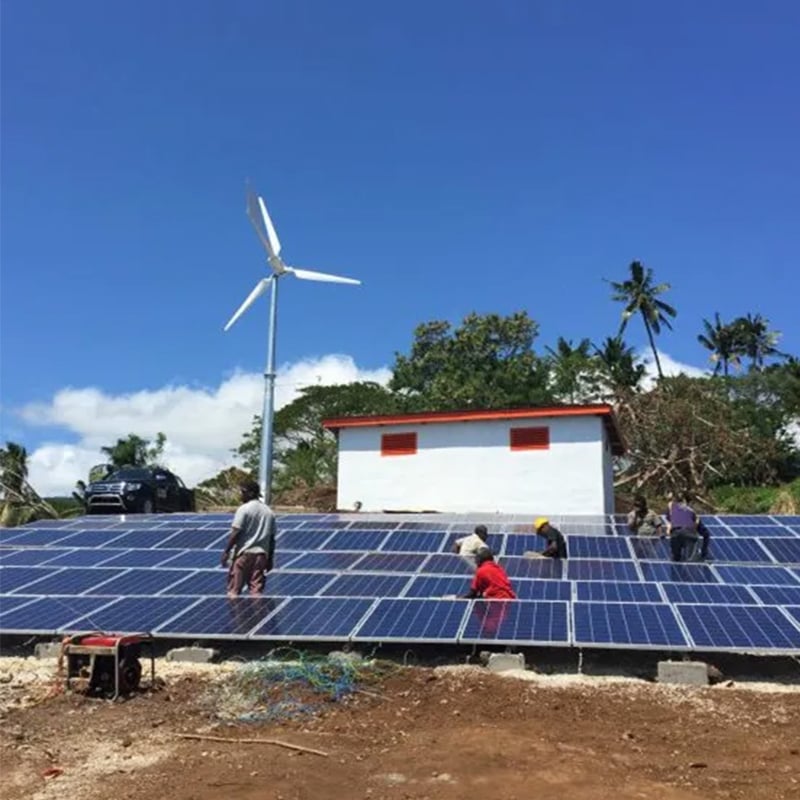
Hybrid Systems: Wind turbine generator motors are often integrated into hybrid energy systems alongside solar power solutions. This combination enhances energy reliability and can optimize energy storage through LiFePO4 batteries, ensuring a steady power supply.
Offshore Wind Energy: Offshore installations require specialized motors that can withstand marine environments. These motors are designed to resist corrosion and operate efficiently under varying wind conditions.
Understanding these applications helps buyers select the right motor for their specific energy projects, ensuring optimal performance and longevity.
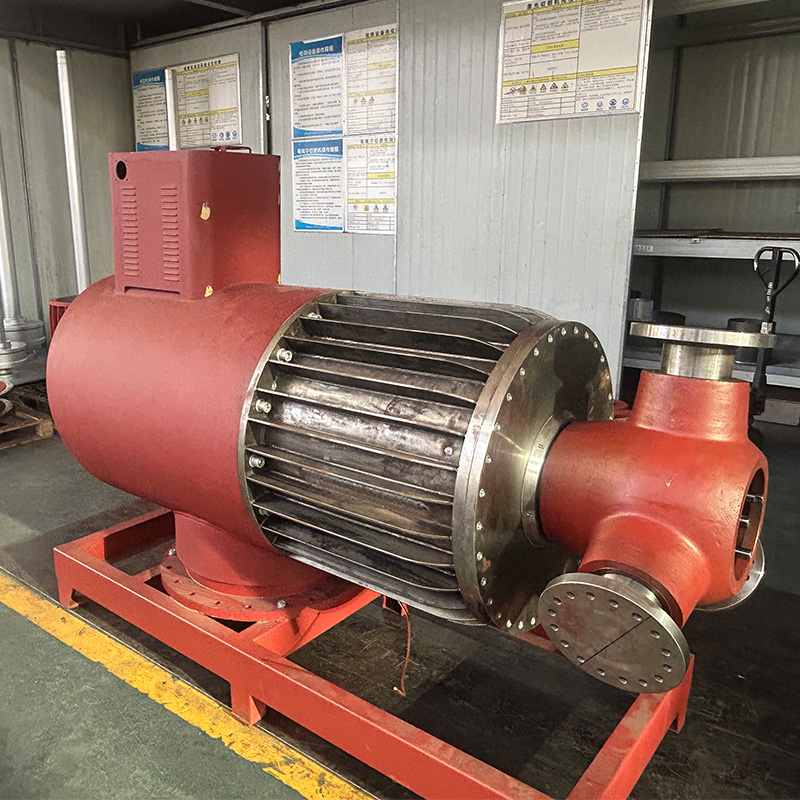
When considering bulk orders of wind turbine generator motors, several cost factors must be taken into account:
Material and Manufacturing Costs: The choice of materials significantly impacts the overall cost. Motors constructed from high-quality materials, such as corrosion-resistant alloys, tend to have a higher initial price but offer better durability and efficiency. It's essential to balance upfront costs with long-term savings through reduced maintenance and improved performance.
Customization and Specifications: Custom-designed motors tailored to specific applications may incur additional costs. Buyers should provide detailed specifications regarding size, power output, and environmental conditions to ensure accurate pricing.
Volume Discounts: Purchasing in bulk often qualifies buyers for volume discounts. However, it’s crucial to confirm the minimum order quantity (MOQ) with the supplier to ensure that orders meet the criteria for cost savings.
Logistics and Shipping: Shipping costs can vary based on the destination and the size of the order. Buyers should factor in transportation fees and potential duties when budgeting for bulk purchases.
Understanding these cost factors will help purchasing managers make informed decisions, ensuring that they receive the best value for their investments.
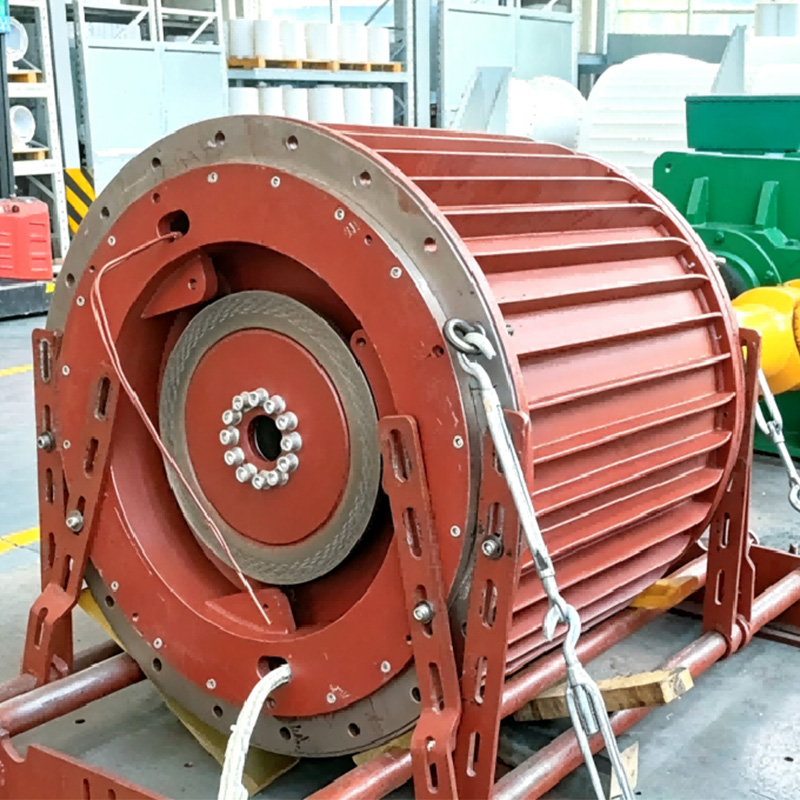
Proper installation is critical to the functionality and longevity of wind turbine generator motors. Here are key guidelines to follow:
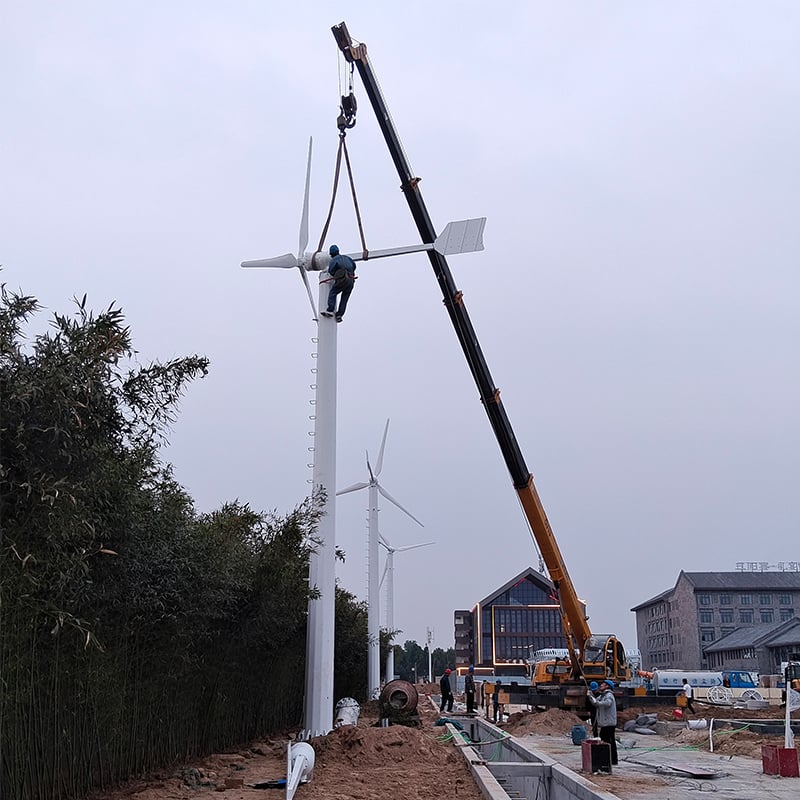
Site Assessment: Conduct a thorough site assessment to determine the optimal placement for wind turbines. Factors such as wind patterns, terrain, and proximity to the electrical grid should be analyzed.
Foundation Preparation: Ensure that the foundation is robust enough to support the wind turbine and its generator motor. The foundation must be designed to withstand environmental factors such as wind shear and soil erosion.
Alignment and Orientation: Install the motor with precise alignment to maximize efficiency. The orientation should be adjusted based on prevailing wind directions to ensure optimal energy capture.
Electrical Connections: Ensure all electrical connections are secure and compliant with local regulations. Proper grounding is essential to prevent electrical hazards and ensure system reliability.
Regular Maintenance Checks: After installation, establish a schedule for routine maintenance checks to monitor the motor's performance and address any potential issues proactively.
Following these installation guidelines will help prevent common installation-related problems and enhance the operational lifespan of the wind turbine generator motors.
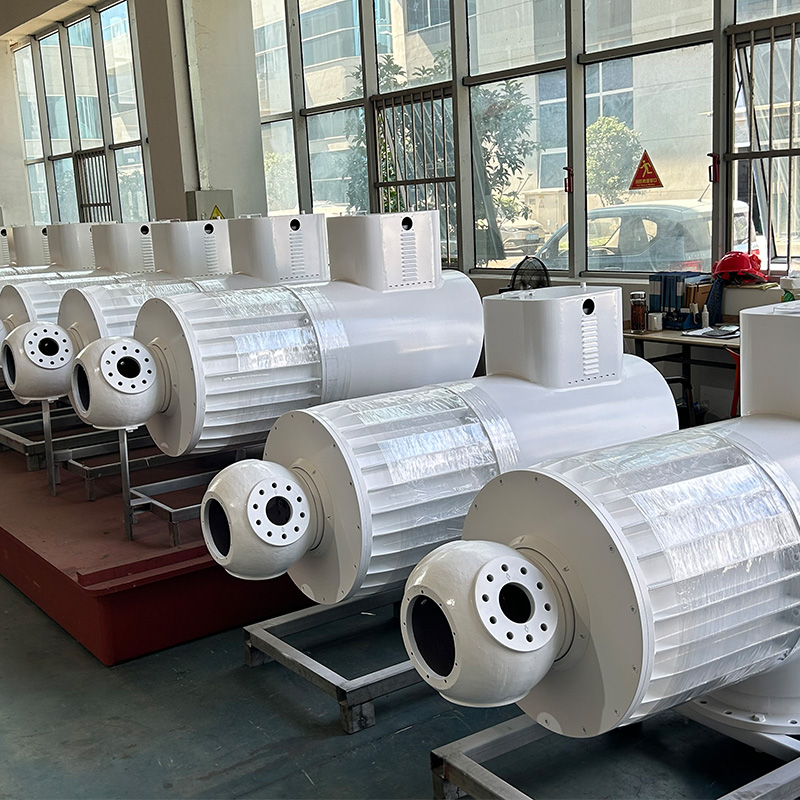
Despite their robust design, wind turbine generator motors can encounter several issues. Here are some common problems along with their solutions:
Overheating: Motors may overheat due to excessive load or inadequate cooling. To mitigate this, ensure that the motor is appropriately sized for the application and consider implementing cooling systems or thermal monitoring.
Vibration Issues: Excessive vibration can lead to mechanical failure. Regularly inspect the motor's mounting and alignment, and use vibration sensors to monitor performance. Addressing alignment issues promptly can prevent long-term damage.
Electrical Failures: Problems with the electrical connections can result in operational failures. Regularly inspect wiring and connectors for signs of wear or corrosion, and ensure that all components are compatible with the motor specifications.
Environmental Damage: Motors exposed to harsh weather conditions may suffer from corrosion or mechanical wear. Selecting materials that resist environmental damage and applying protective coatings can significantly extend motor life.
Understanding these common issues and their solutions allows purchasing managers and engineers to implement preventative measures, ensuring reliable operation and reducing downtime.
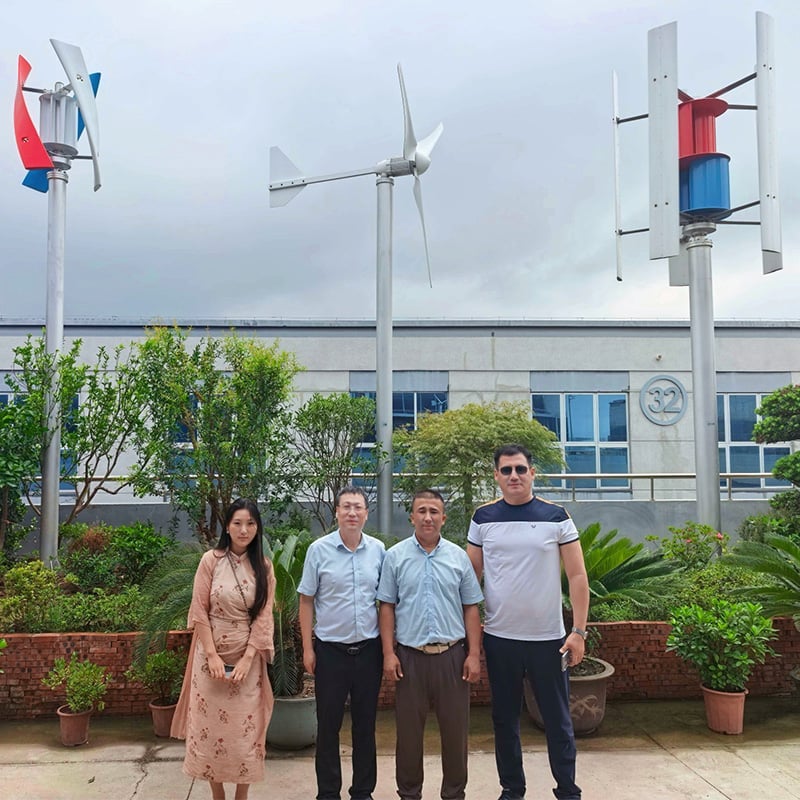
primary products wind turbines, solar panels and lifepo4 batteries. customers will receive a one-stop-shop service the integration and Wind turbine a wind-solar hybrid as well as smart photovoltaic system. DHC provides reliable products, technologies, and after-sales service to customers with excellent delivery capability.
We're dedicated solving commercial residential electrical needs utilizing a solar/wind power system. With professional supply chain management and integration capabilities, are able to provide customers with completely customized solutions. We'll provide high-quality service all hours of day from Vertical wind turbine to design and after-sales.
We dedicated to upholding integrity as cornerstone of our business, offering customers genuine power products expert services. In the case of wind turbines can pay attention is important to committed to keeping integrity as the cornerstone of business, offering customers the best power products as well as 15kw wind turbine for home services. Consider parameters such as blade diameter and wind turbine's weight when you evaluate wind turbines. We promise that all products manufactured by DHC have real power output without exaggerated power.
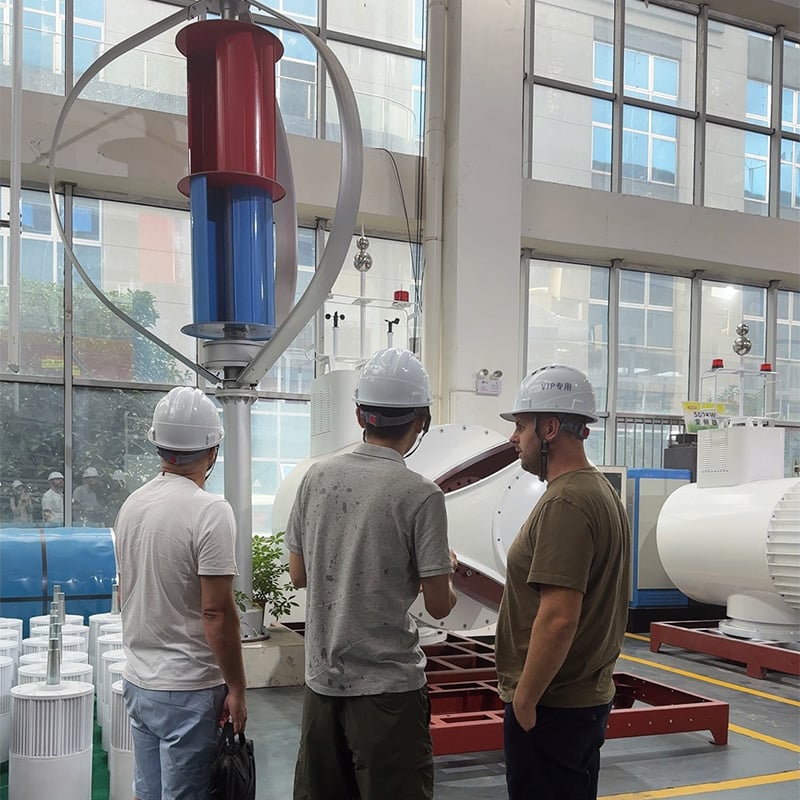
DHC the market leader in hybrid wind solar power systems. has its own manufacturing facility that integrates R D and production, design technical support. Since 2009 founders of DHC have been implementing the concept of environmental protection and have been immersed the latest technology and embraced the corporate wind turbine generator that focuses on "diligence and integrity, collaboration and innovation." This is also the basis of our brand "DHC".
The material selection for wind turbine generator motors plays a vital role in their performance and durability. Key material advantages include:
Corrosion Resistance: Using materials that resist corrosion, such as stainless steel or specialized alloys, is crucial for offshore or high-humidity environments. This resistance extends the motor's lifespan and reduces maintenance costs.
Weight and Strength: Lightweight yet strong materials, such as composite materials, can enhance the efficiency of the motor without compromising structural integrity. This is particularly important in maximizing energy capture and minimizing installation challenges.
Thermal Conductivity: Materials with excellent thermal conductivity help dissipate heat effectively, reducing the risk of overheating in motors. This feature is essential for maintaining operational efficiency under high-load conditions.
Magnetic Properties: The choice of magnetic materials directly influences the motor's efficiency and power output. Opting for high-grade magnetic materials can enhance performance, leading to improved energy conversion rates.
Selecting the right materials is critical for optimizing the performance and reliability of wind turbine generator motors. Buyers should work closely with manufacturers to ensure that the materials used meet the specific requirements of their applications.
Welcome to DHC, the top brand of wind solar hybrid power system! We provide innovative and effective new energy solutions including wind turbine, solar panel, lifepo4 battery, etc.
 EN