EN

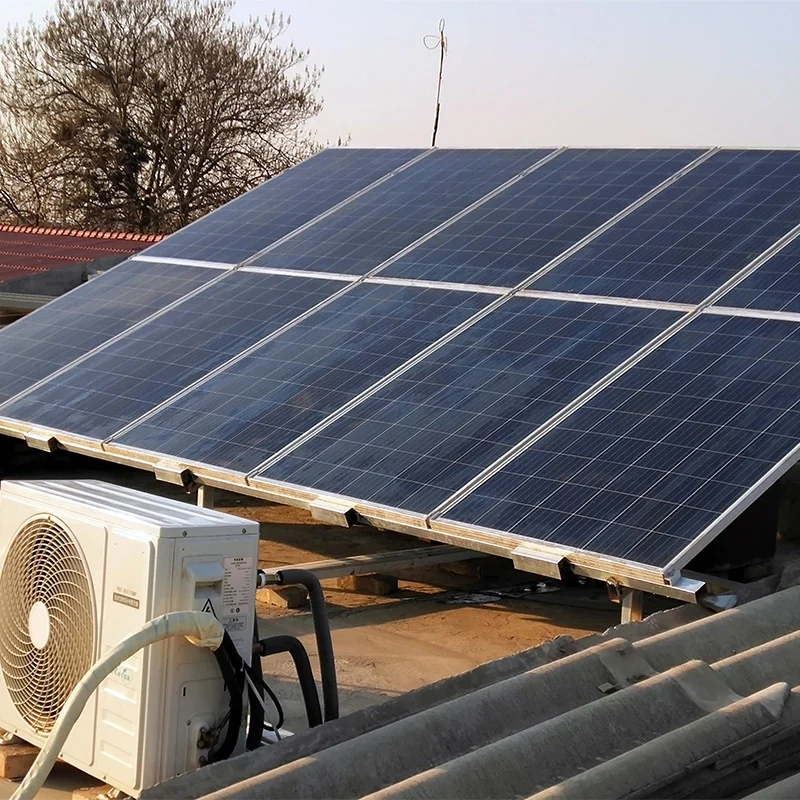
PVT Panels and Why Solar Has Found Its Next Frontier One of the key advancements to solar energy use comes with PVT, or Photovoltaic Thermal modules, essentially integrating both a power generating and heat harvesting module into one. Whereas your typical PV panels turn just a tenth of the incoming sunlight into electricity, and the other nine-tenths goes off heat and lost for good, a PVT device recaptures the excess heat to make an additional use of it. With integrated design, total PVT systems have an overall energy output of up to 70 to 88% far higher than standard PV arrays at 15 to 22%. Let’s examine how these dual solar resource systems generate both heat and power from the very same building footprint.
The Dual-Output Design: One Panel, Two Energy Streams
A PVT panel is constructed by sandwiching a thermal absorber behind a conventional PV panel, also referred to as a silicon flat-plate solar cell, or PV solar panel array. Light hits the solar cells, which convert incoming sunlight into electricity, just as a regular PV solar panel array or PV solar panel does. Also, the absorber picks up heat released behind the PV solar cells and transfers heat to a circulating fluid, such as water or an antifreeze solution.
This double acting feature creates a positive feedback arrangement: By removing the excess heat, the PV solar cells are cooled and improving conversion efficiency by 5% to 15% of sunlight into electricity. At hot operational temperatures, each PV cell produces an extremely important increase in output compared with normal operation of PV cells on a hot day. As an example the hot circuit will supply safe usable heat in the region of 25°C and 75°C depending on the configuration and on system flow rates.
Now the practical benefit should by no means be overlooked, for buildings with simultaneous electrical and thermal energy needs, with a single installation space as many as two useful energies are received and so the either-or principle as opposed to PV vs solar hot water system.
Electrical Output: Maintaining High Efficiency Through Active Cooling
Electrical yield is also improved by the thermal absorber (the part of the T panel used for collection of the waste heat). PV panels tend to reduce their output in terms of electrical performance at high temperatures. From about 25°C the performance tends to fall in a straight line with output dropping from around 0.3 to 0.5% per degree Celsius of additional temperature. The waste heat collection has the effect of cooling down the PV panels at the most effective temperature improving electrical yield.
Modern type of PVT module technology generally use a polycrystalline or monocrystalline PV cell with comparable electrical efficiency to the stand alone PV panels for solar purpose. It usually belongs in range 20 to 23.3%. The electric power of Commercial PVT module, 300Wp to 420Wp per module, depending the technologies.
Electrical subsystem A non-PVT PV module does have an electrical output, which can be seen as the standard PV subsystem generating AC power, suitable for on site use or import into the power grid. The advantage here, with a PVT, is that cooling will augment electrical output, something a non-PVT PV module does not benefit from.
Thermal Output: Capturing and Delivering Usable Heat
Where They Diverge: PVT vs standard PV solar - thermal part2 PV technology diverts the greatest amount from the normal kind of solar in it thermal part. Heat from the solar panels is effectively drawn from the back of each PV cell and are utilized to feed a thermal collector; this then heat transfers to the circulating liquid, using aluminum backsheets and copper backsheets.
The total energy you gain depends from the panel construction: the one for Electricity priorities, PVT-E, reaches efficiency on about 55% produces hot Water up to about 55°C.PVT-T (thermal priorities ones), reach up on about 71% for the peak thermal efficiency and it produce water at temperature up to about 75°C some panel have balanced production like TP/V Pro: with 71% on thermal and on 23.3% electrical produces the best compromise on about 88% total performance until today.
The waste heat can be used as on site demand for both for potable water heating and for auxiliary space heating or for the pre heating of process water or can be input to a heat pump to boost their coefficient of performance.
Space Efficiency and Total System Performance
One advantage of PV Ts is Space efficiency PV Ts allows two outputs from one roofing surface. Your roof area requirements can be reduced by as much as 40%.
This space saving translates into significant commercial benefits particularly if the existing roof available for use of installation is scarce and tricky due to room height problem, poor access problem, shading as well as other building/structure use restrictions and practical considerations that do not accommodate or restrict the usual methods of installation of equipment and appliance.
So, overall, you will have a 70 to 88% energy efficiency overall across any system, standalone electrical or electrical thermal or as solar thermal as steam (more efficiency comes into play with this configuration). For any given hotel that requires an average of say 3,500 to 5,000 liters of domestic hot water, and that PVT system would eliminate that hot water requirement compared to hooking up any new gas pipe or heating, electric water heating; and then that electrical generation could offset the lighting inside any of your lights or your house lighting if that’s an exterior use application too
Jiangsu DHC Environmental Si-Tech Co., Ltd. Utilizing PVT panel arrays in balanced hybrid energy systems A hybrid system is any combo of PVT for both electric & solar heating, wind, heat pump and a LiFePO battery. Having over 15 years in the renewable energy sector, plus strong relationships & direct partnerships with worldwide leading solar and inverter suppliers DHC possesses in-depth knowledge and experience in implementing field tested hybrid system integration. Speak to DHC on your next PVT electric generating hybrid energy development.