EN

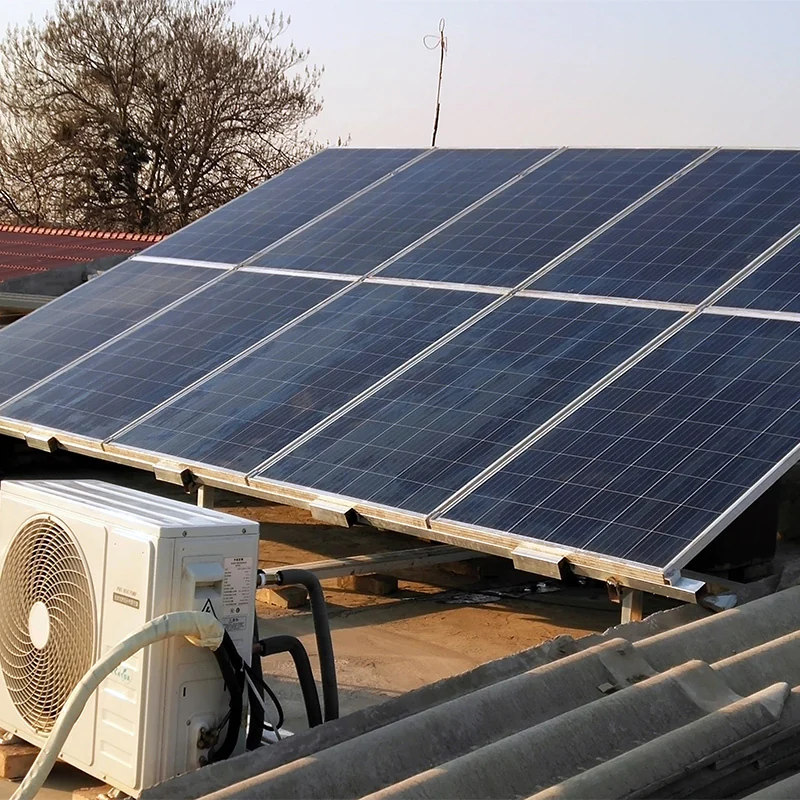
With energy demand increasing all over the world and decarbonization goals are becoming more stringent, building owners and industrial operators are looking to maximize the use of renewable energy sources in their structures, while they have only limited amount of space available. Photovoltaic/thermal (PVT) hybrid systems have proven to be an attractive option as they create usable heat as well as electricity from the same surface area. In high-demand installations, where energy density, reliability and cost efficiency are the most important factors, the design decisions of these PVT panels can significantly influence the performance of the system. The article explores the important design factors for PVT systems used in challenging applications.
Water-Based vs. Air-Based Thermal Extraction Designs
PVT panels come in various types based on the heat transfer medium used, with different design specific applications. PVT systems use water (or glycol) to flow behind the PV panels to remove heat for domestic hot water, pool heating, hydronic heating or process water preheating. According to research, efficiencies of water based PVT systems are normally more than 8% electrical and 30% to 70% thermal as compared to air based PVT. These systems are perfect for hotels, hospitals and industrial facilities that need hot water on a continuous basis.
PVT systems that operate in the air, however, transfer heat through the air, and provide warm air for agricultural drying, for preheating for the ventilation system, or for supporting space heating or low-temperature industrial drying. The different designs come with their own pros and cons – air systems are easy and cheap to install, and water systems are more efficient in terms of thermal performance and can integrate with heat pumps, key PVT application for high-demand systems.
Performance-Optimized Heat Exchanger Geometries
In recent years, the study of the influence of the geometry of heat exchangers (HXs) on electrical and thermal performance of PVT panels has been investigated. The innovative channel-box heat exchanger has been proven to show much improvement, with the water used as the cooling medium and the aluminum solid as the heat exchanger. These designs have been simulated using sophisticated modelling software, resulting in an electrical efficiency of around 12%, and thermal efficiency of near 79%, excellent overall efficiencies in excess of 90%.
The alveolar plate design of the heat exchange zone provides the PV module with optimal heat exchange with the cooling fluid in the channels. The flow rate of cooling fluid was found to have significant effect on panel performance, the increase in cooling fluid flow rate corresponds with the decrease in cell temperature and increase in power output by the same value for 10 L/h increase in cooling water flow rate. These design innovations directly address temperature non-uniformity, which is a common problem associated with degradation and reduced lifespan in conventional PVT panels.
Thermal Priority vs. Electrical Priority Configurations
There are various types of applications and various types of performance requirements. Thermal-priority PVT panels focus on heat generation and are ideal for hotels, hospitals, laundries and factories with constant hot water or hot water preheating requirements. These setups optimize the heat recovery, thus decreasing the fuel consumption of the boiler and still provide considerable electrical generation.
Optimized flow channel design, with electrical-priority, maximizes convective cooling, providing improved electrical efficiency of PV cells. The electrical efficiencies of these semitransparent PV panels with air ducts placed under them and water flowing over them, have been studied with average increases from 2.29% to 4.17% over base-line configurations. A flexible design provides a solution if the end users' primary need is electricity or heat, and therefore the design is optimized accordingly.
Heat Pump Integration and System-Level Design
PVT's value is multiplied in installations of high demand where heat pumps are used. The PVT system supplies the heat pump with solar heated fluid or pre-heated water to the heat pump's source loop to greatly enhance the COP of the heat pump. This decreases the efficiency loss that air-source heat pumps have in colder weather.
Research has been carried out to verify the electrical efficiency of heat pump cooling the PV arrays, which has been found to be more than 11% due to heat pump COP of 3.45 and share of up to 60% of the heat input by the PVT. In sunny times this cooling effect can boost electricity yield by up to 20%. This holistic solution is particularly promising for places that have thermal requirement year round, such as swimming pools, laundromats, medical centers, etc. Where high fluid demands are required, intelligent control logic is crucial: the system must be able to determine when to circulate fluid, when to protect against freezing conditions and when to prevent overheating and when to use the backup heat.
Conclusion
PVT photovoltaic panel designs for high demand installations have to be combination of thermal extraction efficiency, electrical output, and complexity of integration. Water-based systems are well suited for hot water intensive applications, air-based systems for ventilation and drying applications, and optimized heat exchanger geometries for performance tuning to specific load profiles. Jiangsu DHC Environmental Si-Tech Co., Ltd. is a 15-year industry veteran with professional supply chain management, providing companies with state-of-the-art renewable energy solutions and products. Their focus on actual power output and customer service makes sure that their solutions for high-demand installations are designed to perform and last, whether in the home, on farms or commercial and distributed power stations.