
Combining solar and wind power creates a powerful hybrid energy solution that maximizes renewable energy generation while minimizing reliance on fossil fuels. For B2B buyers such as purchasing managers, engineers, and distributors, understanding the intricacies of these systems is crucial. This article will delve into what to consider when selecting solar and wind power solutions, how to evaluate the quality of hybrid energy systems, and provide guidance on installation and common issues. By the end, readers will be equipped with the knowledge needed to make informed purchasing decisions.
When selecting solar and wind power solutions, several factors should guide your decision-making process. First, consider the energy needs of your application—whether it’s for residential, agricultural, or commercial use. Understanding your energy consumption patterns will help determine the appropriate size and capacity of the hybrid system.
Next, evaluate the local climate and geographical conditions. Solar panels thrive in sunny environments, while wind turbines require sufficient wind speeds to be effective. Analyzing historical weather data can provide insights into the expected energy generation from both sources, allowing for a more accurate system design. Additionally, integrating a Wind Solar Hybrid Power System can enhance the efficiency of energy production by combining the strengths of both sources.
Customization capabilities are also important. A manufacturer like Jiangsu DHC Environmental Si-Tech Co., Ltd. can offer tailored solutions that fit your specific needs, including variations in battery storage options, inverter types, and system integration. Additionally, consider the ease of installation and maintenance, as these factors significantly impact long-term operational efficiency.
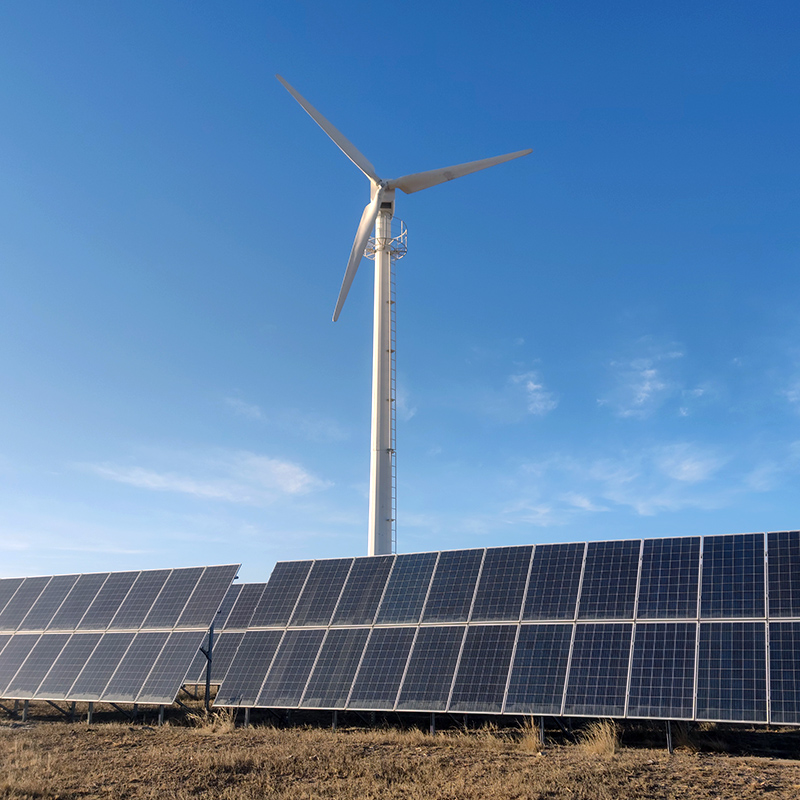
To assess the quality of hybrid energy systems, start by examining the materials used in the construction of components such as solar panels, wind turbines, and batteries. High-quality materials can enhance durability and performance. For instance, solar panels should have robust glass and weather-resistant frames, while wind turbines should be constructed from corrosion-resistant materials to withstand harsh environmental conditions.
Next, review the manufacturing processes and certifications. A reputable manufacturer will adhere to industry standards and possess certifications that validate the quality of their products. For example, products that meet ISO standards are typically more reliable and offer better performance.
Conducting a thorough quality control process is essential for ensuring the reliability of the hybrid system. This includes inspecting components during production and having a rigorous testing phase before deployment. Requesting documentation of testing results and quality assurance protocols can provide additional confidence in the product's reliability.
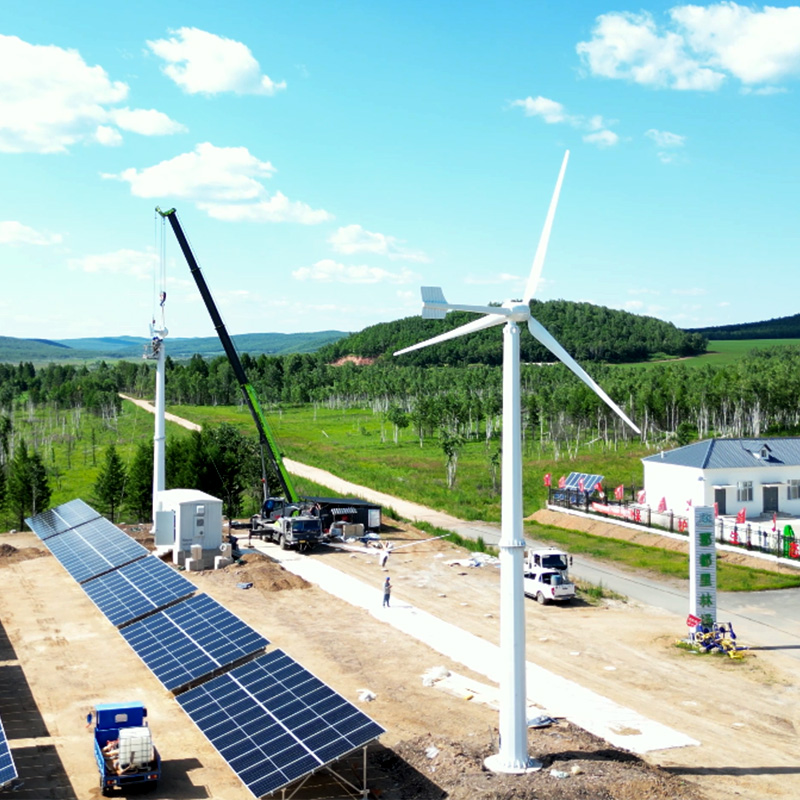
When comparing specifications of solar and wind energy systems, several key parameters should be analyzed:
Power Output: This is measured in watts (W) or kilowatts (kW) and indicates the maximum energy the system can produce under optimal conditions. Ensure that the combined power output meets your energy requirements.
Efficiency Ratings: Solar panel efficiency indicates how much sunlight is converted into usable electricity. Higher efficiency ratings mean more energy generation from the same surface area. For wind turbines, efficiency is often measured by the capacity factor, which reflects actual output relative to potential output.
Durability and Lifespan: Check the warranty periods offered by manufacturers. A longer warranty often suggests confidence in product durability. Solar panels typically last 25 years, while wind turbines may have a lifespan of 20 years or more.
Battery Storage Capacity: For hybrid systems, the choice of battery, such as LiFePO4 batteries, is crucial for energy storage. Evaluate the storage capacity in kilowatt-hours (kWh) and the discharge rates, which will affect how energy is managed during low-production periods.
Understanding these specifications will help in making a side-by-side comparison, allowing you to select a hybrid system that aligns with your specific energy needs and budget.
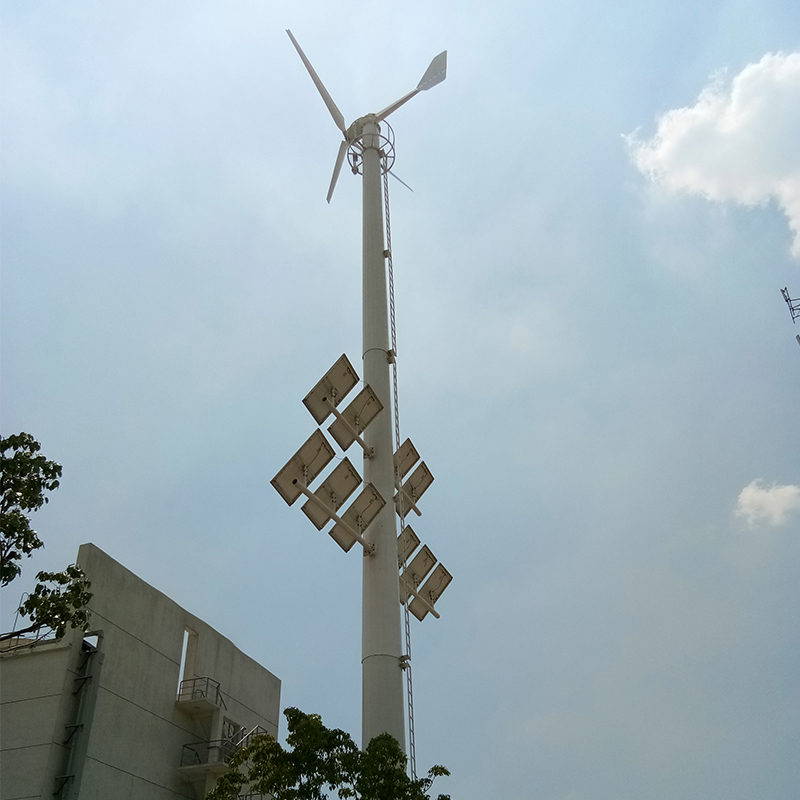
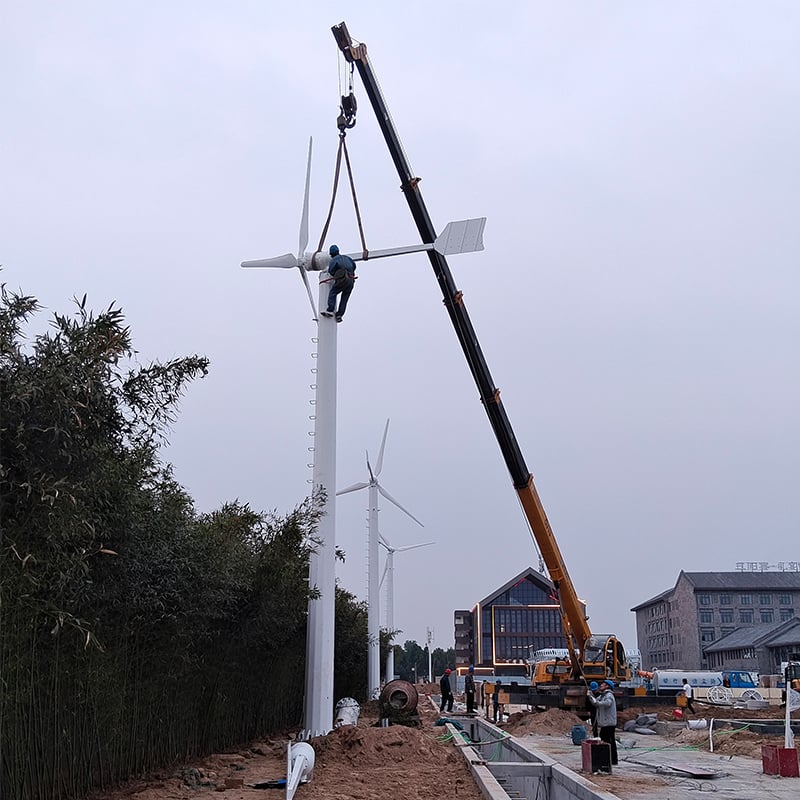
Proper installation of solar and wind power systems is critical for maximizing performance and longevity. Begin by assessing the site for suitability. For solar panels, ensure there is ample sunlight exposure without significant obstructions. For wind turbines, identify a location with consistent wind flow—typically at higher elevations and away from turbulence caused by buildings or trees.
Engaging experienced professionals for installation is recommended, as they will ensure compliance with local regulations and safety standards. Moreover, they can effectively integrate the systems with existing energy infrastructure, including grid connections and backup systems.
Additionally, during installation, it’s essential to consider the orientation and tilt of solar panels, as well as the height and spacing of wind turbines. These factors will influence the efficiency of energy capture. Proper installation can mitigate common issues such as shadowing or mechanical failures, leading to improved overall system performance.
Our commitment integrity the foundation of our business. We provide genuine power products and provide skilled service. Regarding wind turbines can pay attention is important to committed to preserving integrity as the primary goal of our enterprise, and we offer customers real power products and professional services. It is possible to consider factors such as blade diameter as well as wind turbine weight when Wind turbine for home 5kw wind turbines. We ensure that all products made by DHC are based on actual power output and not overinflated power.
DHC is market leader the hybrid wind solar power systems. It has its own factory that incorporates R D and production, design, and technical services. Since 2009 our founders have embraced the concept of environmental protection by Eolic generator new technology embraced the corporate culture of "diligence integrity, collaboration and creativity." This is also the source of our name "DHC".
main products wind turbines and solar panels. customers can receive a single-source service integration and development wind-solar hybrids as well as intelligent photovoltaic systems. DHC provides reliable 5000w wind turbine, technologies and after-sales support customers through exceptional delivery capability.
We're dedicated solving commercial residential electrical needs utilizing a solar/wind power system. With professional supply chain management and integration capabilities, are able to provide customers with completely customized solutions. We'll provide high-quality service all hours of day from 2kw vertical axis wind turbine to design and after-sales.
Hybrid energy systems may encounter various challenges, but understanding common issues can help mitigate their impact. One frequent problem is the mismatch between energy production and consumption. This can lead to energy shortages or excess energy that is wasted. To address this, implementing a robust energy management system can optimize energy distribution and storage.
Another issue is the degradation of solar panels and wind turbine components over time. Regular maintenance checks are essential to identify wear and tear early. For solar panels, this may involve cleaning to remove dust and debris, while wind turbines may require inspections to ensure mechanical components are functioning correctly.
Finally, buyers should be aware of the potential for battery performance issues. Factors such as temperature fluctuations and deep discharge cycles can affect battery life. Selecting high-quality batteries with appropriate depth of discharge specifications, like those offered by Jiangsu DHC, can enhance performance and longevity.
Combining solar and wind power offers a reliable and efficient renewable energy solution, but careful consideration and evaluation of hybrid systems are paramount for achieving optimal performance. By understanding the key factors outlined, B2B buyers can make informed decisions that align with their energy needs and business goals.
Welcome to DHC, the top brand of wind solar hybrid power system! We provide innovative and effective new energy solutions including wind turbine, solar panel, lifepo4 battery, etc.




 EN