
A solar wind hybrid system combines both solar and wind energy to provide a reliable and sustainable power solution. As businesses increasingly focus on renewable energy sources, selecting the right hybrid system becomes crucial for operational efficiency and cost savings. This article addresses key considerations for B2B buyers, such as specifications, cost factors, installation guidance, and practical applications in industrial projects, helping purchasing managers make informed decisions.
When selecting a solar wind hybrid system, it’s essential to assess your specific energy requirements, site conditions, and budget. Start by evaluating your energy consumption patterns to determine the appropriate power output. Consider factors such as peak load demands and any seasonal variations in energy needs.
Next, analyze the site’s environmental conditions. Locations with consistent wind patterns and ample sunlight are ideal for hybrid systems. The integration of solar panels and wind turbines should complement each other, ensuring a more stable energy supply. Additionally, think about system scalability; choose a solution that can be expanded or upgraded as energy demands evolve.
Lastly, consider customization options. Many manufacturers, including Jiangsu DHC Environmental Si-Tech Co., Ltd., offer tailored solutions to meet unique business requirements. This customization can include specific battery capacities, control systems, and installation arrangements, enhancing overall system efficiency. For instance, the Home Solar Powered Heat Pump System 5.4kW PVT Panels with 6P Heat Pump can be an excellent addition for tailored energy solutions.
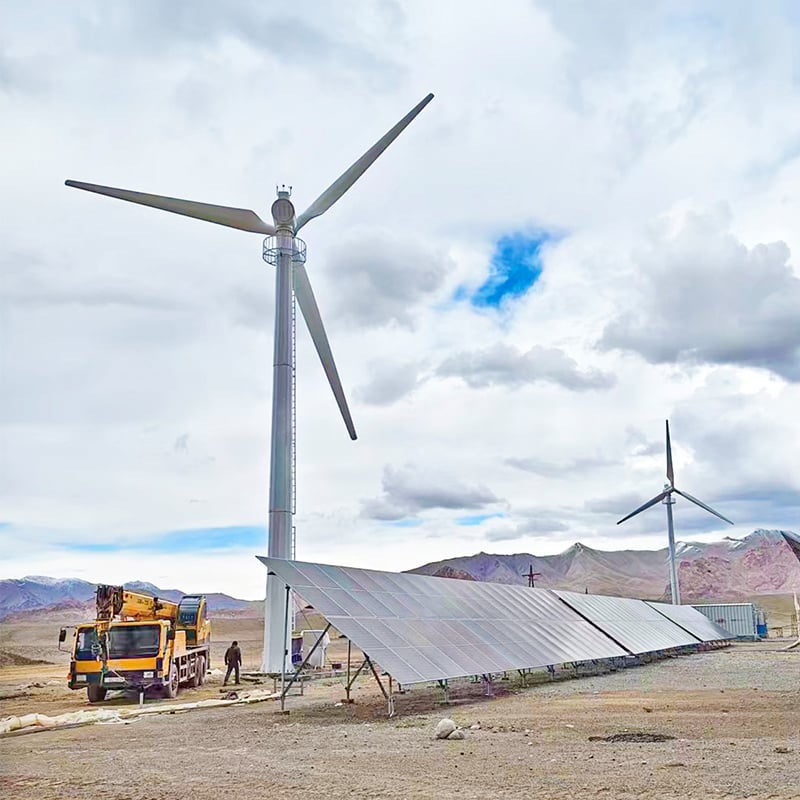
Understanding the key specifications of a solar wind hybrid system is vital for making informed purchasing decisions. Important parameters include:
Rated Power Output: This metric indicates the maximum energy the system can produce under optimal conditions. Ensure that the rated power aligns with your energy needs.
Cut-in and Cut-out Wind Speeds: These specifications define the wind speeds at which the turbine begins to generate electricity and when it ceases operation to avoid damage. Selecting a system with suitable cut-in speeds for your location can optimize energy production.
Solar Panel Efficiency: This measures how effectively solar panels convert sunlight into usable electricity. Higher efficiency panels may have a higher upfront cost but can offer better long-term returns.
Battery Type and Capacity: The choice of battery, such as LiFePO4, is critical for energy storage. Assess the battery’s capacity, cycle life, and discharge rates to ensure it meets your operational needs.
Control Systems: An effective control system manages energy distribution between the solar panels, wind turbine, and battery storage. Look for systems that offer smart monitoring capabilities for enhanced performance management.
Evaluating these specifications will help ensure you select a hybrid system that meets your operational demands while maximizing energy efficiency.
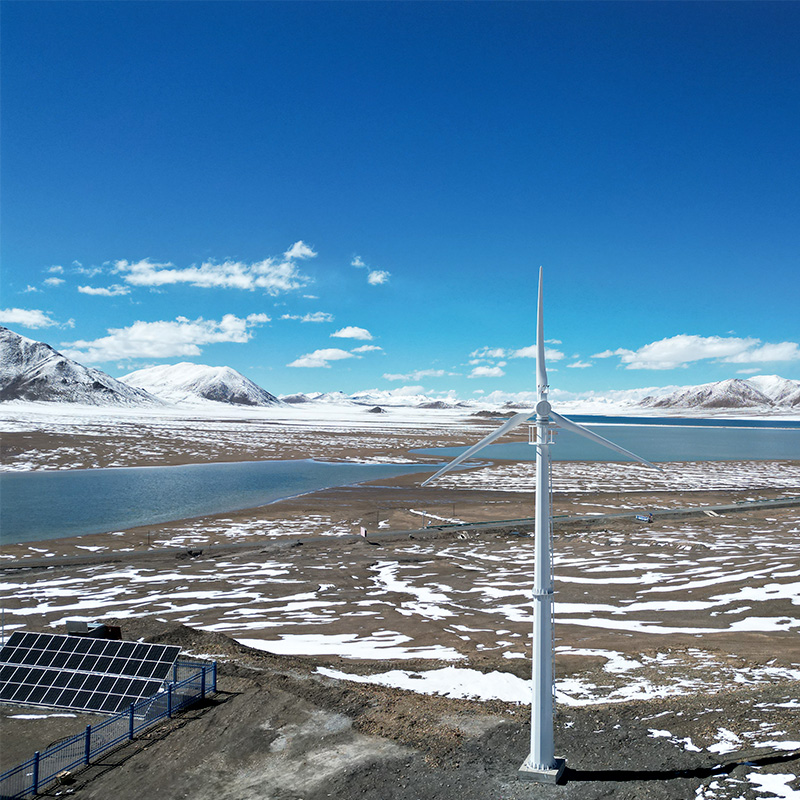
The cost of a solar wind hybrid system can vary widely based on several factors. Key considerations include:
System Size and Capacity: Larger systems with higher power outputs generally incur higher costs. It’s important to strike a balance between your energy needs and budget constraints.
Component Quality: The quality of the solar panels, wind turbines, and batteries impacts the overall cost. Higher-quality components may have a higher initial investment but often provide better reliability and efficiency over time.
Installation Costs: Installation can account for a significant portion of the total cost. Factors influencing installation expenses include site accessibility, mounting requirements, and local labor rates. Obtaining multiple quotes from experienced installers can help ensure competitive pricing.
Maintenance and Operating Costs: Long-term operational costs should also be factored in. Regular maintenance of the turbines and solar panels is necessary to ensure optimal performance and longevity. Residential 3kW PVT Solar Panel 2kW Wind Turbine 6P Air Source Heat Pump System can be a viable option for reducing these costs.
Incentives and Financing Options: Investigate available tax credits, rebates, and financing options that can offset initial costs. Many regions offer incentives for renewable energy investments, which can enhance the financial viability of your project.
Understanding these cost factors will empower buyers to make sound financial decisions when investing in solar wind hybrid systems.
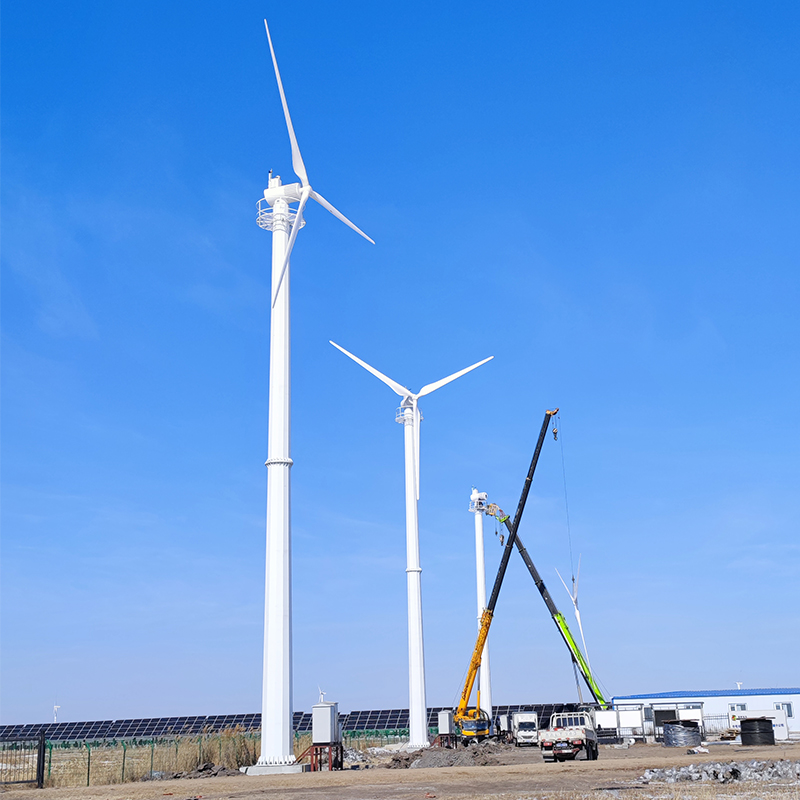
Proper installation is crucial for the efficiency and longevity of a solar wind hybrid system. Here are key considerations for installation in different settings:
Commercial Properties: For rooftops, ensure structural integrity can support the weight of solar panels and wind turbines. Consider the orientation of the roof for optimal sun exposure, and ensure there is adequate clearance for wind turbine operation.
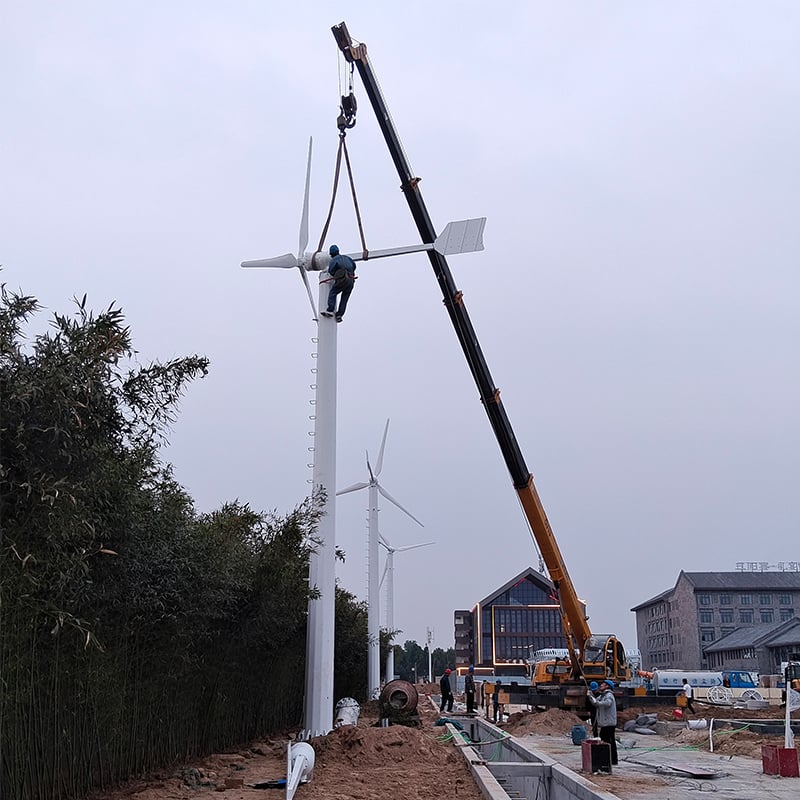
Rural or Remote Sites: When installing in off-grid locations, accessibility for delivery and installation is vital. Evaluate the need for additional infrastructure, such as access roads, to facilitate the installation process.
Urban Installations: In densely populated areas, noise and aesthetic impact are critical concerns. Choose wind turbines designed for quiet operation and ensure compliance with local zoning regulations that may dictate height limitations and setback requirements.
Agricultural Applications: Hybrid systems can significantly benefit farms by providing energy for irrigation, lighting, and equipment. Consider integrating the system with existing agricultural practices, such as placing solar panels above crops to maximize land use.
Engaging an experienced installer familiar with local regulations and site conditions can help ensure a successful installation tailored to your specific environment.
As leading brand in wind-powered hybrid power systems DHC is the only company with own wind turbine factory integrating R D development, design, production technical services. Since 2009 our founders have embraced idea of protecting the environment, immersed in new technology, and embraced company's Vertical wind turbine that focuses on "diligence and honesty, as well as cooperation and innovation." Our DHC brand DHC is a result of this.
primary products wind turbines, solar panels and lifepo4 batteries. customers will receive a one-stop-shop service the integration and Vertical wind turbine a wind-solar hybrid as well as smart photovoltaic system. DHC provides reliable products, technologies, and after-sales service to customers with excellent delivery capability.
We're dedicated solving commercial residential electrical needs utilizing a solar/wind power system. With professional supply chain management and integration capabilities, are able to provide customers with completely customized solutions. We'll provide high-quality service all hours of day from Wind turbine for home 5kw to design and after-sales.
Integrity the cornerstone of company. offer real power solutions offer an expert service. {When it comes to wind turbines, {you can pay attention it is important to Integrity is the foundation our company. We offer real power equipment, as well as skilled service. You can consider parameters like blade diameter as well as wind you should pay attention aspects like blade's diameter as well as weight. promise that all products produced by DHC come with 2kw vertical axis wind turbine power output and not overinflated power.
Solar wind hybrid systems are increasingly being adopted in various industrial applications due to their reliability and sustainability. Here are some key areas where they are making an impact:
Manufacturing Facilities: These systems can power machinery and lighting, reducing dependency on the grid and lowering operational costs. By generating energy on-site, manufacturers can protect themselves from fluctuating energy prices.
Telecommunications: Remote telecom towers can benefit from hybrid systems by providing a constant power supply, reducing the need for diesel generators, which can be costly and environmentally harmful.
Mining Operations: Mining companies often operate in remote locations with limited access to grid power. Hybrid systems can supply necessary energy for operations, reducing reliance on fuel deliveries and enhancing sustainability efforts.
Water Treatment Plants: These facilities require substantial energy for operations. Implementing a solar wind hybrid system can help lower energy costs and contribute to a more resilient energy infrastructure.</p>
By understanding the applications of solar wind hybrid systems, businesses can explore how these solutions can enhance operational efficiency and reduce environmental impact in their specific industries.
Welcome to DHC, the top brand of wind solar hybrid power system! We provide innovative and effective new energy solutions including wind turbine, solar panel, lifepo4 battery, etc.




 EN