
Hybrid solar and wind systems combine the strengths of both renewable energy sources, providing a reliable and efficient way to generate power. For B2B buyers such as purchasing managers, distributors, and engineers, understanding the nuances of selecting and implementing these systems is crucial. This article will address key considerations, supplier reliability, cost factors, common challenges, and applications associated with hybrid solar and wind energy solutions, ensuring that you are well-equipped to make informed purchasing decisions.
When selecting a hybrid solar and wind system, several critical factors come into play. First, consider the energy needs of your application—whether for residential, commercial, or industrial use. Assess the power output required, which will inform your choice of system size and capacity.
Next, evaluate the environmental conditions where the system will be installed. Wind speed and solar irradiance levels will significantly impact the efficiency of the system. It’s advisable to conduct an energy audit or feasibility study, as these insights can guide the selection of appropriate technologies and configurations.
Material selection is also pivotal. Choose components that can withstand local weather conditions and have a proven track record of durability. For instance, consider weather-resistant materials for wind turbines and high-efficiency solar panels, such as those available in our Portable Power Station. Additionally, examine the certifications and quality control processes of potential suppliers to ensure compliance with industry standards.
Lastly, understand the customization options available. A well-tailored solution can optimize performance and ensure compatibility with existing infrastructure, which is especially important for larger-scale installations.
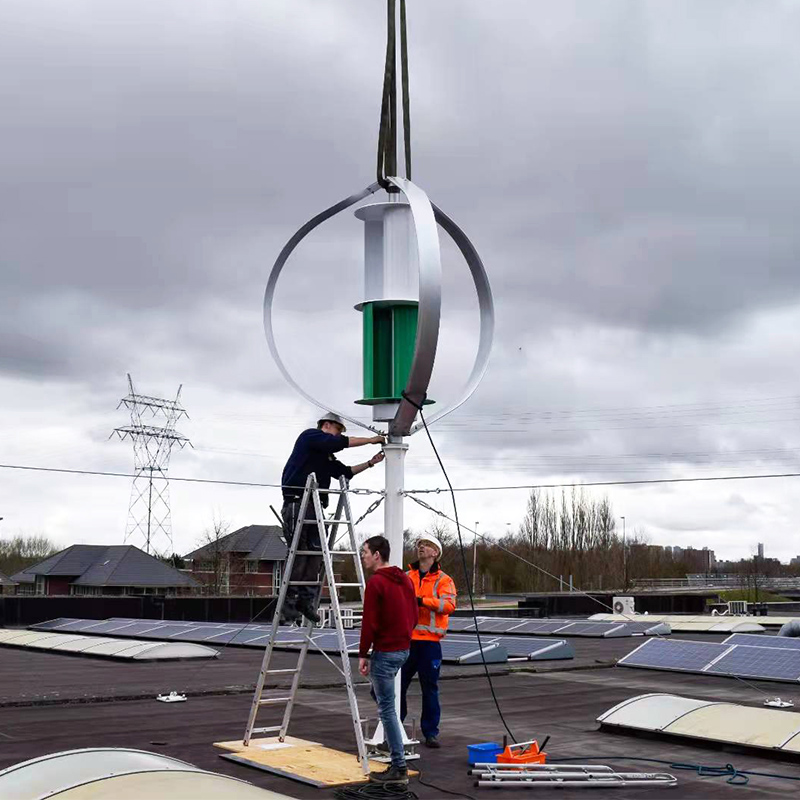
Finding a dependable supplier is critical for the successful deployment of hybrid solar and wind systems. Look for manufacturers with extensive experience in renewable energy technologies, such as Jiangsu DHC Environmental Si-Tech Co., Ltd., which has 15 years of expertise in this field.
Check their production capabilities and quality control processes. A supplier that operates a dedicated R&D factory, like Jiangsu DHC, can offer innovative solutions and customized products that meet your specific requirements. Furthermore, strong supply chain partnerships can enhance reliability and ensure timely delivery of components.
Evaluate the supplier’s customer service and technical support. A responsive team can assist with installation, maintenance, and troubleshooting, which is vital for minimizing downtime and ensuring optimal system performance. Lifepo4 Batteries are an important part of this process as they provide reliable energy storage.
Lastly, consider the supplier's market presence and export experience. Established suppliers are more likely to have robust logistics and support systems in place, which can be beneficial for international projects.
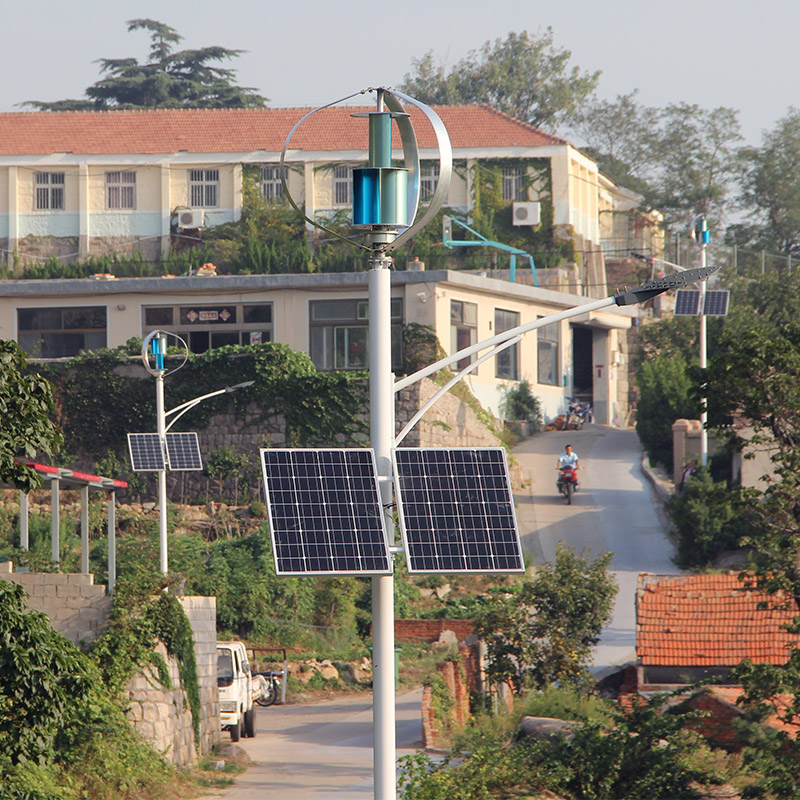
Understanding the cost structure of hybrid solar and wind systems is essential for budgeting and financial planning. Key cost components include equipment, installation, maintenance, and potential financing options.
The initial investment in high-quality equipment can be significant, but it's important to consider long-term savings. Evaluate the total cost of ownership, which includes energy savings, maintenance costs, and any potential incentives or rebates for renewable energy installations.
Installation costs can vary based on the complexity of the project and local labor rates. It's advisable to obtain multiple quotes from different suppliers to compare pricing and services. Ensure that quotes include all necessary components, such as inverters, batteries (like LiFePO4), and mounting systems.
Finally, consider ongoing maintenance costs. Hybrid systems require regular inspection and maintenance to operate efficiently. Establish a maintenance plan with your supplier that outlines service frequency and anticipated costs.
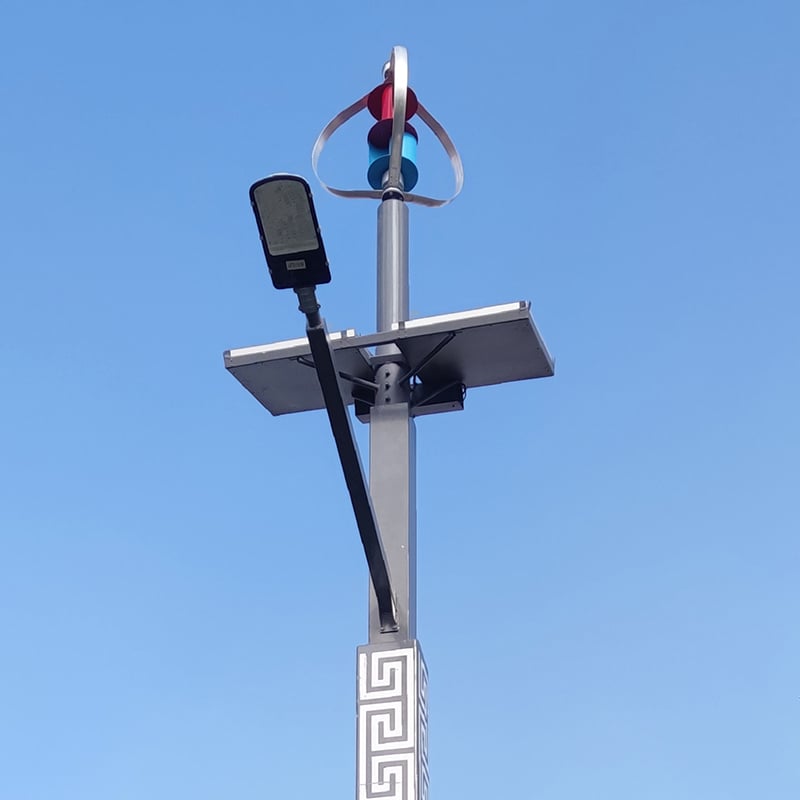
Hybrid solar and wind systems can encounter several common issues that may affect performance and reliability. One frequent challenge is system integration; ensuring that solar and wind components work harmoniously can be complex. To mitigate this, choose systems designed for compatibility and consider employing an experienced installer familiar with hybrid technologies.
Another common problem is energy storage management. Batteries, such as LiFePO4, play a crucial role in ensuring a steady power supply. It’s important to monitor the state of charge and health of the batteries regularly. Implementing a battery management system can help optimize performance and extend battery life.
Weather-related issues can also impact system performance. Wind turbines may require regular maintenance to ensure optimal operation in varying wind conditions, while solar panels should be kept clear of debris and snow. Establishing a routine maintenance schedule can help address these concerns proactively.
Lastly, buyers should be aware of local regulations and permitting requirements, which can affect installation timelines and costs. Engaging with local authorities early in the planning process can help streamline approvals.
We're Eolic generator meeting commercial domestic electricity needs with wind/solar power system. can provide our customers with tailored solutions through skilled supply chain management capabilities and capabilities for integration. We'll provide high-quality service all hours of day beginning with design, production and after-sales.
main products wind turbines and solar panels. customers can receive a single-source service integration and development wind-solar hybrids as well as intelligent photovoltaic systems. DHC provides reliable wind turbine and generator, technologies and after-sales support customers through exceptional delivery capability.
Integrity the cornerstone of company. offer real power solutions offer an expert service. {When it comes to wind turbines, {you can pay attention it is important to Integrity is the foundation our company. We offer real power equipment, as well as skilled service. You can consider parameters like blade diameter as well as wind you should pay attention aspects like blade's diameter as well as weight. promise that all products produced by DHC come with Vertical wind turbine power output and not overinflated power.
As most sought-after brand of wind solar hybrid power systems, DHC has own wind turbine factory integrating R D design, production and technical support. founders of DHC have been working on the idea green 5000w wind turbine protection since 2009 and immersed in the world of renewable energy adhering to the company's values "diligence as well as honesty, cooperation and innovation." Our DHC brand DHC is the result of this.
Hybrid solar and wind energy solutions have a wide range of applications across various sectors. In residential settings, these systems can provide a reliable energy source, reducing reliance on the grid and lowering electricity bills. They are particularly beneficial in remote areas where grid access is limited or unreliable.
For agricultural applications, hybrid systems can power irrigation systems, greenhouses, and livestock facilities, enhancing operational efficiency and sustainability. They are also suitable for commercial buildings, where they can help offset energy costs and improve green building credentials.
In industrial settings, hybrid systems can support operations that require continuous power, such as manufacturing processes or telecommunications. Distributed power stations can benefit from hybrid systems by ensuring a stable energy supply while reducing carbon footprints.
Overall, hybrid solar and wind solutions present a versatile and effective approach to meeting energy needs across diverse industries, aligning with sustainability goals while providing economic benefits.
Welcome to DHC, the top brand of wind solar hybrid power system! We provide innovative and effective new energy solutions including wind turbine, solar panel, lifepo4 battery, etc.




 EN