
Hybrid solar wind turbines combine the strengths of both solar and wind energy, offering a versatile solution for renewable energy generation. As a B2B buyer, understanding the technical specifications, quality evaluation, and cost factors associated with hybrid solar wind turbines is crucial to making an informed purchasing decision. This article aims to provide insights into selecting the right hybrid solar wind turbine for your project, ensuring that you consider all relevant aspects before proceeding with your order.
When selecting a hybrid solar wind turbine, consider your specific energy needs, environmental conditions, and site characteristics. Key factors include:
Energy Requirements: Determine the total energy output required for your application, whether for residential, agricultural, or commercial purposes. The turbine's capacity should align with your expected energy consumption.
Site Assessment: Analyze the wind and solar resources available at your location. Wind speed, direction, and solar irradiance will influence the performance of the hybrid system. A thorough site assessment can help in choosing the right turbine size and configuration.
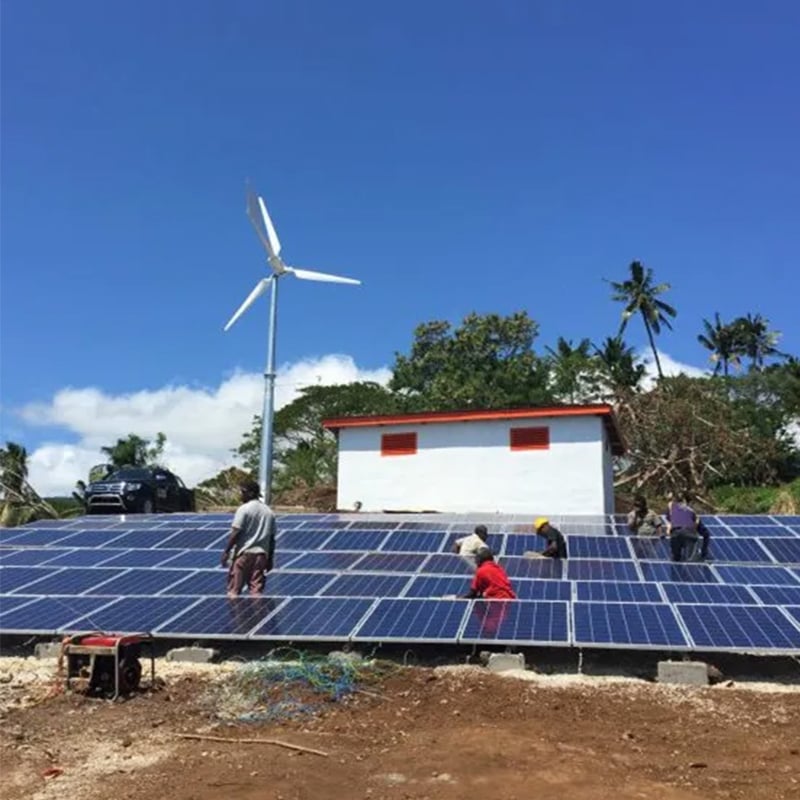
Hybrid System Design: Evaluate the design compatibility of the solar panels and wind turbine. The ability to integrate both systems effectively is essential for maximizing energy production. A well-designed hybrid system can provide reliable performance even in variable weather conditions.
Regulatory Compliance: Ensure the chosen turbine meets local regulations and standards for installation. This includes noise levels, zoning laws, and environmental impact assessments.
Customization Options: Look for manufacturers that offer customization capabilities to meet specific project requirements. This may include varying turbine heights, blade designs, or integrated battery storage solutions.
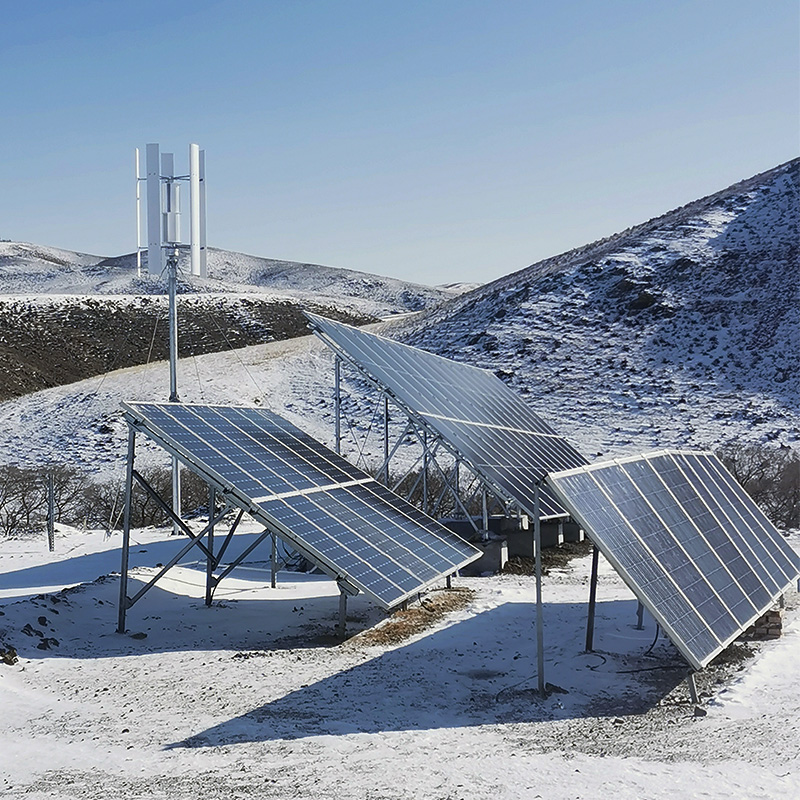
Understanding the key specifications of hybrid solar wind turbines is essential for wholesale buyers. Here are some critical specifications to consider:
Power Output: Identify the nominal power output of the turbine, usually measured in kilowatts (kW). This specification indicates the turbine's maximum energy production capacity under optimal conditions.
Cut-in and Cut-out Wind Speeds: These metrics define the wind speed at which the turbine begins to generate power and the speed at which it shuts down to prevent damage. Knowing these values helps assess the turbine's operational range.
Rotor Diameter: The diameter of the rotor influences the amount of wind energy captured. Larger rotors typically yield more energy but may require more space and have higher installation costs.
Solar Panel Integration: Consider the type and efficiency of the solar panels included in the hybrid system. High-efficiency panels can significantly enhance overall energy production.
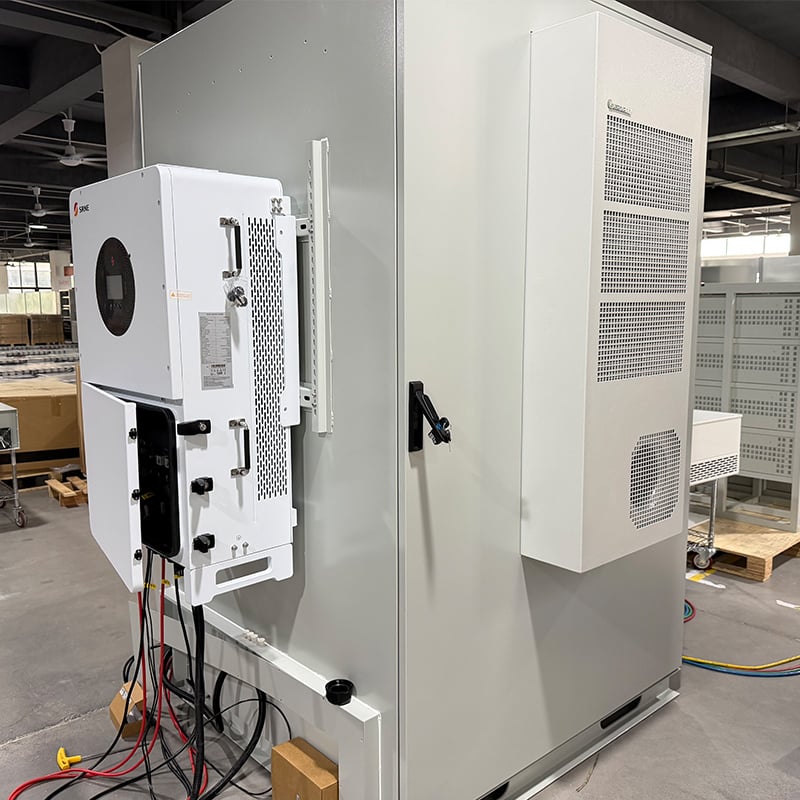
Battery Storage Capacity: If the system includes batteries, evaluate their capacity and technology (e.g., LiFePO4 batteries), as this will affect energy storage and discharge capabilities.
Durability and Certifications: Check for certifications that indicate compliance with international standards for quality and safety. This can include ISO certifications, ensuring reliability and durability.
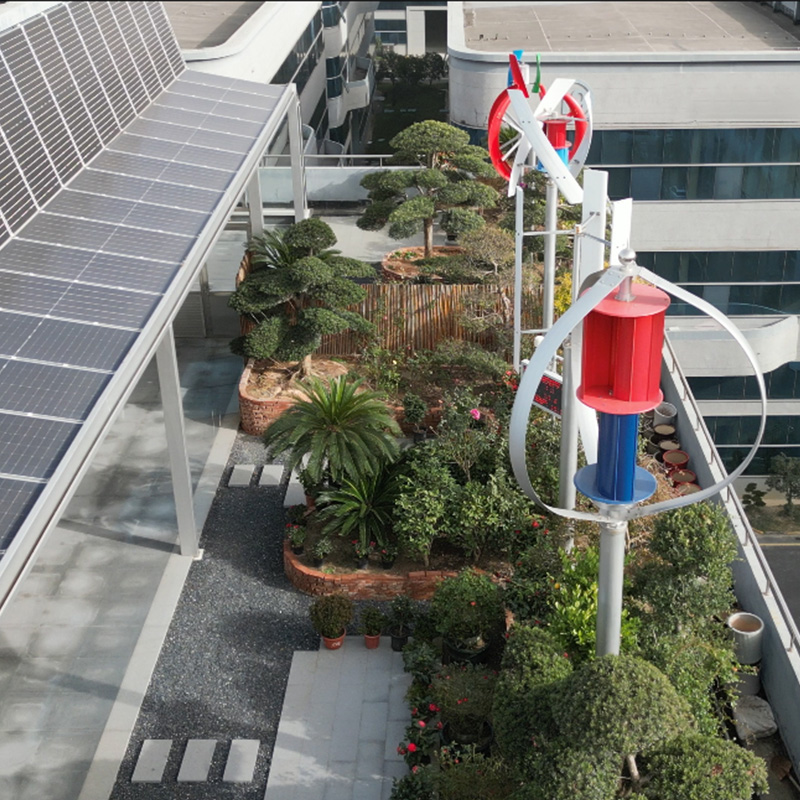
Quality assessment is a critical step before purchasing hybrid solar wind turbines. Here are some methods to ensure you are making a sound investment:
Supplier Reputation: Research the manufacturer's reputation within the industry. Look for reviews, case studies, and testimonials from previous customers to gauge reliability.
Material Quality: Inspect the materials used in the turbine's construction. High-quality materials can withstand harsh environmental conditions and prolong the lifespan of the turbine.
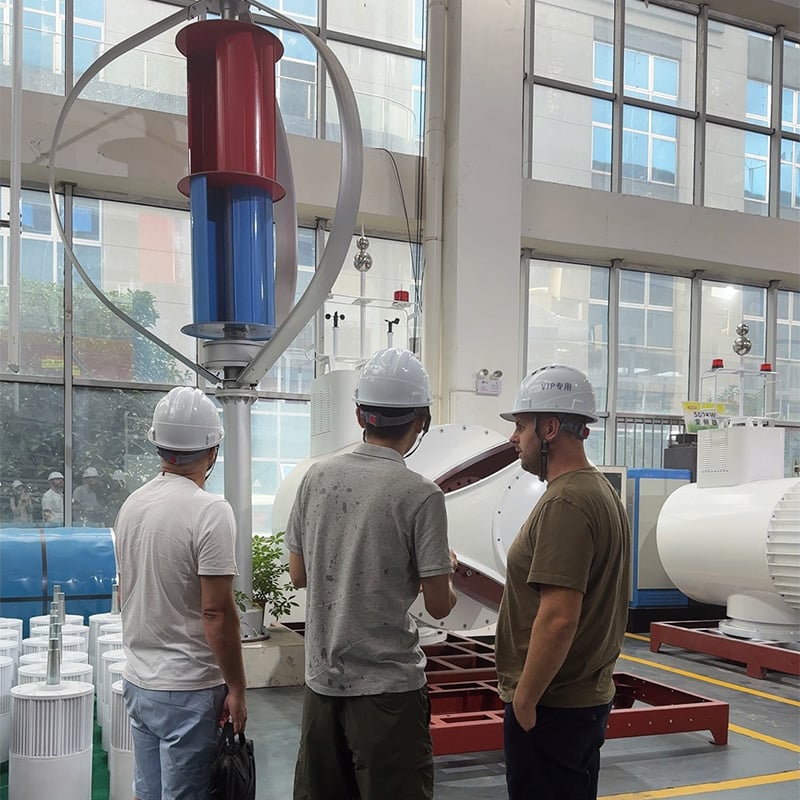
Quality Control Processes: Inquire about the manufacturer's quality control measures. A robust quality management system should be in place to monitor production processes and ensure consistent product quality.
Testing Procedures: Verify if the turbines undergo rigorous testing before shipment. This can include performance testing under various conditions to ensure they meet specified output levels.
Sample Approval: Request a sample or prototype of the hybrid solar wind turbine for evaluation. Testing the sample under real-world conditions can help confirm its performance and suitability for your application.
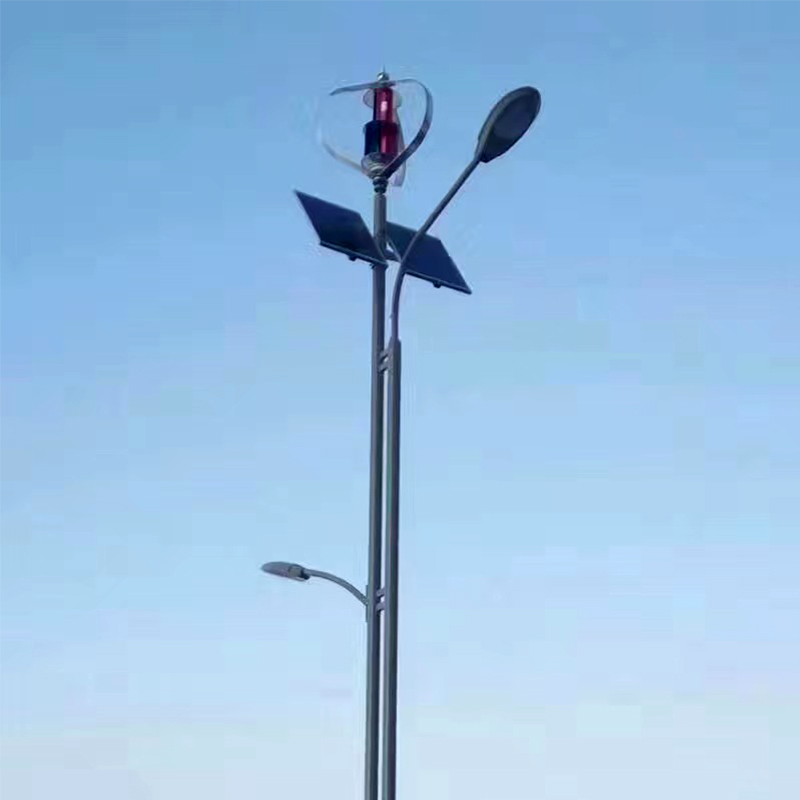
The total cost of acquiring hybrid solar wind turbines extends beyond the initial purchase price. Consider the following cost factors:
Initial Investment: The upfront cost will include the turbine, solar panels, installation, and any ancillary equipment such as inverters and battery storage.
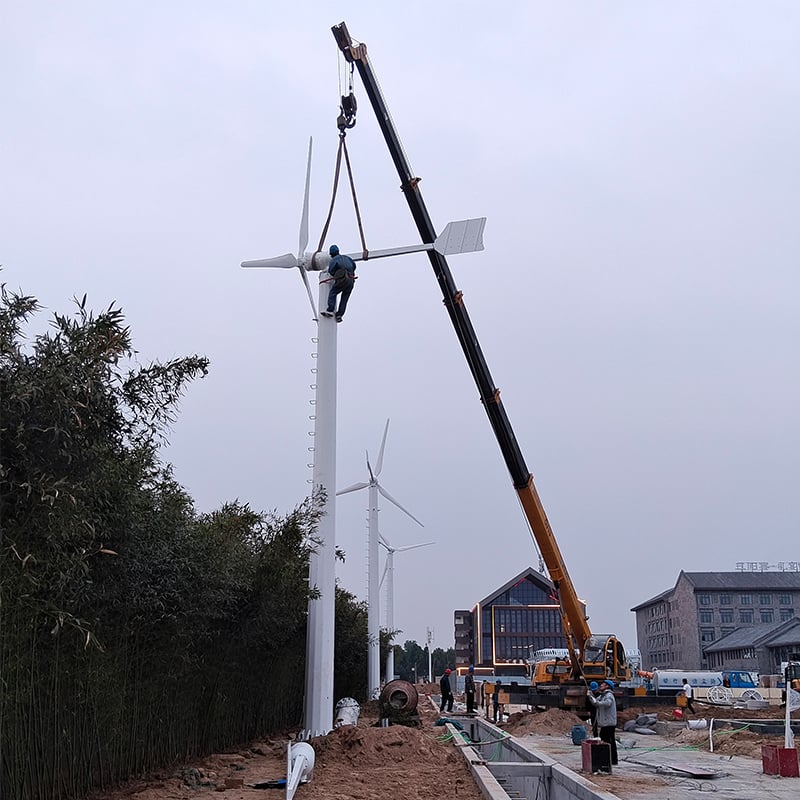
Installation Costs: Installation expenses can vary based on site conditions and the complexity of the hybrid system. Ensure you account for professional installation services, which may include structural assessments and grid connection.
Maintenance and Operation: Factor in ongoing maintenance costs, including regular inspections and potential repairs. A well-maintained system can enhance performance and extend its operational life.
Incentives and Rebates: Research available government incentives and rebates for renewable energy projects, as these can significantly offset initial costs.
Energy Savings: Calculate potential energy savings over the turbine's lifespan. A well-implemented hybrid system can reduce reliance on the grid, leading to lower energy bills.
As most sought-after brand of wind solar hybrid power systems, DHC has own wind turbine factory integrating R D design, production and technical support. founders of DHC have been working on the idea green 5000w wind turbine protection since 2009 and immersed in the world of renewable energy adhering to the company's values "diligence as well as honesty, cooperation and innovation." Our DHC brand DHC is the result of this.
We're dedicated solving commercial residential electrical needs utilizing a solar/wind power system. With professional supply chain management and integration capabilities, are able to provide customers with completely customized solutions. We'll provide high-quality service all hours of day from Wind turbine for home 5kw to design and after-sales.
We dedicated to upholding integrity as cornerstone of our business, offering customers genuine power products expert services. In the case of wind turbines can pay attention is important to committed to keeping integrity as the cornerstone of business, offering customers the best power products as well as 15kw wind turbine for home services. Consider parameters such as blade diameter and wind turbine's weight when you evaluate wind turbines. We promise that all products manufactured by DHC have real power output without exaggerated power.
main products wind turbines and solar panels. customers can receive a single-source service integration and development wind-solar hybrids as well as intelligent photovoltaic systems. DHC provides reliable wind turbine and generator, technologies and after-sales support customers through exceptional delivery capability.
Understanding common issues associated with hybrid solar wind turbines can help mitigate risks. Here are some problems and their solutions:
Intermittent Energy Production: Variability in wind and solar energy can lead to inconsistent power generation. Implementing a battery storage system can provide a buffer, storing energy during peak production for use during low-generation periods.
Mechanical Failures: Regular maintenance is essential to prevent mechanical failures. Establish a routine maintenance schedule to inspect and service all components, including the turbine and solar panels.
Site Limitations: Some sites may not provide adequate wind or solar resources, leading to suboptimal performance. Conduct thorough site assessments and consider alternative locations if necessary.
Installation Challenges: Poor installation can lead to operational issues. Ensure that the installation team is experienced and follows the manufacturer’s guidelines to guarantee proper setup.
Regulatory Hurdles: Navigating local regulations can be challenging. Engaging with local authorities early in the planning process can help identify potential issues and streamline approvals.
By addressing these common problems proactively, buyers can enhance the reliability and efficiency of their hybrid solar wind turbine systems, ensuring a successful renewable energy investment.
Welcome to DHC, the top brand of wind solar hybrid power system! We provide innovative and effective new energy solutions including wind turbine, solar panel, lifepo4 battery, etc.
 EN