
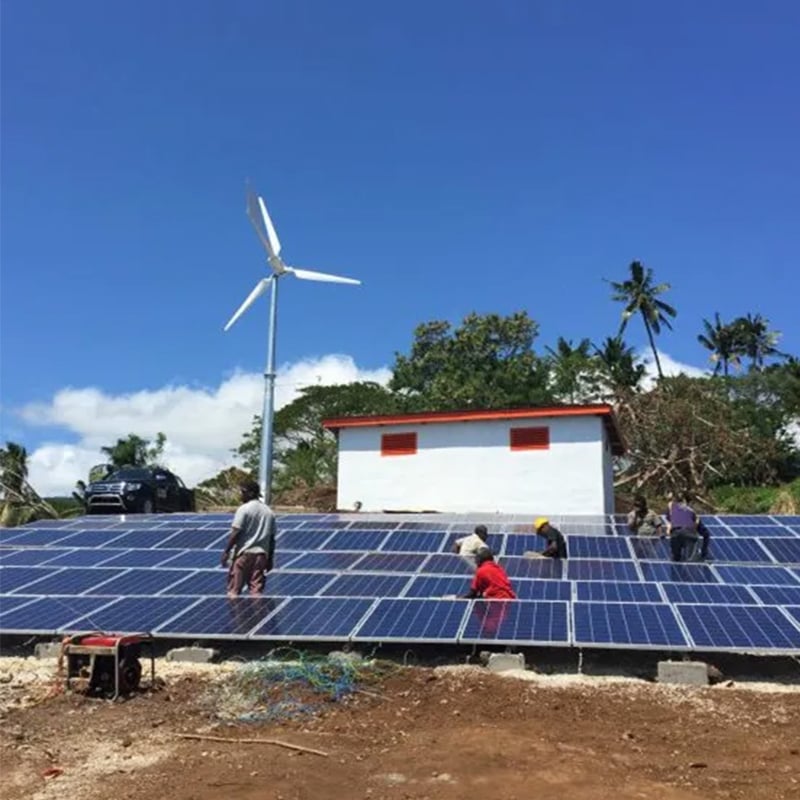
Hybrid solar wind power generation systems combine the strengths of both solar and wind energy sources, offering a reliable and sustainable energy solution. These systems are particularly attractive to B2B buyers, including purchasing managers, engineers, and product managers, who are often tasked with evaluating energy solutions for homes, farms, or distributed power stations. This article provides essential insights into selecting the right hybrid solar wind power generation system for your specific needs, purchasing considerations, best practices, common challenges, and sourcing reliable suppliers.
When selecting a hybrid solar wind power generation system, several critical factors should be considered. First, assess the energy requirements of your application. Understand the total energy consumption patterns to determine the appropriate capacity of the system. The power output can vary significantly based on geographical location and climate conditions. Systems should be designed to optimize energy capture from both solar and wind resources.
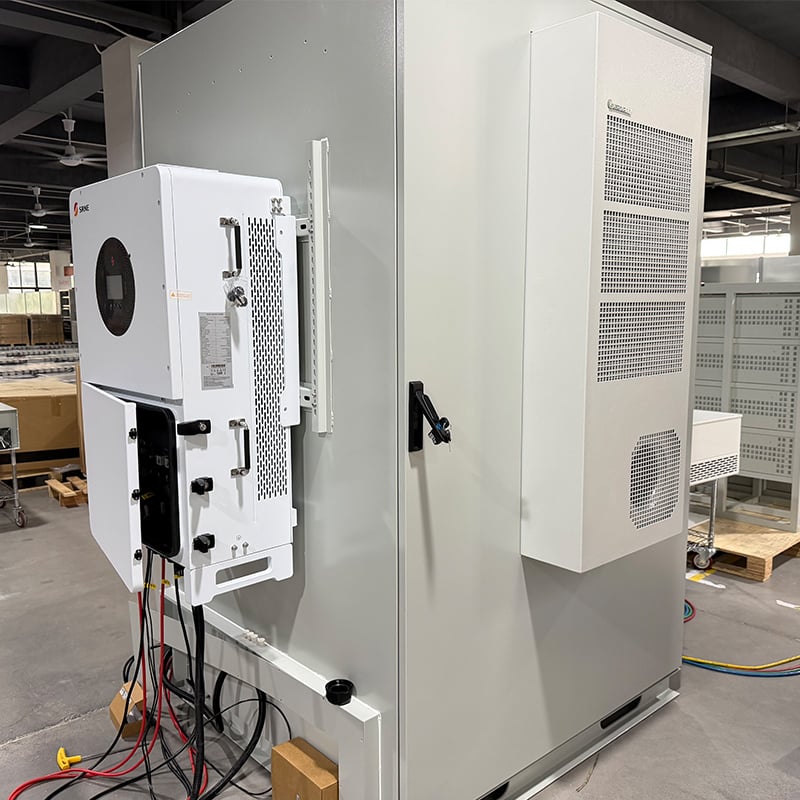
Another essential aspect is the configuration of the system. A well-designed hybrid system will integrate both energy sources effectively. Buyers should consider the system's design specifications, including the size and type of solar panels, wind turbine capacity, and the energy storage solution, such as LiFePO4 batteries, which are known for their efficiency and longevity. Ensure the components can seamlessly work together to maintain a consistent energy supply.
Furthermore, customization capabilities are vital. Different applications may require unique configurations, such as off-grid setups for remote locations or grid-tied systems for urban areas. Understanding the specific needs of your project will guide you to a solution that not only meets your energy requirements but also aligns with local regulations and environmental standards.
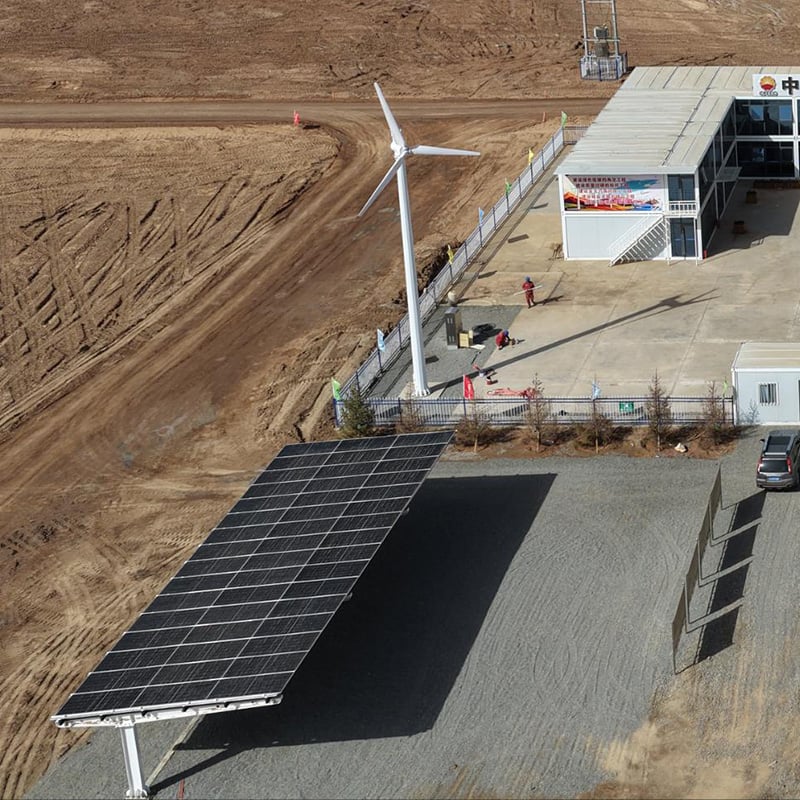
When approaching wholesale purchasing of hybrid solar wind power systems, it’s crucial to establish a clear understanding of your requirements. Start by determining key specifications, including:
Power Capacity: Identify the total output required to meet your energy needs. System Components: Specify the types and sizes of solar panels, wind turbines, and batteries. Installation Needs: Consider space requirements and compatibility with existing infrastructure.Next, gather quotations from multiple suppliers. Provide them with detailed information about your project, including the intended application, location, and desired performance characteristics. This data will help suppliers present tailored solutions that match your needs.
Additionally, pay attention to the minimum order quantities (MOQ) and lead times. Understanding these factors will help you plan your project timeline and budget effectively. As a best practice, request samples or prototypes to evaluate the quality and performance of the systems before finalizing your order.
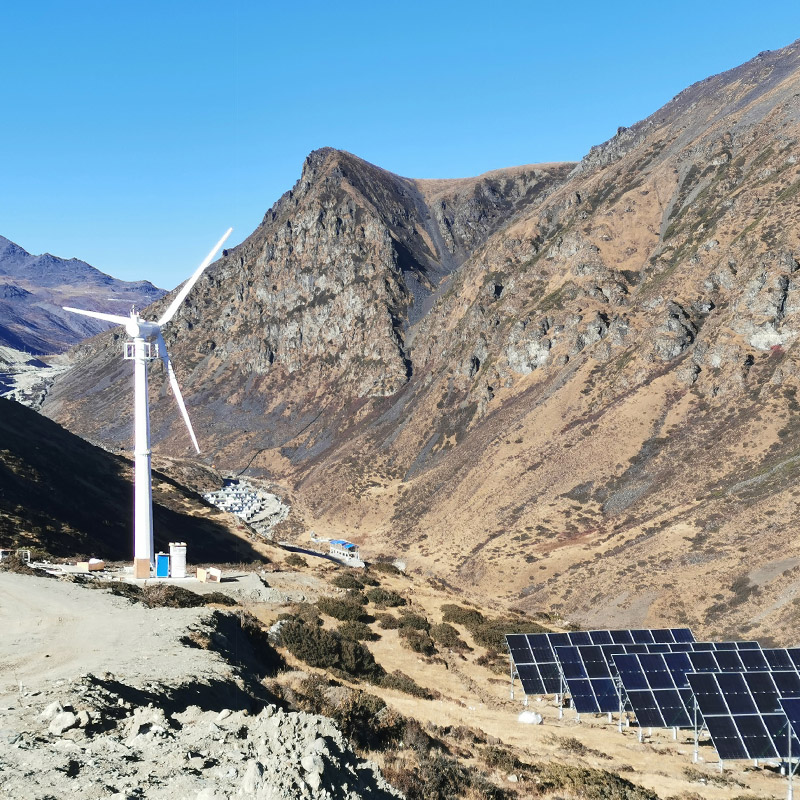
To ensure successful implementation of a hybrid solar wind power generation system, adhere to these best practices:
Conduct Site Assessments: Analyze local wind and solar conditions to determine the optimal setup. This includes measuring wind speeds and solar radiation to ensure the system is appropriately sized.
Quality Control: Implement rigorous quality control inspections throughout the manufacturing process. Verify that components meet specified standards and certifications for performance and safety.
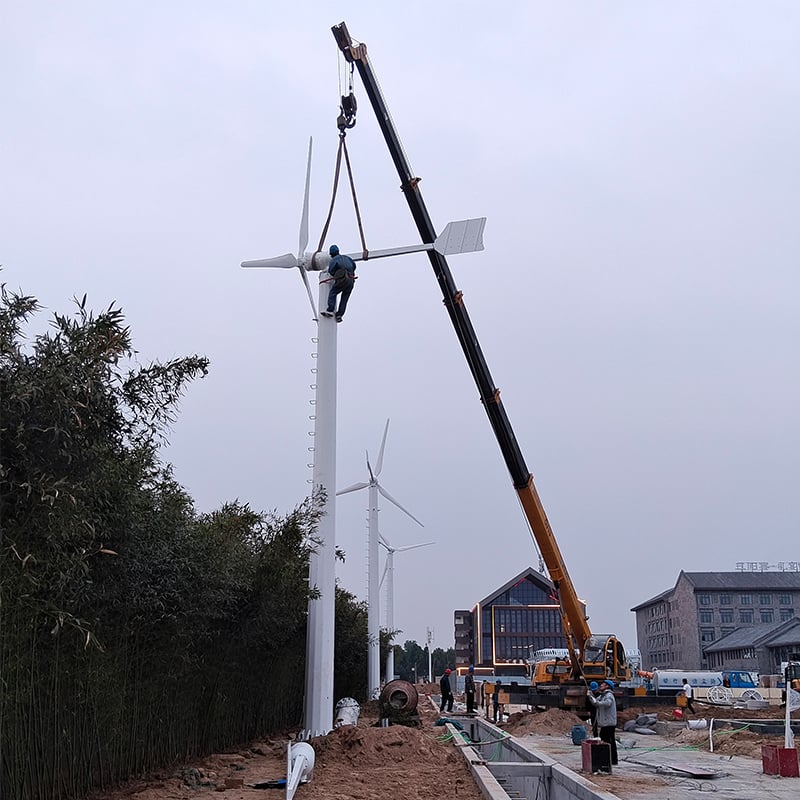
Installation Expertise: Engage experienced professionals for system installation. Proper installation is crucial for maximizing energy efficiency and ensuring compliance with local regulations.
Regular Maintenance: Establish a maintenance schedule to keep the system operating efficiently. Periodic inspections and servicing of the solar panels, wind turbines, and battery systems are essential for long-term performance.
Documentation and Training: Provide comprehensive documentation and training for personnel responsible for operating and maintaining the system. This ensures that users understand the system's functionality and can troubleshoot minor issues.
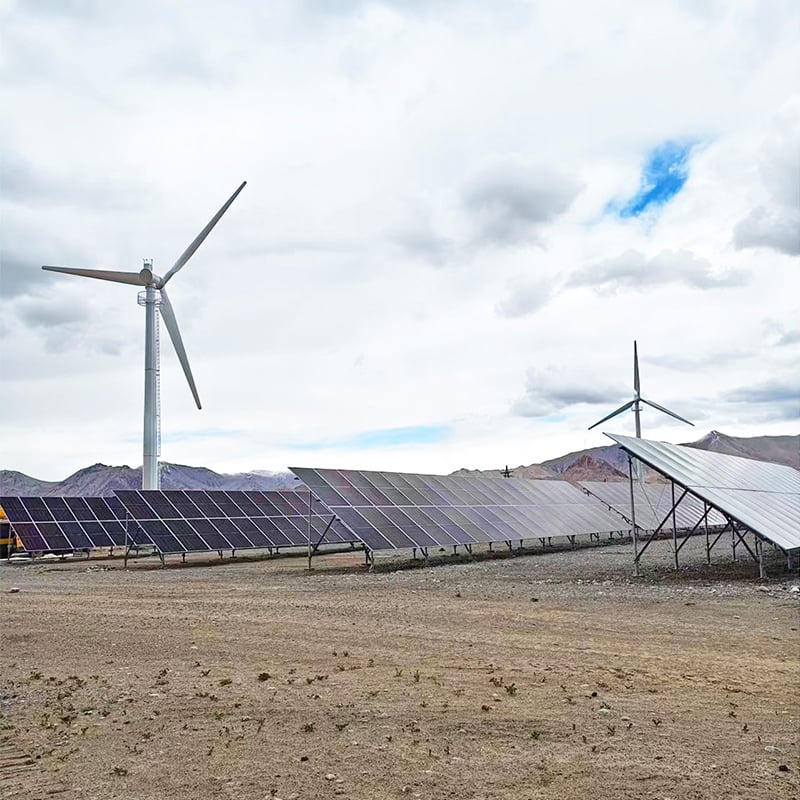
Despite their benefits, hybrid solar wind power generation systems can face challenges. Here are common issues along with their solutions:
Intermittent Power Generation: Fluctuations in energy output can occur due to varying weather conditions. To mitigate this, ensure that the system is designed with sufficient energy storage capacity, such as LiFePO4 batteries, to handle periods of low generation.
Component Compatibility: Buyers may encounter compatibility issues between different components. It’s crucial to select systems from reputable manufacturers that ensure their components are designed to work together effectively.
Installation Errors: Improper installation can lead to inefficiencies. Always hire qualified professionals to install the system and conduct thorough site assessments beforehand to prevent such issues.
Maintenance Challenges: Regular maintenance is essential, but some buyers may neglect this aspect. Establishing a clear maintenance plan that includes routine inspections and servicing will help maintain system efficiency and longevity.
Integrity is foundation of our company. offer real power equipment, as well as skilled Wind turbine. In the case of wind turbines, {you can pay attention it is important to commitment to integrity the basis of our business. We provide genuine power equipment, as well as expert service. Consider parameters such as blade diameter as well as wind turbine weight when looking at wind turbines. DHC promises that its products are able to deliver real power without exaggerating the power.
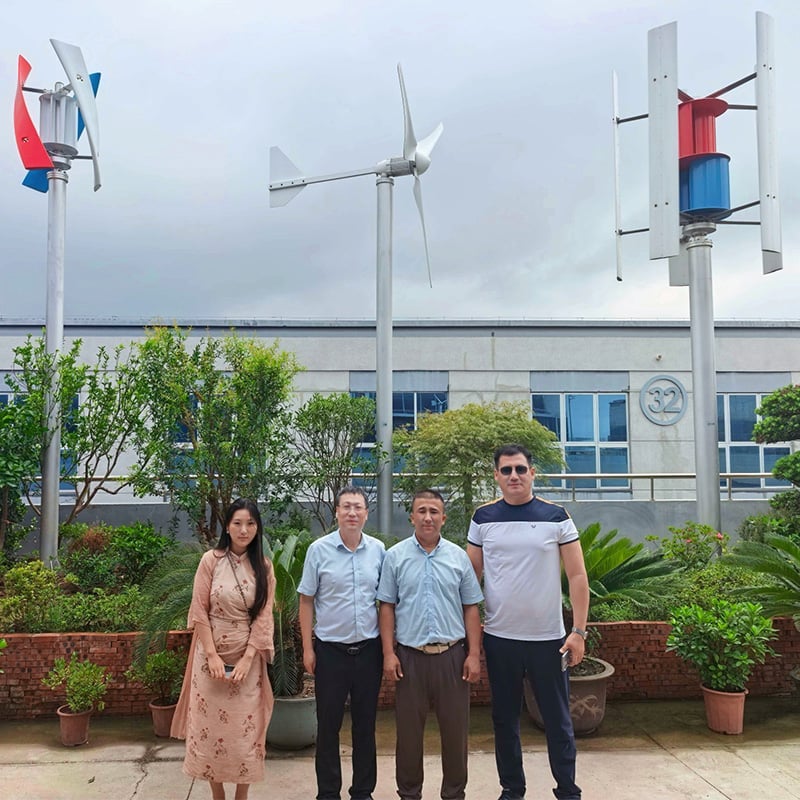
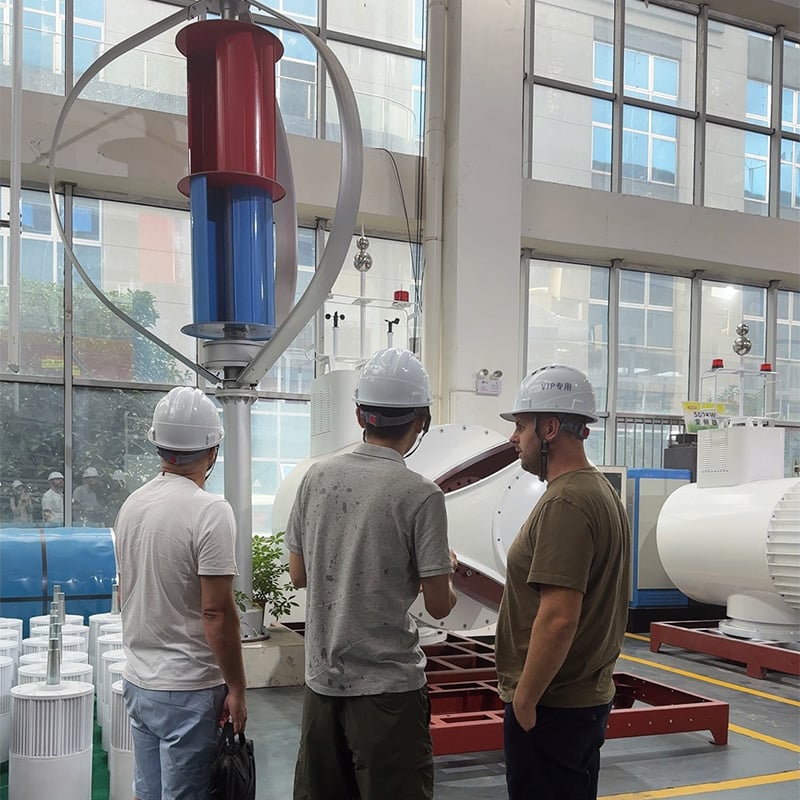
As most sought-after brand of wind solar hybrid power systems, DHC has own wind turbine factory integrating R D design, production and technical support. founders of DHC have been working on the idea green 5000w wind turbine protection since 2009 and immersed in the world of renewable energy adhering to the company's values "diligence as well as honesty, cooperation and innovation." Our DHC brand DHC is the result of this.
primary products wind turbines, solar panels and lifepo4 batteries. customers will receive a one-stop-shop service the integration and Eolic generator a wind-solar hybrid as well as smart photovoltaic system. DHC provides reliable products, technologies, and after-sales service to customers with excellent delivery capability.
We're dedicated solving commercial residential electrical needs utilizing a solar/wind power system. With professional supply chain management and integration capabilities, are able to provide customers with completely customized solutions. We'll provide high-quality service all hours of day from 2kw vertical axis wind turbine to design and after-sales.
Sourcing reliable suppliers for hybrid solar wind power generation systems involves careful research and evaluation. Here are steps to guide your search:
Industry Directories: Utilize industry-specific directories and trade associations to identify reputable manufacturers. Look for companies with a strong track record in renewable energy, particularly those specializing in hybrid systems.
Certifications and Standards: Verify suppliers' certifications to ensure compliance with international quality and safety standards. This can include ISO certifications or other relevant industry standards.
Supplier Reviews: Look for reviews and testimonials from other buyers. This feedback can provide insights into the supplier's reliability, customer service, and product performance.
Product Trials: Before committing to a purchase, request product trials or demonstrations. This allows you to assess the quality and performance of the systems firsthand.
Partnerships and Support: Choose suppliers that offer strong after-sales support and a willingness to partner in customizing solutions according to your needs. A supplier that invests in customer relationships is likely to be more reliable in the long run.
By following these guidelines and considering the practical aspects of hybrid solar wind power generation systems, B2B buyers can make informed purchasing decisions that align with their energy needs and project goals.
Welcome to DHC, the top brand of wind solar hybrid power system! We provide innovative and effective new energy solutions including wind turbine, solar panel, lifepo4 battery, etc.
 EN