
Hybrid solar wind power generation systems combine solar and wind energy technologies to provide a more reliable and efficient energy solution. As businesses increasingly seek sustainable energy options, understanding the nuances of these hybrid systems becomes crucial. Key concerns for B2B buyers include assessing the quality, cost, installation challenges, and real-world applications of these systems. This article will help purchasing managers, engineers, and decision-makers comprehend the essential aspects of hybrid solar wind power generation, enabling informed purchasing decisions.
When evaluating hybrid solar wind power generators, buyers should consider several critical factors to ensure quality. First, assess the materials used in both the solar panels and wind turbines. High-quality photovoltaic cells and durable turbine materials can significantly affect performance and longevity. Products that utilize advanced materials such as monocrystalline silicon for solar panels and corrosion-resistant alloys for turbine components tend to offer better efficiency and durability. Furthermore, integrating a reliable Wind Controller can enhance the overall efficiency of the hybrid system.
Another aspect to consider is the generator's power output ratings. Ensure that the system can meet your energy demands by checking its rated output in kilowatts (kW) and understanding its performance under various environmental conditions, such as low wind speeds or cloudy weather. It's essential to inquire about the manufacturer's testing protocols and certifications, which validate the claims made about performance and efficiency.
Lastly, quality control processes during manufacturing should not be overlooked. A reputable manufacturer, like Jiangsu DHC Environmental Si-Tech Co., Ltd., will have rigorous testing and quality assurance measures in place to ensure each unit meets industry standards before it reaches the market. Buyers should request documentation of these processes to ascertain the reliability of the product.
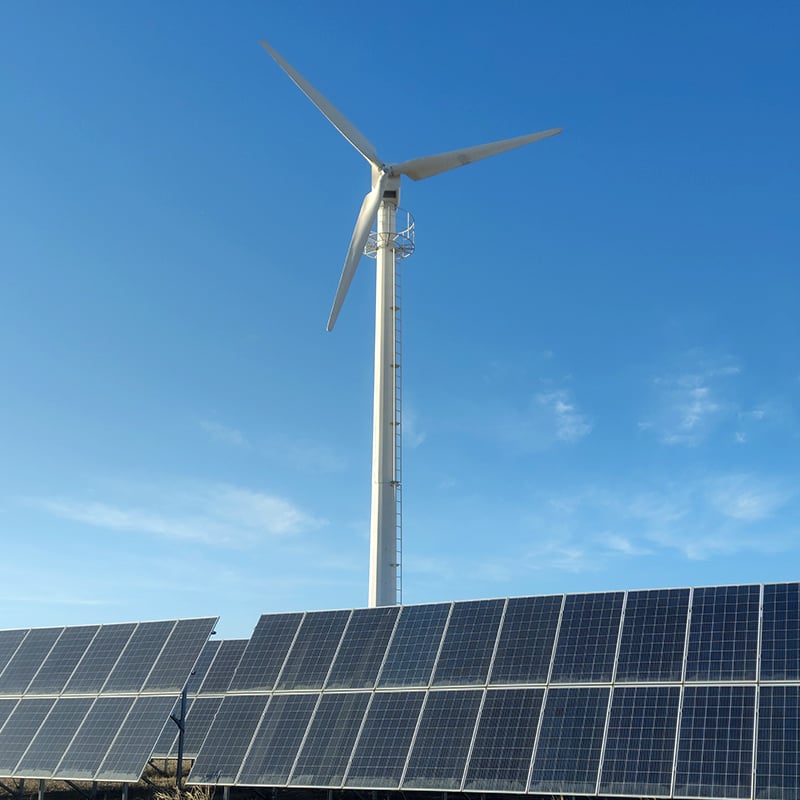
Understanding the cost components of hybrid solar wind power systems is vital for budgeting and financial planning. The initial investment includes both capital costs for the equipment and installation, as well as ongoing operational expenses. Buyers should evaluate the total installed cost per kilowatt, which encompasses equipment, labor, permits, and any additional infrastructure needed.
Consideration of financing options can also impact overall costs. Buyers may explore leasing options, power purchase agreements (PPAs), or government incentives for renewable energy installations, which can lower upfront costs. It's essential to compare the long-term savings on energy bills against the initial investment to determine the return on investment (ROI).
Additionally, operational costs, including maintenance and warranty coverage, should be factored into the overall cost evaluation. Some manufacturers offer extended warranties or service packages that can mitigate long-term operational expenses. Understanding these costs will help buyers choose a solution that aligns with their budget and financial goals.
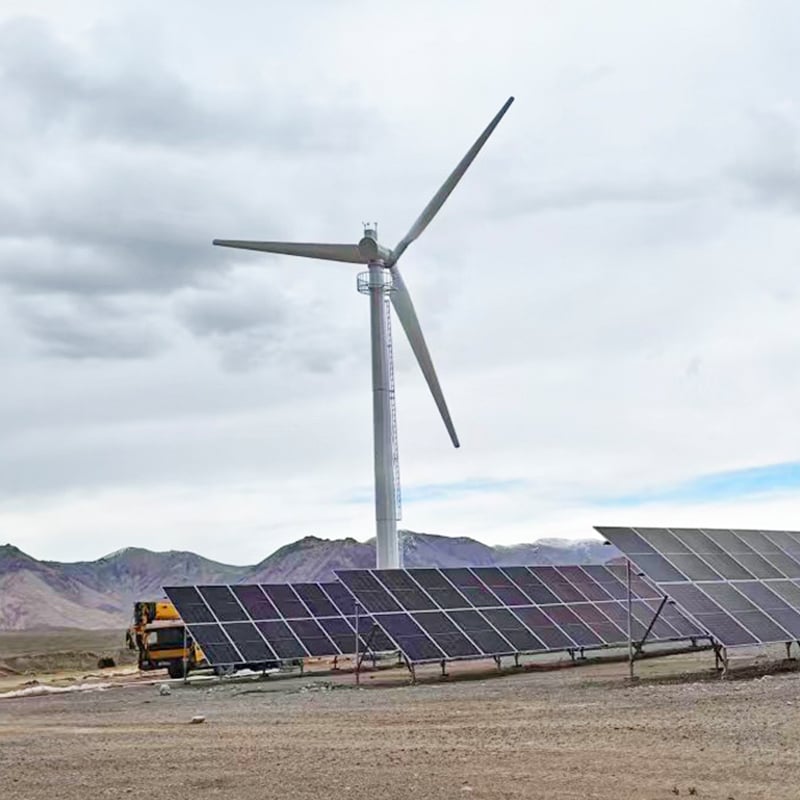
Installing hybrid solar wind power systems presents unique challenges that buyers should be aware of. One common issue is site assessment. Proper site evaluation is crucial to determine the optimal placement for both solar panels and wind turbines to maximize energy production. Factors such as wind patterns, shading from nearby structures, and ground conditions need thorough analysis.
Another challenge is the integration of the two energy systems. Buyers must ensure that the control systems for solar and wind technologies are compatible and can work together seamlessly. This may involve sophisticated energy management systems that can optimize output based on real-time data.
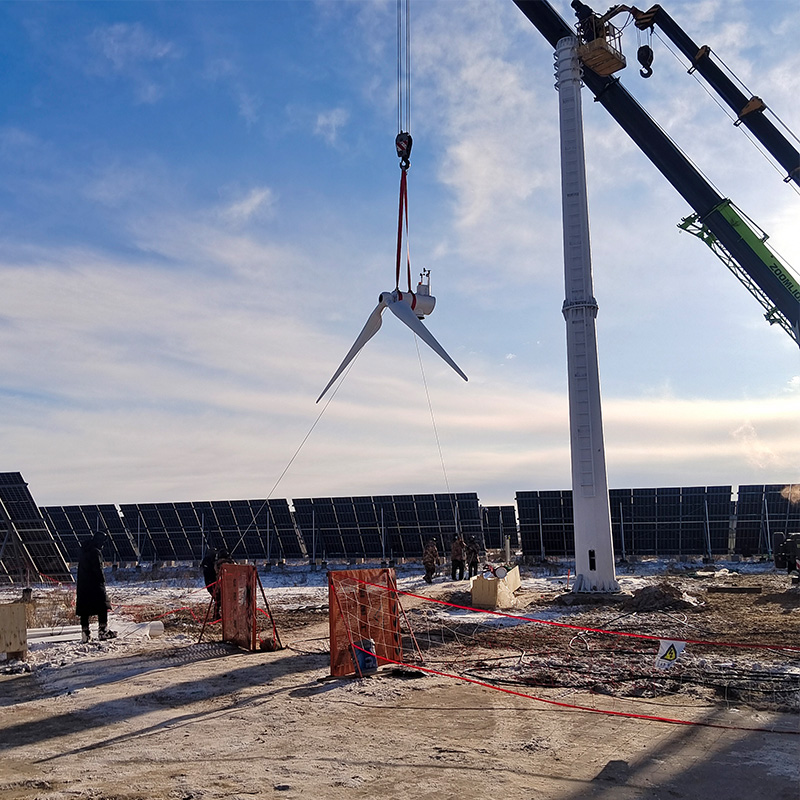
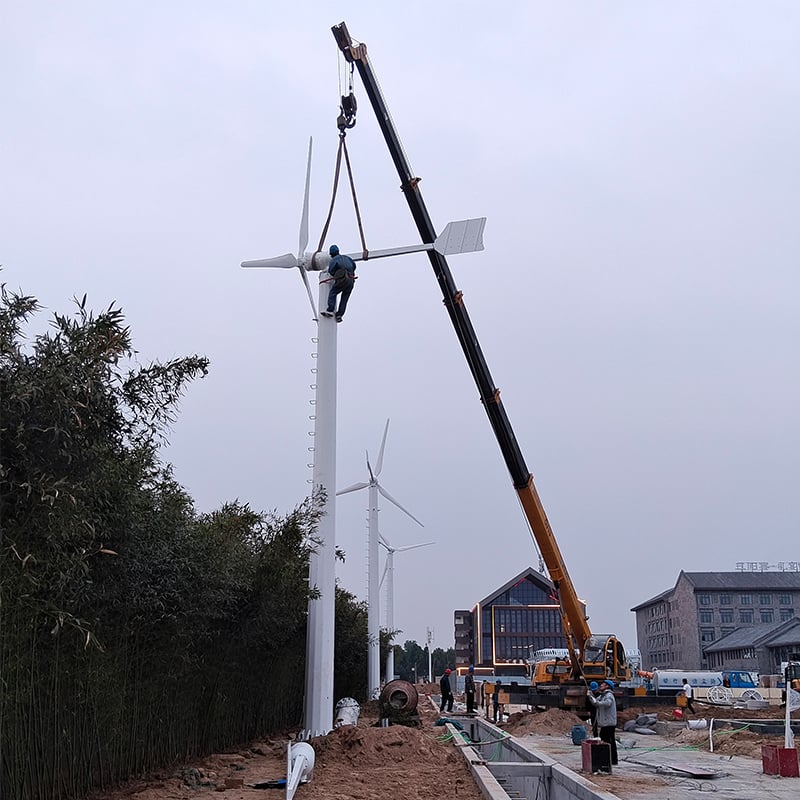
Installation logistics can also present hurdles. The size and weight of turbines, along with the need for specialized installation equipment, can complicate the installation process. Buyers should choose a supplier with a proven track record in managing complex installations and providing comprehensive support throughout the process.
Hybrid solar wind power generation is being increasingly adopted across various sectors, demonstrating its versatility and effectiveness. One prominent application is in agricultural settings, where farms leverage these systems to reduce reliance on conventional energy sources, thereby lowering operational costs and enhancing sustainability.
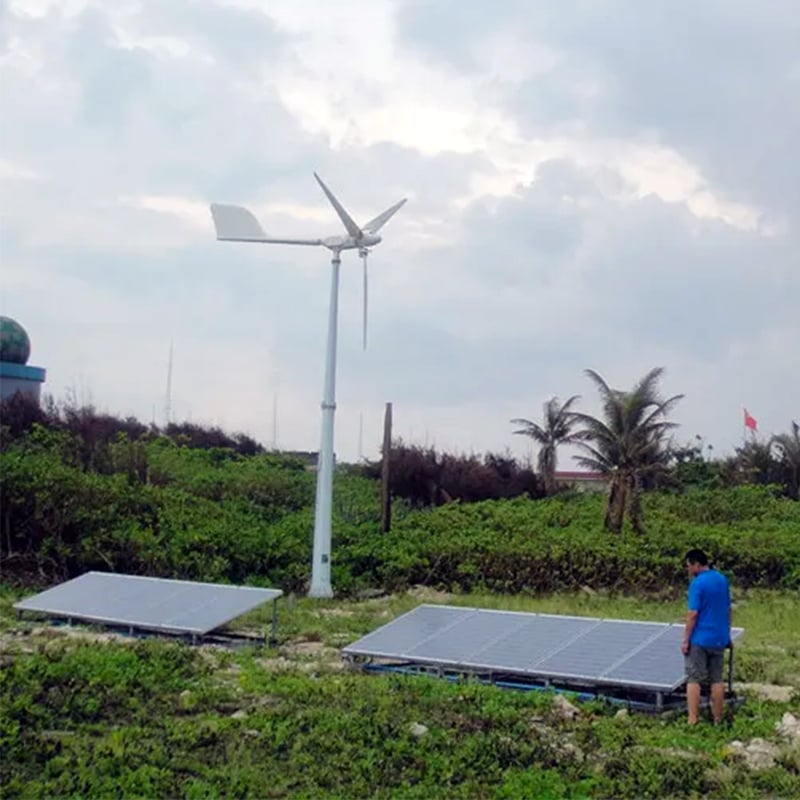
In remote or off-grid locations, hybrid systems provide a reliable energy supply where traditional grid access is limited. This is particularly beneficial for rural communities, telecommunications towers, and remote mining operations, which can suffer from energy shortages.
Additionally, industrial facilities are increasingly utilizing hybrid systems to power their operations. By integrating renewable energy sources, businesses can reduce their carbon footprint and achieve sustainability targets while benefiting from lower energy costs. For example, a manufacturing plant may use hybrid systems to supplement its energy needs, ensuring consistent production without interruptions.
primary products wind turbines, solar panels and lifepo4 batteries. customers will receive a one-stop-shop service the integration and wind turbine generator a wind-solar hybrid as well as smart photovoltaic system. DHC provides reliable products, technologies, and after-sales service to customers with excellent delivery capability.
DHC is market leader the hybrid wind solar power systems. It has its own factory that incorporates R D and production, design, and technical services. Since 2009 our founders have embraced the concept of environmental protection by Eolic generator new technology embraced the corporate culture of "diligence integrity, collaboration and creativity." This is also the source of our name "DHC".
Integrity the cornerstone of company. offer real power solutions offer an expert service. {When it comes to wind turbines, {you can pay attention it is important to Integrity is the foundation our company. We offer real power equipment, as well as skilled service. You can consider parameters like blade diameter as well as wind you should pay attention aspects like blade's diameter as well as weight. promise that all products produced by DHC come with 2kw vertical axis wind turbine power output and not overinflated power.
Solar wind power systems are the main focus our wind turbine and generator. can provide our customers with custom solutions using expert supply chain management capabilities the ability to integrate. will offer you high-quality service all hours of day from production to design and after-sales.
For contractors and distributors, purchasing hybrid solar wind power systems in bulk offers several advantages. First, bulk buying typically results in significant cost savings. Suppliers often provide discounts on larger orders, which can enhance profit margins for distributors and make projects more financially viable for contractors.
Another benefit is improved negotiating power. With a bulk order, buyers can negotiate better terms regarding lead times, warranty coverage, and after-sales support. This can lead to a more favorable purchasing experience and build stronger relationships with suppliers.
Additionally, ordering in bulk can streamline logistics and inventory management. Contractors can reduce shipping costs and simplify warehousing by consolidating orders. This efficiency can be a selling point when bidding for projects, allowing companies to offer more competitive pricing and faster project turnaround times.
By understanding these dynamics, stakeholders in the hybrid solar wind power generation market can make informed purchasing decisions that align with their operational needs and business objectives.
Welcome to DHC, the top brand of wind solar hybrid power system! We provide innovative and effective new energy solutions including wind turbine, solar panel, lifepo4 battery, etc.




 EN