
Hybrid solar wind energy systems combine the strengths of solar and wind technologies to provide a reliable and efficient source of renewable energy. For B2B buyers, including purchasing managers and engineers, understanding the components and benefits of these systems is crucial for making informed purchasing decisions. This article will guide you through essential considerations when selecting a hybrid solar wind energy system, evaluating its quality, sourcing options, cost factors, and applications across various industries.
When selecting a hybrid solar wind energy system, several critical factors should be evaluated to ensure optimal performance and compatibility with your specific needs.
Capacity and Output: Assess the total power output expected from the system. This should be based on your energy requirements, which can vary significantly depending on the application—be it residential, agricultural, or commercial. For instance, utilizing a Portable Power Station can enhance energy storage capabilities.
Site Assessment: Conduct a thorough evaluation of the installation site. The effectiveness of a hybrid system depends heavily on local wind patterns and solar irradiance levels. Tools are available to predict energy generation based on historical weather data.
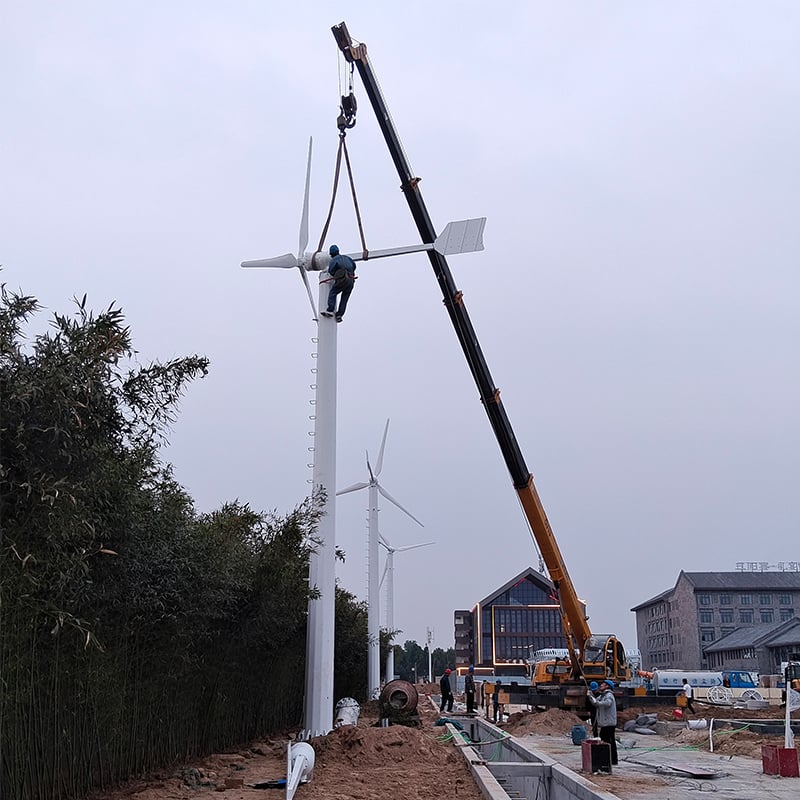
Component Quality: Look for high-quality solar panels and wind turbines. For instance, solar panels should have a high efficiency rating, while wind turbines should be durable and able to operate efficiently at low wind speeds. Consider investing in a Wind Turbine that meets your operational needs.
System Configuration: Evaluate whether a grid-tied, off-grid, or hybrid configuration suits your needs. Hybrid systems can offer flexibility in energy use and storage options.
Customization Options: Some manufacturers, like Jiangsu DHC Environmental Si-Tech Co., Ltd., provide customized solutions tailored to specific energy needs, ensuring that the system meets your unique demands.
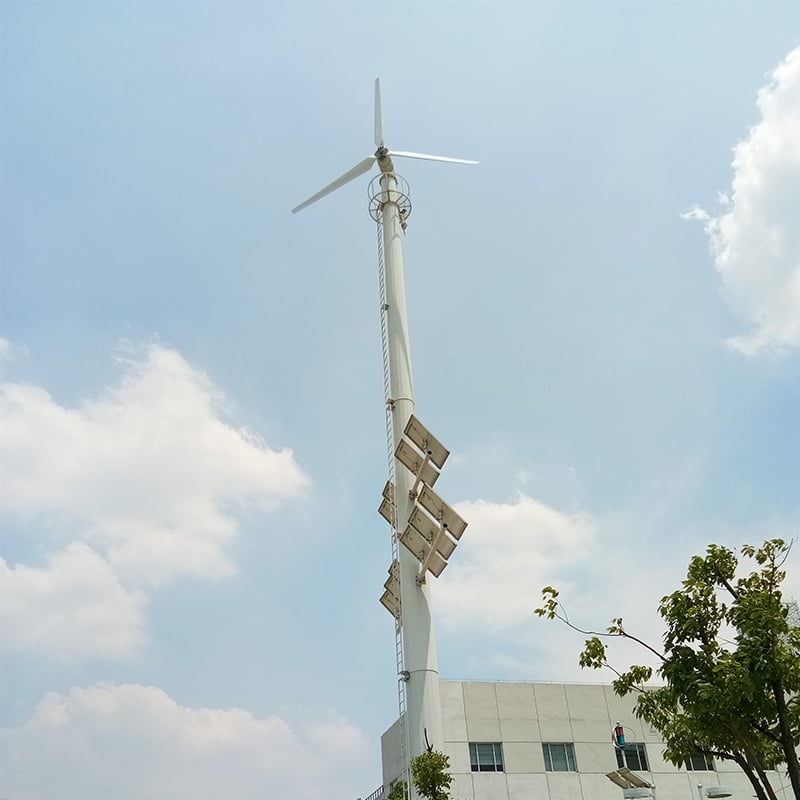
Evaluating the quality of hybrid energy solutions involves examining various technical specifications and standards:
Certifications: Check for internationally recognized certifications for both solar panels and wind turbines, such as IEC (International Electrotechnical Commission) standards. These certifications indicate that the products have undergone rigorous testing for safety and performance.
Warranty and Lifespan: A robust warranty can be an indicator of quality. Typically, solar panels come with warranties ranging from 10 to 25 years. Wind turbines should also have similar warranty coverage.
Material and Build Quality: The materials used in both solar panels and wind turbines affect their performance and longevity. For example, high-grade aluminum frames for solar panels can enhance durability against weather elements, while corrosion-resistant materials for turbine components can extend lifespan.
Performance Data: Request performance data from the manufacturer, including efficiency ratings, degradation rates, and energy output forecasts. This data can help in assessing how the system will perform in real-world conditions.
Quality Control Processes: Understanding the manufacturer's quality control processes, including testing protocols during production, can provide insights into the reliability of the hybrid system.
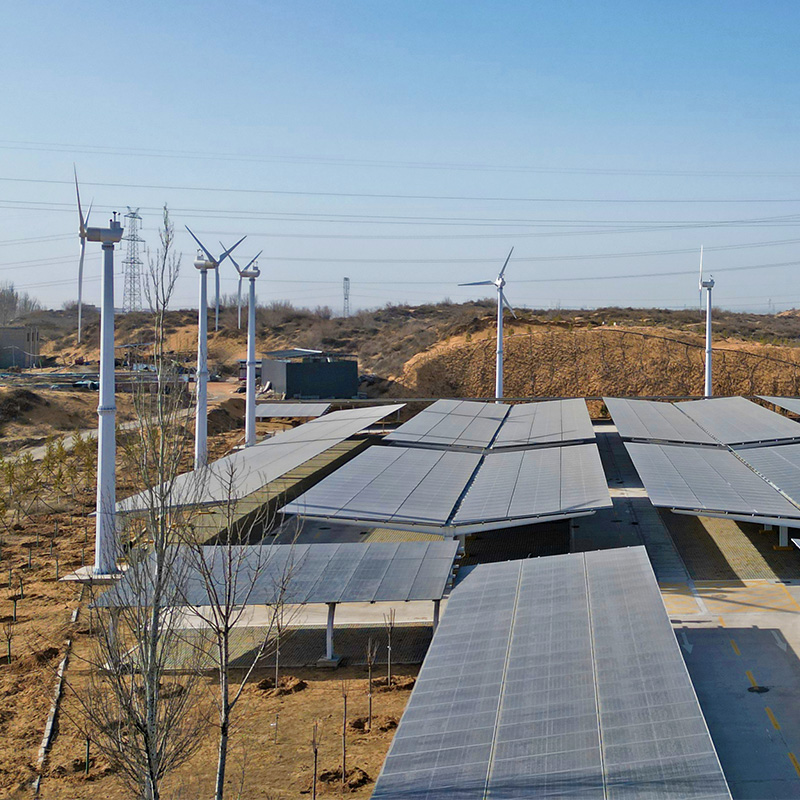
Finding reliable sources for hybrid solar wind energy systems involves considering both manufacturers and distributors:
Direct Manufacturers: Purchasing directly from manufacturers like Jiangsu DHC Environmental Si-Tech Co., Ltd. can offer benefits such as better pricing, more extensive customization options, and direct support.
Wholesale Distributors: Look for distributors with a proven track record in renewable energy products. They often have established relationships with multiple manufacturers and can provide various options to suit different budget ranges.
Industry Trade Shows: Attend renewable energy trade shows and expos, which are excellent venues for networking with manufacturers and distributors, and for seeing products firsthand.
Online Marketplaces: While less personal, reputable online B2B marketplaces can provide access to multiple suppliers, allowing for easy comparison of prices and product specifications.
Recommendations and Reviews: Seek recommendations from industry peers and review feedback on suppliers. Reliable suppliers should have positive references and a history of successful installations.
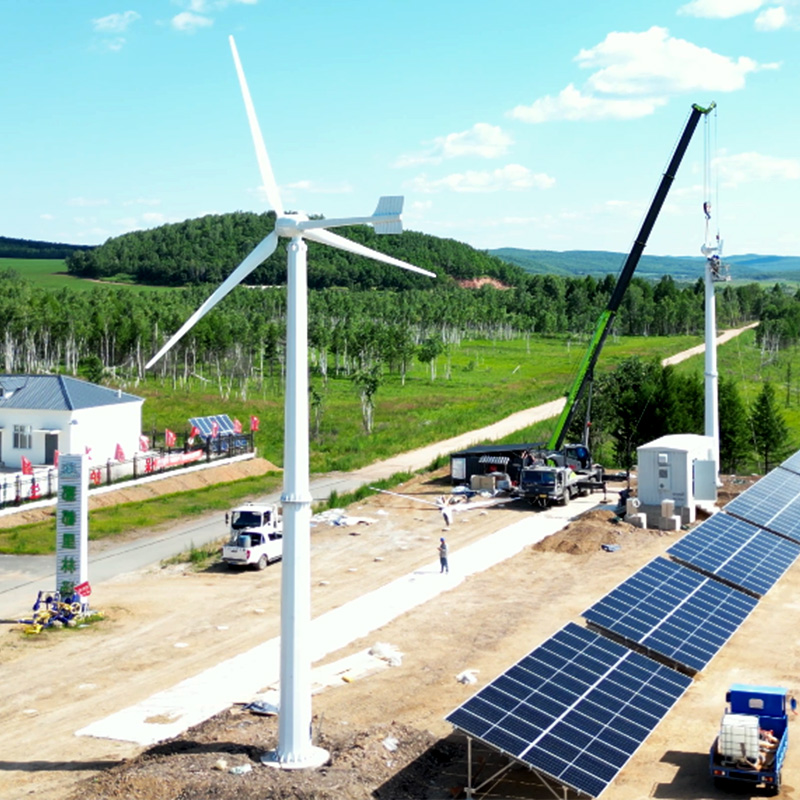
Understanding the cost structure of hybrid solar wind energy systems can greatly influence purchasing decisions. Here are key factors to consider:
Initial Investment: The upfront cost includes the price of solar panels, wind turbines, installation, and any additional components like inverters and batteries. Pricing can vary based on the system’s size and capacity.
Installation Costs: Installation can be a significant portion of the total cost. Factors affecting installation expenses include site preparation, mounting structures, and labor costs, which can vary based on location.
Maintenance and Operating Costs: Consider ongoing maintenance costs, which may include inspections, repairs, and potential part replacements over time. A well-designed hybrid system should have lower operating costs due to the complementary nature of wind and solar energy.
Incentives and Rebates: Investigate available local, state, or federal incentives for renewable energy installations. These can significantly reduce upfront costs and improve return on investment.
Financing Options: Explore financing options offered by manufacturers or third-party lenders, which can make the initial investment more manageable.
As most sought-after brand wind solar hybrid power systems, DHC has own wind turbine factory, which combines R D design, production, technical services. Since 2009 our founders have been living the idea protecting the environment, wind turbine and generator in new energy, adhered to our corporate culture of "diligence and honesty, co-operation and the pursuit of creativity." This is also the basis of our name "DHC".
primary products wind turbines, solar panels and lifepo4 batteries. customers will receive a one-stop-shop service the integration and Eolic generator a wind-solar hybrid as well as smart photovoltaic system. DHC provides reliable products, technologies, and after-sales service to customers with excellent delivery capability.
We're dedicated solving commercial residential electrical needs utilizing a solar/wind power system. With professional supply chain management and integration capabilities, are able to provide customers with completely customized solutions. We'll provide high-quality service all hours of day from Wind turbine for home 5kw to design and after-sales.
Integrity is foundation of our company. offer real power equipment, as well as skilled Wind turbine. In the case of wind turbines, {you can pay attention it is important to commitment to integrity the basis of our business. We provide genuine power equipment, as well as expert service. Consider parameters such as blade diameter as well as wind turbine weight when looking at wind turbines. DHC promises that its products are able to deliver real power without exaggerating the power.
Hybrid solar wind energy systems have versatile applications across different industries:
Agriculture: Farms can utilize hybrid systems to power irrigation systems, greenhouses, and other operations, reducing reliance on grid electricity and lowering operational costs.
Commercial Buildings: Businesses can install hybrid systems to offset energy costs, enhance sustainability practices, and improve their public image. These systems can provide backup power during outages, ensuring business continuity.
Remote Areas: In remote or off-grid locations, hybrid systems provide a reliable energy source where traditional grid access is unavailable. This can be crucial for telecommunications, mining operations, and rural electrification.
Residential Applications: Homeowners increasingly adopt hybrid systems to harness renewable energy, reduce electricity bills, and contribute to environmental sustainability. Investing in a Container Energy Storage Battery can further enhance energy management.
Disaster Relief: Hybrid systems can be deployed in disaster-stricken areas to provide immediate and reliable power for emergency services and affected communities.
Understanding the key factors in selecting, evaluating, sourcing, and applying hybrid solar wind energy systems can empower B2B buyers to make informed purchasing decisions. By considering these aspects, you can ensure that your investment in renewable energy aligns with your operational needs and sustainability goals.
Welcome to DHC, the top brand of wind solar hybrid power system! We provide innovative and effective new energy solutions including wind turbine, solar panel, lifepo4 battery, etc.




 EN