
Efficient wind generators are essential components in renewable energy systems, particularly for businesses seeking sustainable power solutions. These devices convert wind energy into electricity, providing a clean alternative to traditional energy sources. When sourcing an efficient wind generator, B2B buyers often have concerns regarding reliability, performance, cost, and installation. This article will explore key considerations, reliable suppliers, specifications to compare, cost factors, and common installation challenges to help you make informed purchasing decisions.
When sourcing efficient house wind generator, several critical factors must be considered to ensure optimal performance and suitability for your project. First, assess the power output required for your specific application be it for commercial use, distributed power stations, or agricultural settings. Understanding your energy needs will guide you to select a generator with an appropriate capacity.
Next, evaluate the generator's design and technology. Look for features such as advanced blade design, which can enhance efficiency by optimizing wind capture. Additionally, consider the generator's operating range, as this will determine its performance under varying wind conditions. The choice of materials used in construction can also impact durability and maintenance requirements; high-quality materials can lead to longer service life and reduced downtime.
Finally, consider any customization options available. As a manufacturer with 15 years of experience, Jiangsu DHC Environmental Si-Tech Co., Ltd. offers customized solutions tailored to specific project needs, which can be a significant advantage in achieving project goals.
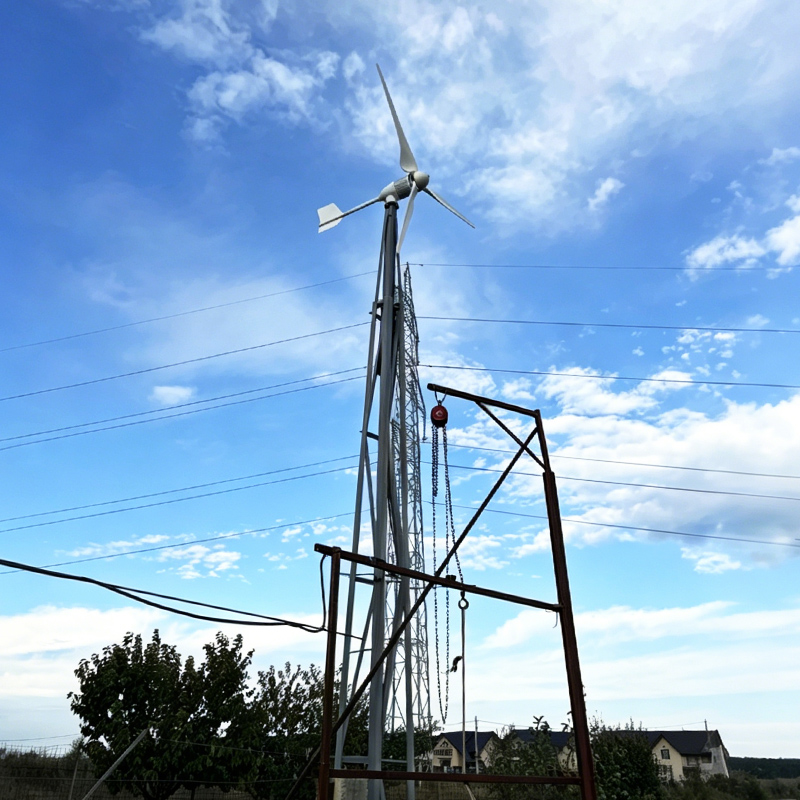
Finding reliable suppliers for efficient wind generators involves thorough research and evaluation. Start by looking for manufacturers with a proven track record in renewable energy solutions, particularly those specializing in wind and solar hybrid systems. Companies with strong supply chain partnerships and dedicated R&D capabilities are often more capable of delivering innovative and efficient products.
Industry trade shows, renewable energy conferences, and online platforms can also serve as valuable resources for identifying potential suppliers. Engaging with industry professionals and networking can lead to recommendations for reputable manufacturers. Additionally, reviewing customer testimonials and case studies can provide insights into a supplier's reliability and service quality.
When reaching out to suppliers, be prepared to discuss your specific needs and expectations. Request detailed information about their manufacturing capabilities, quality control processes, and any certifications they hold, which can further validate their credibility.
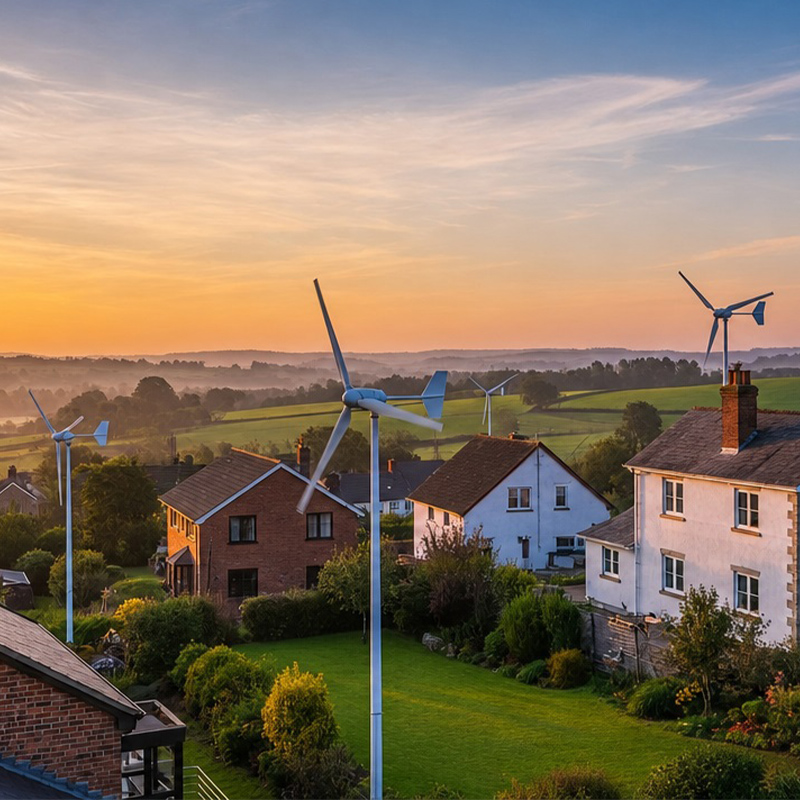
When comparing most efficient wind generator, several key specifications should be evaluated to ensure you select the right product for your application:
Rated Power Output: This is the maximum electricity the generator can produce under specific wind conditions. Ensure the rated output aligns with your energy requirements.
Cut-in and Cut-out Wind Speeds: The cut-in speed is the minimum wind speed at which the generator starts producing energy, while the cut-out speed is the maximum wind speed it can handle before shutting down to prevent damage. Understanding these values helps assess the generator's operational range.
Efficiency Rating: Look for generators with high efficiency ratings, as this indicates better performance in converting wind energy into electricity. This is often expressed as a percentage.
Noise Level: For installations near residential areas, noise levels can be a concern. Check the decibel rating to ensure compliance with local regulations.
Material Quality and Durability: The materials used in the generator's construction can affect its lifespan and reliability. Verify that the manufacturer uses high-quality, weather-resistant materials.
Certification Compliance: Ensure the generator meets relevant industry standards and certifications, which can reflect its reliability and performance.
By comparing these specifications, you can make an informed decision that best fits your project’s needs.
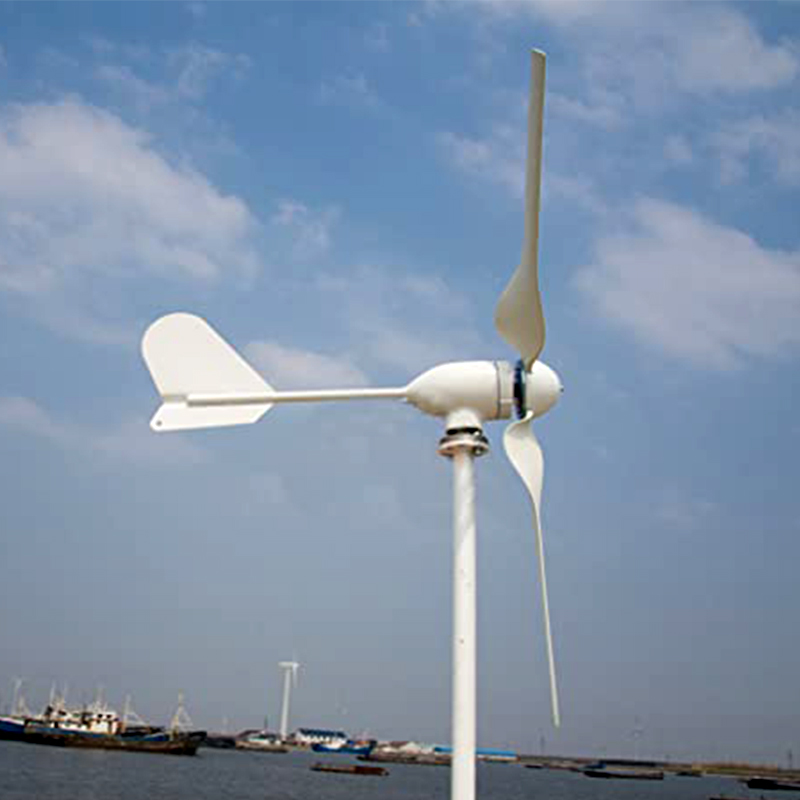
Cost is a significant consideration when purchasing efficient wind generators, particularly for wholesale buyers. The price can be influenced by several factors:
Quantity Ordered: Larger orders often qualify for bulk pricing discounts. Be clear about your expected order volume when requesting quotes.
Customization Requirements: Custom features or specifications can increase the cost. Determine whether standard models meet your needs or if customization is necessary.
Shipping and Handling: Consider the shipping costs, which can vary based on the generator's size and weight, as well as the distance to the delivery location.
Installation Costs: Factor in the cost of installation, which may require specialized labor and equipment. Some manufacturers may offer installation services or can recommend qualified contractors.
Warranty and Service Agreements: Evaluate the warranty terms offered by the supplier. A comprehensive warranty may justify a higher initial cost, as it can reduce long-term maintenance expenses.
Financing Options: Some suppliers may offer financing plans or leasing options, which can impact your overall budget and cash flow.
By understanding these cost factors, you can better prepare for negotiations and budget effectively for your wind generator purchase.
DHC the top brand in the wind solar hybrid power system. It has own manufacturing facility that incorporates R D and design, production, technical support. Since 2009 our founders have embraced the idea of protecting environment by embracing new technology and embraced 15kw wind turbine for home culture "diligence and honesty, as well as cooperation and creativity." This also the basis of our brand "DHC".
Integrity is foundation of our company. offer real power equipment, as well as skilled wind turbine and generator. In the case of wind turbines, {you can pay attention it is important to commitment to integrity the basis of our business. We provide genuine power equipment, as well as expert service. Consider parameters such as blade diameter as well as wind turbine weight when looking at wind turbines. DHC promises that its products are able to deliver real power without exaggerating the power.
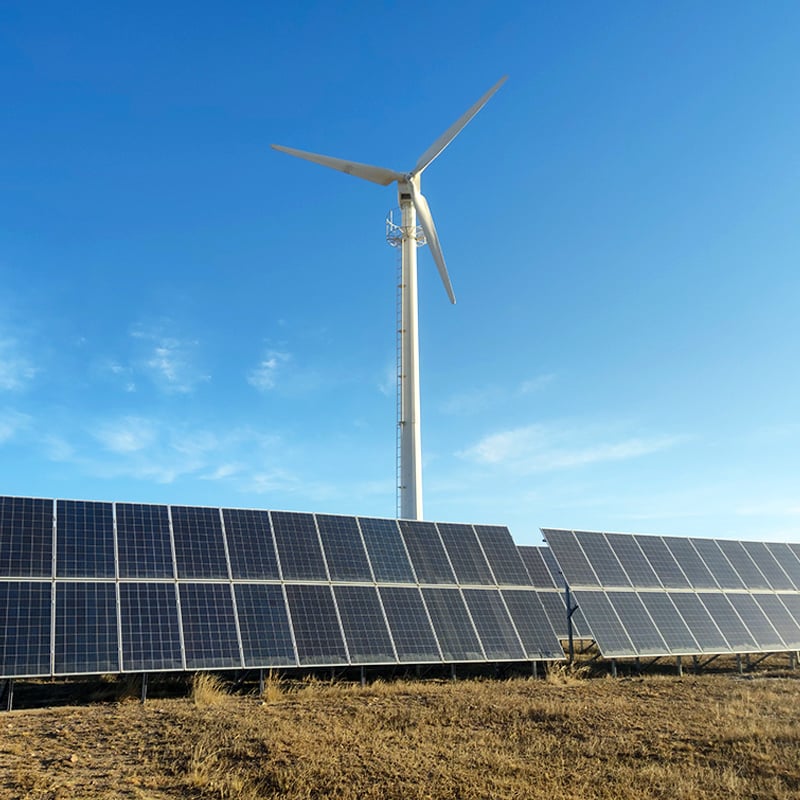
primary products wind turbines, solar panels and lifepo4 batteries. customers will receive a one-stop-shop service the integration and Wind turbine a wind-solar hybrid as well as smart photovoltaic system. DHC provides reliable products, technologies, and after-sales service to customers with excellent delivery capability.
Wind solar energy wind turbine generator our primary focus. We can provide customers with customized solutions with professional capability of managing supply chains as well as ability integrate. Tell us what want to achieve. needs, from de sign, manufacturing, through after-sales and more, will offer you real-time professional support throughout the day.
Installing efficient wind generator can present various challenges that buyers should be aware of to ensure a smooth process.
Site Assessment: Before installation, a thorough site assessment is essential to evaluate wind conditions and ensure the location is suitable for the generator. Factors such as surrounding structures, topography, and vegetation can significantly affect wind flow and performance.
Permitting and Regulations: Many regions require permits for wind turbine installation. Understanding local regulations and securing the necessary permits can be time-consuming, so it's advisable to start this process early.
Foundation Requirements: Proper foundation design is crucial for stability and performance. Ensure that the chosen foundation type is suitable for the specific site conditions and the generator's weight.
Electrical Connections: Connecting the generator to the power grid or your electrical system requires careful planning. Collaborate with a licensed electrician to ensure compliance with local electrical codes and safety standards.
Maintenance Accessibility: Plan for future maintenance by ensuring that the installation site allows easy access to the generator for routine checks and repairs. Consider factors like clearance heights and proximity to service routes.
By addressing these installation challenges proactively, you can minimize risks and ensure the efficient operation of your wind generator for years to come.
Welcome to DHC, the top brand of wind solar hybrid power system! We provide innovative and effective new energy solutions including wind turbine, solar panel, lifepo4 battery, etc.
 EN


