EN
EN

Case Study: 80kW Solar Panel System in the UK
Case Background
As mentioned earlier, we have a client in the UK whose furniture factory has a huge electricity consumption. Currently, the client already has a 40kw grid-connected solar panel system, but it is far from meeting the 300kwh daily electricity consumption of the client. Therefore, the client needs us to provide him with the best solution. Based on the client's current situation, we designed a 140kw wind solar hybrid system solution. However, due to local regulations and the limitations of the on-site installation environment (400 square meters), the client needs a pure solar panel system solution as an alternative.
Analysis
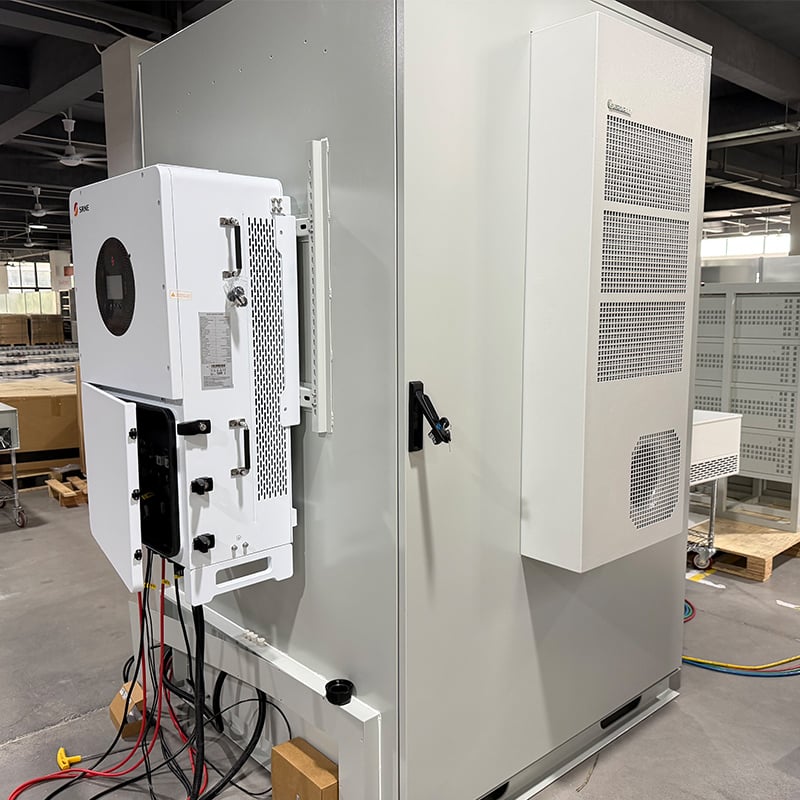
Based on the previous description, considering that the discharge depth of the high-pressure battery is 95%, the battery capacity must be at least 315 kWh. The customer has already planned to purchase 2 sets of 240 kWh lithium batteries, so this battery capacity is sufficient.
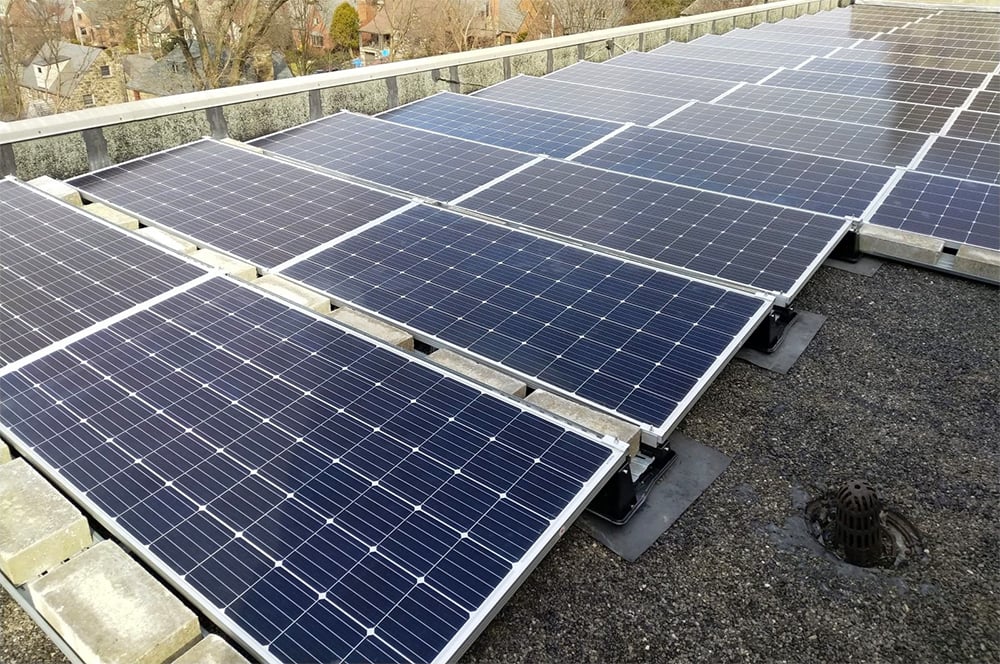
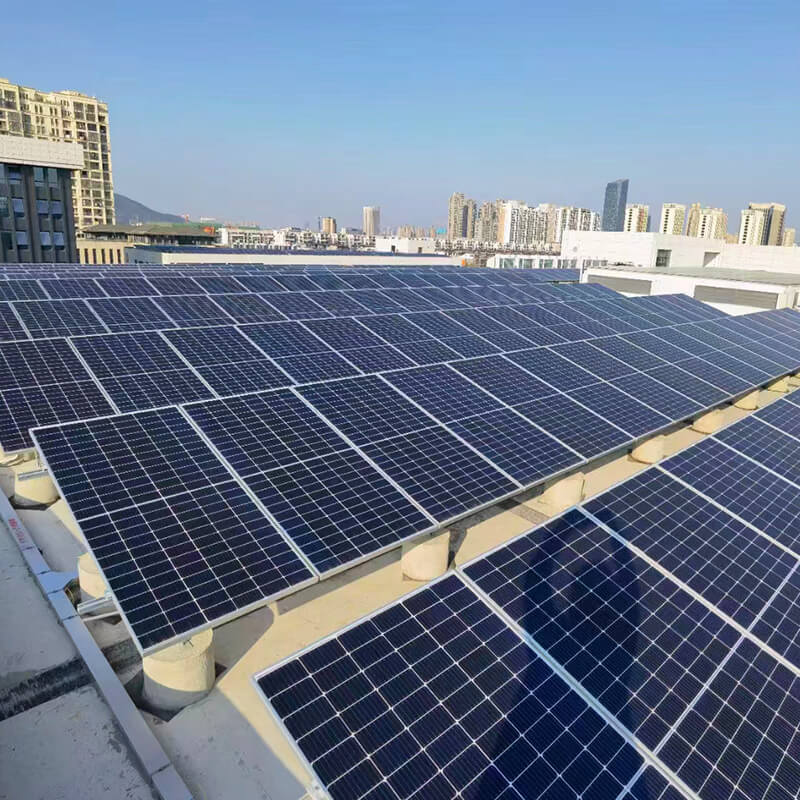
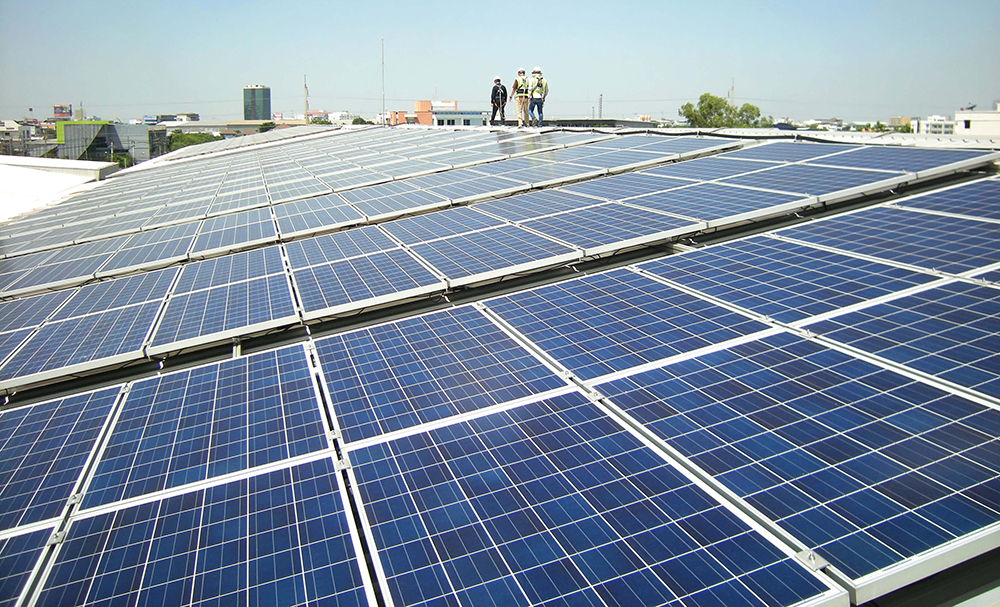
Now the customer has 400 square meters of area available for installing solar panels. At most, 40 kW of solar panels can be installed on 400 square meters. Therefore, the total solar input is 80 kW. During good sunlight conditions, the daily power generation is approximately 320 kW, which means it is exactly sufficient for the daily load. We still choose the Solis S6-EH3P (75-125)K10-NV-YD-H inverter for this scheme. This scheme is relatively simple. We can calculate the payback period by comparing the power generation and power consumption.
Investment Return Period Calculation
First, we calculate the customer's electricity consumption. There are about 250 working days in a year, and each working day has an electricity consumption of 300 kWh. Therefore, the annual electricity demand is 75,000 kWh. While the 80 kW solar panel system in the UK usually generates 35,000 kWh of electricity, the remaining 40,000 kWh of electricity needs to be purchased from the grid at night.
According to online research, the peak electricity rate is 23.22p/kWh, and the off-peak rate is 11.74p/kWh. The difference between peak and off-peak commercial rates is 11.48p/kWh.
Based on this, the annual savings can be calculated as follows:
35,000kWh (solar generation) × 23.22p/kWh = 812,700p
40,000kWh (grid purchase at off-peak rate) × 11.74p/kWh = 469,600p
Total annual electricity cost without solar: 75,000kWh × 23.22p/kWh = 1,741,500p
Total annual cost with solar and off-peak purchase: 469,600p
Annual savings = 1,741,500p – 469600p = 1271900P (16800$)
By the installation cost, we can easily calculate the investment return period of this solar panel system scheme. The return period of this scheme should be 6-8 years.