
Magnet motor generators are innovative devices that convert mechanical energy into electrical energy using magnetic fields. These systems are increasingly popular for their potential to provide sustainable energy solutions in various applications. As a B2B buyer, understanding the key specifications and factors influencing the selection and sourcing of magnet motor generators is crucial. This article will guide you through essential considerations to help you make informed purchasing decisions, ensuring you choose the right equipment for your projects. For those interested in sustainable solutions, exploring a Wind Controller can complement your energy needs.
When assessing magnet motor generators, buyers should focus on important specifications such as power output, efficiency, size, and weight. The power output, usually measured in watts, indicates how much electrical energy the generator can produce. It’s essential to match the generator's capacity to the intended application, whether for homes, farms, or commercial use.
Efficiency ratings are critical as they determine the amount of mechanical energy converted into electrical energy. A higher efficiency means lower energy loss, which can significantly impact operational costs. Additionally, the size and weight of the generator are vital for installation considerations; ensure that the dimensions fit the intended location and that the weight can be supported by the structure. You may also want to look into a Portable Power Station for flexible energy solutions.
Buyers should also inquire about the materials used in construction, as these affect durability and performance. Common materials include high-grade steel, which enhances strength, and specialized magnets that improve energy conversion efficiency. Certifications, such as ISO or CE, indicate compliance with industry standards, ensuring the product meets safety and performance benchmarks.
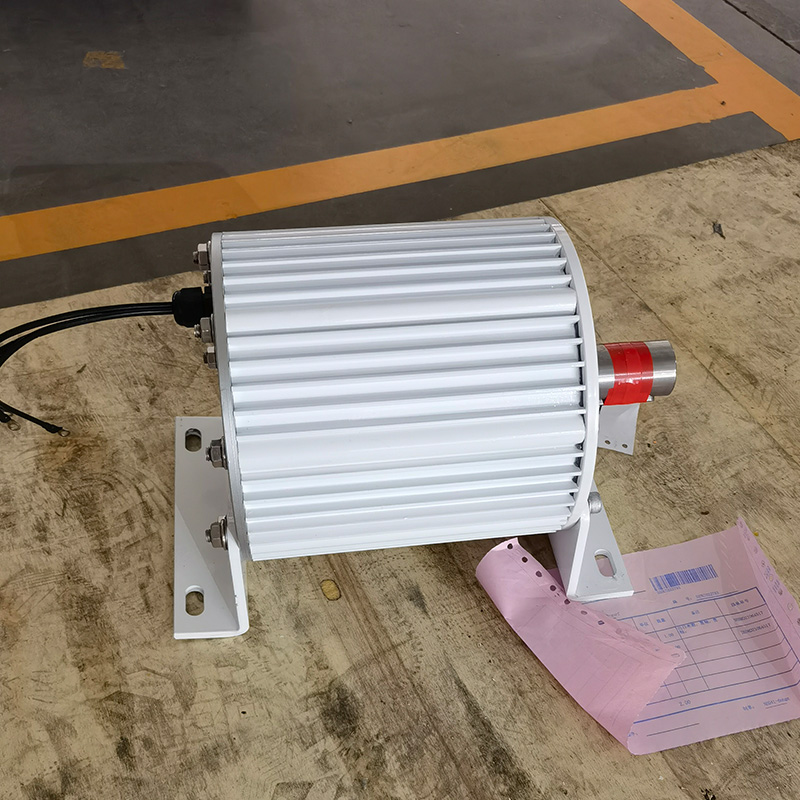
Selecting the right magnet motor generator involves assessing your specific project requirements. Start by defining the energy needs and expected load. Consider factors such as the environment in which the generator will operate—temperature fluctuations, humidity levels, and potential exposure to corrosive elements can all affect performance.
Next, evaluate compatibility with existing systems or technologies in place. Ensure that the generator can integrate smoothly with other components, such as inverters or batteries, especially if part of a hybrid wind-solar system. Customization options are also worth exploring; many manufacturers offer variations tailored to specific applications, such as increased durability for harsh environments or enhanced output for larger energy demands.
Lastly, consult with manufacturers or suppliers to understand the long-term support they offer, including installation assistance and maintenance services. This can make a significant difference in operational efficiency and longevity.
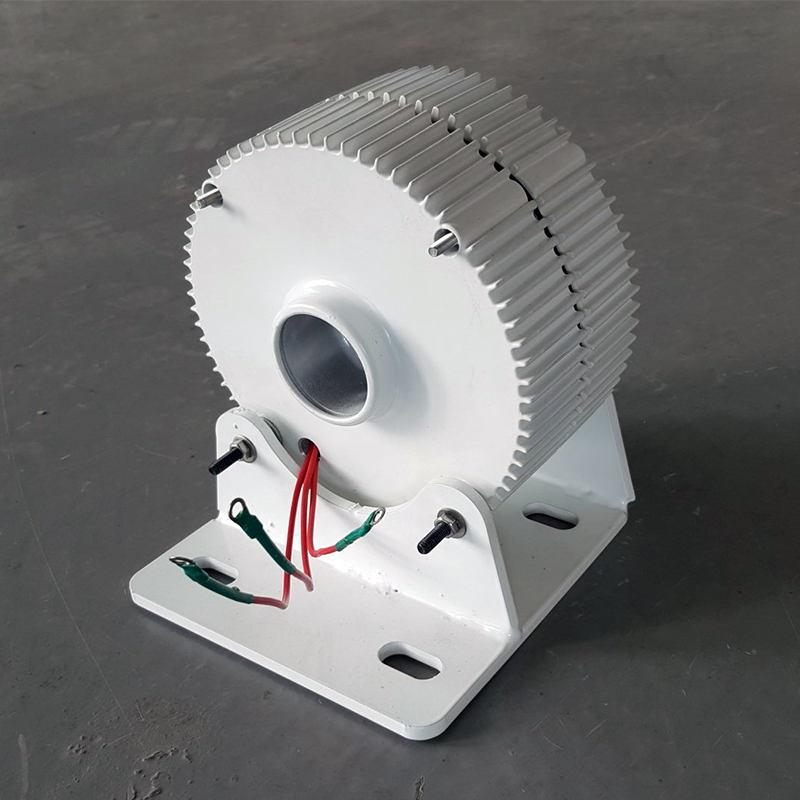
When sourcing magnet motor generators, consider several key factors. Start with the manufacturer's reputation—review their experience in the renewable energy sector, particularly in producing magnet motor generators. A company with a robust background, like Jiangsu DHC Environmental Si-Tech Co., Ltd., typically provides insight into their capabilities and reliability.
Next, assess production capabilities, including the equipment used and quality control processes in place. Confirm that the manufacturer uses advanced technology to ensure precision in production, which directly influences product performance and longevity. Ask about their testing methods for quality assurance; reliable manufacturers will have rigorous protocols to evaluate efficiency and safety before products reach the market.
Additionally, explore the availability of technical support and customer service. A responsive supplier can significantly ease the sourcing process and provide valuable assistance during installation and operation.
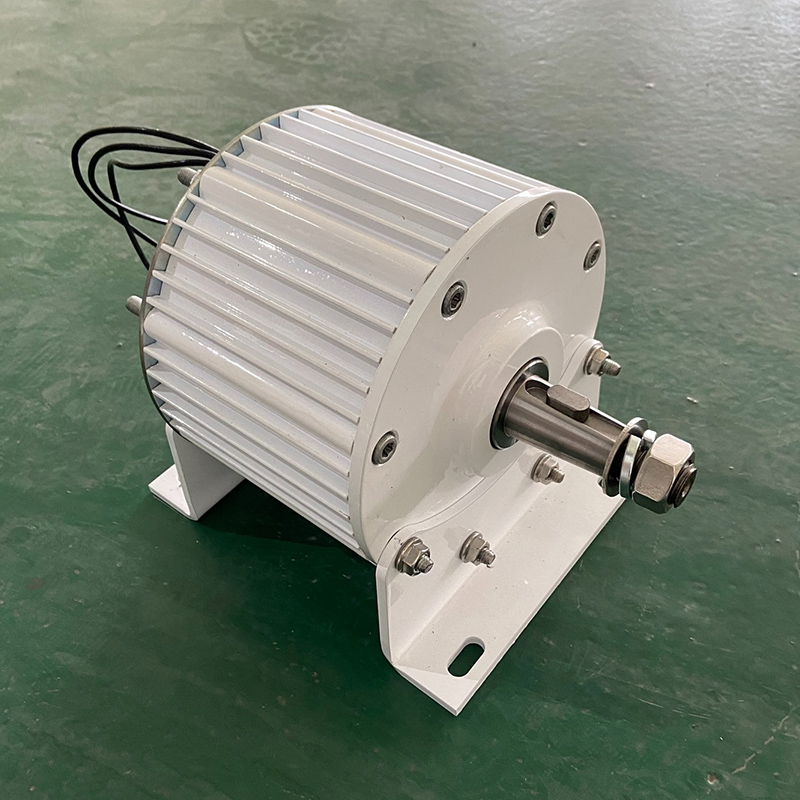
Finding reliable suppliers for magnet motor generators starts with researching industry directories and trade shows. Networking with other professionals in renewable energy can yield recommendations for trustworthy manufacturers. Online platforms and forums dedicated to renewable energy technologies can also provide insights into reputable suppliers.
When evaluating potential suppliers, request detailed information about their product offerings, including specifications, customization options, and pricing. It’s beneficial to obtain samples or prototypes to assess quality firsthand. Don’t hesitate to inquire about their production capacity and lead times, as these factors can directly affect your project timelines.
Consider suppliers who have strong supply chain partnerships, as this can enhance reliability in procurement. A supplier with a dedicated R&D team, like Jiangsu DHC, can offer innovative solutions tailored to your specific needs, ensuring you receive high-quality products.
are dedicated to meeting commercial domestic electricity needs with wind solar power system. able to provide customers with fully customized solutions with our professional capability managing supply chains capabilities 15kw wind turbine for home. We'll provide professional service throughout day beginning with design, production and after-sales.
main products wind turbines and solar panels. customers can receive a single-source service integration and development wind-solar hybrids as well as intelligent photovoltaic systems. DHC provides reliable 5000w wind turbine, technologies and after-sales support customers through exceptional delivery capability.
As most sought-after brand of wind solar hybrid power systems, DHC has own wind turbine factory integrating R D design, production and technical support. founders of DHC have been working on the idea green 5000w wind turbine protection since 2009 and immersed in the world of renewable energy adhering to the company's values "diligence as well as honesty, cooperation and innovation." Our DHC brand DHC is the result of this.
We're committed keeping integrity as the foundation our company, Eolic generator customers the best power products as well as expert services. For wind turbines you can pay attention to important integrity is the foundation our company. provide genuine power products provide skilled service. You can consider parameters like blade diameter wind turbine weight when evaluating wind turbines. DHC assures that its products are able to deliver real power without overstating power.
Understanding the cost factors involved in bulk orders of magnet motor generators is essential for budget planning. Start by analyzing the base price per unit, which can vary significantly depending on specifications and customization. Request detailed quotations that break down costs, including production, shipping, and any applicable taxes or duties.
Next, consider the Minimum Order Quantity (MOQ). Manufacturers often set an MOQ that can affect overall pricing; larger orders usually come with discounts, making it vital to assess your requirements against these thresholds. Additionally, factor in potential savings from reduced shipping costs per unit when ordering in bulk.
Keep in mind the long-term operational costs associated with the generators. While the initial purchase price is crucial, efficiency ratings and expected lifespan can significantly influence the total cost of ownership. Ensure that you evaluate the expected return on investment based on energy savings over time.
Lastly, communicate with suppliers about financing options or payment terms, as flexible arrangements can ease cash flow constraints and foster long-term partnerships.
Welcome to DHC, the top brand of wind solar hybrid power system! We provide innovative and effective new energy solutions including wind turbine, solar panel, lifepo4 battery, etc.






 EN