
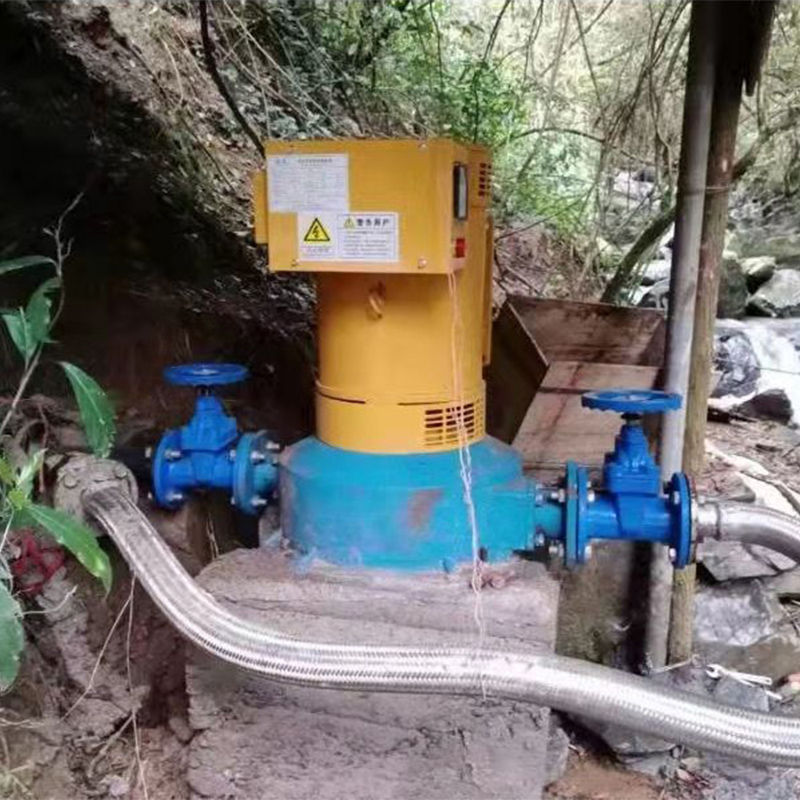
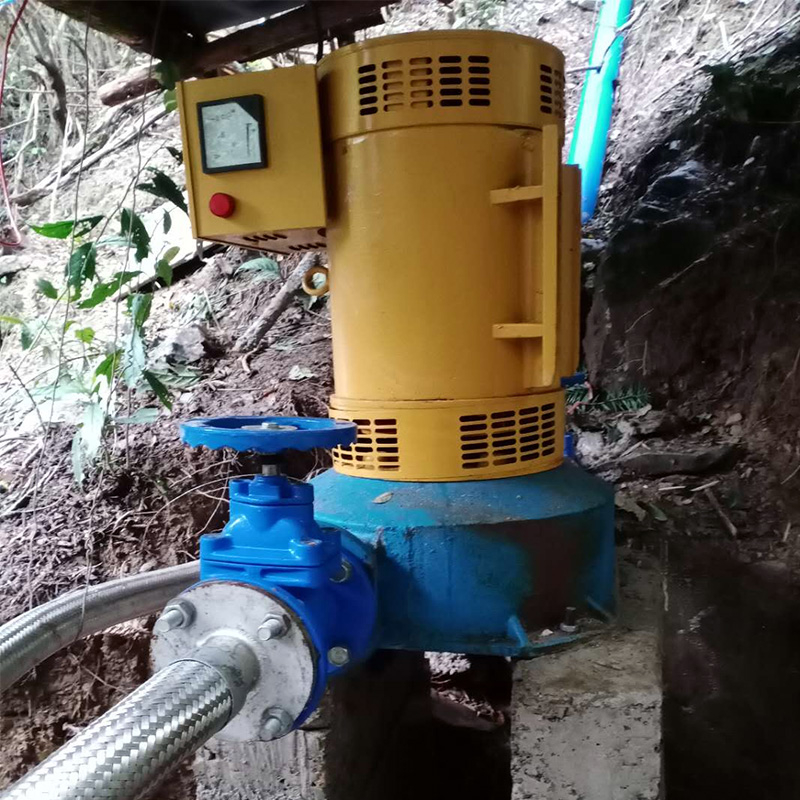
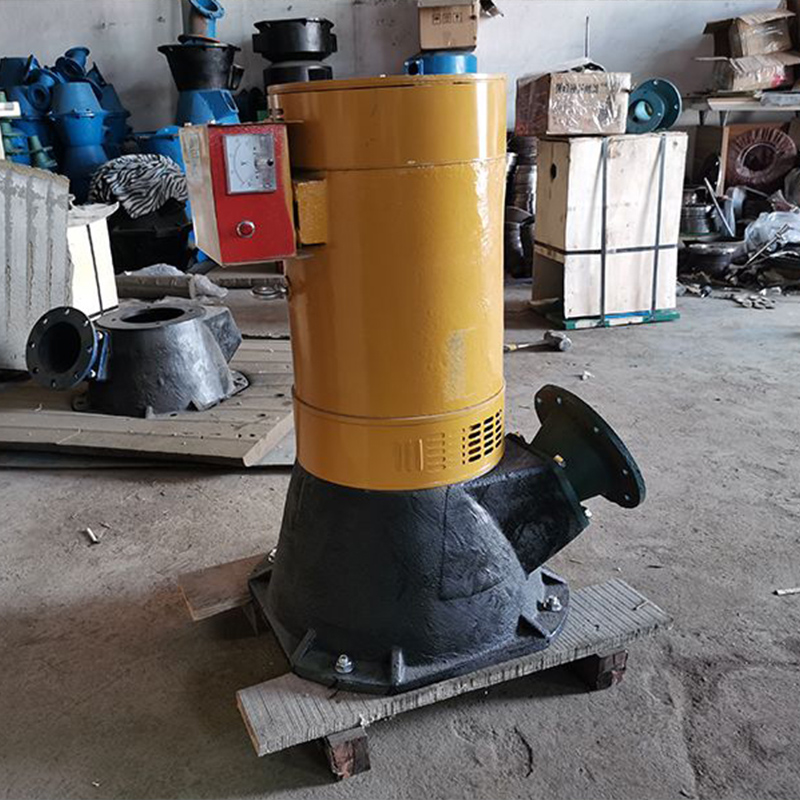
Micro hydro power turbines are innovative energy solutions that harness the power of flowing water to generate electricity. These systems are particularly appealing to businesses and organizations looking to implement sustainable energy sources, as they offer an efficient way to produce renewable energy in a variety of settings. As a B2B buyer, understanding the quality, costs, and applications of micro hydro power turbines is essential for making informed purchasing decisions. This article will guide you through evaluating turbine quality, finding reliable suppliers, assessing cost factors, best practices, and the diverse application scenarios in which micro hydro power turbines can be utilized.
When evaluating micro hydro power turbines, buyers should focus on several key specifications and factors that directly impact performance and longevity.
Material Composition: The materials used in turbine construction, such as stainless steel or fiberglass, should be durable and resistant to corrosion. Corrosion resistance is particularly crucial in aquatic environments to ensure the turbine's longevity.
Efficiency Ratings: Look for turbines with high efficiency ratings, which indicate how well they convert the kinetic energy of water into electrical energy. Higher efficiency translates to better performance and lower operational costs.
Design and Configuration: The design of the turbine should match the specific conditions of the site, including water flow rate and head height. A turbine that is not properly sized for the application may underperform or lead to operational issues.
Certification and Testing: Ensure that the turbine has undergone rigorous testing and meets relevant industry standards and certifications. These may include ISO certifications that attest to the manufacturer's quality control processes.
Warranty and Support: A robust warranty and reliable customer support are indicators of quality. They can provide peace of mind for buyers, knowing that they have recourse in case of issues post-purchase.
Finding a trustworthy supplier for micro hydro power turbines requires careful research. Consider the following strategies:
Industry Associations and Trade Shows: Engaging with industry associations or attending trade shows can connect you with reputable suppliers. These events often feature established manufacturers showcasing their latest innovations.
Online Marketplaces and Directories: Websites like Alibaba, ThomasNet, and specialized renewable energy directories can provide a list of suppliers. Check for reviews and ratings to gauge reliability.
Networking and Recommendations: Leverage your professional network to gather recommendations. Speaking with industry peers can lead to discovering suppliers with proven track records.
Supplier Background Checks: Conduct thorough background checks on potential suppliers. Investigate their manufacturing capabilities, years in business, and customer testimonials to ensure they have a solid reputation.
Request for Proposals (RFPs): When you identify potential suppliers, consider issuing RFPs to compare offerings. This can help you assess not only pricing but also the quality of service and support. You might even consider suppliers who offer integrated solutions, such as a Residential 3kW PVT Solar Panel 2kW Wind Turbine 6P Air Source Heat Pump System, which can enhance your renewable energy strategy.
Understanding the cost factors involved in purchasing micro hydro power turbines is crucial for budgeting and financial planning. Key considerations include:
Initial Purchase Price: The upfront cost of the turbine is a significant factor. However, this should be evaluated in the context of its efficiency and expected lifespan to determine long-term value.
Installation Costs: Installation can add significant expenses. Factors such as site preparation, plumbing, electrical work, and labor should be factored into the total cost.
Maintenance and Operational Costs: Regular maintenance is essential for optimal performance. Buyers should inquire about expected maintenance schedules and costs to gauge the turbine's long-term financial implications.
Financing Options: Explore financing options that may be available, such as government incentives for renewable energy systems or leasing arrangements that can spread costs over time.
Return on Investment (ROI): Evaluate the potential ROI based on energy savings and any incentives available. This assessment can help justify the purchase and determine its viability as a sustainable solution.
To maximize the effectiveness of micro hydro power turbines, adhere to the following best practices:
Site Assessments: Conduct thorough site assessments to determine the best turbine type and configuration for the specific water flow conditions. This can prevent costly mistakes in selecting the wrong equipment.
Regular Maintenance: Implement a routine maintenance schedule to ensure the turbine operates efficiently. Regular inspections can identify wear and tear before they lead to significant issues.
Monitor Performance: Use monitoring systems to track the turbine's performance. Anomalies in energy output can indicate potential problems, allowing for timely interventions.
Training for Operators: Ensure that operators are well-trained in the system's operation and maintenance. Knowledgeable personnel can enhance the turbine's performance and longevity.
Documentation and Records: Maintain detailed records of maintenance, performance, and any issues encountered. This documentation can be valuable for troubleshooting and future decision-making.
We're dedicated solving commercial residential electrical needs utilizing a solar/wind power system. With professional supply chain management and integration capabilities, are able to provide customers with completely customized solutions. We'll provide high-quality service all hours of day from Vertical wind turbine to design and after-sales.
DHC is market leader the hybrid wind solar power systems. It has its own factory that incorporates R D and production, design, and technical services. Since 2009 our founders have embraced the concept of environmental protection by Eolic generator new technology embraced the corporate culture of "diligence integrity, collaboration and creativity." This is also the source of our name "DHC".
primary products wind turbines, solar panels and lifepo4 batteries. customers will receive a one-stop-shop service the integration and 2kw vertical axis wind turbine a wind-solar hybrid as well as smart photovoltaic system. DHC provides reliable products, technologies, and after-sales service to customers with excellent delivery capability.
We dedicated to upholding integrity as cornerstone of our business, offering customers genuine power products expert services. In the case of wind turbines can pay attention is important to committed to keeping integrity as the cornerstone of business, offering customers the best power products as well as 15kw wind turbine for home services. Consider parameters such as blade diameter and wind turbine's weight when you evaluate wind turbines. We promise that all products manufactured by DHC have real power output without exaggerated power.
Micro hydro power turbines can be applied in a variety of industries, making them a versatile energy solution. Here are several scenarios where they can be particularly effective:
Agriculture: Farms can use micro hydro turbines to power irrigation systems and other farm operations, significantly reducing reliance on grid electricity and lowering operational costs.
Remote Communities: In areas without reliable access to the electrical grid, micro hydro systems provide a sustainable source of energy, enhancing quality of life and economic development.
Industrial Operations: Manufacturing facilities located near water sources can harness micro hydro power to supplement energy needs, thus reducing energy expenses and carbon footprints.
Tourism and Recreation: Eco-friendly resorts and recreational facilities can use micro hydro systems to promote sustainability while providing power for amenities, enhancing their appeal to environmentally conscious consumers. Utilizing systems like the Home Solar Powered Heat Pump System 5.4kW PVT Panels with 6P Heat Pump can further enhance their eco-friendly offerings.
Research and Development: Universities and research institutions can implement micro hydro turbines as part of sustainability initiatives, providing data for studies on renewable energy technologies and their impacts.
By understanding the intricacies of micro hydro power turbines, buyers can make informed decisions that align with their operational needs and sustainability goals. Implementing these systems not only contributes to reducing carbon footprints but also supports long-term energy independence and cost savings.
Welcome to DHC, the top brand of wind solar hybrid power system! We provide innovative and effective new energy solutions including wind turbine, solar panel, lifepo4 battery, etc.






 EN