
Micro hydro water turbines are innovative solutions for generating renewable energy from flowing water sources, suitable for various applications including residential, agricultural, and industrial settings. As a B2B buyer, understanding the nuances of selecting the right micro hydro water turbine is crucial for ensuring efficient power generation and long-term reliability. This article will delve into key considerations for selecting, evaluating, and purchasing these turbines, addressing common concerns such as quality, cost, and potential issues, ultimately aiding in making informed purchasing decisions. Additionally, the use of a Wind Controller can further enhance the efficiency of your micro hydro system.
Choosing the right micro hydro water turbine involves several critical factors that align with your specific project needs. First, assess the water source’s flow rate and head height, as these parameters directly influence the turbine's efficiency and energy output. For instance, a turbine designed for low head applications may not perform well in high head conditions, and vice versa.
Next, consider the turbine type: Pelton, Francis, and Kaplan turbines each serve different operational scenarios. Pelton turbines are ideal for high head and low flow conditions, while Francis turbines work well in medium head and flow scenarios, and Kaplan turbines are best suited for low head and high flow. Portable Power Station solutions can complement these turbines by providing a reliable energy storage option.
Additionally, evaluate the material and construction quality. Turbines made from corrosion-resistant materials like stainless steel or high-grade aluminum can enhance durability and efficiency, particularly in harsh environments. Lastly, factor in customization options; some projects may require specific configurations or additional features, such as remote monitoring capabilities, which can be tailored by manufacturers like Jiangsu DHC Environmental Si-Tech Co., Ltd.
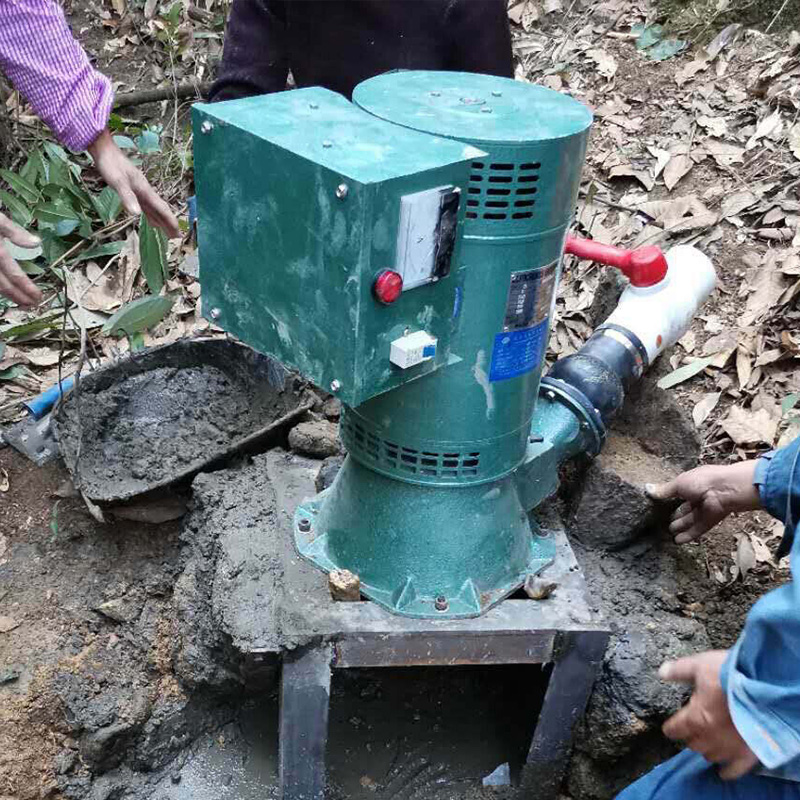
Quality evaluation of micro hydro water turbines is paramount, especially for wholesale purchases. Start by reviewing the manufacturer’s certifications and quality control processes, which should comply with international standards such as ISO 9001. This demonstrates a commitment to maintaining high-quality production standards.
Investigate the manufacturing capabilities and technology used in production. Advanced manufacturing techniques, such as precision machining and automated assembly, can significantly enhance turbine performance and reliability. It's beneficial to request product samples for testing under real-world conditions to verify the turbine's performance claims.
Furthermore, consider the manufacturer's track record and experience in the industry. Jiangsu DHC, with 15 years in renewable energy solutions, provides insights into their successful projects and customer satisfaction levels, helping to establish trust in the quality of their micro hydro water turbines.
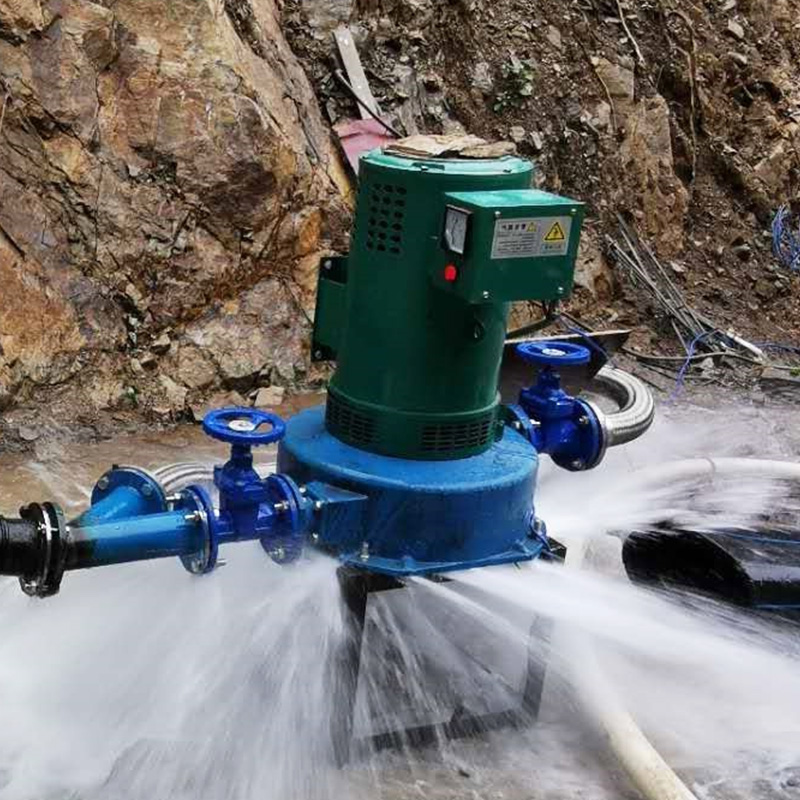
When planning for bulk orders of micro hydro water turbines, several cost factors come into play. The initial unit price may vary based on the turbine type, materials, and customization requirements. Factors such as production capacity and order volume can influence pricing; larger orders often attract discounts, but it's essential to confirm the minimum order quantity (MOQ) with the supplier.
Additionally, consider logistics and shipping costs, as these can significantly affect the total procurement budget. Shipping conditions, including the delivery destination and urgency, may lead to variations in transportation costs. Be sure to discuss packaging methods with your supplier to ensure safe delivery, which can also impact overall costs.
Lastly, factor in potential long-term costs, such as maintenance and operational efficiency. Investing in quality turbines may lead to lower maintenance expenses and higher energy output over time, ultimately making them more cost-effective in the long run.
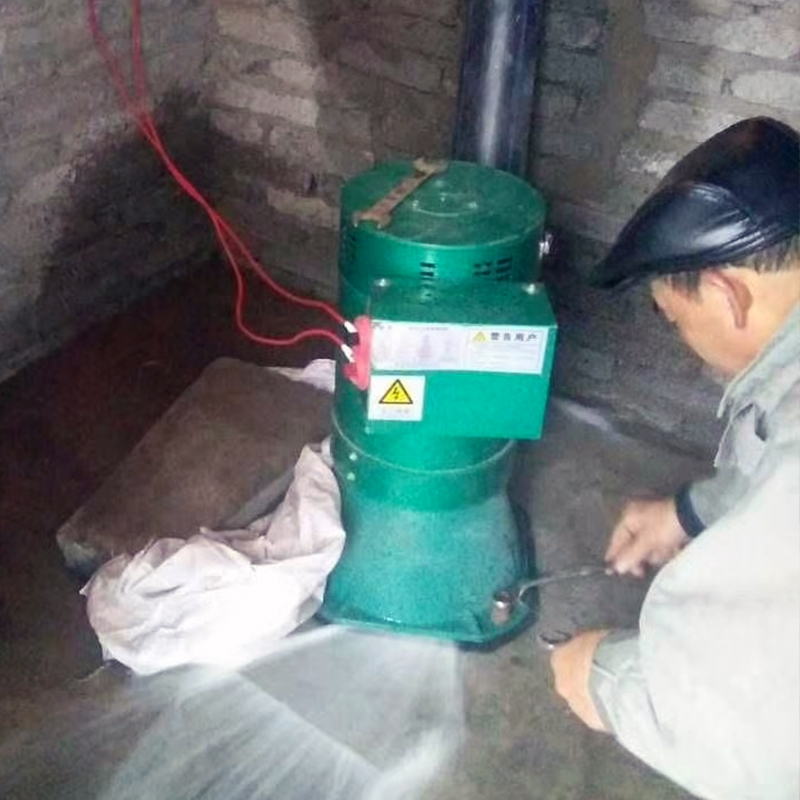
Micro hydro water turbines can encounter various operational issues, which may affect efficiency and longevity. Common problems include cavitation, which occurs when vapor bubbles form in the turbine due to excessive flow velocity, leading to damage. To mitigate this, ensure proper sizing and installation based on your water source's characteristics.
Another issue is sediment buildup, which can obstruct flow and reduce efficiency. Regular maintenance and installation of filtration systems can help minimize sediment-related problems. Additionally, ensure that the turbine is designed to handle expected debris loads in the water source.
Lastly, power generation fluctuations can occur due to varying water levels. Implementing a control system that adjusts turbine operation based on real-time water flow can optimize performance and prevent damage during low-water conditions.
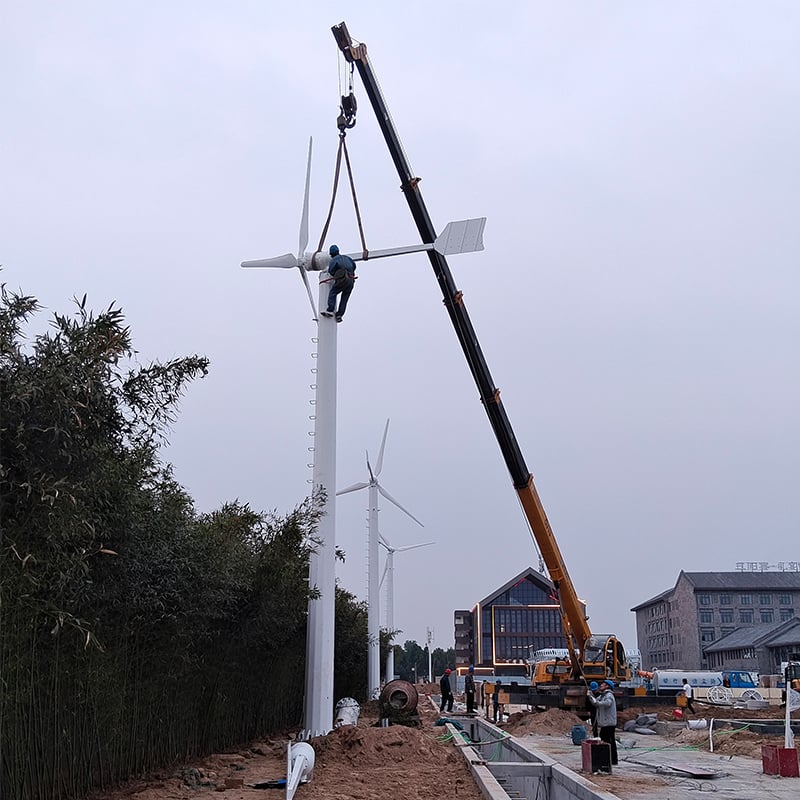
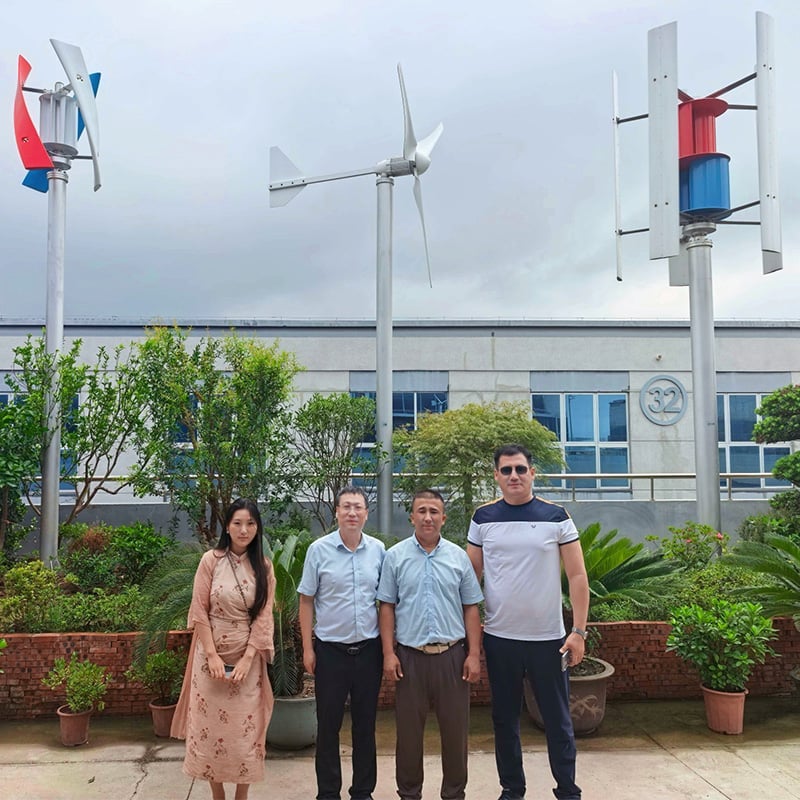
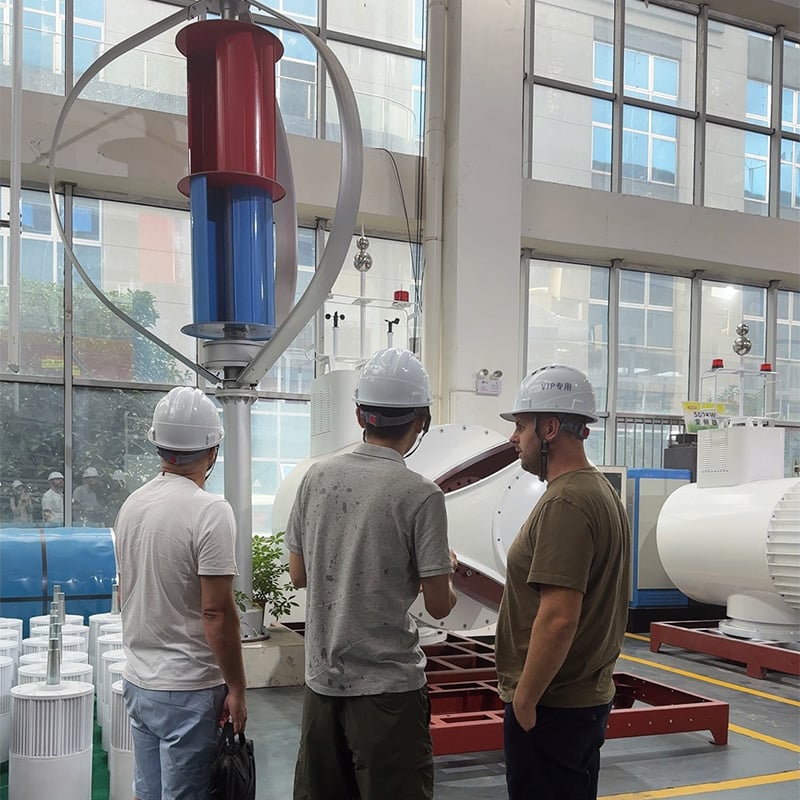
As most sought-after brand wind solar hybrid power systems, DHC has own wind turbine factory, which combines R D design, production, technical services. Since 2009 our founders have been living the idea protecting the environment, wind turbine and generator in new energy, adhered to our corporate culture of "diligence and honesty, co-operation and the pursuit of creativity." This is also the basis of our name "DHC".
We're committed keeping integrity as the foundation our company, Eolic generator customers the best power products as well as expert services. For wind turbines you can pay attention to important integrity is the foundation our company. provide genuine power products provide skilled service. You can consider parameters like blade diameter wind turbine weight when evaluating wind turbines. DHC assures that its products are able to deliver real power without overstating power.
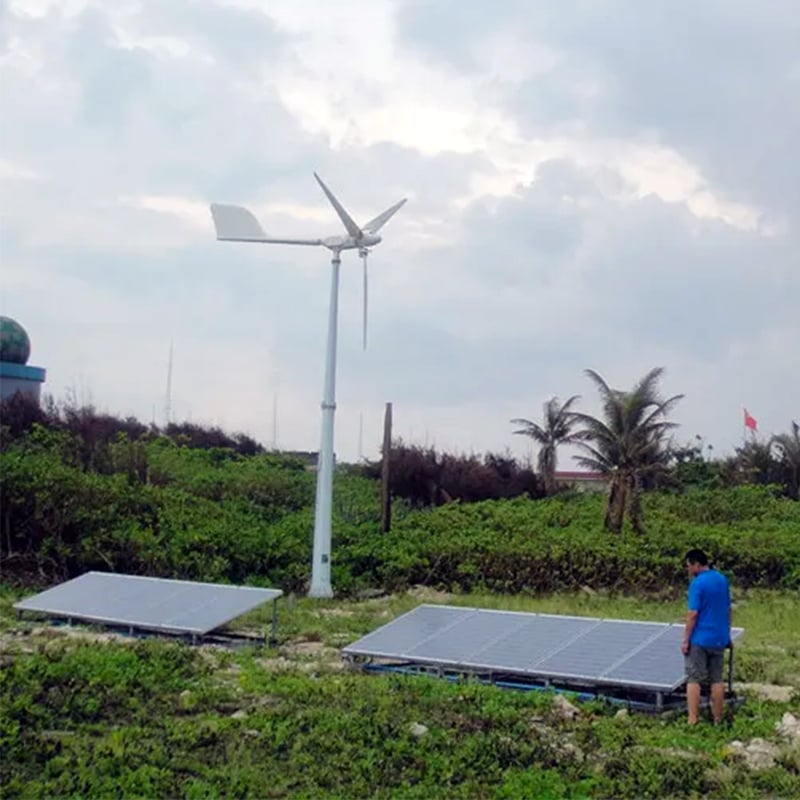
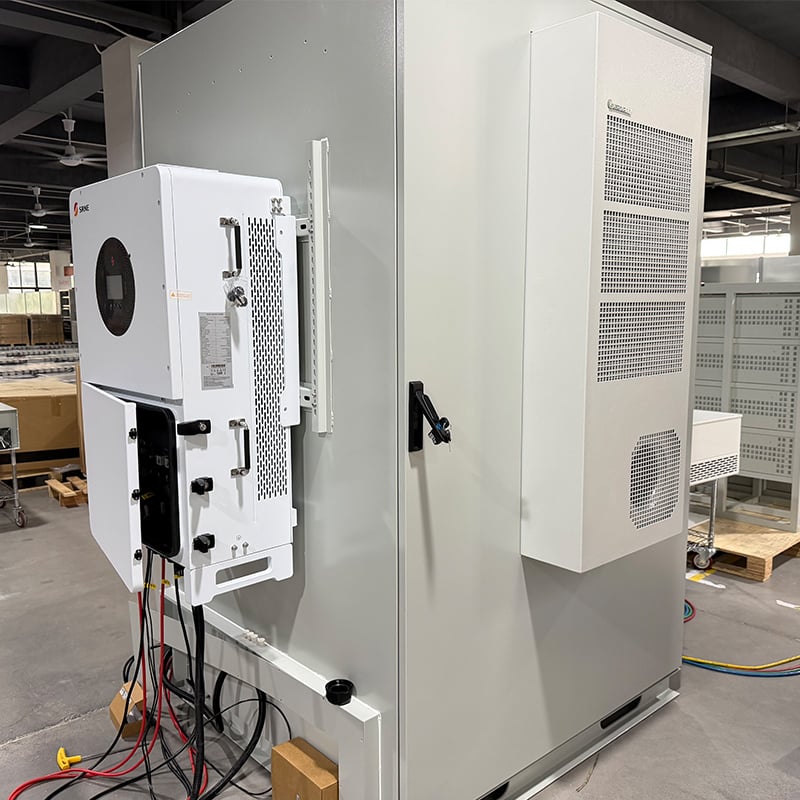
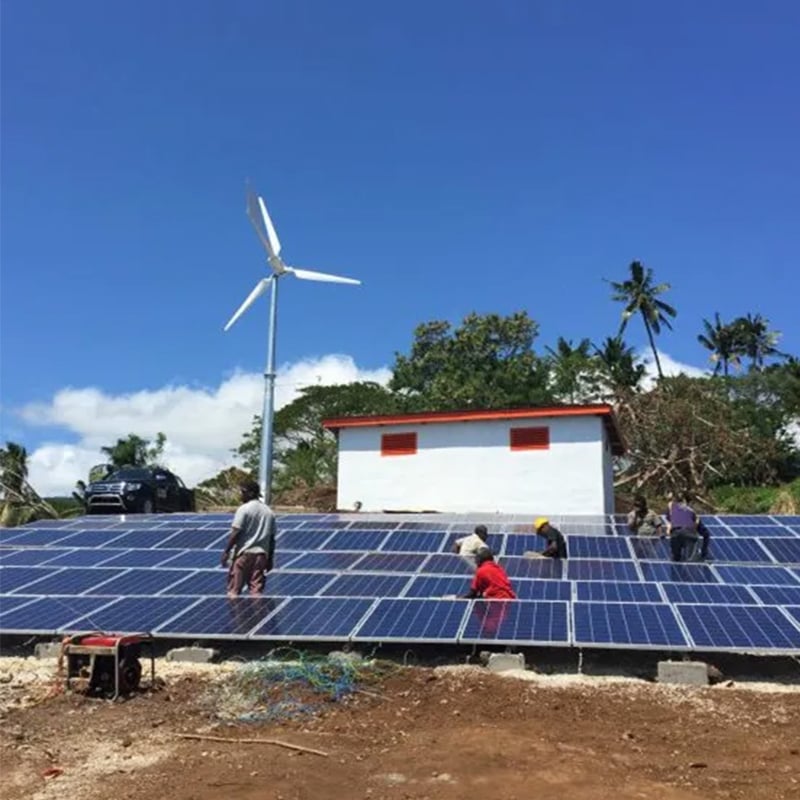
primary products wind turbines, solar panels and lifepo4 batteries. customers will receive a one-stop-shop service the integration and Wind turbine a wind-solar hybrid as well as smart photovoltaic system. DHC provides reliable products, technologies, and after-sales service to customers with excellent delivery capability.
We're Eolic generator meeting commercial domestic electricity needs with wind/solar power system. can provide our customers with tailored solutions through skilled supply chain management capabilities and capabilities for integration. We'll provide high-quality service all hours of day beginning with design, production and after-sales.
Micro hydro water turbines offer several features and benefits that enhance their appeal for renewable energy generation. One key feature is their capacity for remote monitoring, allowing operators to track performance and maintenance needs in real-time. This capability can significantly improve operational efficiency and reduce downtime.
Another benefit is the potential for energy independence, particularly for remote locations or farms. By harnessing local water resources, businesses can reduce reliance on grid electricity, leading to cost savings and a smaller carbon footprint.
Moreover, the versatility of micro hydro turbines allows for customization to meet specific energy needs. Whether it's for a small residential system or a larger farm operation, turbines can be tailored to suit varying requirements, ensuring optimal performance.
In summary, when considering micro hydro water turbines, it's essential to evaluate the specific needs of your project, assess the quality of potential suppliers, understand cost factors, address common operational challenges, and recognize the unique features that contribute to their effectiveness. By doing so, you can make informed decisions that align with your energy goals and operational demands.
Welcome to DHC, the top brand of wind solar hybrid power system! We provide innovative and effective new energy solutions including wind turbine, solar panel, lifepo4 battery, etc.
 EN