
Photovoltaic thermal panels combine solar thermal and photovoltaic technologies, enabling the efficient conversion of sunlight into both heat and electricity. For B2B buyers—such as purchasing managers, engineers, and product managers—selecting the right photovoltaic thermal panel is crucial for ensuring energy efficiency and meeting project specifications. This article will guide you through the essential considerations for choosing and installing these panels while addressing common concerns regarding quality, performance, and supplier reliability. For instance, understanding the role of a Wind Controller can be beneficial in optimizing the overall energy management system.
When selecting photovoltaic thermal panels, it's essential to consider the specific requirements of your project. Start by assessing the energy needs of the application—whether for residential, commercial, or industrial use. The two primary types of panels available are hybrid panels, which generate both heat and electricity, and separate systems that use dedicated panels for each function.
Key factors to consider include:
Energy Output: Determine the expected energy output based on the panel's efficiency rating and the average solar insolation in your project's location. Higher efficiency panels may have a higher upfront cost but can lead to better long-term savings.
Material Composition: Panels are typically made from monocrystalline or polycrystalline silicon. Monocrystalline panels may offer better performance in limited space, while polycrystalline panels are often more cost-effective.
Size and Dimensions: Ensure the chosen panels fit within the spatial constraints of your installation area. Custom sizes may be available depending on the manufacturer.
Compatibility: Check the compatibility of the photovoltaic thermal panel with existing systems, such as inverters and storage solutions. Jiangsu DHC Environmental Si-Tech Co., Ltd. can provide insights on integrating their products with various systems. Additionally, incorporating a Portable Power Station can enhance the overall energy storage and management capabilities.
Quality Certifications: Look for panels that comply with international quality standards, such as IEC 61215 for photovoltaic modules, to ensure reliability and performance longevity.
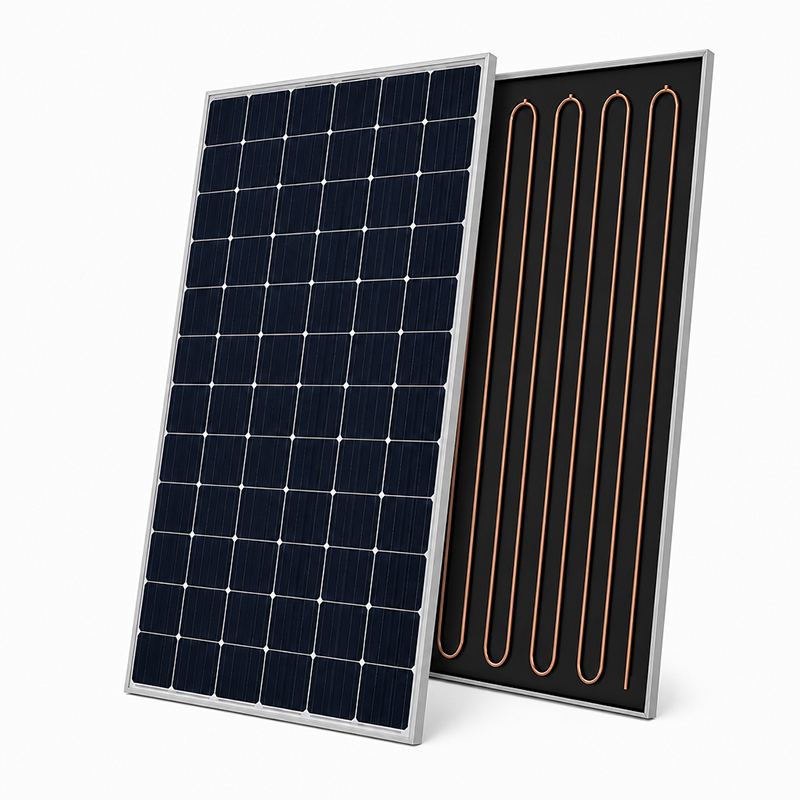
When evaluating photovoltaic thermal panels, several critical specifications and features should be carefully examined:
Efficiency Rating: This indicates how effectively a panel converts sunlight into energy. Aim for panels with efficiency ratings above 15% for optimal performance.
Temperature Coefficient: This specification reveals how the panel's efficiency is affected by temperature increases. A lower temperature coefficient means better performance in high-heat conditions.
Durability: Check the panel's resistance to environmental factors such as hail, wind, and corrosion. Look for panels backed by warranties that cover performance degradation over time.
Installation Requirements: Some panels require specific installation techniques or mounting systems. Understanding these requirements upfront can prevent future complications.
Maintenance Needs: Consider the upkeep necessary for the panels. Some may require regular cleaning or inspections to ensure optimal performance.
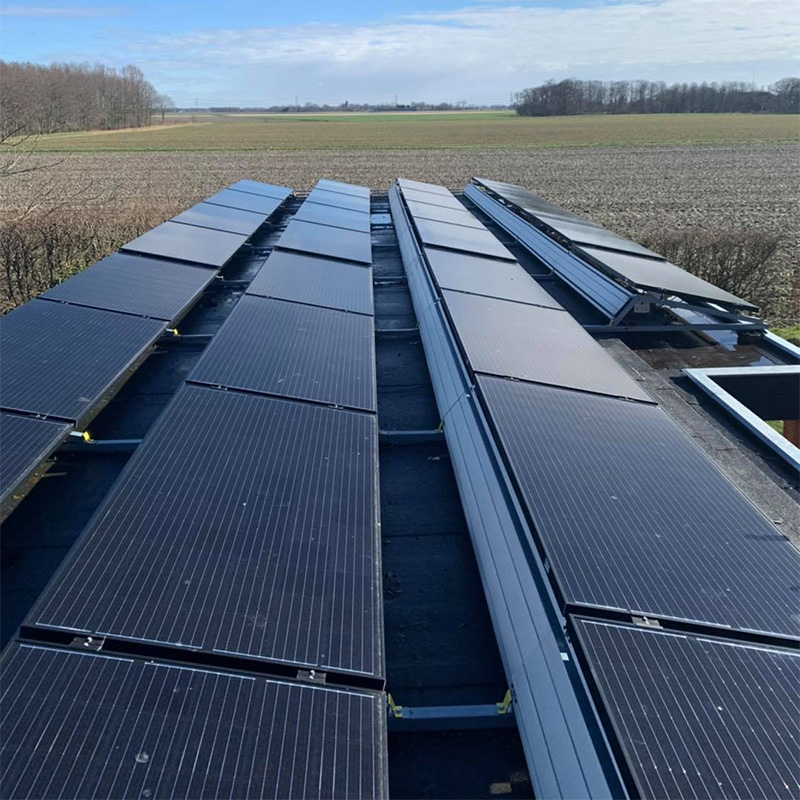
Finding a trusted supplier is essential for ensuring product quality and support throughout the purchasing process. Here are some tips for identifying reliable suppliers:
Industry Reputation: Research the supplier's reputation within the renewable energy sector. Look for reviews, case studies, and testimonials from other businesses that have used their products.
Experience and Expertise: Choose suppliers with a proven track record in manufacturing photovoltaic thermal panels. Companies like Jiangsu DHC Environmental Si-Tech Co., Ltd., with 15 years of experience, can offer valuable insights and customized solutions.
Supply Chain Partnerships: A robust supply chain can indicate reliability and product availability. Ensure that the supplier has strong connections with materials and components suppliers.
Technical Support: Select a supplier that provides comprehensive technical support, from initial inquiries to post-installation assistance. This support can be crucial for troubleshooting and optimizing panel performance.
Customization Capabilities: If your project has unique requirements, ensure the supplier can accommodate custom panel designs or specifications.
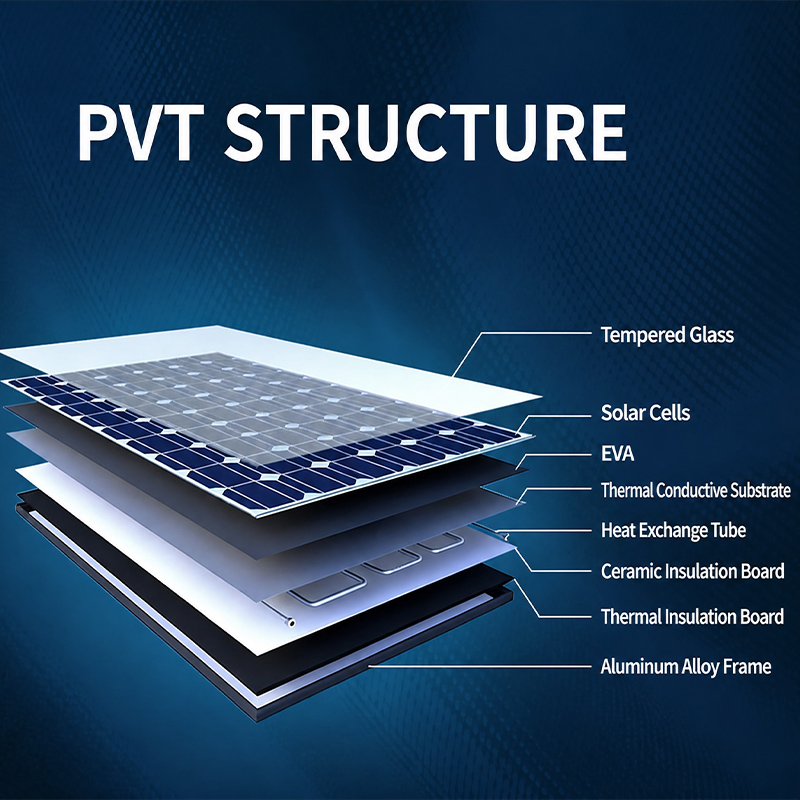
Proper installation is vital to maximizing the performance of photovoltaic thermal panels. Here are some general guidelines for various applications:
Residential Installations: Ensure panels are positioned to capture the maximum amount of sunlight, typically facing south in the Northern Hemisphere. Employ mounting systems that allow for proper drainage and airflow to prevent overheating.
Commercial Applications: Larger commercial installations may require a more complex mounting structure. Consider integrating panels into existing building designs or using ground-mounted systems to optimize space.
Industrial Uses: In industrial settings, ensure compliance with safety regulations and consider the structural integrity of rooftops. Collaboration with experienced contractors familiar with industrial standards is advisable.
Maintenance Access: Design the installation with future maintenance in mind, ensuring that panels are accessible for cleaning and inspections.
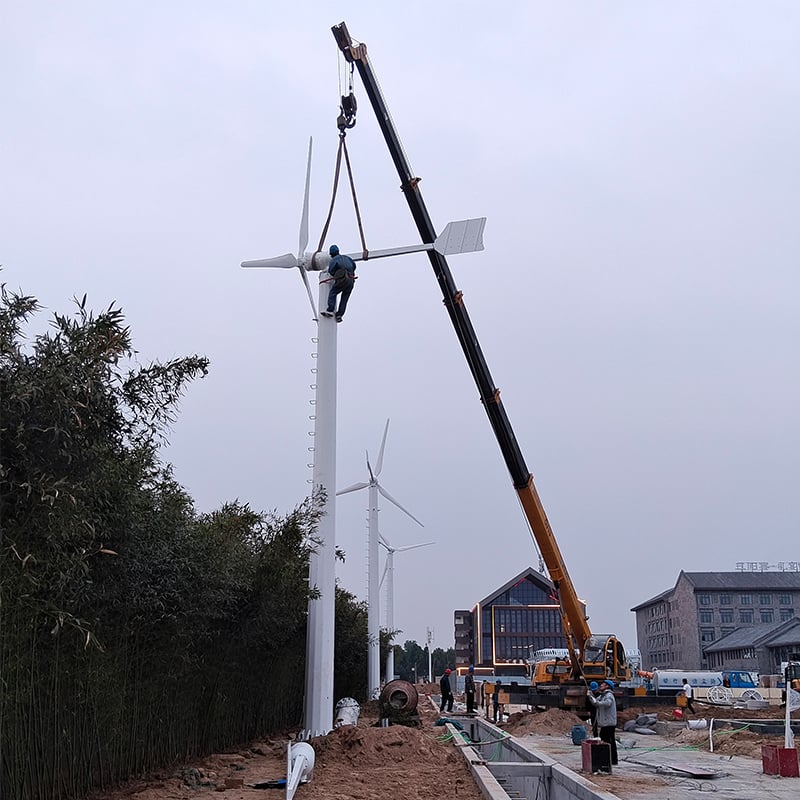
We're dedicated meeting commercial domestic electric power needs using wind/solar system. With professional supply chain management integration capabilities, can provide our customers with completely 2kw vertical wind turbine solutions. will only need know your exact needs from design, production, to after-sales support, will provide you with real-time professional assistance throughout day.
Our commitment integrity the foundation of our business. We provide genuine power products and provide skilled service. Regarding wind turbines can pay attention is important to committed to preserving integrity as the primary goal of our enterprise, and we offer customers real power products and professional services. It is possible to consider factors such as blade diameter as well as wind turbine weight when Wind turbine for home 5kw wind turbines. We ensure that all products made by DHC are based on actual power output and not overinflated power.
main products include wind Wind turbine for home 5kw solar panels. Customers can avail an all-in-one service integration development of wind-solar hybrids as well as smart photovoltaic system. With excellent delivery ability, DHC provides reliable technologies and products, as well as after-sales service customers.
As most sought-after brand wind solar hybrid power systems, DHC has own wind turbine factory, which combines R D design, production, technical services. Since 2009 our founders have been living the idea protecting the environment, wind turbine and generator in new energy, adhered to our corporate culture of "diligence and honesty, co-operation and the pursuit of creativity." This is also the basis of our name "DHC".
Even the best photovoltaic thermal panels can encounter issues. Here are some common problems and their solutions:
Reduced Output: A decrease in energy production can stem from dirt, debris, or shading. Regular cleaning and proper panel placement can mitigate these issues.
Temperature Effects: Panels can experience efficiency drops in extremely high temperatures. Select panels with a favorable temperature coefficient to ensure consistent performance.
Water Damage: Proper sealing and installation can prevent water ingress, which may lead to panel failure. Regular inspections should be conducted to check for signs of moisture intrusion.
Inverter Issues: The inverter is critical for converting DC to AC power. Ensure that the inverter is appropriately sized and compatible with your panels to prevent inefficiencies.
Quality Control: Before mass production, buyers should conduct quality inspections on samples. This includes checking dimensions, fit, surface appearance, and actual production performance, helping to identify potential problems early.
By addressing these common issues proactively, you can enhance the longevity and efficiency of your photovoltaic thermal panels.
Understanding these key aspects of photovoltaic thermal panels will empower B2B buyers to make informed decisions, ensuring efficient energy solutions tailored to their specific needs.
Welcome to DHC, the top brand of wind solar hybrid power system! We provide innovative and effective new energy solutions including wind turbine, solar panel, lifepo4 battery, etc.




 EN