
As the demand for renewable energy continues to grow, PV thermal panels have emerged as a pivotal solution for harnessing solar energy efficiently. These panels combine photovoltaic and thermal technologies to convert sunlight into electricity and heat, making them a versatile choice for various applications. For B2B buyers, key concerns often revolve around product specifications, sourcing, and potential challenges associated with these panels. This article aims to provide comprehensive insights into PV thermal panels, helping you make informed purchasing decisions.
When considering bulk orders of PV thermal panels, several key specifications should be evaluated. Firstly, the efficiency rating is crucial; it typically ranges from 15% to 22% for photovoltaic cells, indicating how much sunlight can be converted into usable energy. Higher efficiency ratings mean more energy generation per square meter, which is particularly valuable for businesses with limited space. Additionally, consider integrating a 600W Mono Hybrid Photovoltaic Thermal Collector PVT Solar Panel for enhanced efficiency.
Another important specification is thermal performance, measured in BTUs (British Thermal Units). This quantifies the amount of heat generated from the panels and can be tailored to meet specific heating needs. Additionally, buyers should assess the dimensions and weight of the panels, which can affect installation logistics and compatibility with existing structures.
Material quality is also a vital consideration. Most PV thermal panels are made from materials like tempered glass, aluminum frames, and high-efficiency solar cells, which ensure durability and longevity. Understanding these specifications helps buyers determine the right product for their specific application and usage environment.
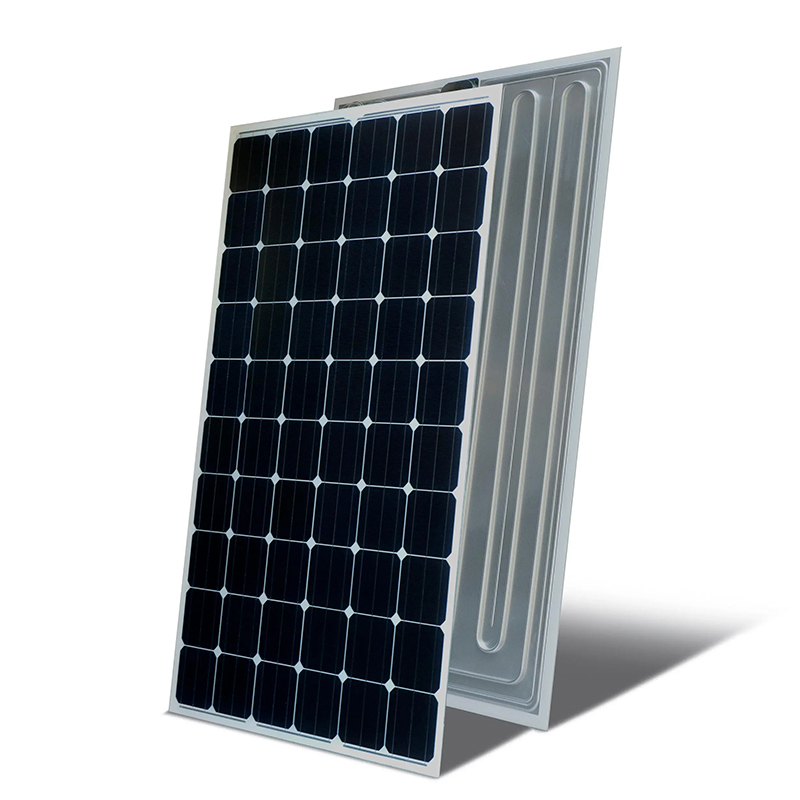
Sourcing PV thermal panels requires careful consideration of several factors to ensure that you receive a product that meets your needs. Begin by evaluating potential suppliers based on their manufacturing capabilities and quality control processes. A reputable manufacturer, like Jiangsu DHC Environmental Si-Tech Co., Ltd., emphasizes strong supply chain partnerships and has a dedicated R&D factory, which can lead to more efficient production and innovative solutions.
When requesting a quotation, be specific about the quantity and customization requirements. Consider factors such as the minimum order quantity (MOQ) and lead times, which can vary significantly between suppliers. Also, inquire about the packaging methods used to ensure safe delivery, especially for bulk orders.
Furthermore, assess the supplier’s export markets and experience. This can provide insights into their reliability and ability to meet international standards. Building a strong relationship with a supplier can lead to better pricing, consistent quality, and tailored solutions for your energy needs.
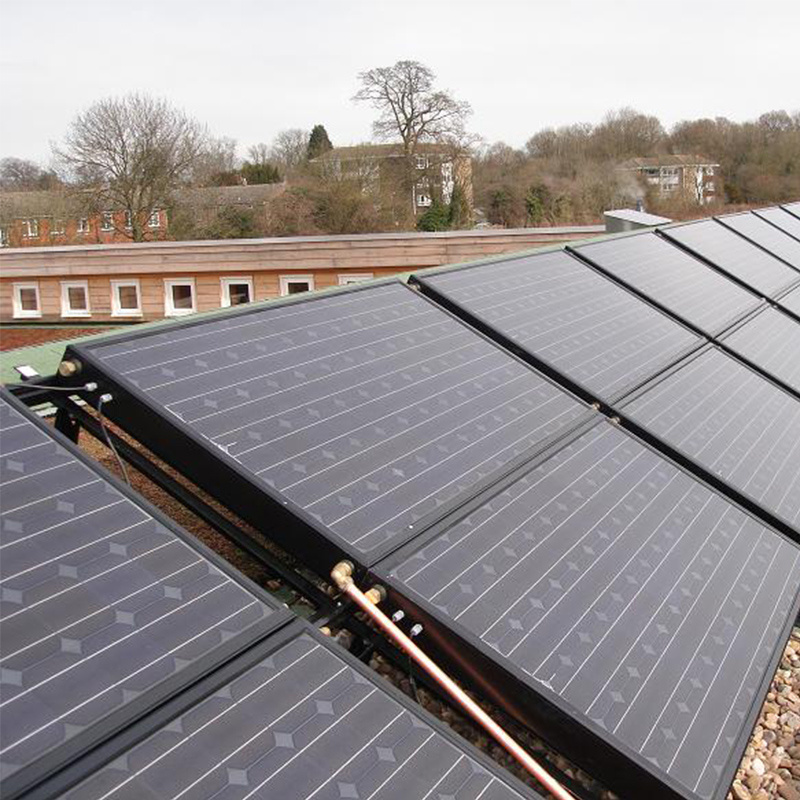
While PV thermal panels offer numerous benefits, they are not without challenges. One common issue is temperature sensitivity, where extreme heat can affect the efficiency of the photovoltaic cells. To mitigate this, ensure proper ventilation during installation and consider panels specifically designed to withstand higher temperatures. You might also explore options like the Home Solar Powered Heat Pump System 5.4kW PVT Panels with 6P Heat Pump for optimal performance.
Another potential problem is moisture accumulation, which can lead to corrosion and diminish the panels' lifespan. To address this, look for panels with effective sealing and drainage features. Regular maintenance checks can also help identify and resolve issues before they escalate.
Additionally, buyers should be aware of the compatibility of PV thermal panels with existing energy systems. It's essential to evaluate the overall energy requirements and ensure that the chosen panels can integrate with current setups without requiring significant modifications.
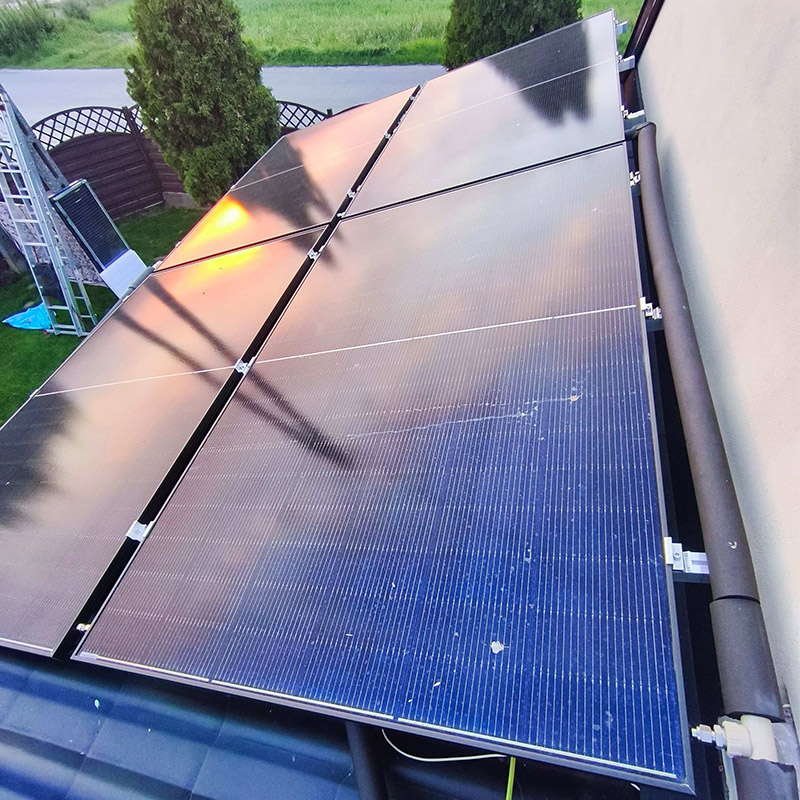
Choosing the right PV thermal panel depends on several factors, including the intended application, available space, and energy demands. For commercial settings, panels with higher efficiency and thermal output may be more beneficial, especially in regions with high energy consumption. Applications in residential settings might prioritize aesthetics alongside functionality.
Buyers should also consider the installation environment. For example, panels installed in areas with heavy snowfall may require different specifications compared to those in arid climates. Understanding these nuances can help in selecting the optimal product configuration.
Furthermore, think about long-term maintenance costs. Some panels may have higher upfront costs but lower maintenance requirements, leading to cost savings over the product's lifespan. Discussing these factors with your supplier can clarify which options align best with your business objectives.
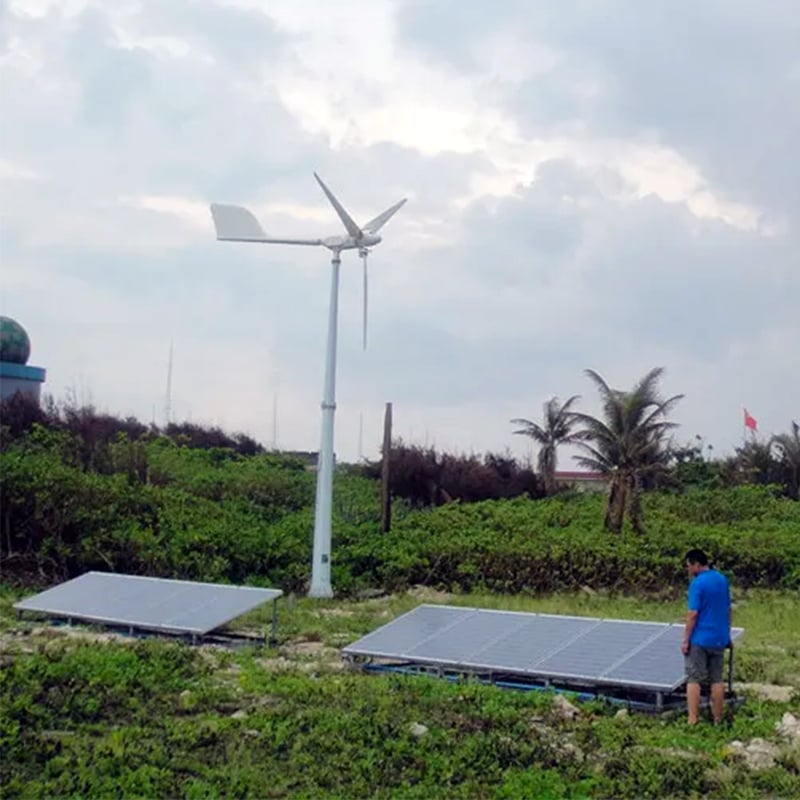
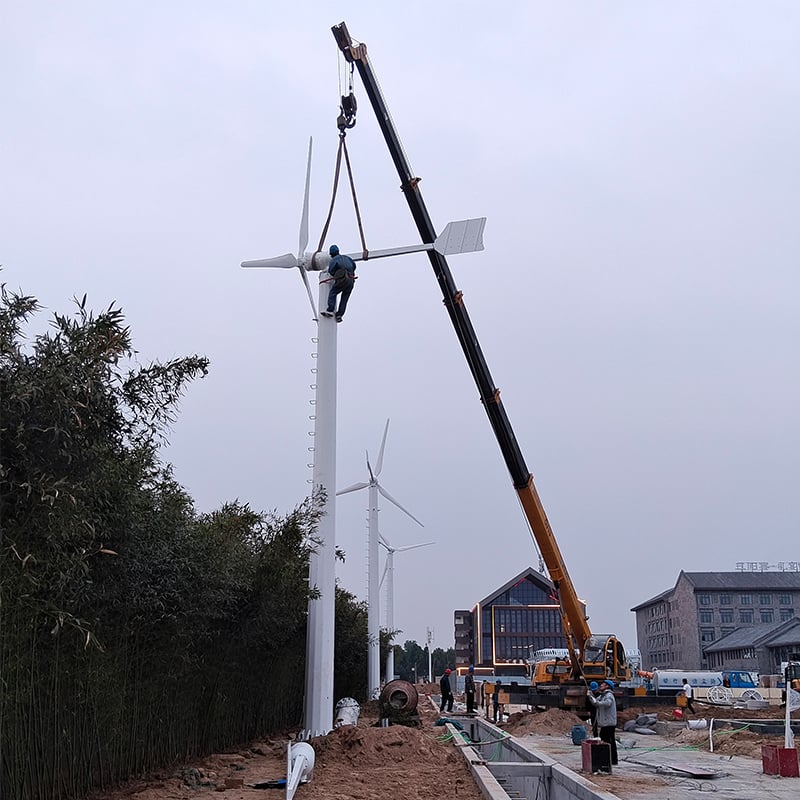
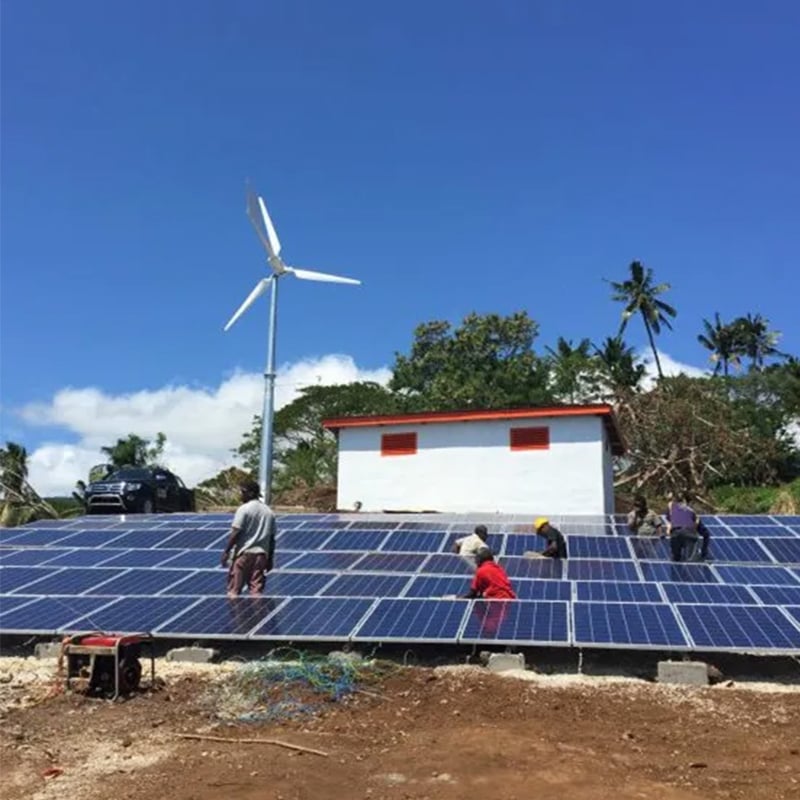
We're dedicated solving commercial residential electrical needs utilizing a solar/wind power system. With professional supply chain management and integration capabilities, are able to provide customers with completely customized solutions. We'll provide high-quality service all hours of day from Wind turbine for home 5kw to design and after-sales.
Our commitment integrity the foundation of our business. We provide genuine power products and provide skilled service. Regarding wind turbines can pay attention is important to committed to preserving integrity as the primary goal of our enterprise, and we offer customers real power products and professional services. It is possible to consider factors such as blade diameter as well as wind turbine weight when Wind turbine for home 5kw wind turbines. We ensure that all products made by DHC are based on actual power output and not overinflated power.
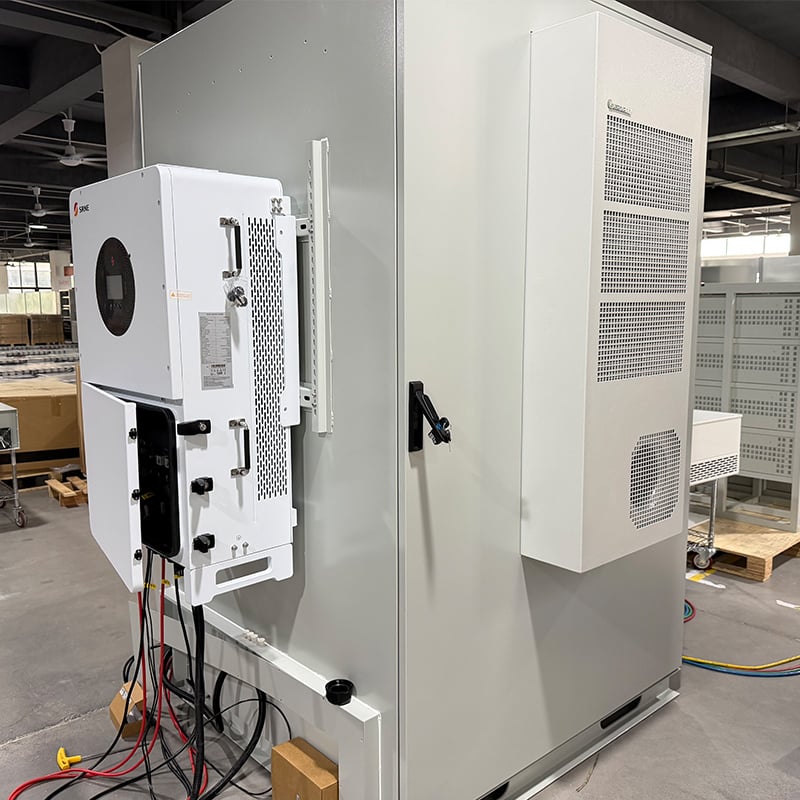
main products include wind turbines, solar panels lifepo4 batteries. customers can receive all-in-one-shop solution the integration and design wind-solar hybrid smart photovoltaic systems. DHC is reliable supplier of products, 15kw wind turbine for home, after-sales support customers through the best delivery capabilities.
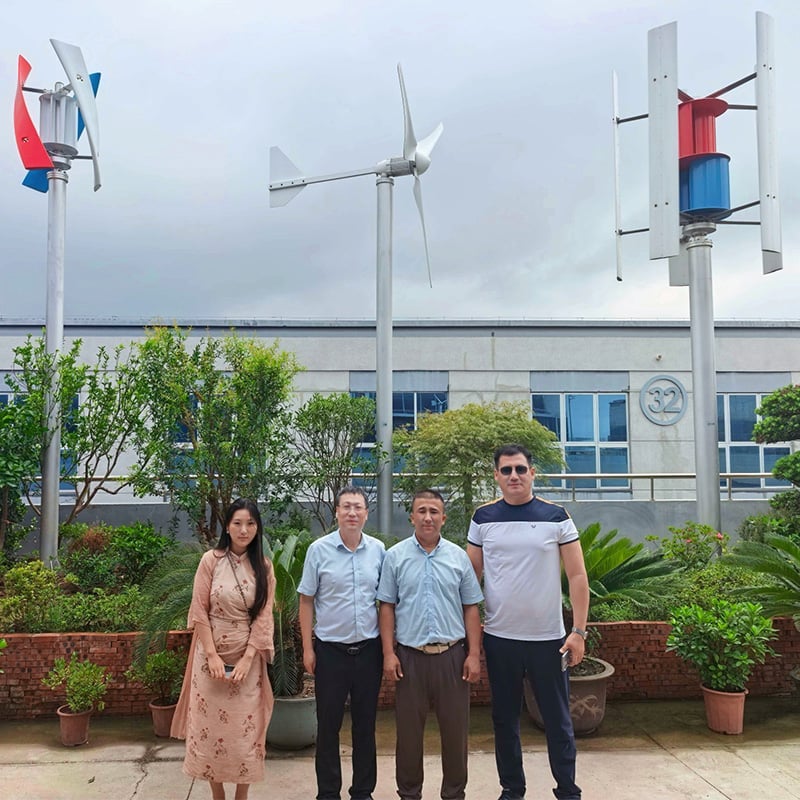
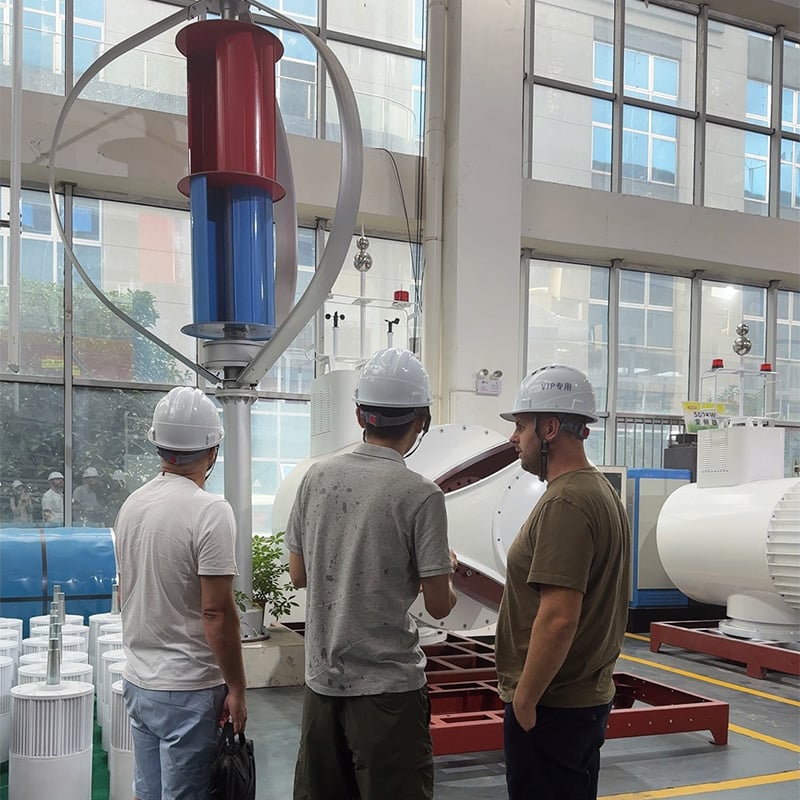
DHC the top brand in the wind solar hybrid power system. It has own manufacturing facility that incorporates R D and design, production, technical support. Since 2009 our founders have embraced the idea of protecting environment by embracing new technology and embraced 15kw wind turbine for home culture "diligence and honesty, as well as cooperation and creativity." This also the basis of our brand "DHC".
Material selection plays a crucial role in the performance and durability of PV thermal panels. Most panels utilize tempered glass for the outer layer, which offers excellent protection against environmental factors while allowing maximum light penetration. The use of aluminum frames not only contributes to the structural integrity but also provides resistance to corrosion.
The photovoltaic cells are often made of monocrystalline or polycrystalline silicon, each having its advantages. Monocrystalline cells are known for their higher efficiency and longer lifespan, while polycrystalline cells are generally more cost-effective, albeit slightly less efficient.
Moreover, advancements in thermal insulation materials are enhancing the efficiency of heat retention, making modern panels more effective than their predecessors. Understanding these material advantages can guide buyers in selecting products that align with their operational needs and budget constraints.
By considering these specifications, sourcing strategies, potential challenges, and material benefits, businesses can make informed decisions on PV thermal panels that best suit their energy requirements. Collaboration with experienced manufacturers ensures access to high-quality products and tailored solutions for diverse applications in the renewable energy sector.
Welcome to DHC, the top brand of wind solar hybrid power system! We provide innovative and effective new energy solutions including wind turbine, solar panel, lifepo4 battery, etc.
 EN