
As renewable energy gains traction, PV thermal solar panels have emerged as a pivotal technology for efficient energy generation. These panels combine photovoltaic and thermal systems to convert sunlight into both electricity and heat, making them an attractive option for businesses looking to reduce energy costs and environmental impact. For B2B buyers—such as purchasing managers, distributors, and engineers—understanding the specifications, sourcing, potential issues, and applications of PV thermal solar panels is essential for making informed purchasing decisions. This article will provide clarity on these aspects, ensuring that you are well-equipped to evaluate and select the right products for your projects.
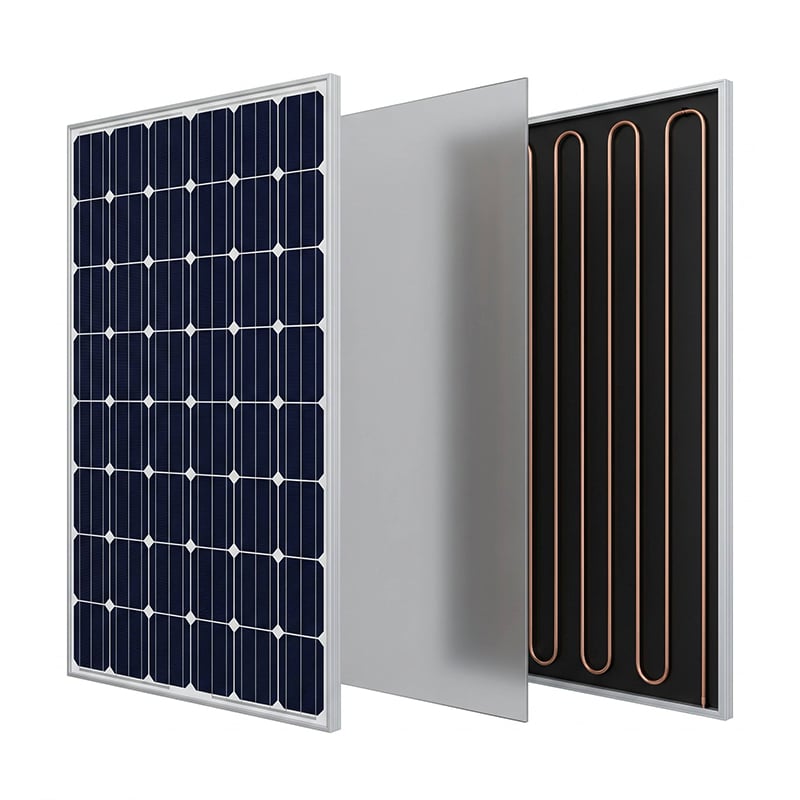
PV thermal solar panels come with a variety of specifications that can significantly influence their performance and suitability for different applications. Key specifications to consider include:
Efficiency Ratings: Efficiency refers to how well a panel converts sunlight into usable energy. Higher efficiency ratings indicate better performance, especially in limited space.
Size and Dimensions: The physical size of the panels is crucial for installation. Ensure that the dimensions align with your installation area, whether it's a rooftop or ground-mounted system.
Material Composition: PV thermal panels are typically made from high-quality materials like tempered glass, aluminum frames, and various semiconductor materials (such as monocrystalline or polycrystalline silicon) for photovoltaic cells. Understanding the material properties can help you assess durability and performance under different environmental conditions.
Thermal Performance: This includes parameters such as thermal conductivity and heat transfer efficiency, which are essential for evaluating how well the panel can harness thermal energy.
Certifications: Look for panels that meet industry standards such as ISO certifications or IEC standards, as they ensure quality and performance reliability.
Production Capacity and MOQ: Be aware of the manufacturer's production capabilities and minimum order quantities (MOQ), which can affect your supply chain planning.
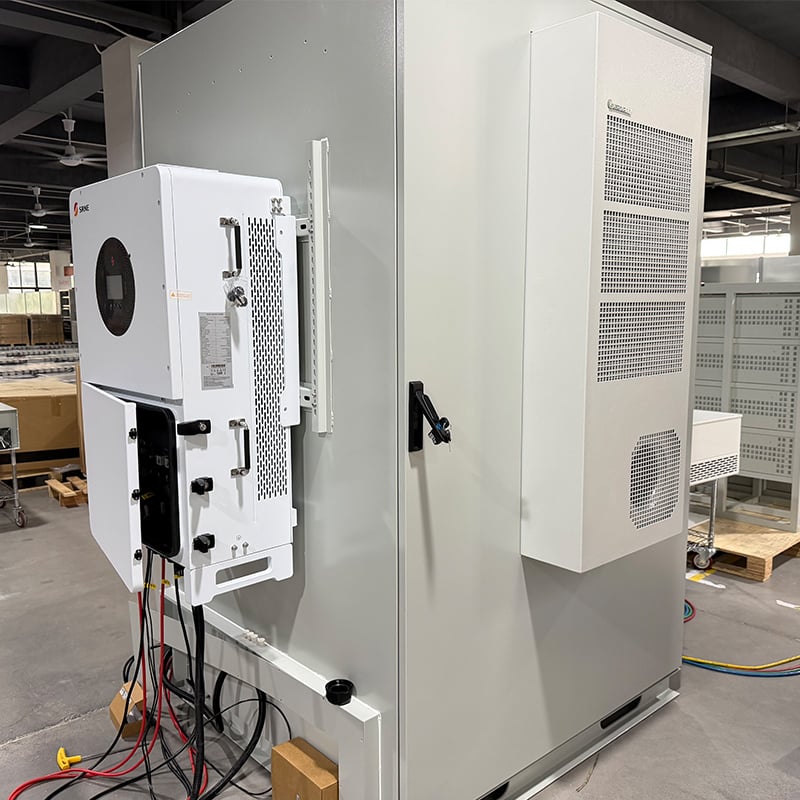
By thoroughly understanding these specifications, buyers can better assess which PV thermal solar panels will meet their energy needs and project requirements. Additionally, considering a Container Energy Storage Battery can enhance overall energy management in various applications.
When sourcing PV thermal solar panels, several factors should be prioritized to ensure a successful purchase:
Application Suitability: Consider the specific applications for which the panels will be used. Different industries may have varying requirements for energy output, installation space, and environmental conditions.
Customization Options: Some suppliers offer customization capabilities, allowing buyers to specify dimensions, power output, and additional features. This can be crucial for projects with unique requirements.
Supplier Reliability: Evaluate the supplier’s reputation and reliability. This includes looking into their manufacturing processes, quality control measures, and customer feedback.
Warranty and Support: Check the warranty terms and post-purchase support offered by the supplier. A robust warranty can provide peace of mind regarding the longevity and performance of the solar panels.
Cost Considerations: Analyze the total cost of ownership, including installation, maintenance, and potential savings on energy bills. A lower initial price may not always translate to lower long-term costs.
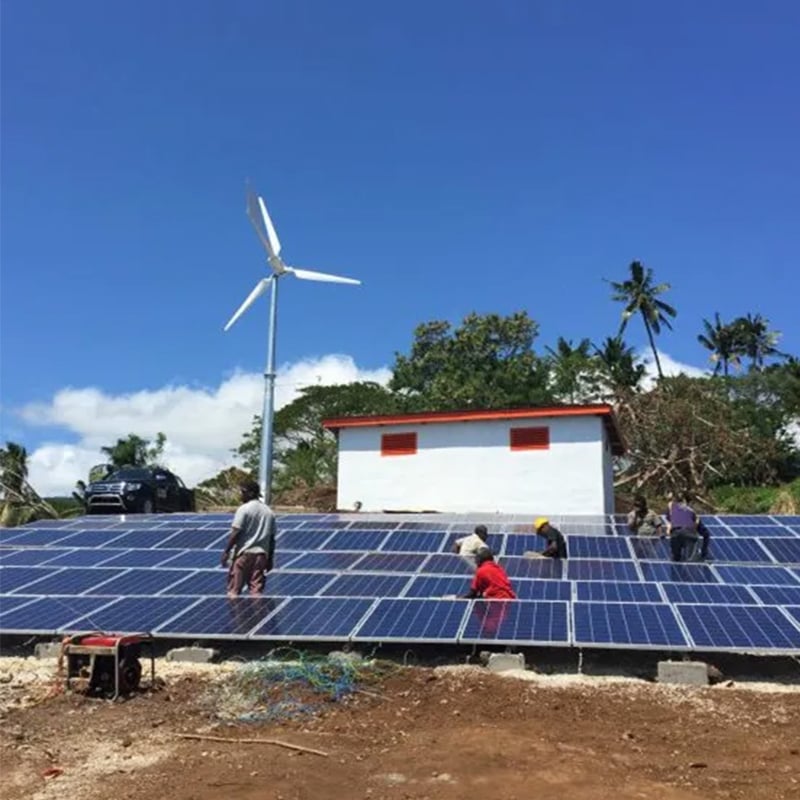
By carefully considering these factors, buyers can reduce risks and make informed decisions that align with their project goals. Exploring options like Wind Solar Hybrid Power System can also provide innovative solutions.
Sourcing high-quality PV thermal solar panels requires a strategic approach. Here are some reliable avenues to explore:
Established Manufacturers: Partnering with reputable manufacturers like Jiangsu DHC Environmental Si-Tech Co., Ltd. ensures access to quality products backed by years of experience and industry knowledge. A manufacturer with a strong supply chain and dedicated R&D capabilities can provide customized solutions tailored to your needs.
Industry Trade Shows: Attending renewable energy expos and trade shows can provide direct access to manufacturers and suppliers. This allows buyers to inspect products firsthand, ask questions, and negotiate terms.
Online Marketplaces and Directories: Platforms like Alibaba or specialized B2B directories can connect buyers with a range of suppliers. However, it’s crucial to vet any potential supplier thoroughly by checking reviews and requesting samples.
Local Distributors: Engaging with local distributors can simplify logistics and provide additional support during the sourcing process. They may also offer insights into local regulations and incentives for solar energy projects.
Consulting Industry Experts: Engaging with consultants or energy advisors can guide buyers in selecting the right products and suppliers, enhancing the overall sourcing strategy.
By utilizing these sourcing channels, buyers can ensure they find reliable PV thermal solar panels that meet their project requirements.
While PV thermal solar panels are generally reliable, potential issues can arise during and after installation. Here are some common problems and their solutions:
Installation Challenges: Improper installation can lead to suboptimal performance. Ensure that installation is performed by certified professionals familiar with solar panel systems. Conducting a site assessment prior to installation can help identify potential obstacles.
Performance Degradation: Over time, panels may experience performance degradation due to environmental factors. Regular maintenance, including cleaning and inspection, can mitigate this issue. Buyers should also inquire about the panel’s expected lifespan and degradation rates from the manufacturer.
Warranty Claims: Understanding warranty terms is crucial. If a panel fails to perform as expected, having clear documentation and understanding the claims process can expedite resolution. Ensure that your purchase includes a comprehensive warranty policy.
Compatibility with Existing Systems: If integrating PV thermal panels into an existing energy system, ensure compatibility with other components, such as inverters and battery storage systems. Consult with an engineer to assess system compatibility.
By proactively addressing these common issues, buyers can enhance the reliability and efficiency of their PV thermal solar panel systems.
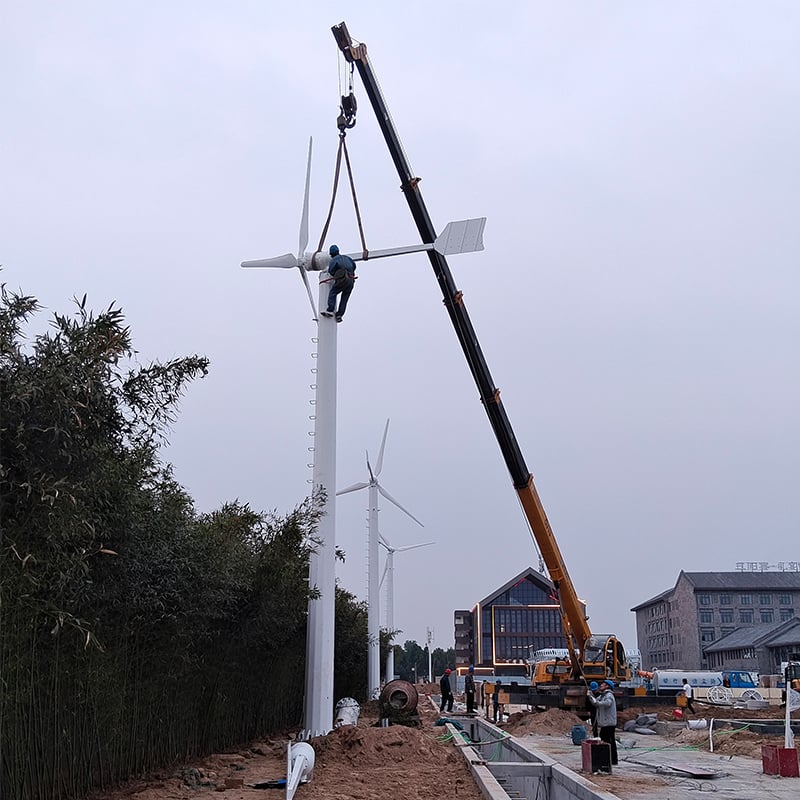
We're dedicated solving commercial residential electrical needs utilizing a solar/wind power system. With professional supply chain management and integration capabilities, are able to provide customers with completely customized solutions. We'll provide high-quality service all hours of day from Wind turbine for home 5kw to design and after-sales.
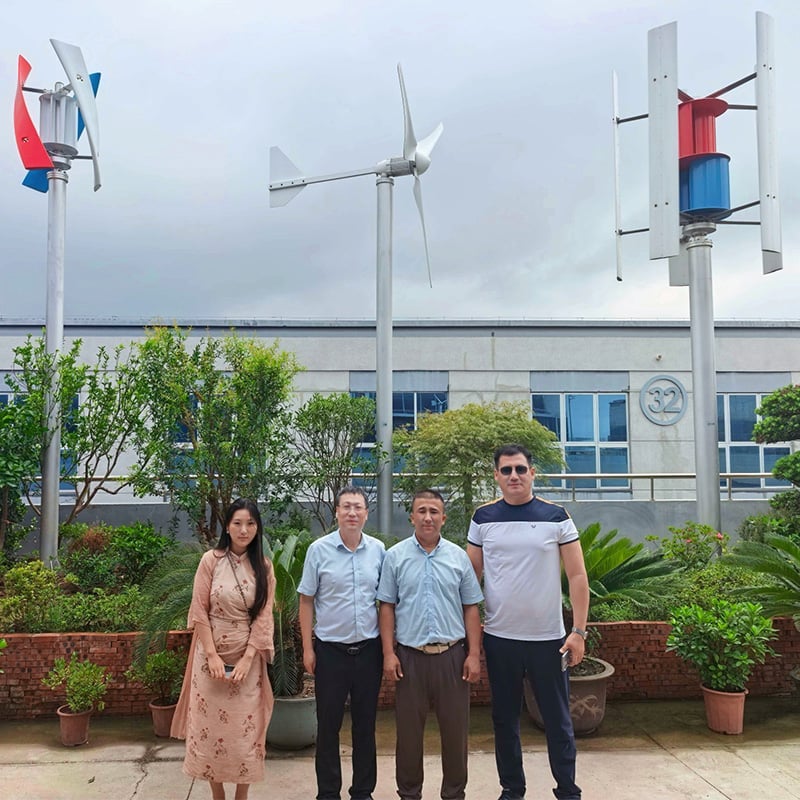
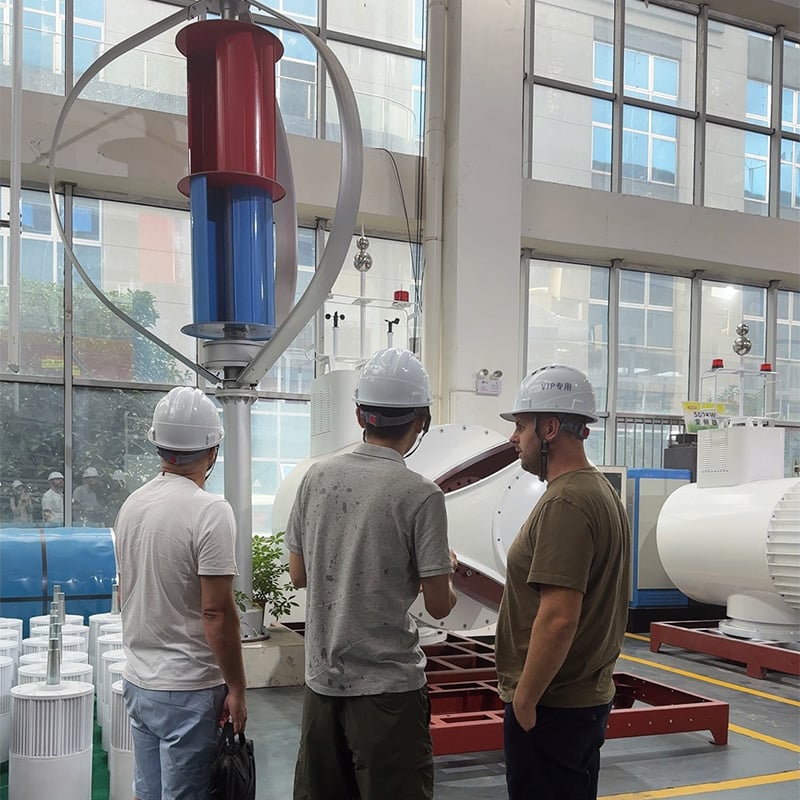
DHC is leading brand in the hybrid wind solar power systems. It has own factory that incorporates R D production, design, and technical services. Since 2009 the founders DHC have been implementing the idea protecting the environment and have been immersed in the latest technology and Wind turbine the corporate values "diligence and integrity, co-operation and creativity." This is also the source of our name "DHC".
Integrity is foundation of our company. offer real power equipment, as well as skilled Wind turbine. In the case of wind turbines, {you can pay attention it is important to commitment to integrity the basis of our business. We provide genuine power equipment, as well as expert service. Consider parameters such as blade diameter as well as wind turbine weight when looking at wind turbines. DHC promises that its products are able to deliver real power without exaggerating the power.
main products include wind Wind turbine for home 5kw solar panels. Customers can avail an all-in-one service integration development of wind-solar hybrids as well as smart photovoltaic system. With excellent delivery ability, DHC provides reliable technologies and products, as well as after-sales service customers.
PV thermal solar panels are versatile and can be utilized across a variety of industries and settings. Here are some key applications:
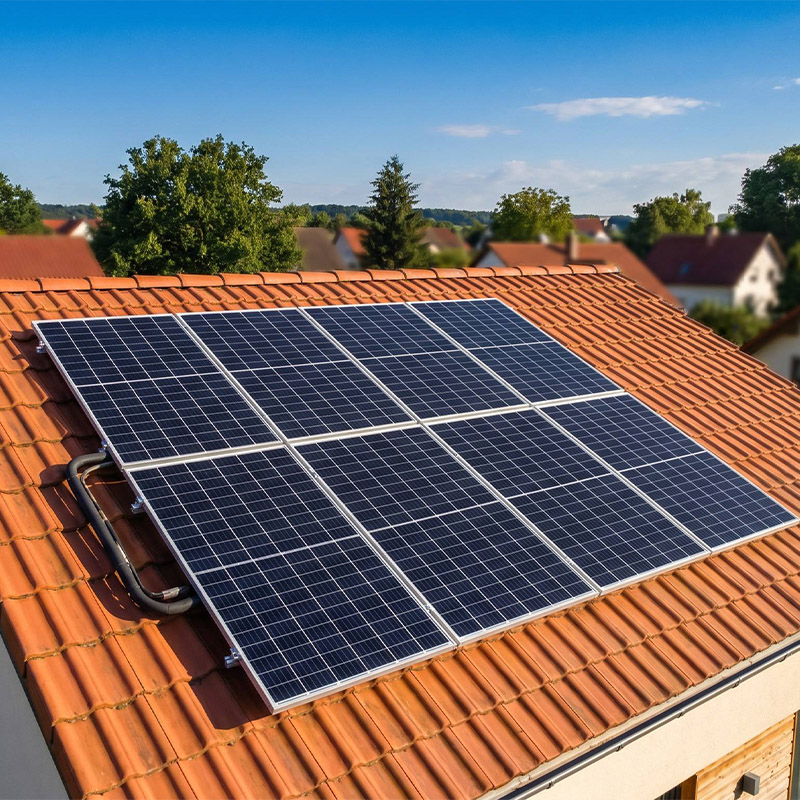
Residential Energy Systems: Homeowners can utilize PV thermal panels for both electricity and heating, significantly reducing energy bills and carbon footprints.
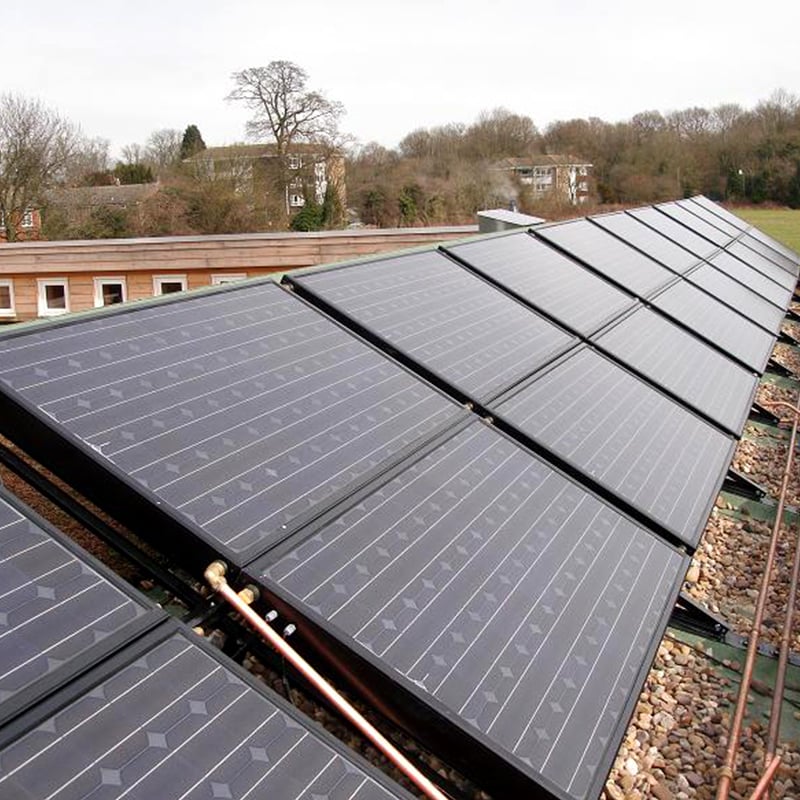
Commercial Buildings: Businesses can install these panels on rooftops or as part of large-scale solar farms, providing a sustainable energy source that can power operations and reduce reliance on the grid.
Agricultural Applications: Farms can benefit from PV thermal technology by using it to power irrigation systems or provide heat for greenhouses, enhancing productivity and sustainability.
Industrial Processes: Industries requiring significant heat energy, such as food processing or chemical manufacturing, can leverage PV thermal systems to improve energy efficiency while lowering operational costs.
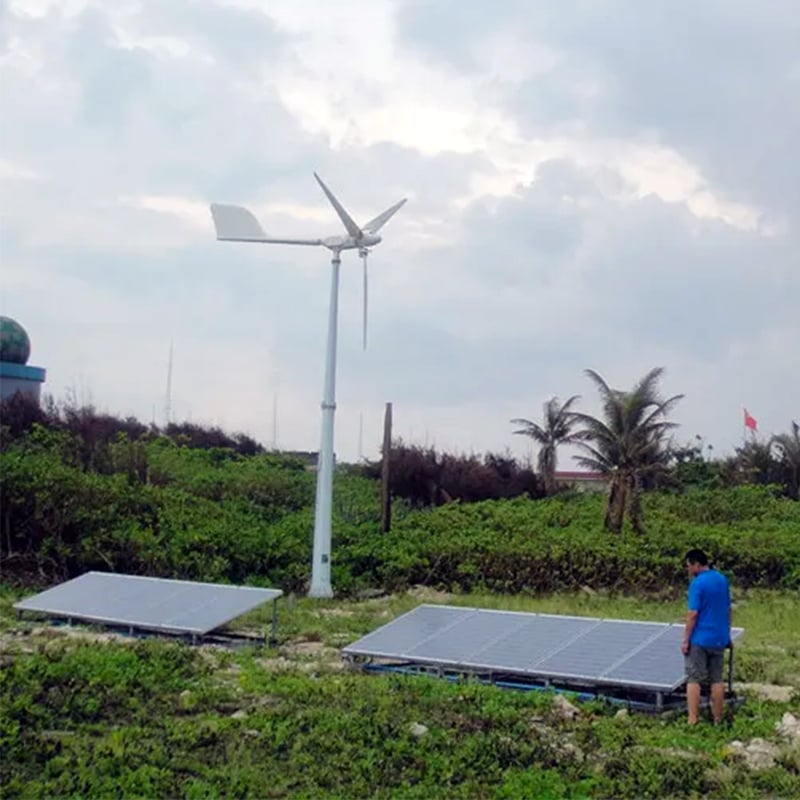
Remote Power Stations: Distributed energy generation systems using PV thermal panels can provide power to remote locations where traditional electricity sources are unavailable.
By understanding these diverse applications, buyers can better envision how PV thermal solar panels can be integrated into their specific projects, maximizing energy efficiency and cost savings.
Welcome to DHC, the top brand of wind solar hybrid power system! We provide innovative and effective new energy solutions including wind turbine, solar panel, lifepo4 battery, etc.
 EN