
When considering a PMA generator, B2B buyers need to prioritize quality and performance to ensure they meet their specific energy needs. A PMA generator, or Permanent Magnet Alternator generator, is essential for applications ranging from renewable energy systems to industrial power generation. Buyers often focus on factors such as reliability, efficiency, and compatibility with existing systems. This article will guide you through the evaluation of PMA generators, helping you make an informed purchasing decision that aligns with your operational requirements.
Evaluating the quality of PMA generators involves several critical factors. First, it's essential to assess the materials used in their construction. High-quality generators often feature durable materials that can withstand harsh environmental conditions, which is particularly important for outdoor installations. Look for generators that use corrosion-resistant components, especially if they will be exposed to moisture or chemicals.
Next, consider the manufacturing processes involved. A reputable manufacturer will have stringent quality control procedures in place, including testing for performance metrics such as efficiency, output voltage stability, and thermal performance. Requesting detailed specifications and performance data can help you gauge the reliability of the generator. Additionally, it is advisable to consider options like the Wind Controller for optimizing the performance of your generator system.
Additionally, verify the certifications held by the manufacturer. Certifications like ISO 9001 can indicate adherence to quality management practices. It’s advisable to ask for reference projects or case studies where the PMA generators have been successfully implemented, as this can provide insight into their real-world performance.
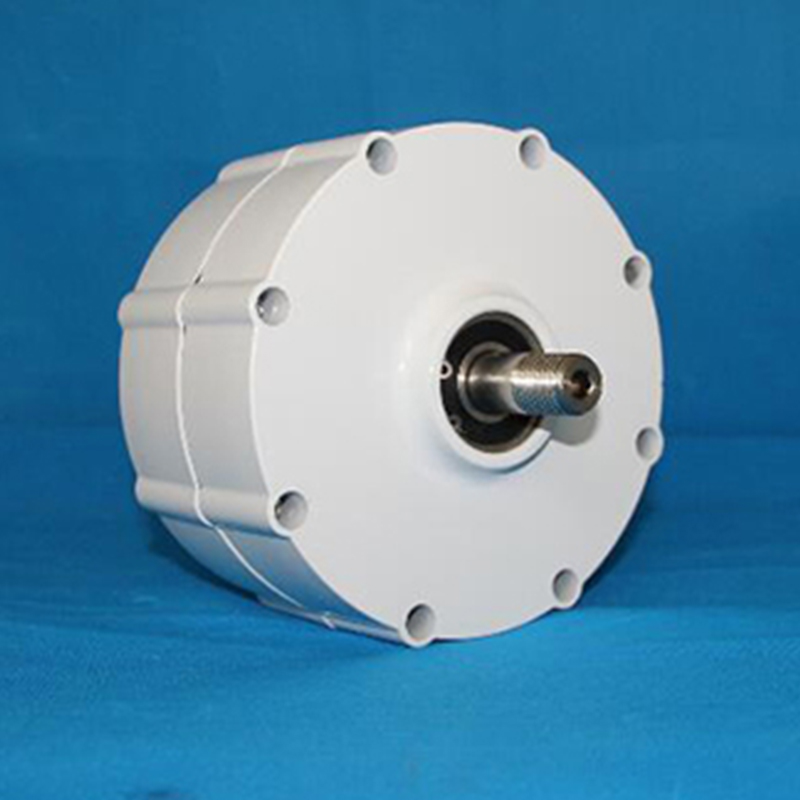
When sourcing PMA generators, consider these best practices to ensure you make a sound investment:
Conduct a Needs Assessment: Clearly define the power requirements for your application, including voltage, current, and frequency. This assessment will help you select the right generator model.
Request Samples: Before committing to a bulk order, always request samples. Testing the generator under actual operating conditions can reveal critical information about its performance and compatibility.
Evaluate Supplier Capabilities: Assess the manufacturer's production capacity and lead times. A supplier with a robust supply chain and reliable logistics can significantly impact your project timelines.
Check for Customization Options: Depending on your application, you may require specific features or performance capabilities. Ensure the manufacturer can accommodate customization requests to meet unique operational demands.
Review Maintenance and Support Services: Choose a supplier that offers comprehensive technical support and maintenance services. This can enhance the longevity and reliability of your PMA generators.
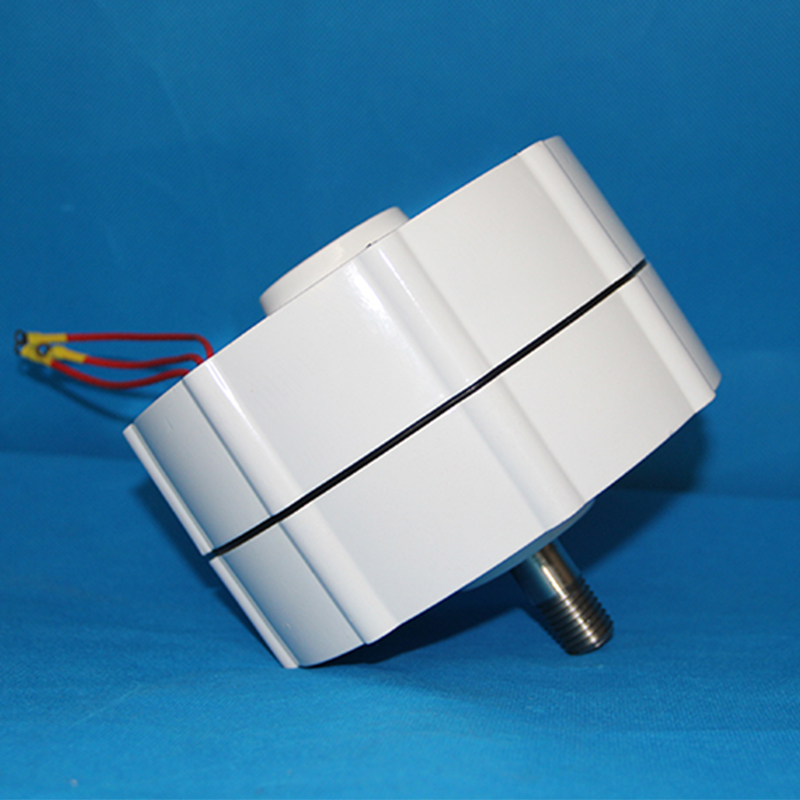
For distributors, understanding the critical features of PMA generators can enhance product selection and customer satisfaction:
Efficiency Ratings: Look for generators with high efficiency ratings, which can lead to lower operating costs and better energy output.
Output Specifications: Ensure that the generator meets the specific output requirements of end users, including voltage and power levels.
Durability: Features such as weatherproofing, vibration resistance, and thermal management systems can greatly influence the operational lifespan of the generator.
Integration Compatibility: Assess how easily the generator integrates with existing energy systems, including renewable sources like wind and solar. Compatibility can reduce installation costs and time.
Warranty and Service Agreements: A solid warranty and service agreement can indicate the manufacturer’s confidence in their product and provide peace of mind for distributors and end users.
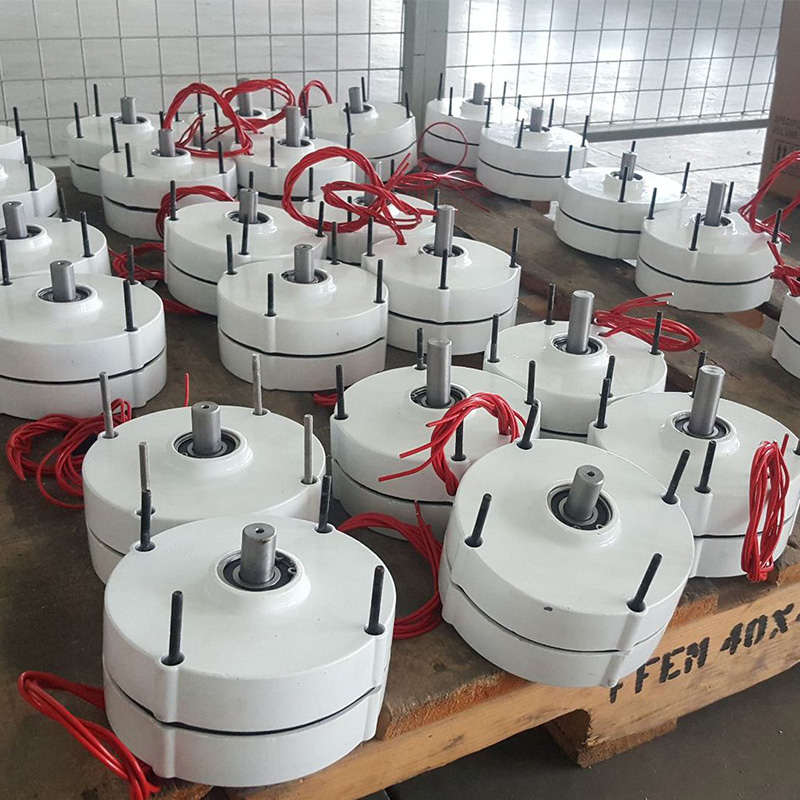
When purchasing PMA generators in bulk, several cost factors must be considered to ensure a favorable deal:
Unit Price vs. Total Cost of Ownership: While the initial unit price is important, consider the total cost of ownership, including installation, maintenance, and operational efficiency over the generator's lifespan.
Minimum Order Quantity (MOQ): Some manufacturers may have MOQs that can affect your overall budget. Understanding these requirements upfront can help in negotiating better deals.
Shipping and Handling Fees: Evaluate the shipping costs associated with bulk orders. These can vary significantly based on the supplier’s location and shipping methods.
Payment Terms: Discuss payment terms with your supplier. Flexible payment options can ease cash flow concerns, especially for larger orders.
Discounts for Bulk Orders: Many manufacturers offer tiered pricing or discounts for bulk purchases. Don’t hesitate to negotiate these terms to maximize your savings.
Wind solar energy wind turbine generator our primary focus. We can provide customers with customized solutions with professional capability of managing supply chains as well as ability integrate. Tell us what want to achieve. needs, from de sign, manufacturing, through after-sales and more, will offer you real-time professional support throughout the day.
We dedicated to upholding integrity as cornerstone of our business, offering customers genuine power products expert services. In the case of wind turbines can pay attention is important to committed to keeping integrity as the cornerstone of business, offering customers the best power products as well as 15kw wind turbine for home services. Consider parameters such as blade diameter and wind turbine's weight when you evaluate wind turbines. We promise that all products manufactured by DHC have real power output without exaggerated power.
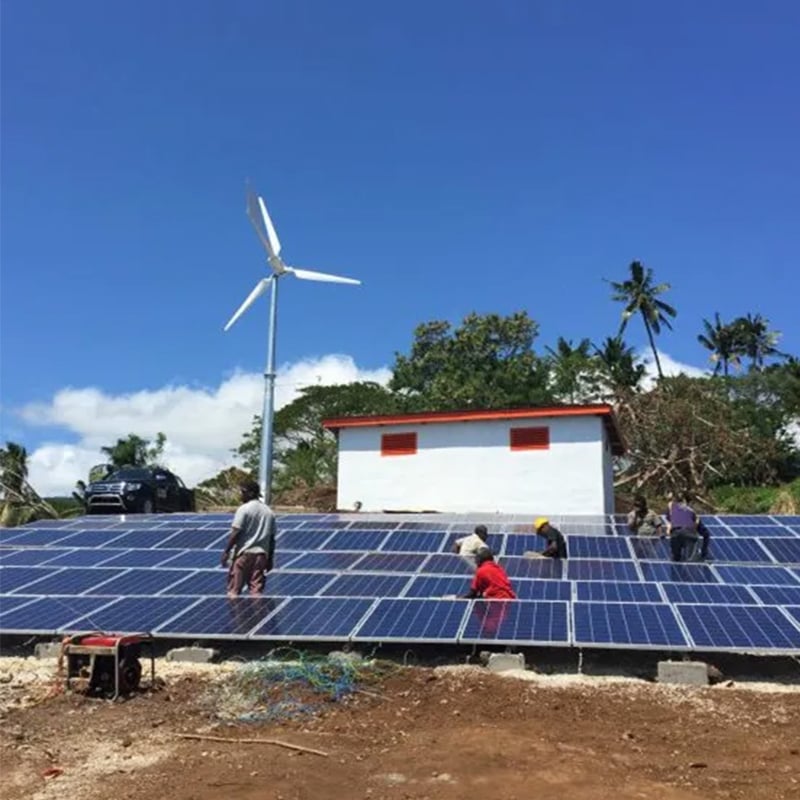
primary products wind turbines, solar panels and lifepo4 batteries. customers will receive a one-stop-shop service the integration and wind turbine generator a wind-solar hybrid as well as smart photovoltaic system. DHC provides reliable products, technologies, and after-sales service to customers with excellent delivery capability.
DHC the top brand in the wind solar hybrid power system. It has own manufacturing facility that incorporates R D and design, production, technical support. Since 2009 our founders have embraced the idea of protecting environment by embracing new technology and embraced 15kw wind turbine for home culture "diligence and honesty, as well as cooperation and creativity." This also the basis of our brand "DHC".
PMA generators, while reliable, can encounter several common issues:
Overheating: If a generator overheats, it can lead to performance degradation or failure. To mitigate this, ensure proper ventilation and consider installing thermal management systems.
Output Fluctuations: Inconsistent power output can result from improper installation or inadequate system integration. Verify that the generator is correctly matched to the load requirements and that all connections are secure.
Mechanical Failures: Regular maintenance is crucial to prevent mechanical failures. Establish a routine inspection schedule and replace worn components as needed.
Environmental Impact: Generators exposed to harsh conditions may suffer from corrosion or damage. Selecting weather-resistant models and implementing protective measures can enhance durability.
Compatibility Issues: Ensure your PMA generator is compatible with other components in your energy system. Conduct thorough compatibility checks during the planning phase to avoid operational disruptions.
By understanding these common challenges, buyers can take proactive steps to minimize risks and enhance the longevity and performance of their PMA generators, possibly by considering options like a High Voltage Lifepo4 Battery for energy storage solutions.
In summary, thorough evaluation, strategic purchasing practices, and proactive maintenance are essential for selecting and managing PMA generators effectively. This approach not only ensures optimal performance but also aligns with budgetary considerations, ultimately enhancing your operational efficiency.
Welcome to DHC, the top brand of wind solar hybrid power system! We provide innovative and effective new energy solutions including wind turbine, solar panel, lifepo4 battery, etc.
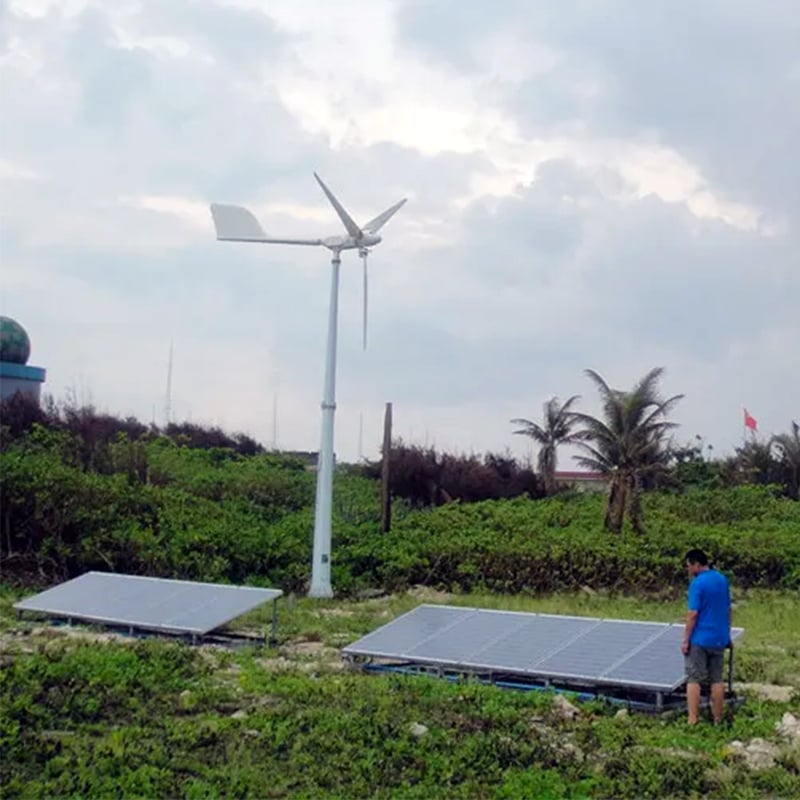
 EN