
A PMA permanent magnet alternator (PMA) is a highly efficient power generation device that utilizes permanent magnets to produce electricity. Businesses looking to invest in renewable energy solutions often seek PMAs for their reliability, low maintenance, and ability to generate power from wind and solar sources. This article will address key considerations when selecting a PMA, provide guidance for wholesale purchasing, discuss cost factors for bulk orders, offer installation advice, and outline common problems and their solutions. With over 15 years of experience, Jiangsu DHC Environmental Si-Tech Co., Ltd. is well-equipped to provide insights into these important aspects.
When selecting a PMA, buyers should consider several key factors to ensure the product meets their specific needs.
Power Output Requirements: Determine the required power output based on your application, whether it's for a residential, commercial, or industrial setting. PMAs are rated by their voltage and current output, which must align with the energy needs of your system.
Efficiency Ratings: Evaluate the efficiency of the alternator. Higher efficiency ratings mean better energy conversion, which is crucial for maximizing the potential of renewable energy sources. For example, a well-designed Wind Power Generation System can significantly enhance your energy output.
Size and Weight: The dimensions and weight of the PMA should fit within the design constraints of your application. Ensure that the alternator can be easily integrated into existing systems or setups without requiring significant alterations.
Material Considerations: PMAs are typically constructed from durable materials that can withstand environmental stresses. Factors such as corrosion resistance, temperature tolerance, and mechanical robustness should influence your material selection.
Customization Options: Depending on the application, you might need a customized PMA. Consider whether the manufacturer can accommodate specific requirements, such as unique mounting configurations or output specifications.
Quality Certifications: Ensure that the PMA complies with relevant industry standards and certifications, which can be an indicator of reliability and performance.
By addressing these considerations, buyers can make informed decisions that best suit their operational needs.
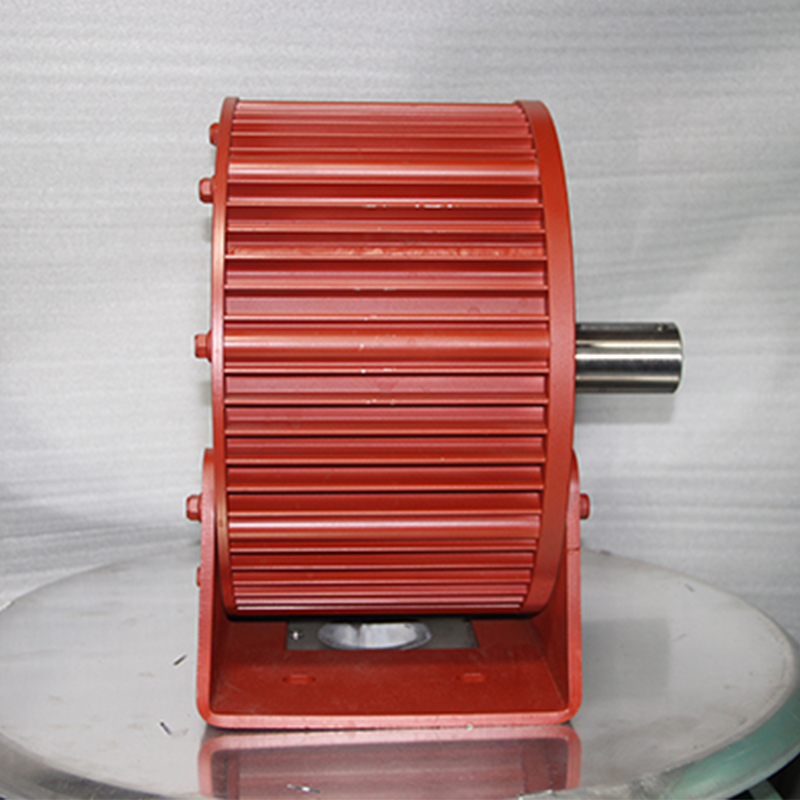
When purchasing PMAs in bulk, it's essential to follow a systematic approach to ensure that you receive high-quality products at competitive prices.
Request for Quotation (RFQ): Prepare a detailed RFQ that includes your specifications, quantity requirements, and desired delivery timelines. Clear communication can help manufacturers provide accurate quotes.
Supplier Evaluation: Research potential suppliers to understand their manufacturing capabilities, quality control processes, and industry reputation. Look for customer reviews and testimonials to gauge reliability.
Sample Approval: Before placing a large order, request samples to verify quality. Ensure that the samples meet your specifications, particularly in terms of performance and materials.
Negotiating Terms: Discuss pricing, lead times, payment options, and shipping conditions with potential suppliers. Be clear about your expectations to avoid misunderstandings.
Contracts and Agreements: Once you select a supplier, ensure that all terms are documented in a formal agreement. This protects both parties and clarifies expectations.
Following these steps will help ensure a successful wholesale purchasing experience for PMA permanent magnet alternators.
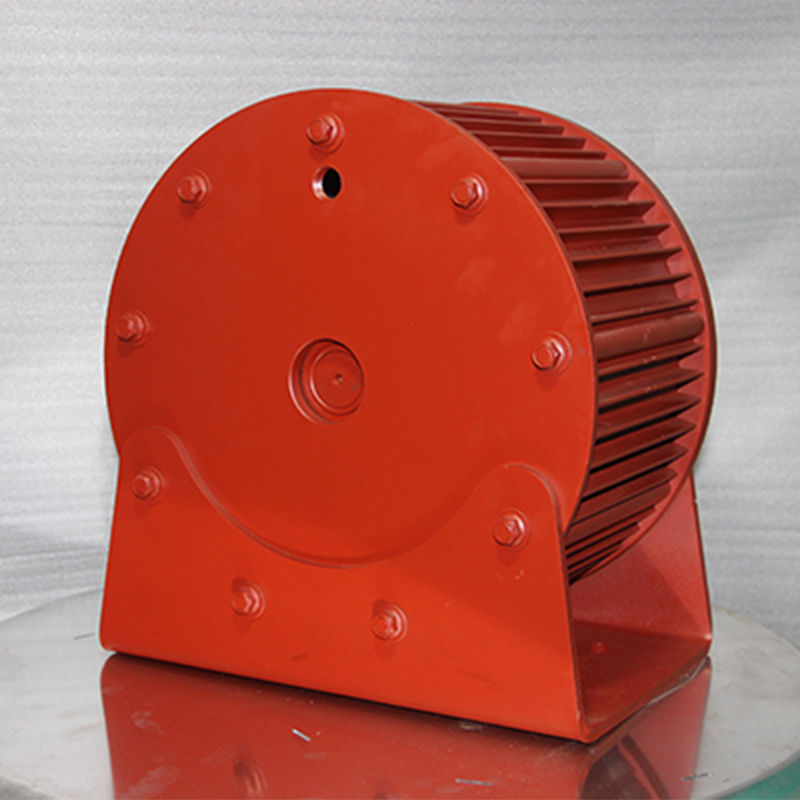
Understanding the cost factors associated with bulk orders of PMAs can help businesses budget effectively and maximize their investment.
Volume Discounts: Many manufacturers offer discounts based on the quantity ordered. Larger orders typically yield lower per-unit costs, so it's beneficial to assess your needs accurately.
Material Costs: The materials used in the PMA’s construction can significantly impact pricing. High-performance materials may increase costs but can lead to improved durability and efficiency in the long run. For instance, using a High Voltage Lifepo4 Battery can enhance overall system performance.
Customization Fees: If you require customized features, be aware that this may add to the overall cost. Discuss any customization needs early in the negotiation process to avoid surprises.
Shipping and Handling: Calculate shipping and handling fees, which can vary based on the destination and delivery method. Consider logistics costs as part of your total purchasing budget.
Warranty and Support: Evaluate the warranty options provided by the manufacturer. A longer warranty may increase initial costs but can save money on potential repairs or replacements.
By considering these cost factors, buyers can make more informed purchasing decisions when acquiring PMA permanent magnet alternators in bulk.
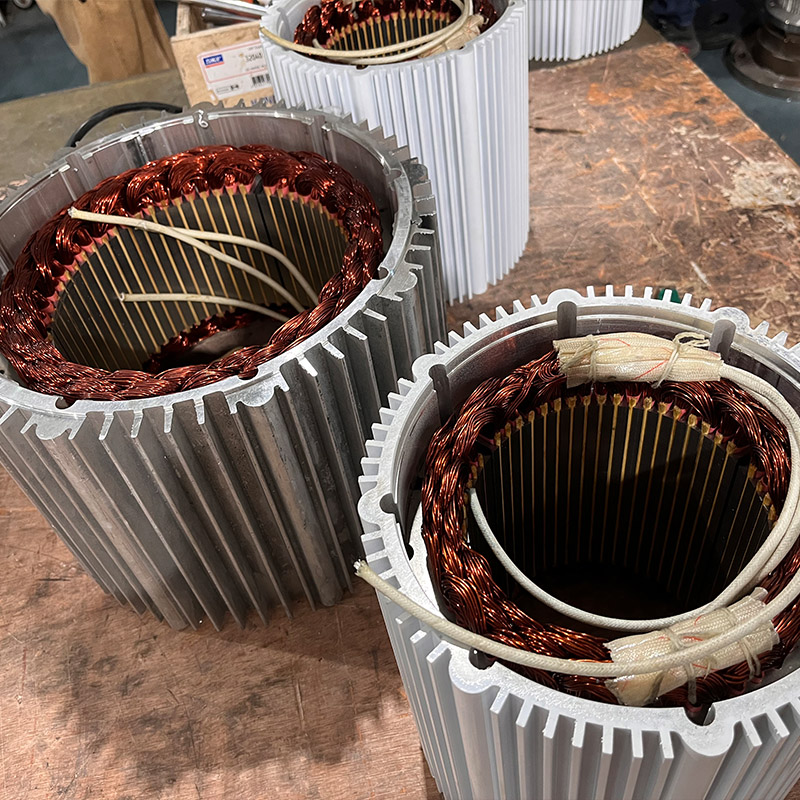
Proper installation of PMAs is crucial for ensuring their effective operation and longevity. Here are some key installation considerations:
Site Assessment: Before installation, conduct a thorough assessment of the site to identify any environmental factors that may affect performance, such as wind patterns or sunlight exposure.
Mounting Configuration: Ensure that the alternator is mounted securely to minimize vibrations. Use appropriate mounting hardware that can handle the alternator’s weight and operational dynamics.
Electrical Connections: Follow the manufacturer’s guidelines for connecting the PMA to the electrical system. Proper wiring is essential for efficient power transfer and to avoid electrical hazards.
Alignment: Ensure that the alternator is properly aligned with any connected components, such as turbines or generators, to optimize performance and prevent mechanical issues.
Testing: After installation, perform thorough testing to verify that the PMA operates as expected. Check for any unusual noises, vibrations, or electrical irregularities.
By adhering to these installation guidelines, businesses can enhance the reliability and efficiency of their PMA systems.
primary products wind turbines, solar panels and lifepo4 batteries. customers will receive a one-stop-shop service the integration and wind turbine generator a wind-solar hybrid as well as smart photovoltaic system. DHC provides reliable products, technologies, and after-sales service to customers with excellent delivery capability.
As most sought-after brand wind solar hybrid power systems, DHC has own wind turbine factory, which combines R D design, production, technical services. Since 2009 our founders have been living the idea protecting the environment, wind turbine and generator in new energy, adhered to our corporate culture of "diligence and honesty, co-operation and the pursuit of creativity." This is also the basis of our name "DHC".
Wind solar energy wind turbine generator our primary focus. We can provide customers with customized solutions with professional capability of managing supply chains as well as ability integrate. Tell us what want to achieve. needs, from de sign, manufacturing, through after-sales and more, will offer you real-time professional support throughout the day.
Integrity the cornerstone of company. offer real power solutions offer an expert service. {When it comes to wind turbines, {you can pay attention it is important to Integrity is the foundation our company. We offer real power equipment, as well as skilled service. You can consider parameters like blade diameter as well as wind you should pay attention aspects like blade's diameter as well as weight. promise that all products produced by DHC come with wind turbine generator power output and not overinflated power.
Even high-quality PMAs can encounter issues during operation. Here are some common problems and practical solutions:
Overheating: If a PMA overheats, it may indicate improper ventilation or excessive load. Ensure that the alternator has adequate airflow and is not overloaded beyond its rated capacity.
Voltage Fluctuations: Voltage irregularities can occur due to poor connections or fluctuations in input speed. Regularly inspect electrical connections and consider installing voltage regulators to stabilize output.
Mechanical Wear: Over time, components may wear down, leading to inefficiencies. Schedule routine maintenance checks to identify and replace worn parts before they cause significant failures.
Corrosion: Exposure to harsh environmental conditions can lead to corrosion of the PMA. Use corrosion-resistant materials and protective coatings to enhance durability.
Noise Issues: Unusual noises may indicate misalignment or loose components. Conduct inspections to ensure all parts are secure and correctly aligned.
By proactively addressing these common issues, businesses can maintain the performance and longevity of their PMA permanent magnet alternators.
Welcome to DHC, the top brand of wind solar hybrid power system! We provide innovative and effective new energy solutions including wind turbine, solar panel, lifepo4 battery, etc.






 EN