
Small windmill generators are compact, efficient devices designed to convert wind energy into electrical power. As businesses and organizations increasingly seek sustainable energy solutions, purchasing managers, engineers, and product managers need to consider a variety of factors when evaluating these generators. This article will provide practical insights into assessing the quality, specifications, costs, common issues, and applications of small windmill generator to help buyers make informed decisions.
When evaluating the quality of small windmill generators, it's essential to assess several key factors. First, consider the materials used in construction, such as the casing, blades, and internal components. High-quality materials not only enhance durability but also improve efficiency and performance. Look for vertical windmill generator made from corrosion-resistant materials, especially if they will be installed in harsh environments.
Next, examine the manufacturer's production capabilities and quality control processes. A reputable supplier, like Jiangsu DHC Environmental Si-Tech Co., Ltd., should have a robust quality assurance program that includes testing and inspection at various stages of production. Buyers should inquire about certifications that validate the generator's performance and safety standards, such as IEC standards or ISO certifications.
Lastly, it’s important to check for customer reviews and case studies that demonstrate the generator's performance in real-world applications. A manufacturer’s track record in the industry can also provide insights into the reliability and quality of their products.
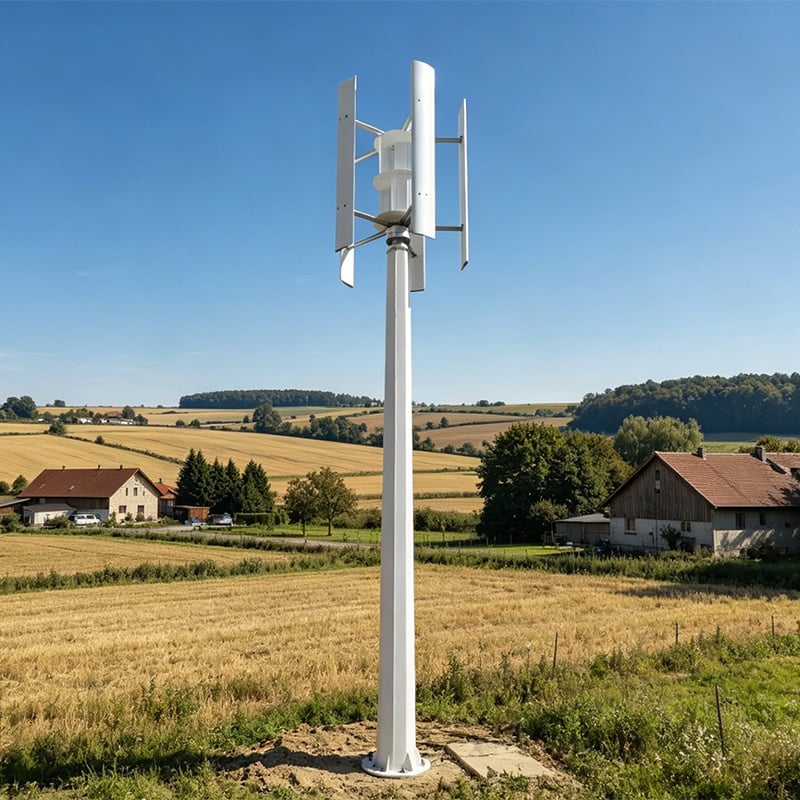
When comparing small windmill generators, several specifications are crucial for determining their suitability for your specific application. These include:
Rated Power Output: This indicates the maximum power the generator can produce under optimal wind conditions. Ensure the rated output meets your energy needs.
Cut-in Wind Speed: This is the minimum wind speed required for the generator to start producing energy. A lower cut-in speed is advantageous for areas with variable wind conditions.
Survival Wind Speed: This specifies the maximum wind speed the generator can withstand without damage. It's essential for ensuring longevity in extreme weather conditions.
Noise Level: The noise emitted during operation can be a concern, especially in residential or populated areas. Check the decibel rating and choose generators designed for quieter operation.
Dimensions and Weight: These factors affect installation and space requirements. Ensure the generator fits within your designated area, considering both height and base width.
Warranty and Support: A robust warranty and responsive customer support are indicators of a trustworthy supplier. This can provide peace of mind and assistance in case of operational issues.
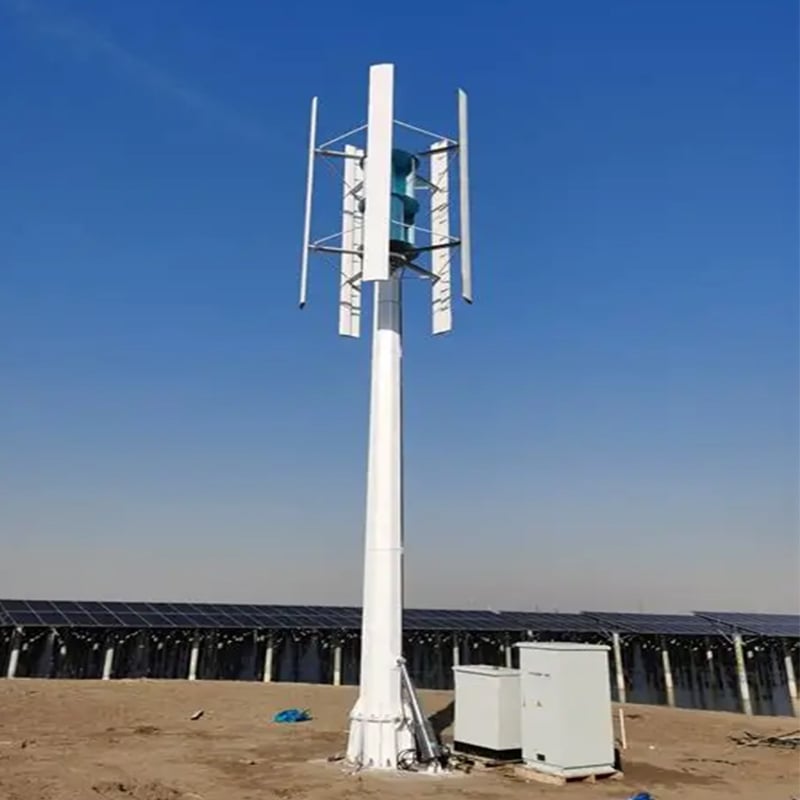
When assessing costs for bulk orders of small windmill generators, consider several factors that can influence pricing. First, the total order quantity can significantly affect unit price; larger orders often qualify for discounts. Be sure to discuss Minimum Order Quantities (MOQs) with your supplier to align your purchasing strategy.
Next, evaluate the customization options available. Tailoring generators to specific applications may incur additional costs, but it can optimize performance and efficiency. Discuss the implications of customization on lead times and production schedules.
Shipping and handling costs should also be factored in. Depending on the size and weight of the generators, logistics can add a significant expense. Ensure that you understand the shipping terms, including delivery times and responsibilities.
Lastly, consider any ongoing maintenance or operational costs associated with the generators. This includes the potential need for spare parts and servicing, which can affect the total cost of ownership over time.
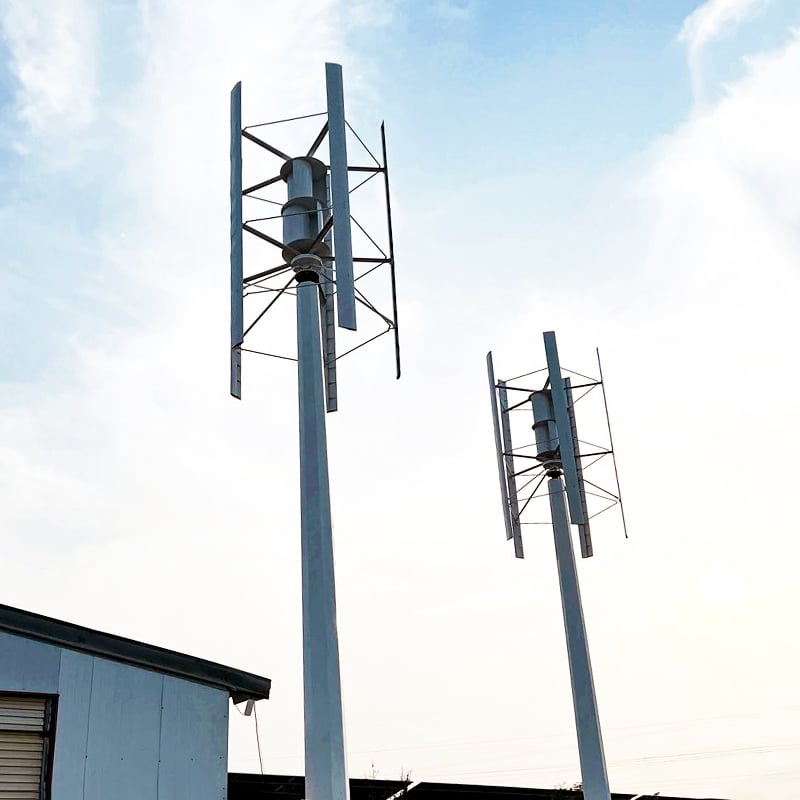
Small windmill generators can face several common issues that buyers should be aware of. One frequent problem is a lack of power output due to insufficient wind conditions or improper installation. Buyers should ensure that the chosen location has adequate wind resources and that the installation follows the manufacturer’s guidelines for optimal performance.
Another issue is noise generation. While some noise is expected, excessive sound may indicate mechanical issues or poor design. Opt for models designed for quieter operation and ensure proper installation to minimize vibrations.
Vibration and structural integrity are also concerns. Poorly balanced blades or inadequate mounting can lead to vibrations that affect performance and longevity. Regular maintenance checks should include inspecting for balance and wear on the blades.
Lastly, consider the electrical components and wiring. Corrosion or damage can lead to inefficiencies or failures. Ensure that all electrical connections are weatherproof and durable to withstand environmental factors.
main products include wind Wind turbine for home 5kw solar panels. Customers can avail an all-in-one service integration development of wind-solar hybrids as well as smart photovoltaic system. With excellent delivery ability, DHC provides reliable technologies and products, as well as after-sales service customers.
Integrity the cornerstone of company. offer real power solutions offer an expert service. {When it comes to wind turbines, {you can pay attention it is important to Integrity is the foundation our company. We offer real power equipment, as well as skilled service. You can consider parameters like blade diameter as well as wind you should pay attention aspects like blade's diameter as well as weight. promise that all products produced by DHC come with Vertical wind turbine power output and not overinflated power.
As most sought-after brand of wind solar hybrid power systems, DHC has own wind turbine factory integrating R D design, production and technical support. founders of DHC have been working on the idea green 2kw vertical axis wind turbine protection since 2009 and immersed in the world of renewable energy adhering to the company's values "diligence as well as honesty, cooperation and innovation." Our DHC brand DHC is the result of this.
are dedicated to meeting commercial domestic electricity needs with wind solar power system. able to provide customers with fully customized solutions with our professional capability managing supply chains capabilities 15kw wind turbine for home. We'll provide professional service throughout day beginning with design, production and after-sales.
Small windmill generators have diverse applications across various industries. In agriculture, they can provide supplemental power for irrigation systems, lighting, and farm operations, reducing reliance on grid electricity. Many farms are already benefitting from hybrid systems that combine wind and solar energy for greater reliability.
In commercial settings, small windmill generators can be used for powering remote facilities or as part of a larger renewable energy strategy. Businesses looking to reduce their carbon footprint can utilize these windmill power system generators to offset energy consumption and achieve sustainability goals.
Residential applications are also growing, with homeowners integrating small windmill generators into their energy systems. These generators can help power homes and reduce electricity bills, particularly in rural areas with reliable wind resources.
In remote and off-grid locations, small windmill generators can be vital for providing energy where traditional power sources are unavailable. They can operate independently or in conjunction with solar power systems to create reliable, renewable energy sources.
By understanding these various applications, potential buyers can better assess how small windmill generators can meet their specific energy needs and contribute to their sustainability initiatives.
Welcome to DHC, the top brand of wind solar hybrid power system! We provide innovative and effective new energy solutions including wind turbine, solar panel, lifepo4 battery, etc.




 EN

