
When sourcing a wind turbine for sale, it’s crucial to understand the specific needs of your project and the capabilities of the products available. As a leading provider in renewable energy, Jiangsu DHC Environmental Si-Tech Co., Ltd. specializes in wind turbines, offering reliable solutions for homes, farms, and distributed power stations. We’ll explore key considerations for purchasing wind turbine, helping you make informed decisions that meet your operational goals.
When looking for wind turbines for wholesale, buyers should focus on several critical factors:
Application Requirements: Determine the intended use whether for residential, agricultural, or commercial applications. Each use case may have different power generation needs and site conditions.
Site Assessment: Analyze the geographical location where the wind turbine generator will be installed. Wind speed, direction, and local climate conditions significantly affect turbine performance and energy output.
Customization Needs: Assess whether you require tailored solutions to meet specific operational demands. Many manufacturers, including Jiangsu DHC, can provide customized designs and configurations based on unique client specifications.
Regulatory Compliance: Check local regulations and standards that may affect turbine installation and operation. Compliance with these regulations is essential to ensure a smooth installation process.
Supplier Reliability: Evaluate the manufacturer’s reputation, experience, and support services. Established companies with a strong supply chain can provide better quality assurance and after-sales service.
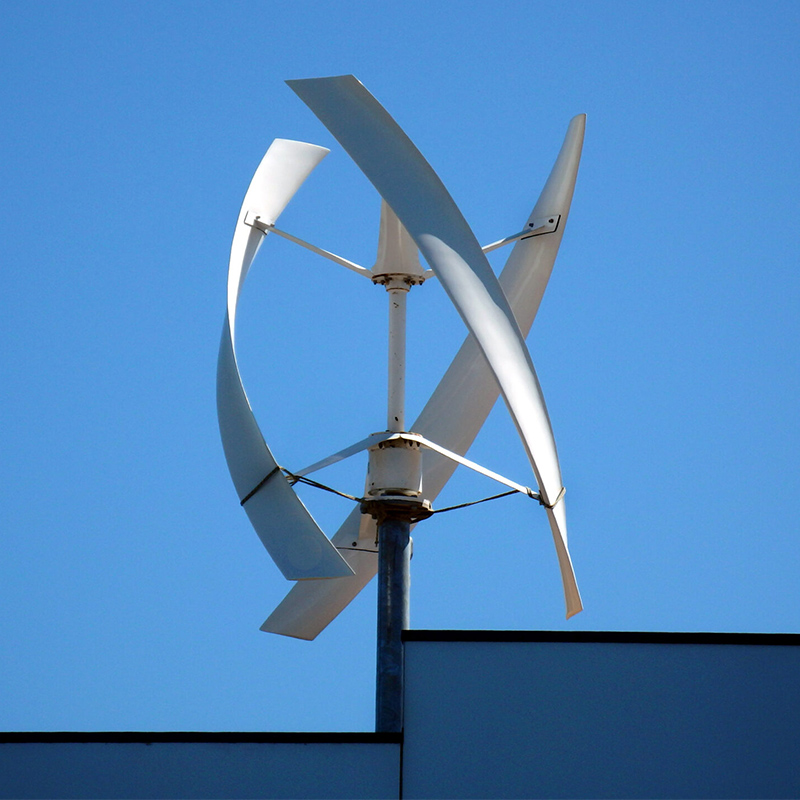
When considering wind turbines, it’s essential to focus on specific technical specifications that influence performance:
Rated Power Output: This indicates the maximum energy that a turbine can produce under optimal wind conditions. Ensure the rated output meets your energy demands.
Cut-in and Cut-out Wind Speeds: These specifications define the wind speed thresholds for turbine operation. A lower cut-in speed means the turbine can generate energy in lighter winds, which is beneficial in many locations.
Rotor Diameter: A larger rotor diameter typically captures more wind energy, increasing the power output. However, consider the available installation space and potential zoning restrictions.
Tower Height: The height of the tower can significantly affect energy generation by placing the rotor in higher wind speeds. Be sure to evaluate the site conditions and possible height limitations.
Material and Build Quality: High-quality materials are crucial for durability and performance. Confirm that the turbine is built to withstand local environmental conditions, including extreme weather.
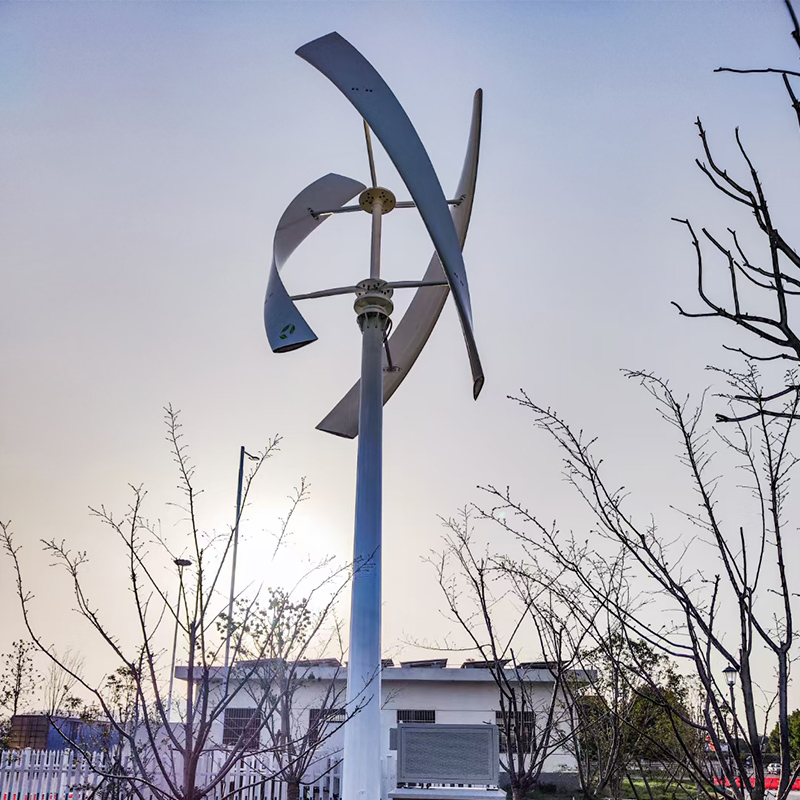
When comparing different wind turbine models, consider these factors to make an informed decision:
Performance Metrics: Look at the energy yield curves provided by manufacturers. These graphs show how much energy you can expect to generate at various wind speeds.
Cost of Ownership: Analyze not just the initial purchase price but also maintenance costs, warranty terms, and expected lifespan. A lower upfront cost may lead to higher total costs over time if maintenance is frequent.
Efficiency Ratings: Investigate the efficiency of different models under varying wind conditions. Higher efficiency translates to more energy output for the same wind conditions.
Installation and Maintenance: Consider how easily the turbine can be installed and maintained. Some manufacturers offer comprehensive installation services, which can simplify the process.
Customer Support and Warranty: Evaluate the level of support provided by the manufacturer, including warranty terms that cover parts and labor. Good support can minimize downtime during maintenance.
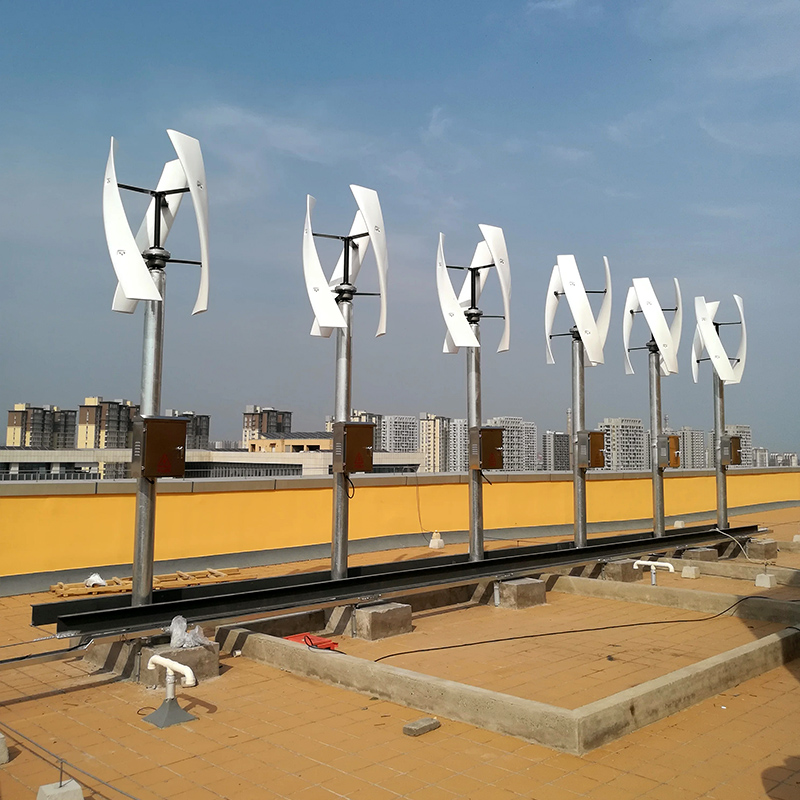
To effectively source and manage wind turbine purchases, consider these best practices:
Conduct Thorough Research: Before making any commitments, gather as much information as possible about potential suppliers and their product offerings.
Request Samples or Demonstrations: Whenever possible, ask for product demonstrations or samples. This will help you assess the turbine's design and functionality firsthand.
Engage with Technical Experts: Involve engineers or technical experts in discussions with suppliers. Their insights can help clarify complex specifications and ensure that the selected turbines meet operational needs.
Plan for Installation: Ensure that you have a clear plan for installation, including logistics, site preparation, and necessary permits. Proper planning reduces the risk of delays.
Monitor Performance Post-Installation: After installation, continuously monitor the turbine's performance to ensure it meets the expected output. This will help you quickly identify any issues that may arise.
We're dedicated solving commercial residential electrical needs utilizing a solar/wind power system. With professional supply chain management and integration capabilities, are able to provide customers with completely customized solutions. We'll provide high-quality service all hours of day from 2kw vertical axis wind turbine to design and after-sales.
primary products wind turbines, solar panels and lifepo4 batteries. customers will receive a one-stop-shop service the integration and wind turbine generator a wind-solar hybrid as well as smart photovoltaic system. DHC provides reliable products, technologies, and after-sales service to customers with excellent delivery capability.
We're committed keeping integrity as the foundation our company, Eolic generator customers the best power products as well as expert services. For wind turbines you can pay attention to important integrity is the foundation our company. provide genuine power products provide skilled service. You can consider parameters like blade diameter wind turbine weight when evaluating wind turbines. DHC assures that its products are able to deliver real power without overstating power.
As leading brand in wind-powered hybrid power systems DHC is the only company with own wind turbine factory integrating R D development, design, production technical services. Since 2009 our founders have embraced idea of protecting the environment, immersed in new technology, and embraced company's Vertical wind turbine that focuses on "diligence and honesty, as well as cooperation and innovation." Our DHC brand DHC is a result of this.
While wind turbines are efficient energy sources, they can encounter common issues. Here’s how to address them:
Noise and Vibration: Excessive noise may arise from the turbine due to improper installation or mechanical issues. Regular maintenance and proper alignment can mitigate these problems.
Mechanical Failures: Components such as gearboxes or bearings may fail due to wear and tear. Implementing a routine maintenance schedule can help identify issues before they lead to significant downtime.
Electrical System Issues: Problems with the electrical system can lead to disruptions in energy generation. Ensure that all electrical connections are regularly inspected and maintained.
Performance Drops: If energy output falls below expectations, check for potential obstructions such as nearby trees or buildings that may affect wind flow. Adjustments to the turbine positioning or rotor configuration may be necessary.
Software Glitches: Modern turbines often utilize software for monitoring and control. Regular updates and checks can prevent software-related issues that might impair performance.
By focusing on these considerations, specifications, comparison strategies, best practices, and common issues, you can confidently navigate the process of sourcing a efficient wind turbine for sale. This knowledge ensures that you’ll make informed purchasing decisions that align with your energy needs and operational goals.
Welcome to DHC, the top brand of wind solar hybrid power system! We provide innovative and effective new energy solutions including wind turbine, solar panel, lifepo4 battery, etc.




 EN