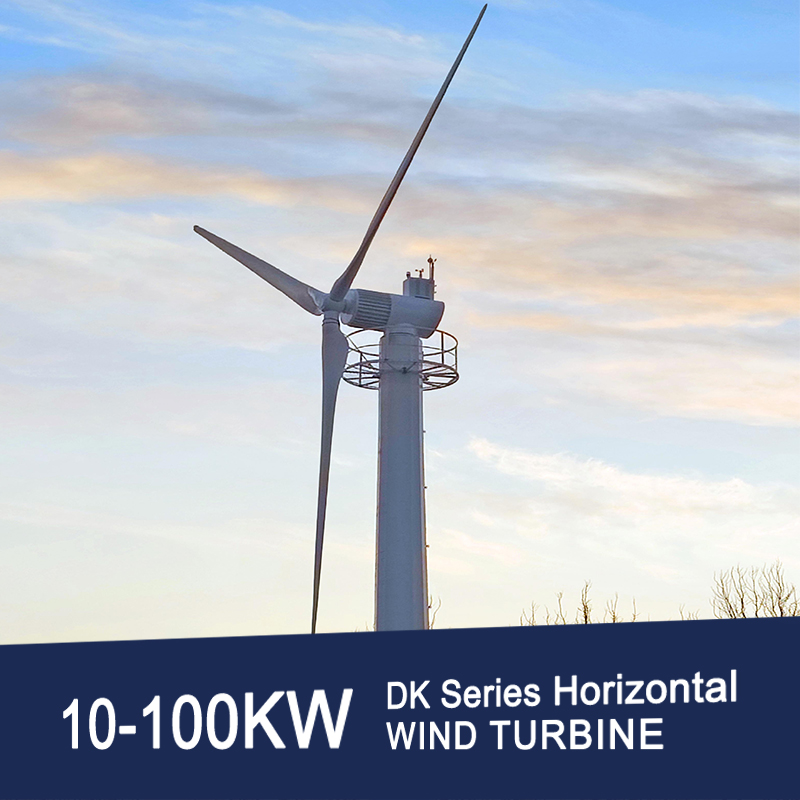
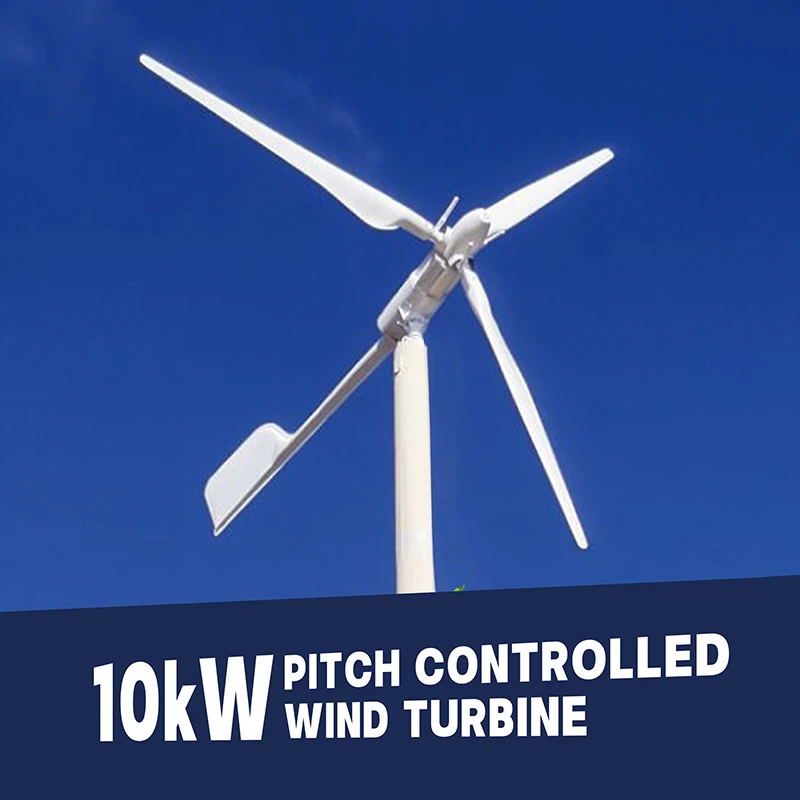
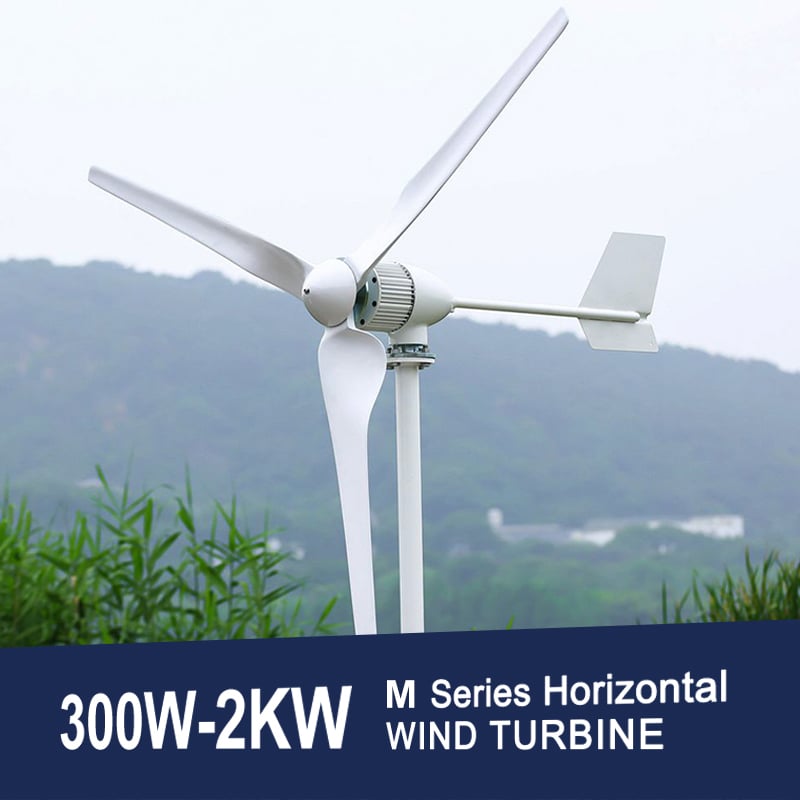
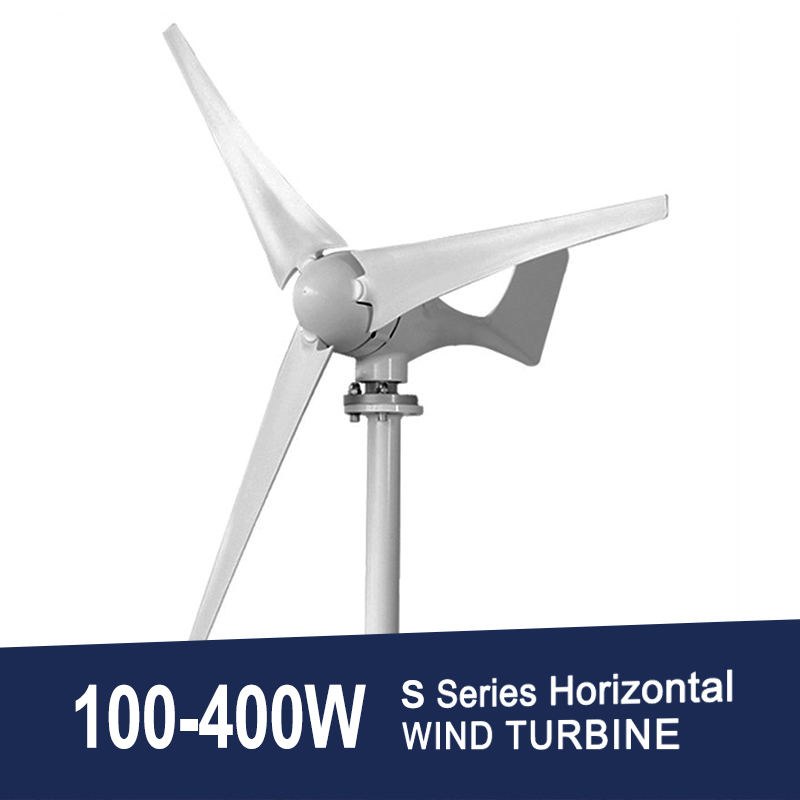
As the demand for renewable energy solutions continues to rise, wind turbine generators for home use have emerged as a viable option for homeowners seeking sustainable power sources. These compact systems harness wind energy, providing a reliable and environmentally friendly electricity supply. For purchasing managers and decision-makers in the renewable energy sector, understanding the nuances of these systems is crucial. This article will guide you through sourcing reliable suppliers, evaluating key specifications, understanding cost factors, and troubleshooting common issues associated with home wind turbine generator.
When seeking suppliers for wind turbine generators for home use, it's essential to prioritize manufacturers with a proven track record in renewable energy. Look for companies that specialize in wind and solar hybrid systems and have extensive experience, such as Jiangsu DHC Environmental Si-Tech Co., Ltd., which has been in the industry for 15 years. Evaluate potential suppliers based on their manufacturing capabilities, including the quality of their production equipment, certifications, and quality control processes.
Request information about their supply chain partnerships, as a robust network can enhance product availability and reliability. Additionally, consider suppliers that offer customization options to meet specific energy needs, as this flexibility can be a significant advantage for unique residential applications.
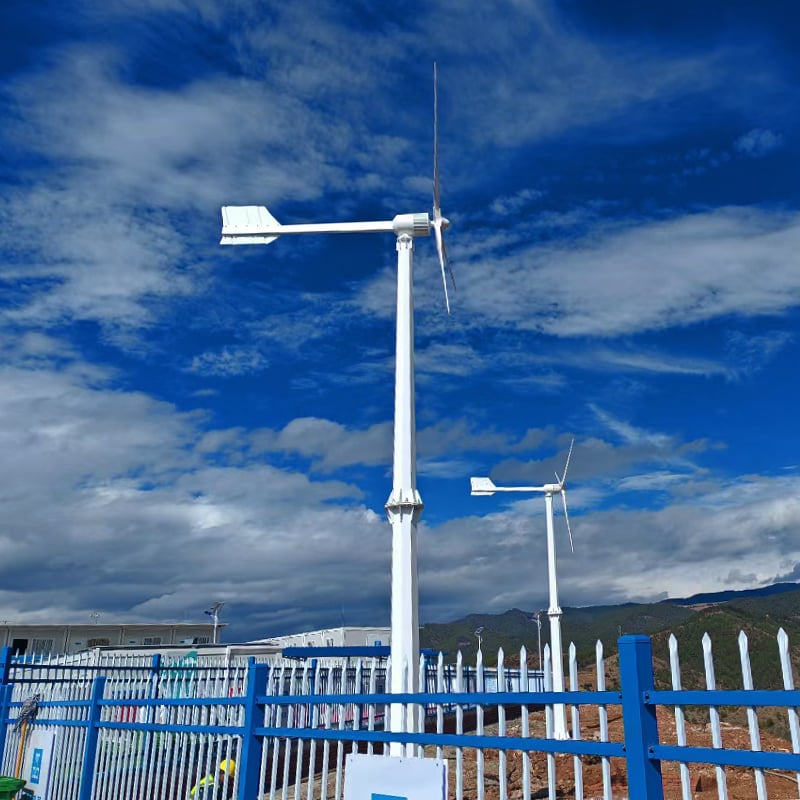
When assessing wind turbine generators, several key specifications should be considered to ensure optimal performance:
Rated Power Output: This indicates the maximum power the turbine can generate under ideal wind conditions. A higher rated output is crucial for meeting household energy demands.
Cut-in Wind Speed: This is the minimum wind speed at which the turbine begins generating electricity. Understanding this specification helps in assessing the turbine's efficiency in your local wind conditions.
Survival Wind Speed: This specification indicates the maximum wind speed the turbine can withstand without sustaining damage. It's vital for ensuring long-term durability, especially in regions prone to high winds.
Blade Diameter: A larger blade diameter can capture more wind energy, thus increasing potential power generation. However, it may also require more space for installation.
Noise Levels: Consideration of noise output is essential, particularly for residential applications. Turbines designed for home use should operate quietly to minimize disturbances.
Material and Build Quality: Assess the materials used in construction. High-quality materials contribute to the turbine's durability and resistance to environmental factors.
Buyers should review these specifications carefully and consult manufacturers for detailed explanations of how each specification impacts performance and application suitability.
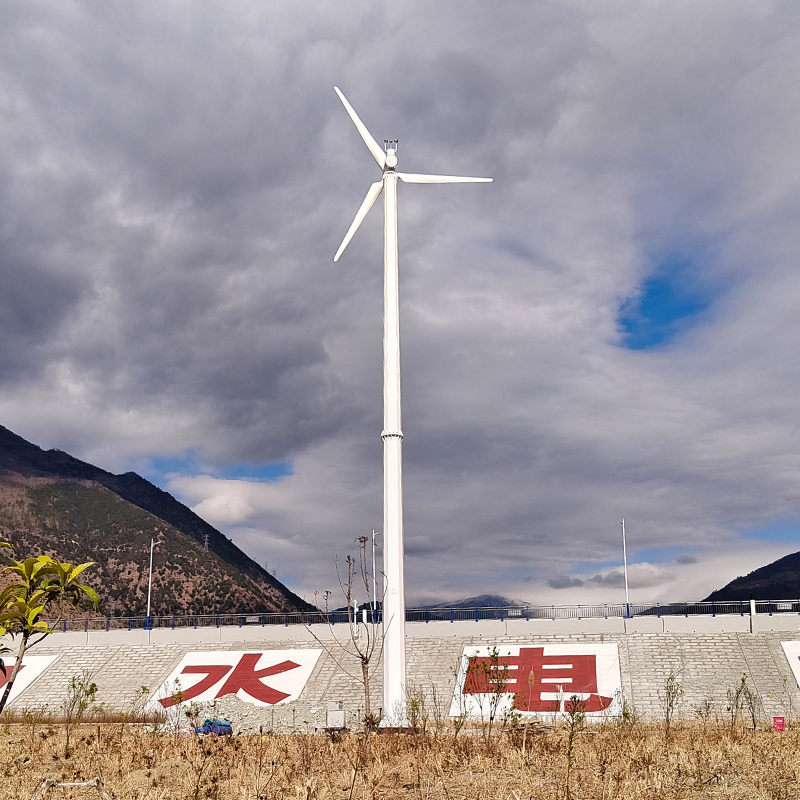
The cost of wind turbine generators for home use can vary significantly based on multiple factors:
Initial Purchase Price: This includes the cost of the turbine itself, installation components, and any additional equipment, such as inverters or battery storage systems.
Installation Costs: Professional installation is often necessary, and costs can fluctuate depending on site conditions and accessibility. Ensure to factor in these expenses when budgeting.
Maintenance and Operational Costs: Regular maintenance is essential for ensuring the longevity and efficiency of the turbine. Consider the costs associated with routine inspections and potential repairs.
Incentives and Rebates: Depending on your location, various government incentives or rebates may offset initial costs. Research available programs that encourage the adoption of renewable energy technologies.
Long-term Energy Savings: While the upfront investment may be significant, it's vital to consider potential savings on energy bills over time. Calculate the anticipated return on investment based on your household's energy consumption and local electricity rates.
It's advisable to obtain quotes from multiple suppliers to ensure competitive pricing while also evaluating the value of their offerings in terms of support and service.
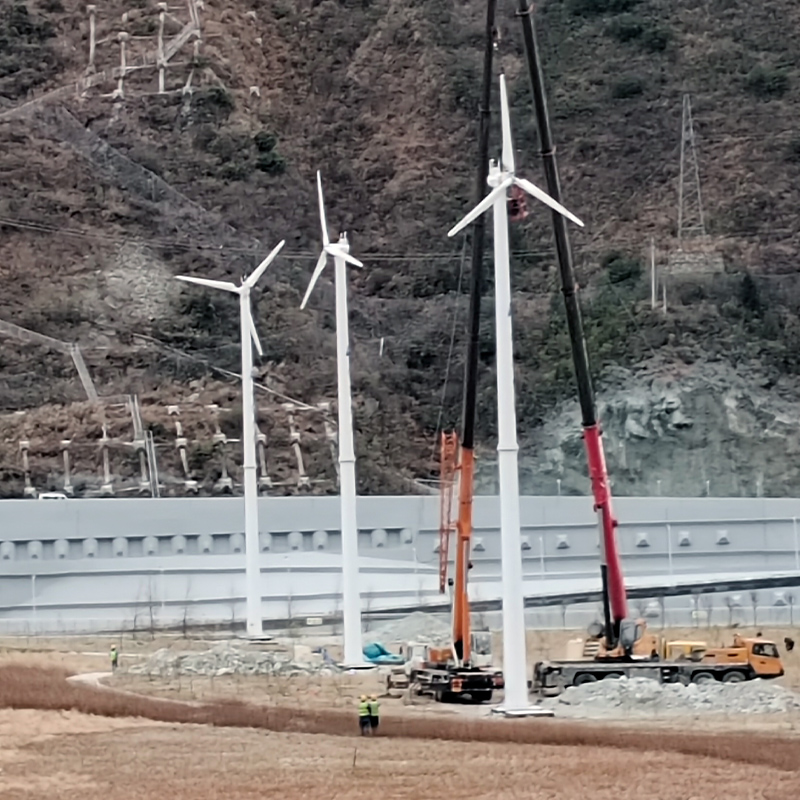
Installing wind turbine generators for home use involves several crucial steps:
Site Assessment: Evaluate the location for wind potential, considering factors such as average wind speed, turbulence, and proximity to obstacles like trees or buildings.
Permitting and Regulations: Check local zoning laws and regulations regarding wind turbine installations. Obtain necessary permits before proceeding.
Foundation Preparation: Prepare a sturdy foundation to support the turbine. The foundation should withstand high winds and provide stability.
Assembly and Installation: Follow the manufacturer's instructions to assemble the turbine components. Engage professionals if necessary to ensure proper installation.
Connection to Electrical System: Integrate the turbine with your home’s electrical system, ensuring compliance with safety standards and regulations.
Testing and Commissioning: After installation, conduct tests to ensure the system operates correctly. Monitor performance to confirm it meets expected output levels.
Maintenance Planning: Develop a maintenance schedule to monitor performance, check for wear, and ensure ongoing efficiency.
By following these steps, buyers can ensure a smooth installation process, maximizing the performance of their small wind turbine generator.
As leading brand in wind-powered hybrid power systems DHC is the only company with own wind turbine factory integrating R D development, design, production technical services. Since 2009 our founders have embraced idea of protecting the environment, immersed in new technology, and embraced company's Vertical wind turbine that focuses on "diligence and honesty, as well as cooperation and innovation." Our DHC brand DHC is a result of this.
primary products wind turbines, solar panels and lifepo4 batteries. customers will receive a one-stop-shop service the integration and wind turbine generator a wind-solar hybrid as well as smart photovoltaic system. DHC provides reliable products, technologies, and after-sales service to customers with excellent delivery capability.
We're dedicated meeting commercial domestic electric power needs using wind/solar system. With professional supply chain management integration capabilities, can provide our customers with completely 2kw vertical wind turbine solutions. will only need know your exact needs from design, production, to after-sales support, will provide you with real-time professional assistance throughout day.
We dedicated to upholding integrity as cornerstone of our business, offering customers genuine power products expert services. In the case of wind turbines can pay attention is important to committed to keeping integrity as the cornerstone of business, offering customers the best power products as well as 5000w wind turbine services. Consider parameters such as blade diameter and wind turbine's weight when you evaluate wind turbines. We promise that all products manufactured by DHC have real power output without exaggerated power.
Despite their advantages, home wind turbine generators may encounter several common problems:
Low Power Output: If the turbine is not generating expected levels of electricity, assess the wind conditions and ensure the turbine is appropriately sized for the location.
Noise Issues: Excessive noise can occur due to poor installation or mechanical issues. Regular maintenance and proper alignment can help mitigate noise-related concerns.
Mechanical Failures: Components like blades or gearboxes may wear out over time. Implementing a routine inspection schedule can identify potential issues before they lead to significant failures.
Regulatory Hurdles: Buyers may face challenges with local regulations or permits. Engaging with local authorities early in the planning process can help navigate these hurdles.
Installation Complications: If installation proves challenging, consult with professional installers who have experience with wind turbines. They can provide valuable insights and ensure compliance with safety standards.
By being aware of these potential issues and their solutions, buyers can make informed decisions and maintain their wind turbine systems effectively.
By understanding the critical aspects of sourcing, specifications, costs, installation, and common problems associated with wind turbine generator for home use, professionals in the renewable energy sector can make informed decisions that align with their energy needs and sustainability goals.
Welcome to DHC, the top brand of wind solar hybrid power system! We provide innovative and effective new energy solutions including wind turbine, solar panel, lifepo4 battery, etc.






 EN