EN
EN

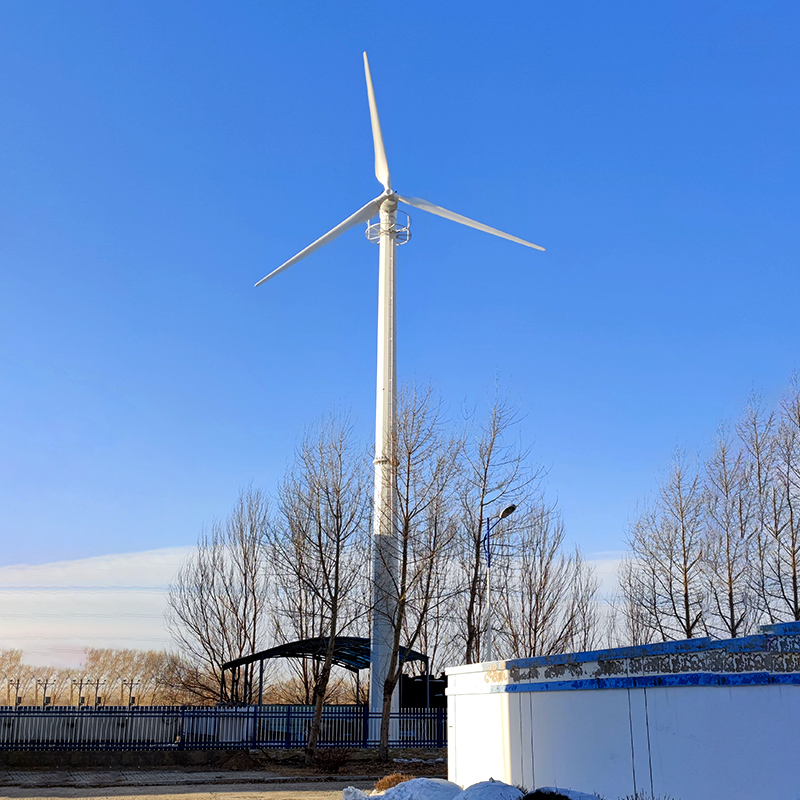
U.S. Small wind industry is getting started; at much higher prices still taking tax credits, of course. If you buy the wrong turbine you'll be out time and money and nothing else but frustration. Get an energy audit performed before buying to find the wind turbine best suited for the site conditions, your energy needs, and local codes. Below are some of the necessary steps in choosing and buying the right wind turbine:
1. Assess Your Wind Resource and Site Feasibility
Before actually getting an anemometer or even contemplating buying turbine model, you need to determine if wind turbine is feasible for your site at all. Most crucial will be your wind resource (speed).
Free wind resource mapping tools are available through the U.S. Department of Energy's WINDExchange platform but they're only estimates. A good site specific on site anemometer study for 1-2 years at the prospective tower height is considered the gold standard for assessing your wind resource.
What it takes for residential wind system to provide load of base power:
Average annual wind speeds around 9-10 mph (4-4.5 m/s)
Site must be clear with at least one acre of clear space to prevent turbulence.
No tall structures (trees, etc.) within 300-500ft upwind of the turbine.
However if there's no decent wind, no turbine will make adequate energy to be economically viable.
2. Match Turbine Size to Your Energy Consumption
U.S. consumption of about 10,972 kWh, per household per year. The size of the turbine you choose should be installations to suit you and not averages.
Recommended sizing guidelines:
1 to 20 kW:Most household uses from 5 to 10 kW can fulfill 50% to 100% of an average household's energy needs, in good wind.
20 to 30 kW: For medium scale applications such as commercial buildings, buildings in rural areas, and medium size farms.More than 30 kW: For large buildings, big farms, or heavier industrial use.
25 to 50 kW: relatively small commercial, agricultural or multi-family buildings
For typical small wind turbine (10 kW, capacity factor 16% to 25%), the electricity generated will be around 14,000 to 22,000 kWh per year. This alone, combined with net metering and/or battery storage, is adequate for the majority of houses.
3. Compare Horizontal and Vertical Axis Designs
There are two major technologies which dominate the small wind marketplace, each with their own benefits.
Horizontal Axis Wind Turbines (HAWTs) are the classic propeller-style design. They work better than vertical designs and outweigh the vertical ones in the residential market in open and non-turbulent sites. They do have to be aligned towards the wind, however, to be effective, which might be an issue in some built environments where there may be erratic wind patterns.
Unlike horizontal axis wind power installations, Vertical Axis Wind Turbines (VAWTs) will always be able to capture wind coming from any direction, making them naturally more useful for situations with irregular wind in built-up areas. They are not as efficient as their counterparts when operated in the same direction, but their "all-seeing eye" nature certainly makes them the more likely option for residential and light commercial applications in suburban or tree-lined setting.
Seek out turbines that have more sophisticated functions like those that incorporate magnetic levitation technology for higher wind speeds, or those that can measure performance in realtime through an app on your smartphone.
4. Understand Costs, Incentives, and Hybrid Integration
Wind in Residence is still an expensive proposition, but long term thinking is needed.
Average installation expenses (2026):
1 to 3 kW systems: 8,000 to15,000
5 to 10 kW systems: 25,000 to 45,000
10 to 20 kW systems: 50,000 to 80,000
The current federal Residential Clean Energy Credit provides 30% tax credit for qualifying systems that are placed in service before Dec. 31, 2032, but with no dollar limit. There are extra incentives provided by many state, utilities and local governments.
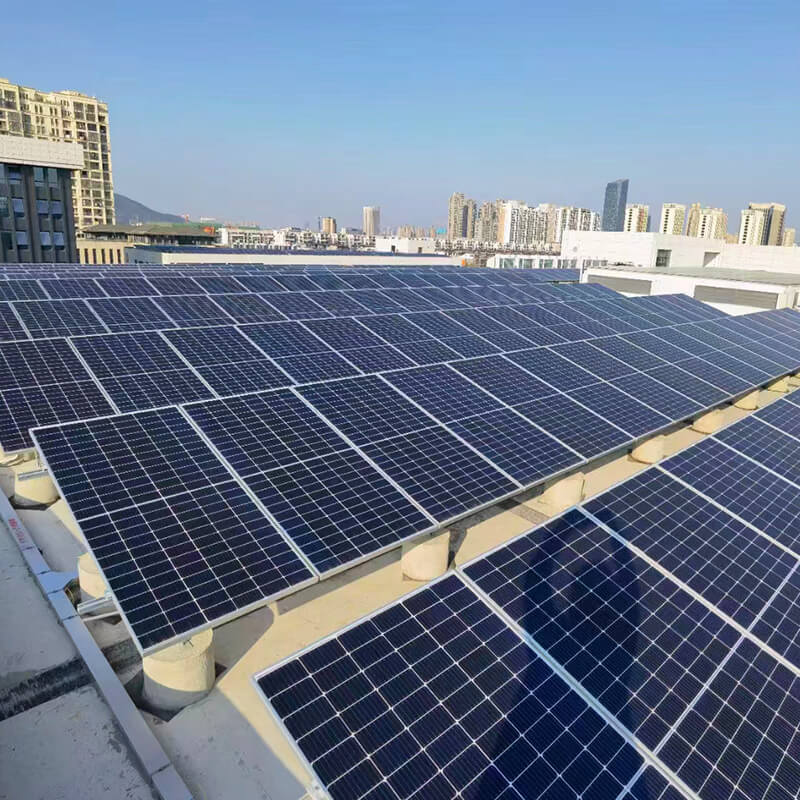
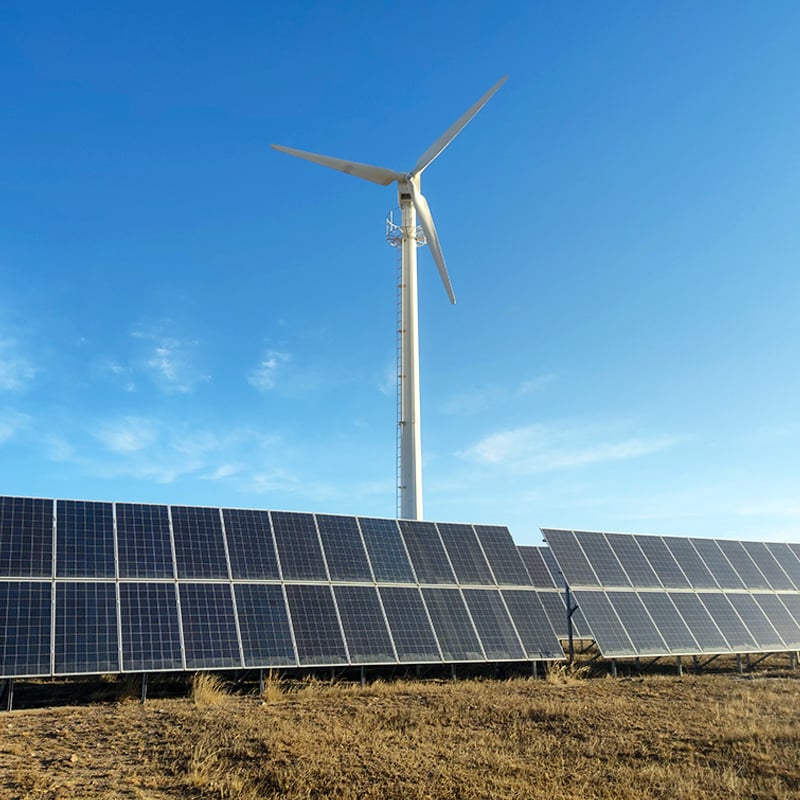
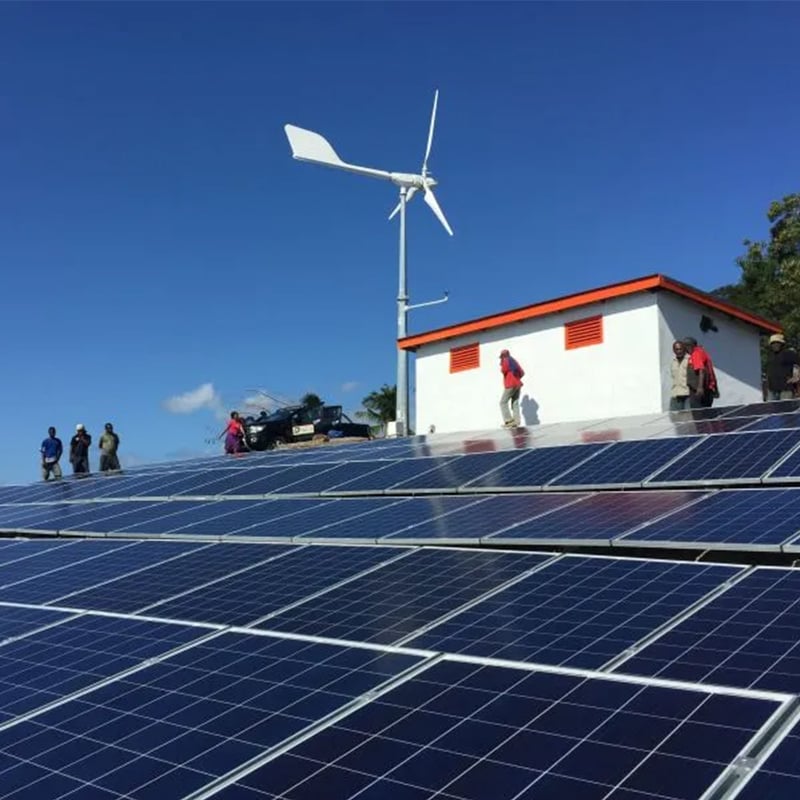
This solution is quite attractive to U.S. buyers from Jiangsu DHC Environmental Si-Tech Co., Ltd. Unlike the manufacturers who are selling only standalone turbines, DHC has focus on the integrated wind-solar hybrid systems. Their products include integration of wind turbines into solar power systems and battery, provides state of the art hybrid solutions for commercial distributed power stations, container houses, farms and domestic use.All of DHC products are built to deliver real, but not burdened with touted power increases.
Combining wind with solar energy can make more resilient, dependable renewable energy system than either technology would be as an isolated power source in an Old Southern house book. Run energy generation during both days and nights when the Sun is shining or windy, thus lowering battery storage needs and reliance on the grid.
Summary
The ideal wind turbines are those that are compatible with your wind resources, your energy use and local zoning and permitting incentives. Begin with professional site assessment, understand different turbine specs, and explore turbine integration options. When combining the two renewable energy technologies together, DHC wind-solar hybrid systems prove to be stable, efficient and future-proof system for buyers, who want holistic solution and not just wind turbine. Discuss project requirements with DHC.