EN

Does the Orientation of Photovoltaic Panels Affect Power Generation Efficiency?
When planning a photovoltaic panel system, the first question many people will ask is usually: "My roof is facing north. Can it be installed?" My answer is: Yes, but certain trade-offs need to be made. The orientation does indeed affect the power generation effect, but the extent of this influence is not as significant as most people imagine.
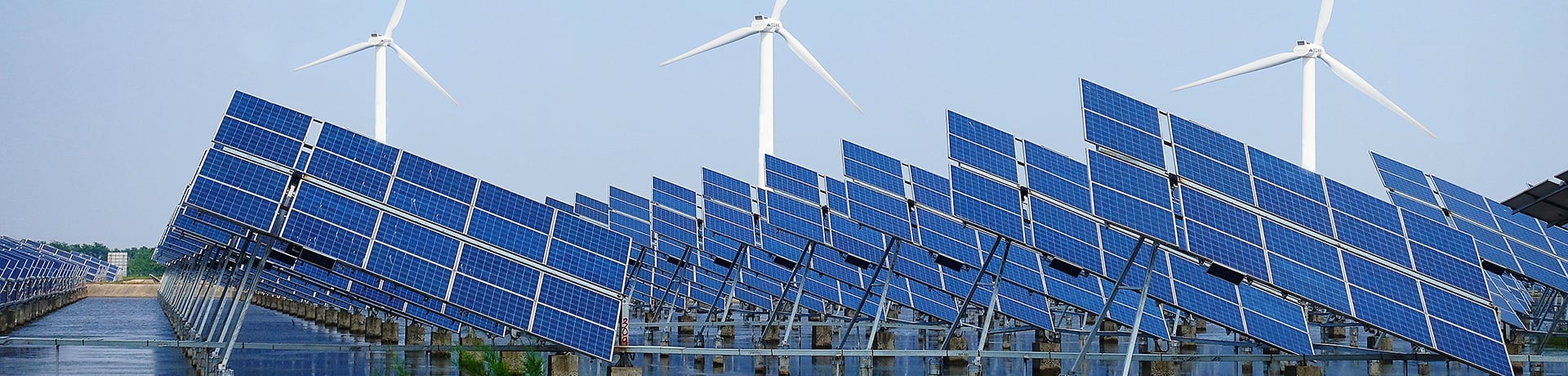
In the Northern Hemisphere, when the photovoltaic panels are laid facing south, sunlight can be received all day long, and the annual power generation is also the highest. If the installation direction of the photovoltaic panel deviates from the south direction, how much will the power generation be reduced? As a technical engineer who has worked in the photovoltaic industry for many years, I have handled many cases, and the installation conditions of customers are also different. If the deviation angle is within 30 degrees, the decrease in annual power generation is almost negligible; even if the deviation angle reaches 45 degrees, the loss of power generation will be within 10%. Power generation will only experience a significant decline when the panel is facing north, or when the installation angle is either too shallow or too steep.
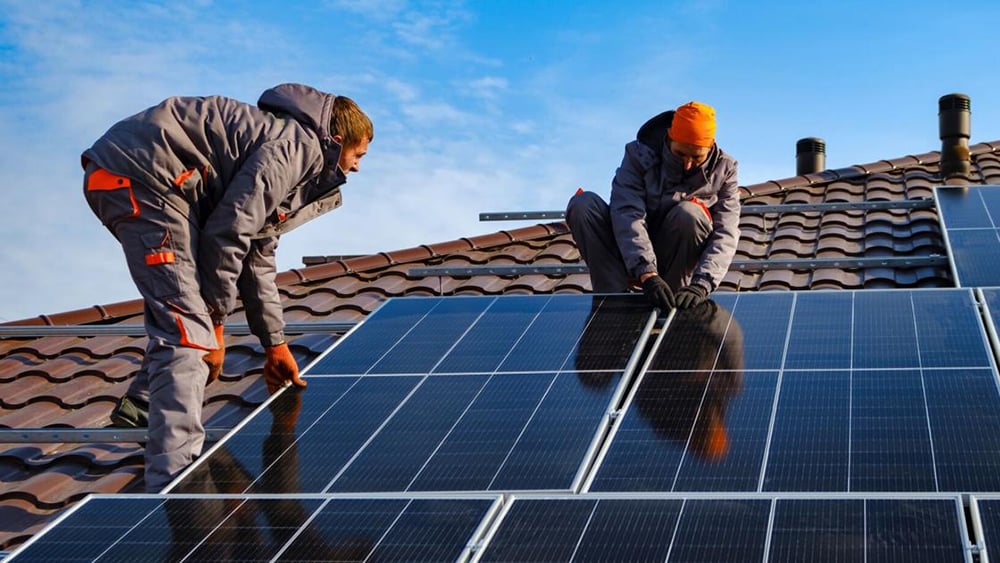
Photovoltaic panel systems oriented southward generate higher electricity output during midday hours. However, since customers experience peak electricity demand in the morning and evening, we recommend a east–west orientation for the photovoltaic panels. This layout design will result in a wider peak power generation during the morning and evening hours, although the total power generation is slightly lower. However, the power generation curve is relatively gentle, and the proportion of self-generated and self-used power is actually higher. Moreover, the smooth power generation curve can effectively reduce the pressure on the inverter capacity and power grid access. In addition, we also suggest equipping the photovoltaic panel system with energy storage batteries to store excess electricity during the day for night use, so as to achieve more efficient energy utilization.
No matter how optimal the orientation of photovoltaic panels may be, once it is shaded by chimneys, trees, or surrounding buildings, the resulting power generation loss far exceeds the difference caused by variations in orientation. Therefore, when developing solutions for our clients, we always clarify the installation location and the surrounding environment; we then take into comprehensive consideration the local average daily sunshine duration and environmental impacts to design the most optimal system solution for each client.
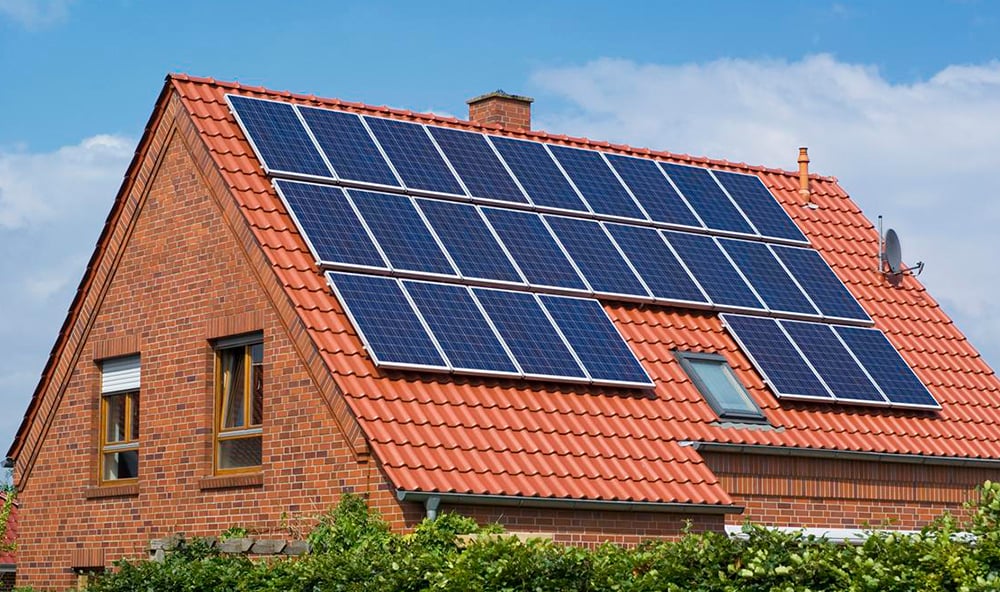
In addition, the surface condition and temperature of photovoltaic panels deserve close attention. Photovoltaic panels need long-term sunlight to generate electricity, but this will also cause their surface temperature to be very high, affecting the power generation efficiency. Therefore, sufficient ventilation space should be reserved during installation, or the installation height of the support structure should be increased, in order to achieve higher power generation efficiency.
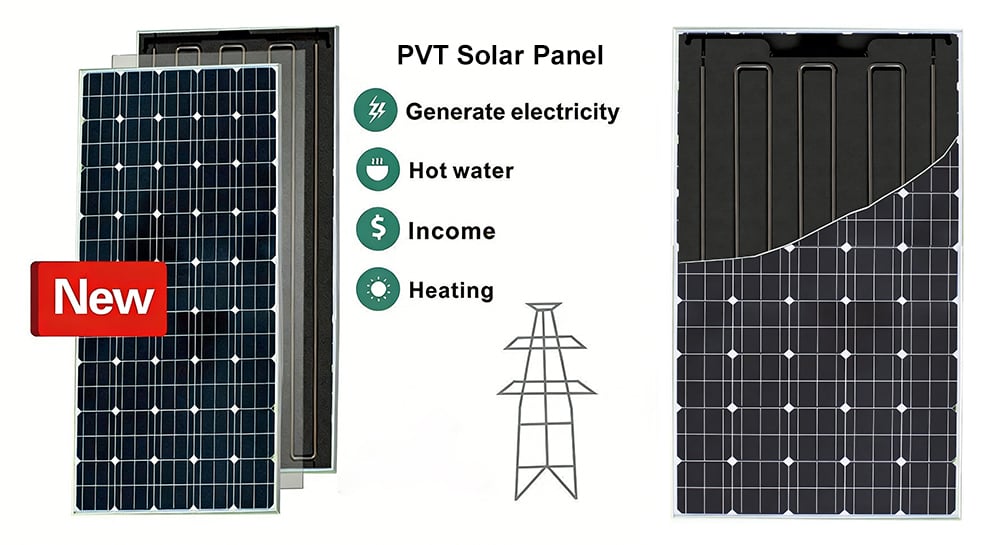
In order to address the overheating issue of photovoltaic panels, we have specially developed a new PVT photovoltaic panel for customers in regions like Northern Europe that have long winters. This is an integrated photovoltaic and thermal energy panel, with a layer of pipes embedded inside, connecting the water inlet and outlet. Through the circulation of water, it can lower the temperature of the photovoltaic panels, thereby reducing the impact of high-temperature heating on the efficiency of the components. At the same time, it can be combined with a heat pump to provide customers with both electricity and heat as well as domestic hot water. It is a more efficient and space-saving solution.
Most roofs do not need better photovoltaic panels. They need a better layout. If you are still not sure where to start with photovoltaic panels, send the address, the roof pitch and last year's bill. I will tell you what the site can really do. Including the case where this roof is not worth it.