
Wind generators for home use offer an innovative way to harness renewable energy, allowing homeowners to reduce their reliance on traditional electricity sources while also contributing to environmental sustainability. As purchasing managers or engineers seek solutions for efficient energy systems, understanding the specific features and applications of wind generators becomes crucial. This article will guide you through choosing the right wind generator, sourcing reliable products, installation guidance, cost factors, and common problems with home wind generators along with their solutions.
Selecting the appropriate wind generator for home use involves several key considerations. First, assess the average wind speed in your area, as this directly impacts the generator's efficiency. Wind generators are typically rated by their output at a certain wind speed; for effective home use, a generator should reliably produce power at wind speeds as low as 9-10 mph.
Next, consider the power requirements of your home. Calculate your average energy consumption to choose a generator that can meet or exceed your needs. For instance, a small residential turbine rated at 1-5 kW can power essential appliances, but larger systems may be necessary for more energy-intensive homes.
Additionally, evaluate the type and design of the efficient wind generator. Horizontal-axis turbines (HAWT) are the most common and typically more efficient, while vertical-axis wind turbines (VAWT) may be better suited for areas with variable wind directions. Finally, check the manufacturer's specifications for durability, noise levels, and warranty options to ensure the system aligns with your long-term energy goals.
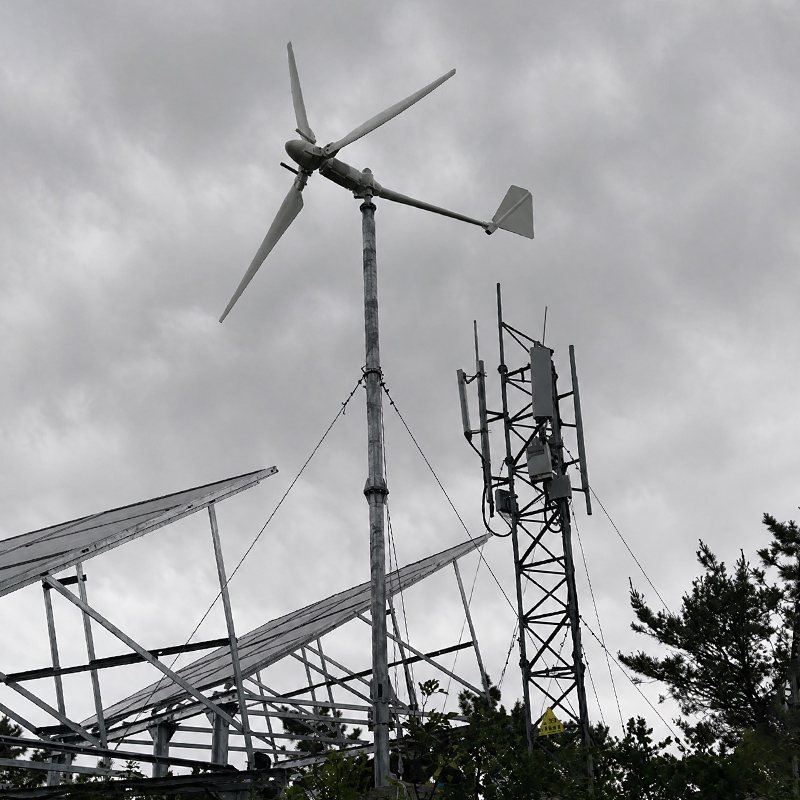
When sourcing wind generators for resale, establishing partnerships with reputable manufacturers is essential. Look for brands like Jiangsu DHC Environmental Si-Tech Co., Ltd., which specialize in renewable energy systems and have a proven track record. Ensure that the manufacturer offers comprehensive product documentation, including certifications and quality control processes that validate their products' performance.
Consider the following factors when sourcing:
Minimum Order Quantity (MOQ): Understand the MOQ for different models to align with your inventory and sales strategies.
Customization Options: Determine whether the manufacturer can provide tailored solutions to meet specific market demands.
Lead Times: Inquire about production timelines to effectively manage your supply chain and customer expectations.
Technical Support: Ensure that the manufacturer provides ongoing support for product inquiries and troubleshooting.
By carefully vetting potential suppliers, you can secure reliable products that enhance your resale offerings in the growing renewable energy market.
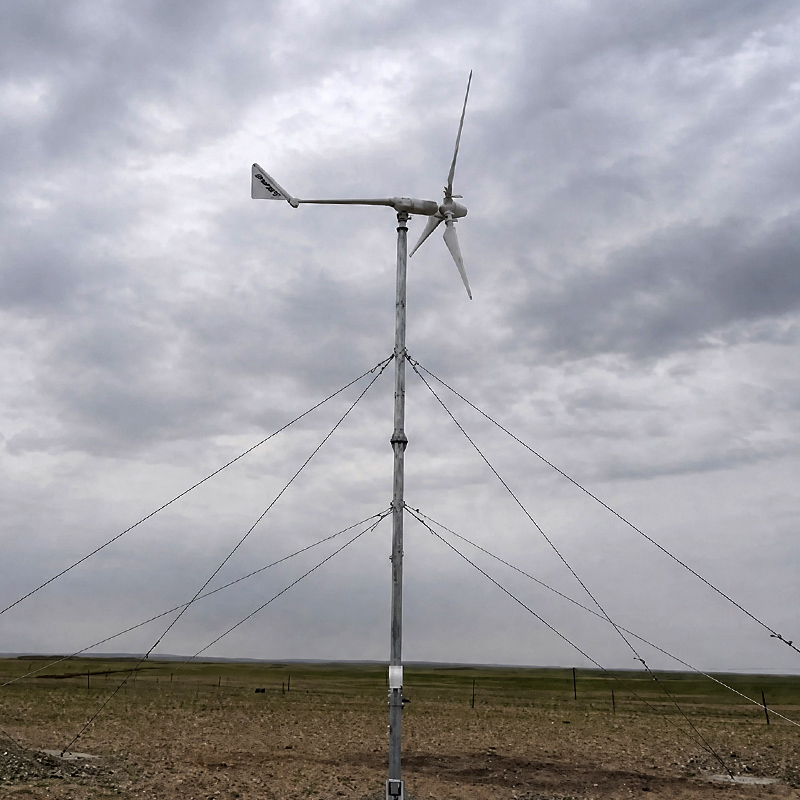
Proper installation of a residential small wind generators is vital to ensure optimal performance and longevity. Begin by selecting a suitable location, ideally with unobstructed wind flow, away from tall buildings or trees that could create turbulence. The site should also comply with local regulations and zoning laws regarding turbine height and placement.
Next, consider the installation process:
Foundation: A sturdy foundation is essential to support the turbine. It should be designed based on local soil conditions and turbine specifications.
Electrical Connections: Ensure proper wiring and connections to your home's electrical system. It's advisable to employ a licensed electrician for this task to comply with safety codes.
Regular Maintenance: After installation, establish a maintenance schedule to check for wear and tear, especially on moving parts and electrical connections. Regular inspections will help identify potential issues before they become major problems.
Document all installation procedures and provide users with a clear maintenance guide to maximize the generator's lifespan and efficiency.
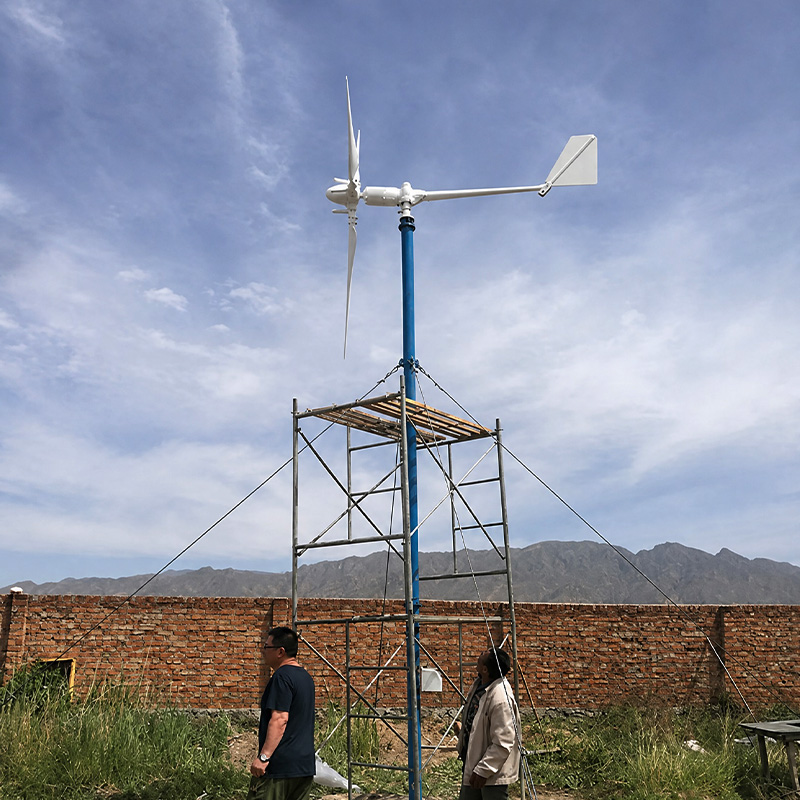
Understanding the costs associated with purchasing wind generators is critical for making informed decisions. The initial investment includes not only the cost of the turbine itself but also installation expenses, permitting fees, and any necessary upgrades to your electrical infrastructure.
Here are key cost factors to consider:
Turbine Cost: Prices can vary widely depending on the turbine's power output, features, and manufacturer. Smaller turbines may start at around $5,000, while larger, more efficient models can exceed $20,000.
Installation Costs: Professional installation may add another 20-30% to the total cost. DIY installation can save money but may require technical expertise.
Maintenance Expenses: Factor in ongoing maintenance costs, which typically include periodic inspections and potential repairs. The average annual maintenance cost can range from $100 to $500.
Incentives: Explore local or federal incentives, rebates, or tax credits available for renewable energy installations, which can significantly reduce the overall expenditure.
By carefully evaluating these factors, you can better understand the financial implications of investing in wind generators for home use.
primary products wind turbines, solar panels and lifepo4 batteries. customers will receive a one-stop-shop service the integration and Eolic generator a wind-solar hybrid as well as smart photovoltaic system. DHC provides reliable products, technologies, and after-sales service to customers with excellent delivery capability.
As most sought-after brand wind solar hybrid power systems, DHC has own wind turbine factory, which combines R D design, production, technical services. Since 2009 our founders have been living the idea protecting the environment, wind turbine and generator in new energy, adhered to our corporate culture of "diligence and honesty, co-operation and the pursuit of creativity." This is also the basis of our name "DHC".
Integrity the cornerstone of company. offer real power solutions offer an expert service. {When it comes to wind turbines, {you can pay attention it is important to Integrity is the foundation our company. We offer real power equipment, as well as skilled service. You can consider parameters like blade diameter as well as wind you should pay attention aspects like blade's diameter as well as weight. promise that all products produced by DHC come with 2kw vertical axis wind turbine power output and not overinflated power.
are dedicated to meeting commercial domestic electricity needs with wind solar power system. able to provide customers with fully customized solutions with our professional capability managing supply chains capabilities 15kw wind turbine for home. We'll provide professional service throughout day beginning with design, production and after-sales.
While home wind generators provide numerous benefits, they are not without potential issues. Understanding common problems can help you proactively address them.
Low Wind Speeds: If the generator is not producing enough power, it may be due to lower than expected wind speeds. Solutions include relocating the turbine to a higher or less obstructed position or considering a generator with a lower cut-in speed.
Noise and Vibration: Some wind turbines can produce noise or vibrations that may disturb nearby residents. Choosing a model designed for quiet operation, along with proper installation, can mitigate these issues.
Electrical Issues: Problems with electrical connections can lead to inefficient power delivery. Regularly inspect wiring and connections for wear or damage, and consult an electrician if issues persist.
Mechanical Failures: Components like bearings and blades may wear out over time. Regular maintenance and timely replacement of worn parts can help prevent more significant failures.
By being aware of these challenges, you can take proactive measures to enhance the reliability and effectiveness of house wind generator.
Wind generators for home use present a practical solution for energy independence and sustainability. By understanding the selection process, sourcing reliable products, ensuring proper installation, considering cost factors, and addressing potential problems, you can make informed decisions that benefit both your business and the environment.
Welcome to DHC, the top brand of wind solar hybrid power system! We provide innovative and effective new energy solutions including wind turbine, solar panel, lifepo4 battery, etc.






 EN


