EN

Among decentralized power generation technologies, small scale hydroelectric generation has actually played principal role in powering remote and rural communities where connection to main electricity grid is neither technically nor economically feasible. Unlike big, modern hydro-projects, most small scale plants use generation of low-level impact on environment.A low impact small scale hydro plant needs 4 basic conditions to fulfill with success on given site, turbine and characteristics of generator power as result of analysis of site characteristic and generation system design.
The Relationship Between Site Conditions and Turbine Selection
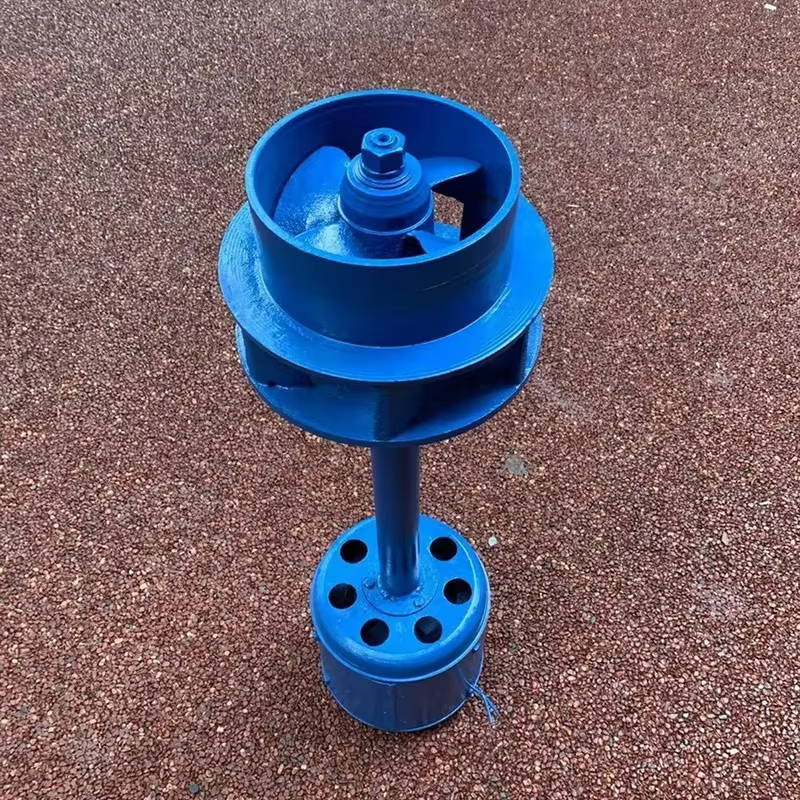
Choosing right turbine Selecting system that operates efficiently requires pairing turbine type to site characteristics. Two governing variables for site-turbine matching are actually head and flow rate. High-head, low-flow site conditions are ideal for impulse turbine such as Pelton turbine, which utilizes kinetic energy from high velocity water jet. Conversely, best conditions for reaction turbine types such as Francis and propeller turbine, which work fully submerged, will be low-head, high-flow site.
The overall power output of the generator is used to classify its scale. A micro hydro system generates electricity in between 5kW and 100kW whereas projects below 5kW fall into category of pico-hydro.Knowing type of micro hydro set-up helps when selecting components and site accessibility and location will play role in overall costs of implementation since construction depends on accessibility and site layout.
The Turbine: The Core of the Generator
Turbine is basically essence of hydroelectric turbine, since turning (mechanical rotation) of water into explosion (potential as well as kinetic energy). Most advanced, quality turbine offers this performance on intermittent stream.
Preferred choice for high head installations is Pelton turbine, stream of water at very high speed, exiting from nozzle, impacting upon curved (spoon-shaped) buckets of wheel (runner).
Research has identified that nozzled diameter and nozzled numbers have a significant influence in turbine and generated power, for best values, it may increase performance much more significantly. Another research on 10 kW Pelton micro hydro turbine, concluded that after 400 rpm, efficiency for generator becomes constant, however turbine generator system efficiency increase by as much as 25% on this speed.
Various alternative turbines suit various situations, such as for low head site alternative technologies as Archimedes screw turbine (AST) can tolerate debris laden flow for less upkeep (suitable for small projects). It can operate with up to 70% efficiency however flow and angle it is installed at influence performance, while GWVPP (Gravitational Water Vortex Power Plant) is cheaper and simpler for low heads but it typically operates with much less efficiency – typically range of efficiency between 10% and 25% in any device design.
The Alternator and Power Conditioning
Once mechanical energy produced by turbine has be translated into alternating current, then converted into direct current, that it is necessary to transform this energy into electrical power from alternator or generator.In this very important stage that it is very essential to have high quality generator adapted to turbine to be in front to variations speed of this last or electric power (the load of the turbine).
Choice of suitable generator for turbine is of essence. Report on portable micro hydro electric power generating system had indicated tremendous discrepancy between amount of available turbine horsepower and measured power out of generator. Hence for this particular small generator writer did choose appropriate generator based on available horse power and turbine speed to produce efficiently enough electricity. Modern systems are generally equipped with regulators, inverters. These transform generated electrical energy into safe and stable voltage and frequency that we are using in out homes, on our appliances or for connection to grid.
System Integration and Component Matching
What makes a high performing generator is interaction of all these components. Penstock delivering water must be appropriately sized so water friction is not too high. And governor needs to react fast enough to ensure constant speed when varying electrical loads are imposed.. In fact, what you care most about here is whole picture, from penstock, through turbine, to electric plant output.
New work suggests dynamic performance analysis is important, showing actual voltage drops as high as 8% when the load increased between 3 and 9 kilowatts. That illustrates how the generators react and how important it is to precisely tune and control generators that are powering remote communities or microgrids.
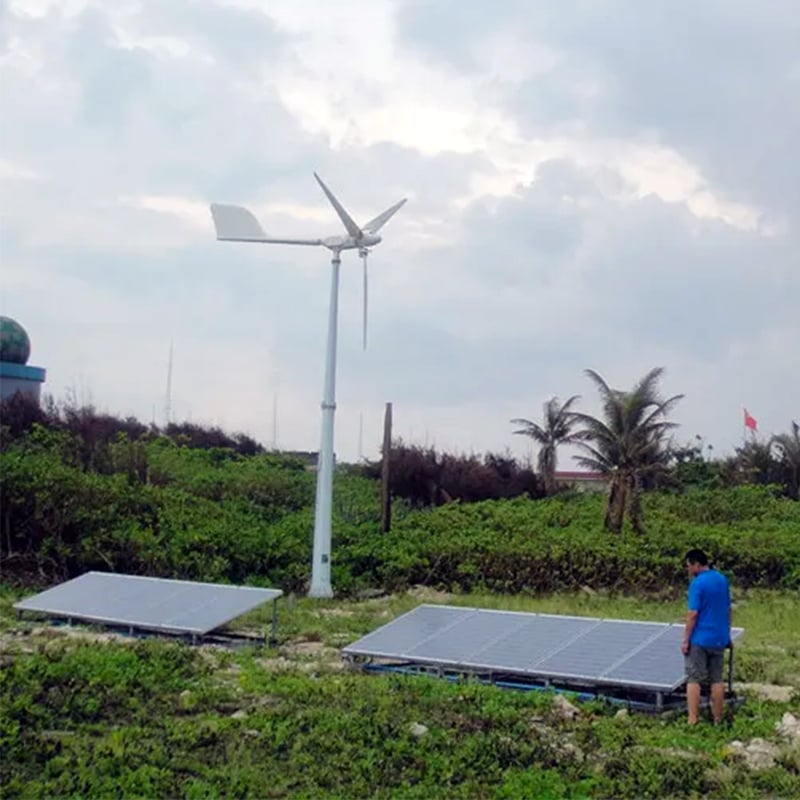
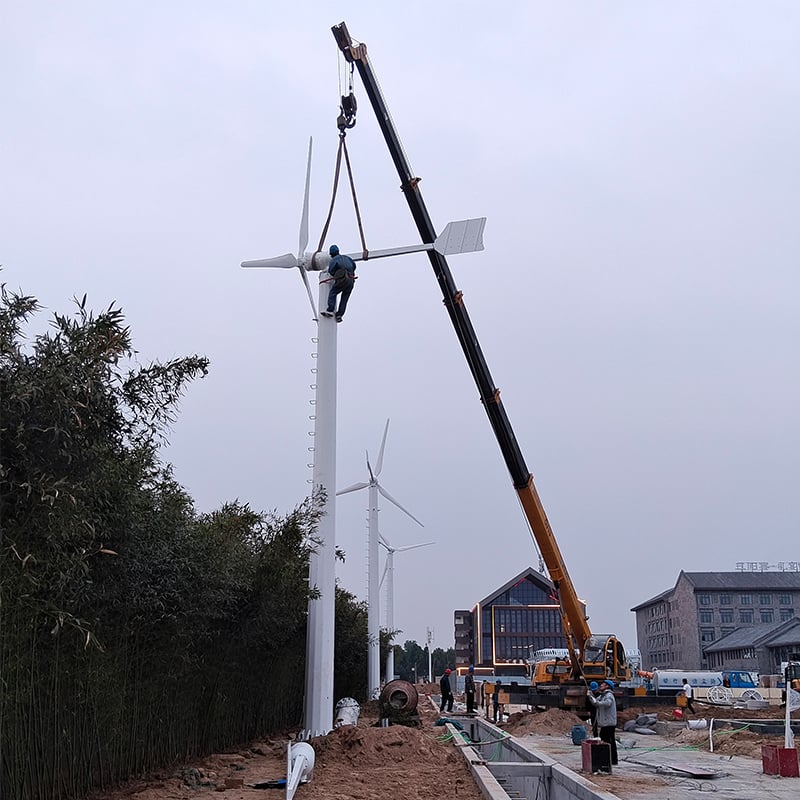
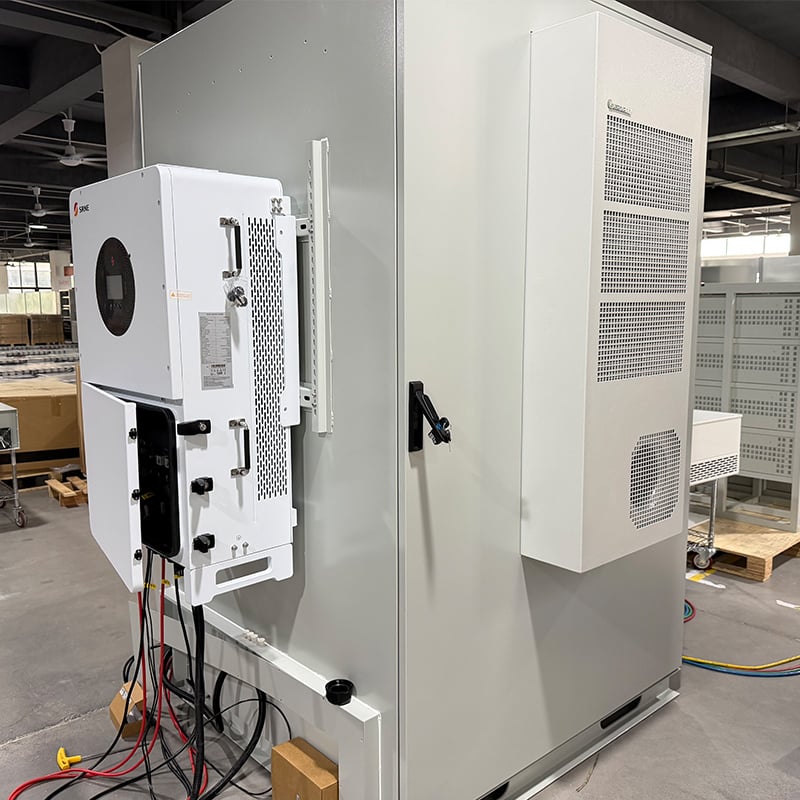
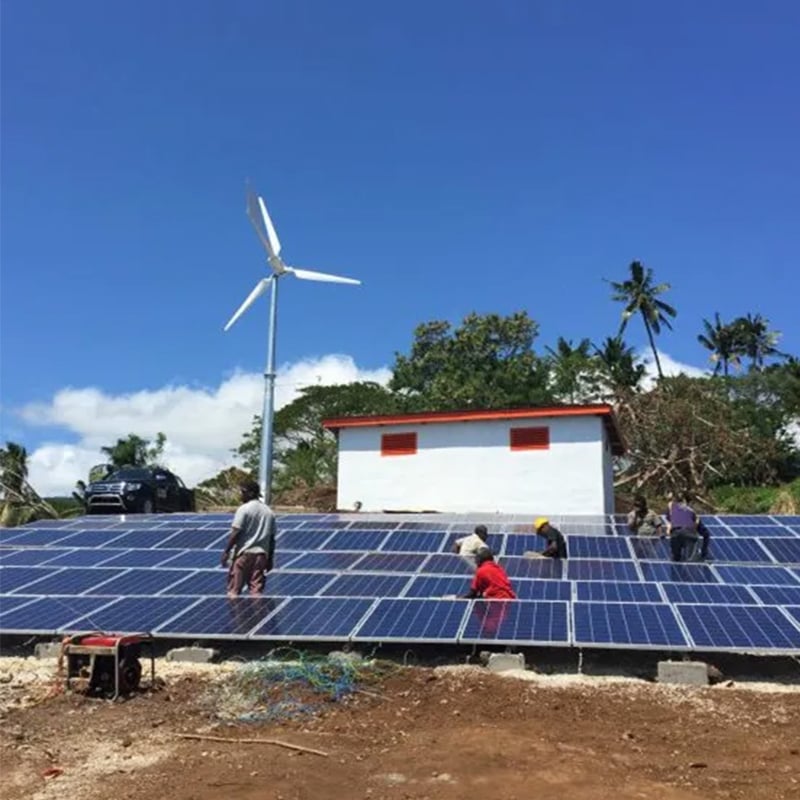
Jiangsu DHC Environmental Si-Tech Co., Ltd. Seamlessly incorporates small-scale hydro to the front-end of hybrid renewable energy solutions, integrating the efficiency of water with solar, wind, and LiFePO₄ battery storage solutions. Combined with 15 years of field experience and partnerships with top technology leaders, DHC provides proven, real-world solutions that simply work. Contact DHC to discover how small-scale hydro can work for you in your renewable energy application.