EN
EN

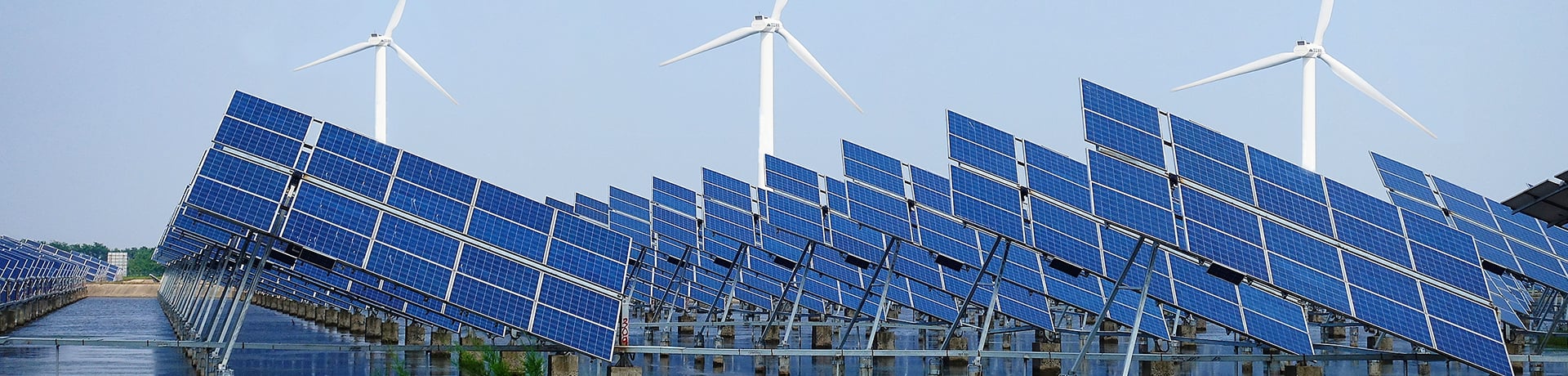
The Free Energy Generators Illusion: Why The "Electric-to-Electric" Cannot Generate Additional Energy
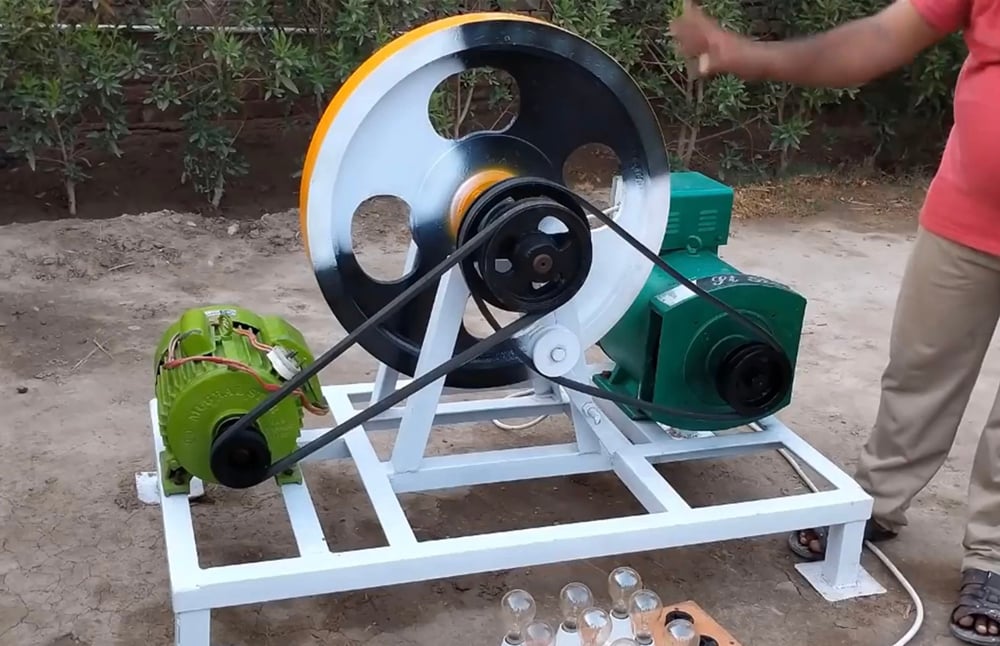
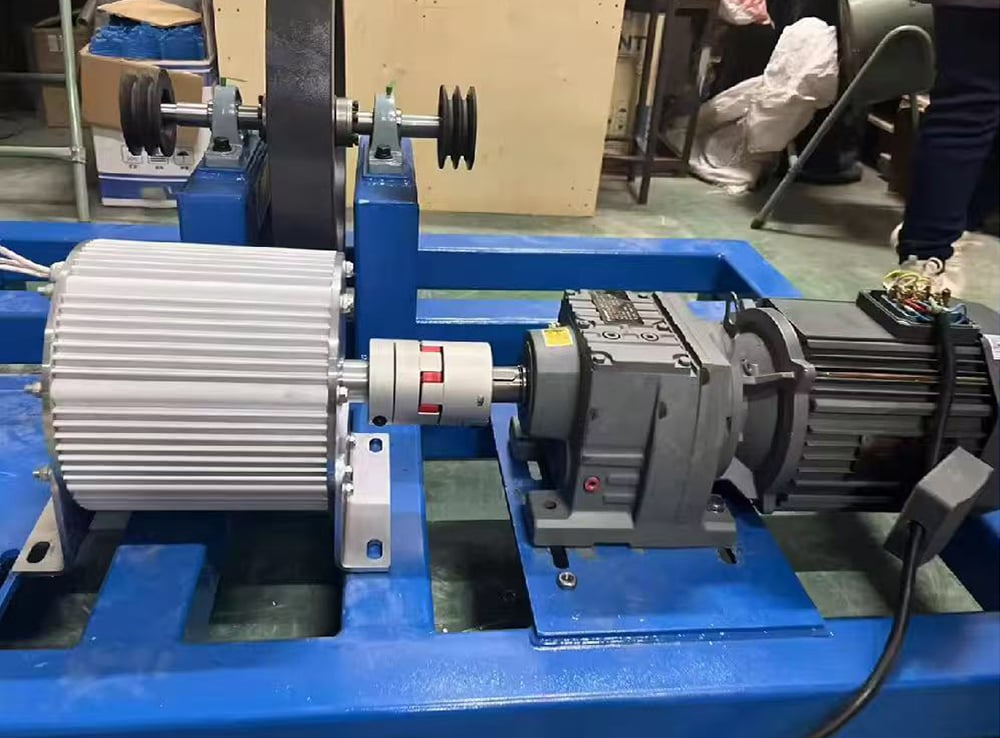
In recent years, the concept of free energy generators has been very popular. It is also known as "free energy", "perpetual motion machine" or "super-efficient generator". Many sellers promote it as being able to "generate electricity using electricity", that is, using an electric motor to drive a permanent magnet generator, and usually equipped with a gear mechanism in the middle.
However, does a free energy generators really exist? According to the basic laws of physics, the so-called perpetual motion machine simply cannot achieve a net energy gain. This article systematically explains the underlying principles for everyone, helping you understand why such products are scientifically impossible.
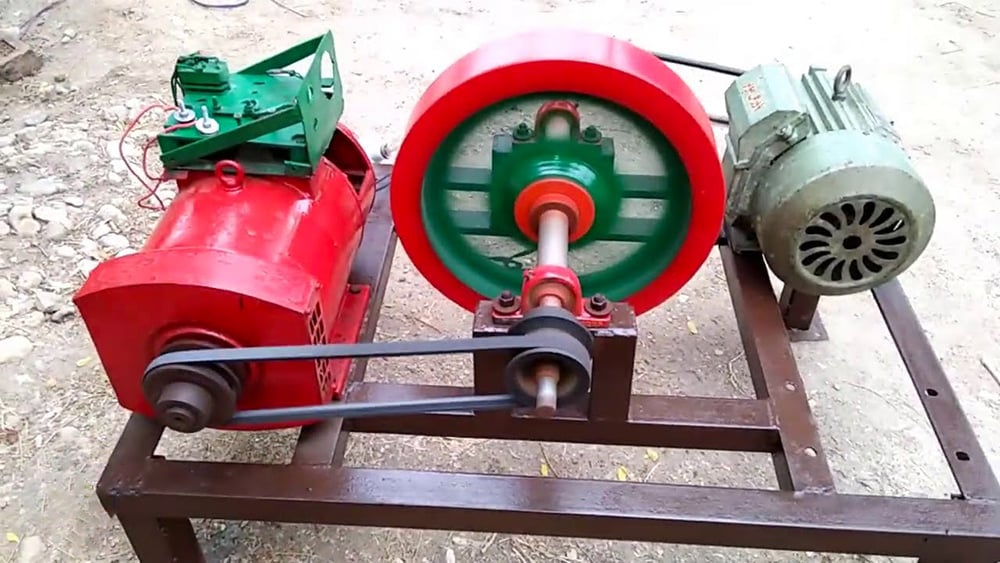
The Law of Conservation of Energy
It is one of the most fundamental and universal principles in physics: in an isolated system, energy cannot be created or destroyed; it can only be transformed from one form to another.
That is to say:
Any energy conversion process will result in energy loss. The total energy output of the system cannot exceed the total energy input. In an ideal situation, the output energy can be equal to the input energy (i.e., the conversion efficiency is 100%). However, in reality, due to energy loss, the conversion efficiency is usually less than 100%, so the output energy is always less than the input energy.
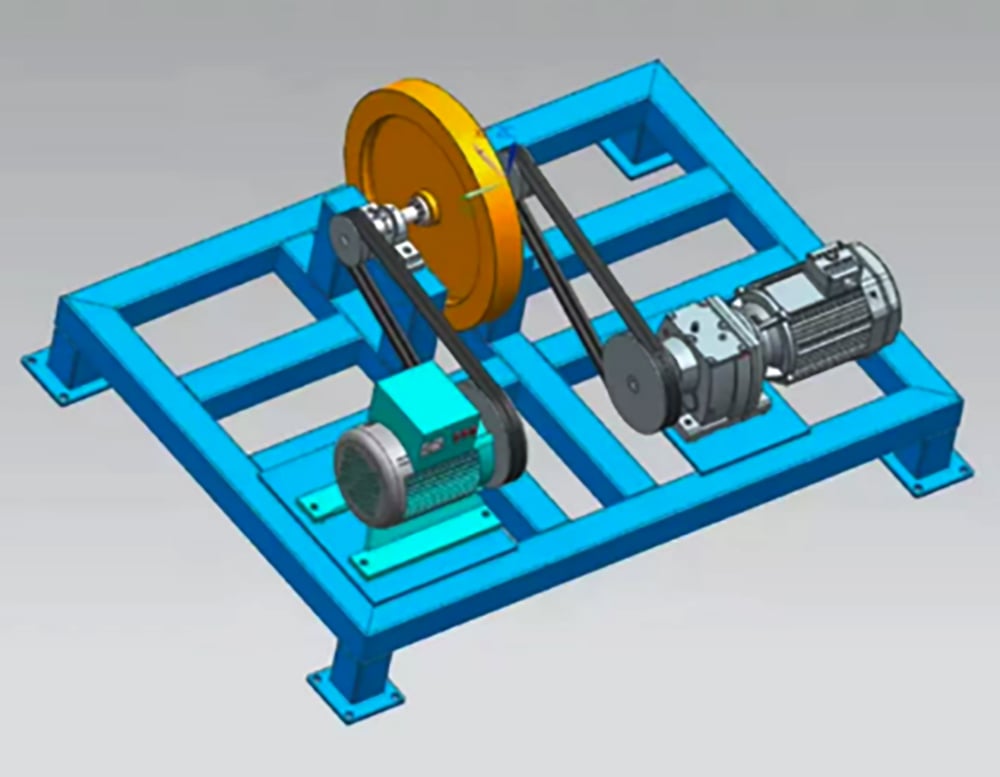
Energy Losses In The Components of A Free Energy Generator
1. Electric Motor
The efficiency of converting electrical energy into mechanical energy is usually between 70% and 95%. The losses generated generally include: resistance heating, core loss, mechanical friction, wind resistance, etc. Therefore, even the most efficient motor cannot achieve a 100% conversion efficiency.
2. Gear Transmission
In gear transmission, mechanical friction is inevitable. Therefore, the efficiency of a single-stage gear transmission is generally between 90% and 98%. The efficiency of multi-stage gear transmission systems is even lower, and the losses accumulate.
3. Permanent Magnet Generator
The efficiency of converting mechanical energy into electrical energy in permanent magnet generators typically ranges from 80% to 95%. Its losses generally include: hysteresis loss, eddy current loss, resistance loss, mechanical friction loss, etc.
4. Circuit and Control System
All power electronic devices have their own power consumption. Cables also have resistance losses.
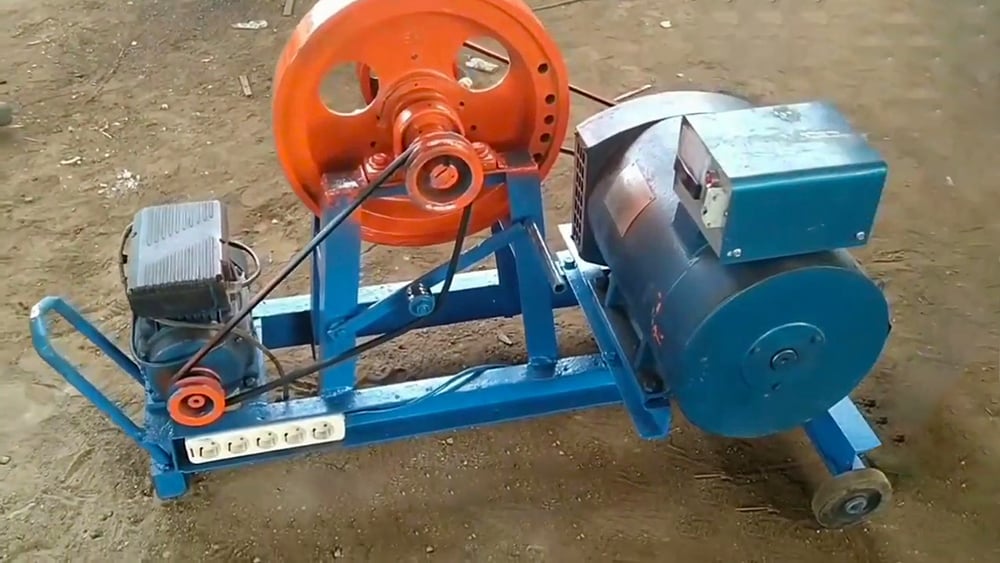
Gearbox transmission: "Speed - Torque - Power" triangular relationship
This is a key physical principle that proves the impossibility of the "free energy generator":
1. Power conservation principle
- Ignoring the brief transient processes, in a steady-state transmission, the mechanical power at the input end of the gearbox ≈ the mechanical power at the output end (after deducting friction losses).
- Mechanical power (P) = Torque (T) × Speed (ω)
- Gears can change the ratio of torque to speed, but they cannot increase the total power.
2. The Cost of Gearbox Speed Increase
When the gearbox increases the speed by a factor of N (speed-increasing transmission), the torque at the output end will decrease to approximately 1/N of the input torque. Conversely, for an electric motor, in order to drive this accelerating gearbox, the motor must provide N times the torque to overcome the counter-torque generated by the accelerating generator.
- The torque of the electric motor is proportional to the current: T_motor = K×I (where K is the motor constant).
- That is to say, the increase in the rotational speed of the gears forces the current of the electric motor to increase significantly, resulting in a quadratic increase in the copper loss (I²R) of the motor, thereby significantly reducing efficiency.
3. Energy Flow Simulation Analysis
Assume an ideal system that temporarily disregards all losses:
The generator needs 1000 revolutions per minute and 10 newton-meters of torque to generate electricity. Then the power requirement is calculated as: P = T × ω = 10 newton-meters × (1000 × 2π/60) ≈ 1047 watts
If a 1:10 reduction gearbox is used (the generator rotates 10 times while the motor rotates 1 time)
Then the required motor speed: 100 revolutions per minute (RPM), the required motor torque: 100 newton-meters (N·m) (10 times the generator torque!)
Then, a common small motor with a torque lower than 100 newton-meters will be severely overloaded, and the efficiency may drop from 90% to below 50%.
Overall Efficiency Calculation Of Free Energy Generators
Assuming the use of the most efficient components available on the market, the conversion efficiencies are as follows:
- High-efficiency electric motor: 95%
- High-efficiency gear transmission: 98%
- High-efficiency generator: 95%
Total efficiency = 0.95 × 0.98 × 0.95 ≈ 88.5%
This means that for every 100 units of electrical energy input, at most only 88.5 units of electrical energy can be output, with a net loss of 11.5 units. In actual products, the efficiency of each component is usually lower, and the total efficiency may be as low as 60%-70%. This implies that for every 100 units of energy input, only 60-70 units of output can be generated, resulting in the so-called "free energy generator system" constantly consuming energy rather than generating it.
Common Misleading Statements
1. Permanent magnets can provide "free energy"
In fact, the magnetic field of permanent magnets does not do work during the power generation process. It is merely a medium for energy conversion. Magnetic energy does not regenerate on its own. Generators encounter magnetic resistance during rotation and require continuous energy input to overcome this resistance.
2. Gears can increase energy
Gears can indeed alter torque and rotational speed, but they cannot increase the total energy. As mentioned in the third section, an increase in the rotational speed of the gears comes at the expense of a doubling of the torque requirement, which actually reduces the system efficiency.
3. Once the free energy power generation system is activated, it can operate independently.
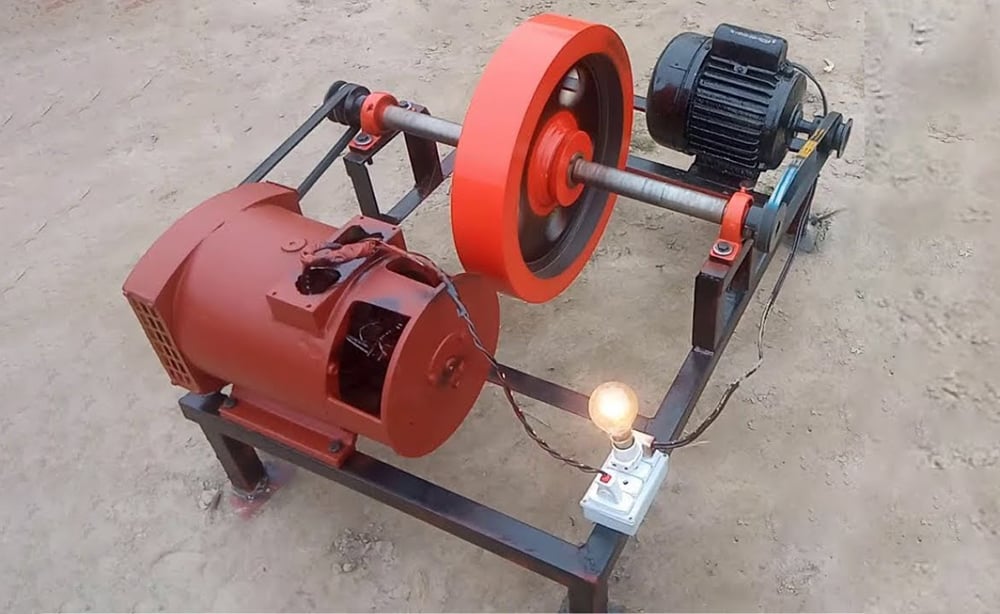
In fact, any loss will cause the system to gradually slow down and eventually stop. In these demonstrations by these companies, other external energy inputs might be incorporated, but they are not shown in the footage and are concealed from the customers.
4. Manipulating input and output measurement values
During the measurement process, these merchants may also use measurement instruments of varying accuracy or incomplete measurement systems (for instance, ignoring the power consumption of the control system) to mislead customers.
Conclusion
The perpetual motion machine ignores energy flow and loss, and thus violates the law of conservation of energy. Such products generally lack test reports, and the merchants are also unclear about the technical details of the products.
Some merchants will even claim that they have product patents to assure customers of the product's efficiency. However, in fact, a patent can only guarantee the novelty of the product, not its scientific validity.
Therefore, do not believe in the gimmicks of the perpetual motion machine. When encountering such products, you can ask the seller to provide a complete energy detection report of the product's long-term operation in a closed system. If they cannot provide it or are evasive, it is sufficient to indicate the problem.
How to Improve Energy Conversion Efficiency?
Although free energy generators are impossible to be realized, there are still some feasible methods to enhance energy conversion efficiency. Firstly, using the components with the highest conversion efficiency is advisable. Additionally, unnecessary conversion steps can be reduced to minimize energy loss during the conversion process.