EN

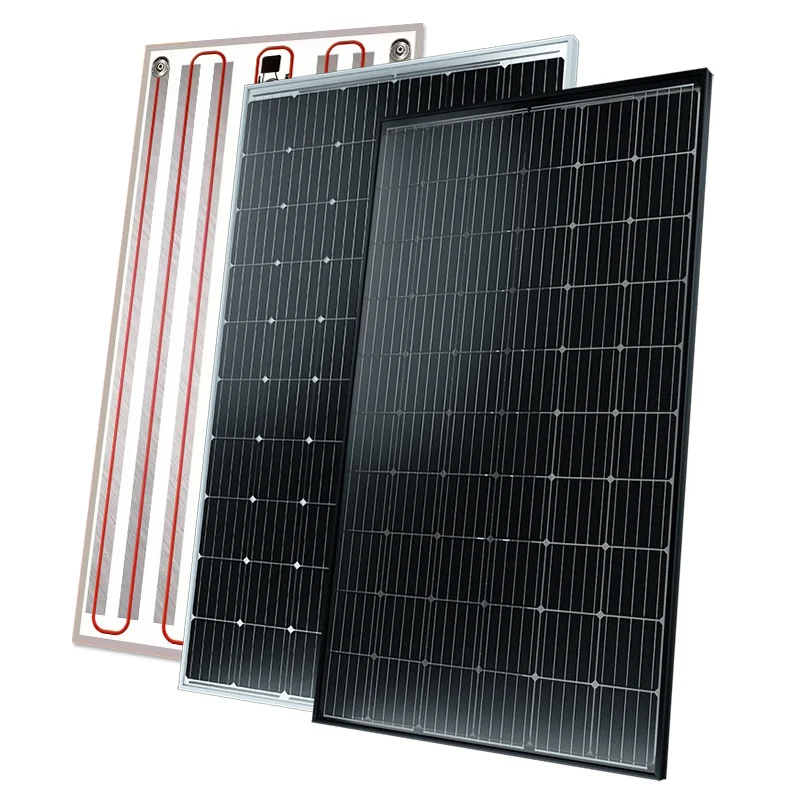
As the next generation of solar technology, photovoltaic-thermal (PVT) panels are emerging as a key complement in hybrid energy systems that combine solar, wind, and storage, many developers see PVT solar panels, as what they can accomplish for this combined use, beyond. The PVT panels efficiently combine solar power electricity generation and heat recovery under the very same panel installation area.
What Makes PVT Different from Conventional Solar
A PVT panel, or hybrid solar thermal electricity panel is composed of normal photovoltaic cells combined with a thermal collector fitted behind the PV layer. When the sun shines onto the panel, as well as producing electricity the PV layer generates heat that can be collected by the thermal collector and used for a secondary application usually heating water by passing a fluid behind the PV cells to heat it.
The combined-functionality of the design establish a virtuous cycle whereby taking heat away from the PV cell helps to cool it, resulting in a 5 to 15% boost in its electrical conversion efficiency than that of conventional, hotly operating PV cells, while simultaneously producing low grade, but serviceable, usable heating of between 25°C and 75°C, depending upon installation configuration.
The overall efficiency of a PVT system is around 70% to 88% compared to 15% to 22% for a PV-only system. That level of energy gain per square meter is why PVT is especially beneficial for locations with restricted roof or ground surface space.
Integration with Wind and Hybrid Power Systems
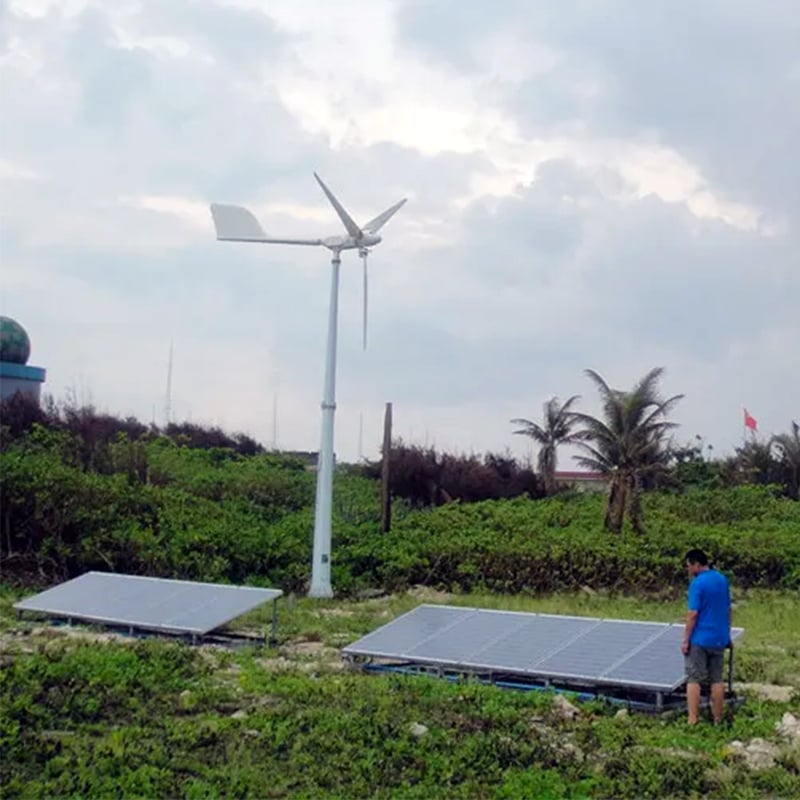
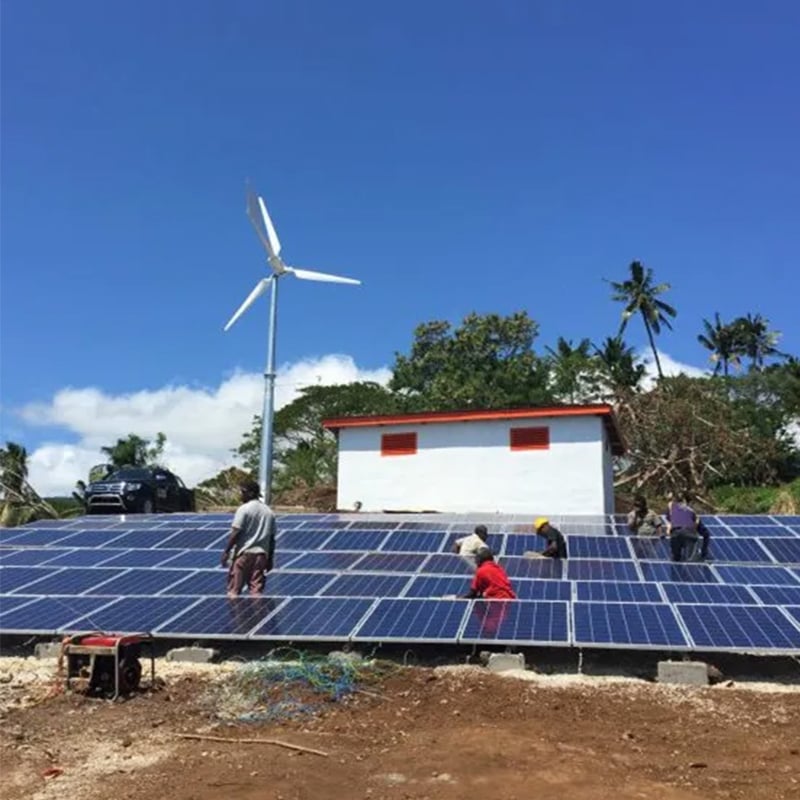
Adding PVT Panels as a Third Dimension in hybrid renewable energy systems, wind, solar and batteries can work hand-in-hand. A wind turbine produces electricity, while a battery store its energy and PVT panels generate heat for space heating, domestic hot water or process industry heat.
This thermal input is especially relevant to hybrid applications supporting buildings that demand a large quantity of hot water. These include hotels, hospitals and factory dormitories where the PVT system can largely-or totally-displace usage of conventional fossil fuels to heat hot water, while simultaneously feeding electrical output back to the building’s electric distribution grid. The system’s heat output could also provide energy to a heat pump system, which is supplied with temperature higher than that of ambient air to produce it.
It’s relatively unlikely we’ll find PVT’s in utility scale hybrid projects for PVT because transporting heat long distances is not very economical. In a distributed context however, such as for a campus of facilities, and industrial facility, or a district heating scheme PVT is a reasonable solution to prevent much of this wasted energy.
Space Efficiency and Project Economics
Perhaps the greatest argument in favor of PVT in hybrid projects however, is its space efficiency. In buildings with finite roof spaces it is the ultimate sacrifice between using that roof space for solar electricity or solar hot water, where compromises have to be made. PVT removes that by using a single area footprint to provide outputs from both electrical and solar thermal. This can save a substantial area of the roof required, reducing space by up to 40% compared to installing separate PV and solar thermal panels.
In business, terms can be quite interesting. For all thermal and heated-demand PVT, payback can range anywhere between 5 to 7 years, by replacing electricity and thermal costs directly; payback gets faster still where the thermal output displaces electric or gas heating, or where the system works in conjunction with an existing gas heated heat pump that takes advantage of the PVT’s thermal output.
Application Scenarios and System Integration
When is using PVT panels a good solution? PVT panels make sense for sites which have some electricity but also some thermal demand at the same place: Applications Examples; Where could this technology work best; PVT in action.
Hotels and resorts, Hotels and resort hotels with constant demand of hot water for showers, clothes and kitchen, plus considerable electrical power for lights, heating, air conditioner and more. For example, a 100 room hotel needs 3,500 to 5,000 liters hot water daily. APVT system that caters to the thermal demand could also provide enough electricity for common area lights.
Hospitals and healthcare facilities, Hospitals and health care sites, where good quality hot water is mandatory for hygiene, and whose all the year round heating requirement offer a stable thermal mass for the PVT waste heat to utilize.
Factory dormitories and worker housing, Which, using the total thermal and electric capacity on site to provide: boiler, district heat and electricity, back up on-site the building’s electrical installation, and hot water to factory residents through a common heat pipeline. Factory dormitories and work place.
District heating and multi-building campuses, Central heating systems, large building complexes with PVT arrays supplying temperature and pressure for supply temperatures of 40°C to 60°C .
If combined with battery storage then electricity from the PVT can be stored and utilized at later times, while the thermal energy generated is stored in hot water tanks or used to mitigate boiler use. If PVT is combined then the resultant energy system is much more robust and versatile than either technology is alone.
Jiangsu DHC Environmental Si-Tech Co., Ltd., we have been offering renewable energy solutions such as wind turbine systems, solar energy solutions, LiFePO batteries and PVT panels, since 2009. Relying on 15 years of experience and collaborate with top solar and inverter companies, DHC is offering integrated hybrid systems in action. For information about the application of PVT technology in your hybrid projects, contact us.