EN
EN

Application Scenarios of Small Wind Turbines
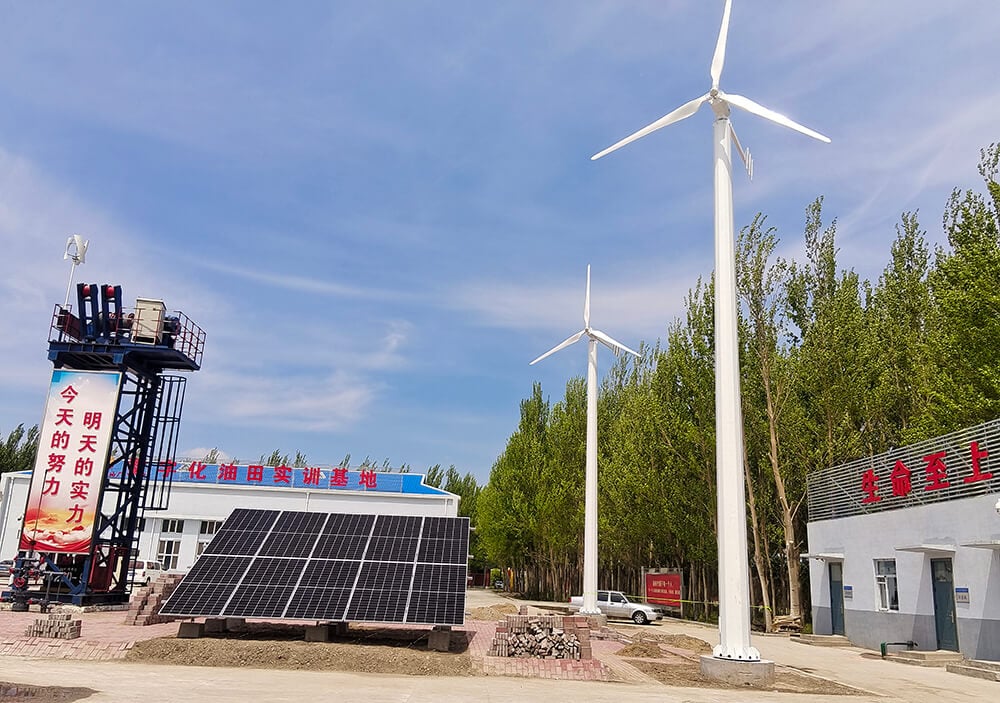
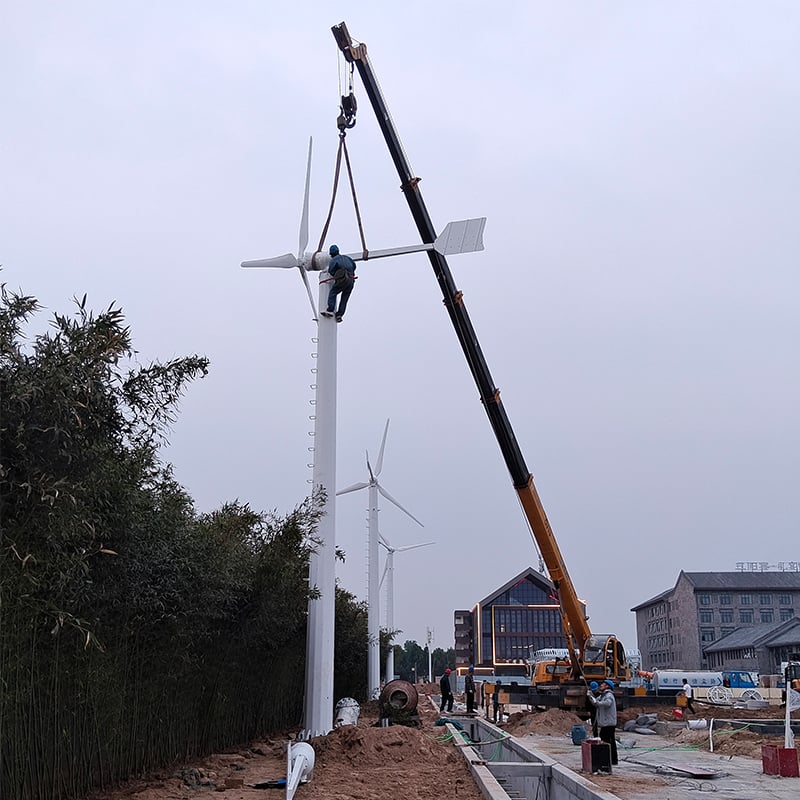
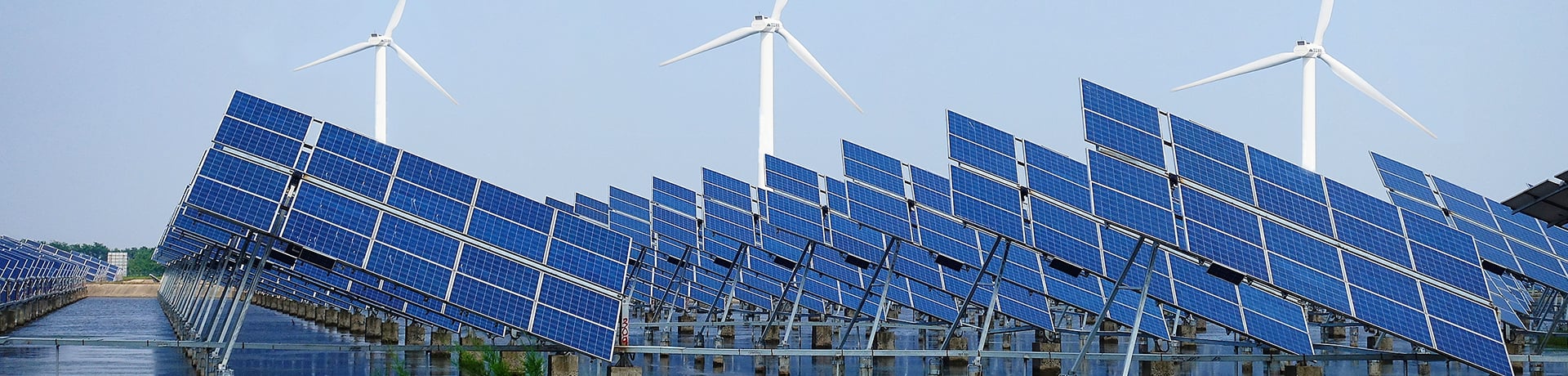
When thinking of wind turbines, do you still envision those large-scale commercial models with huge blades? These models are usually used in large-scale power generation projects to supply power to the public grid. However, in some areas with abundant wind resources, due to sparse population and low grid coverage, it is necessary to utilize solar and wind energy to meet the electricity demand at a lower cost.
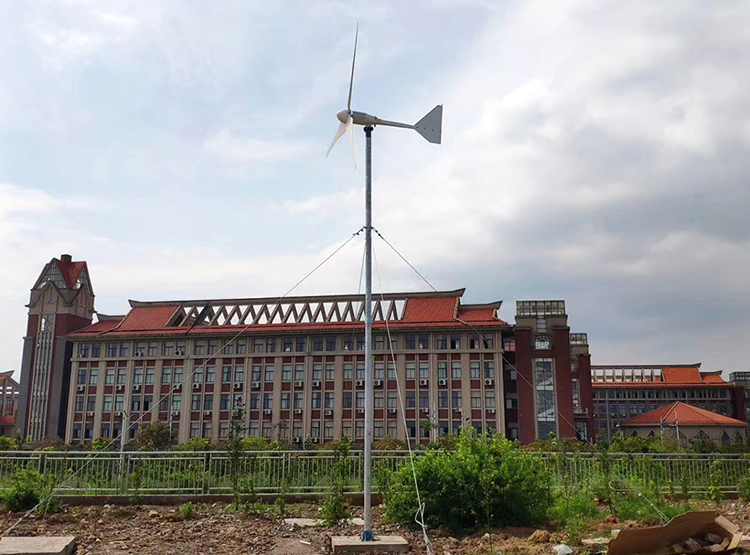
Household and Individual Electricity Usage Scenarios
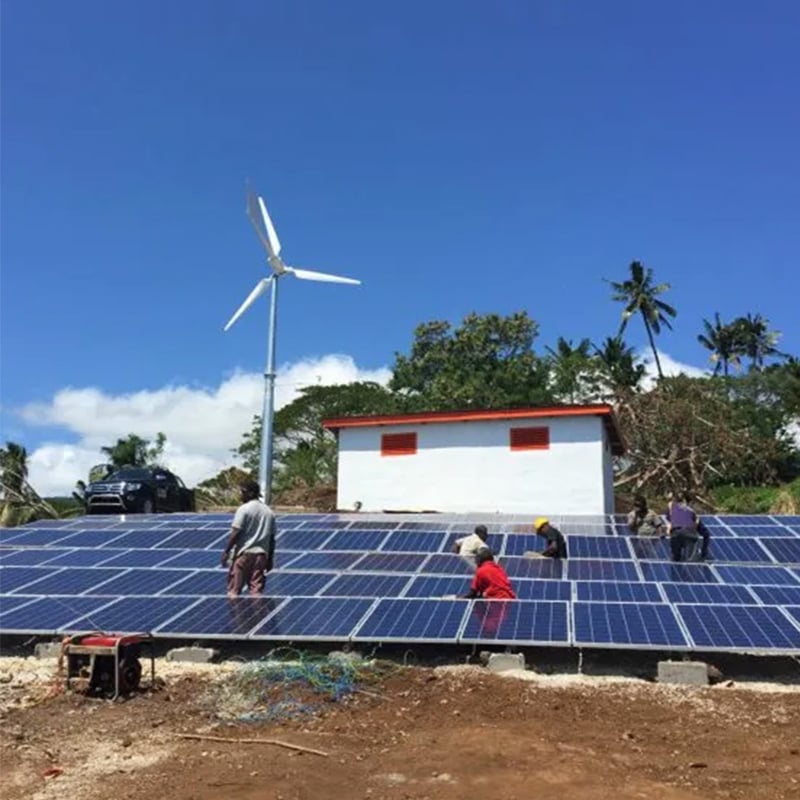
Regions not covered by the power grid: such as grasslands, mountainous areas and islands. Small wind turbines can be combined with solar panels to form a hybrid system to meet basic electricity demands such as lighting, televisions and refrigerators. For example, herders often use 2-5kW wind turbines paired with batteries for partial power supply.
Emergency backup power: In areas with unstable power grids or frequent natural disasters, small wind turbines can serve as backup power sources to ensure basic electricity needs for daily life.
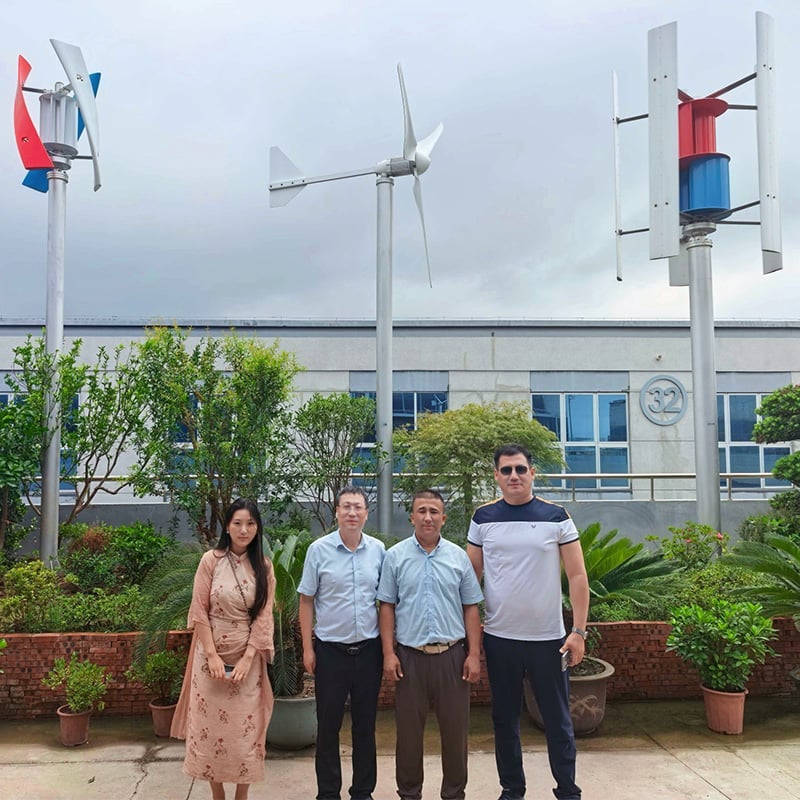
Roof or balcony installation: Some urban residents choose to install 1-3kW small wind turbines and use them in combination with solar panels to reduce electricity costs, but they need to consider the load-bearing capacity of the roof or balcony.
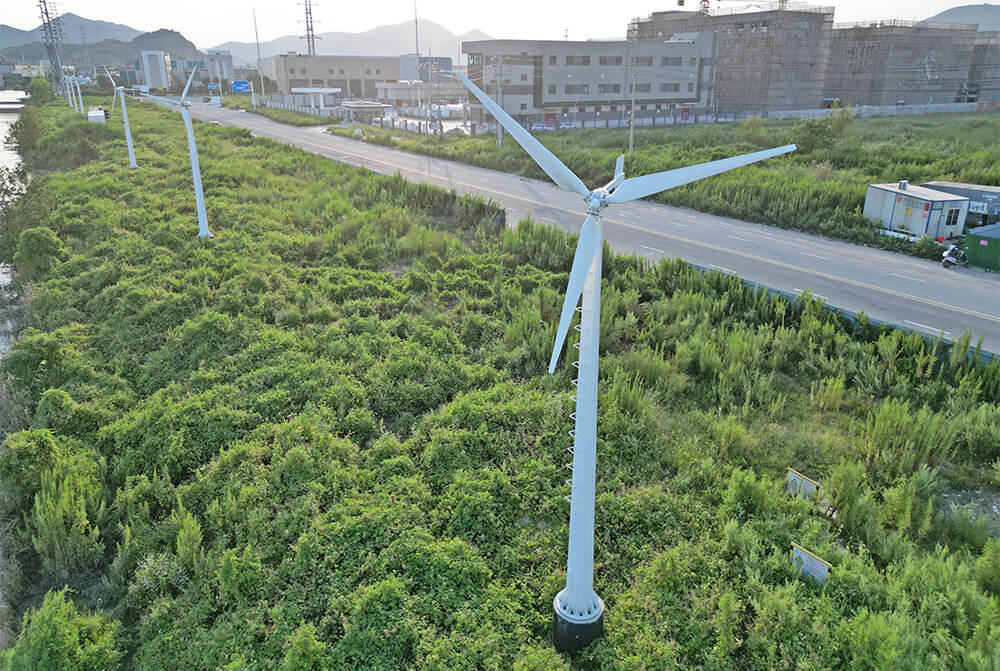
Agriculture and Rural Application Scenarios
Power supply for irrigation systems: In farmlands without an electricity grid, small wind turbines can power water pumps, enabling automated irrigation.
Oxygenation for aquaculture: The aeration machines in fish ponds or shrimp ponds need to operate continuously; small wind turbines combined with batteries can ensure stable power supply during nighttime or low wind speeds.
Streetlights and surveillance systems: Small wind turbines can be used in conjunction with solar panels and installed on rural roads, squares, and other public areas to provide independent power for streetlights and surveillance cameras.
Power supply for communication base stations: In remote areas, communication base stations typically use a "wind-solar complementary" system, with small wind turbines supplying power to the base station equipment.