EN
EN

Why Doesn't Your Wind Turbine Rotate?
The failure of a wind turbine to rotate may be caused by mechanical faults, electrical faults, environmental factors, control system issues or design flaws. The following is an overview of some common causes.
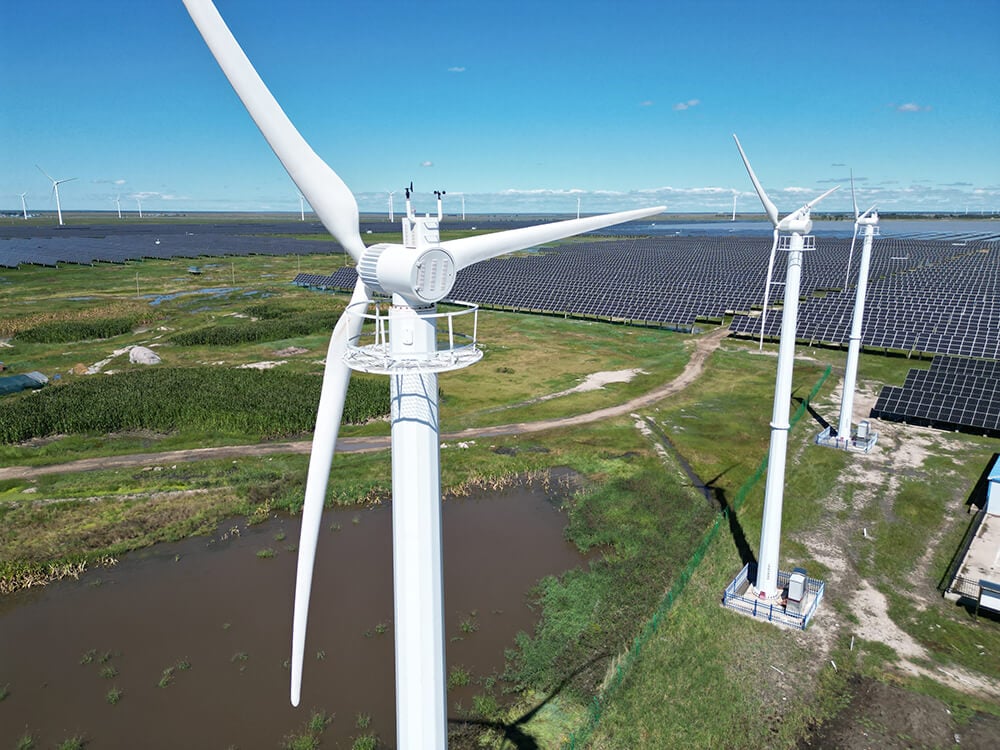
Mechanical Failure
Bearing failure: Bearings are key mechanical components of wind turbines. Long-term operation of wind turbines may lead to problems such as wear, insufficient or poor lubrication, improper installation or deformation of the bearing housing, which in turn can cause abnormal vibration and excessive temperature of the bearing. In severe cases, the rotor and stator may rub against each other, causing the generator to fail to rotate normally.
Gearbox failure: The gearbox is responsible for converting the low-speed operation of the wind turbine into the high-speed operation required by the generator. Long-term high-load operation may cause gear wear and breakage. Poor lubrication and design and manufacturing defects may also cause an increase in gearbox noise, affecting the transmission efficiency and even leading to the complete shutdown of the wind turbine.
Blade deformation or damage: The blades of a wind turbine are the key components for capturing wind energy. If the surface becomes deformed, damaged, or ices up, it will reduce the efficiency of wind energy capture, and even cause the generator to stop rotating.
Brake system failure: Insufficient clearance between the brake band and the brake disc, or incomplete release of the brake system. In either case, this will increase the rotational resistance, causing the generator to fail to start or operate at insufficient speed.
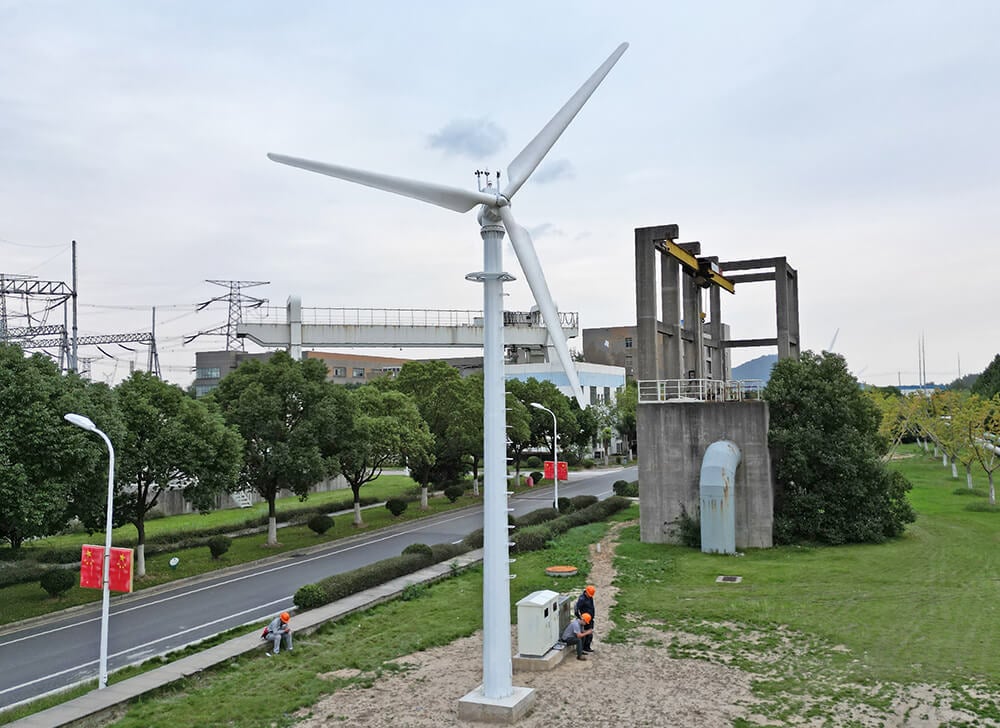
Electrical Faults
Generator malfunctions: Issues such as rotor coil breakage, magnetic pole damage, or short circuit or open circuit in the stator winding will directly affect the power output of the generator. For example, poor contact between the brush and the slip ring, or open or short circuit of the excitation winding may cause the generator to fail to generate electricity normally.
Line failure: Interruption, short circuit or poor connection of the line between the generator and the controller or battery can impede power transmission. For example, the rectifier diode is broken, the generator coil is broken, or the line connecting the battery is interrupted. These conditions may cause the output voltage to be low or unstable.
Controller failure: The wind turbine controller is responsible for monitoring the status of the generator and adjusting the operating parameters. If the controller malfunctions, there is a program error or communication failure, the generator may not be able to start, stop or adjust parameters, thereby affecting its rotation.
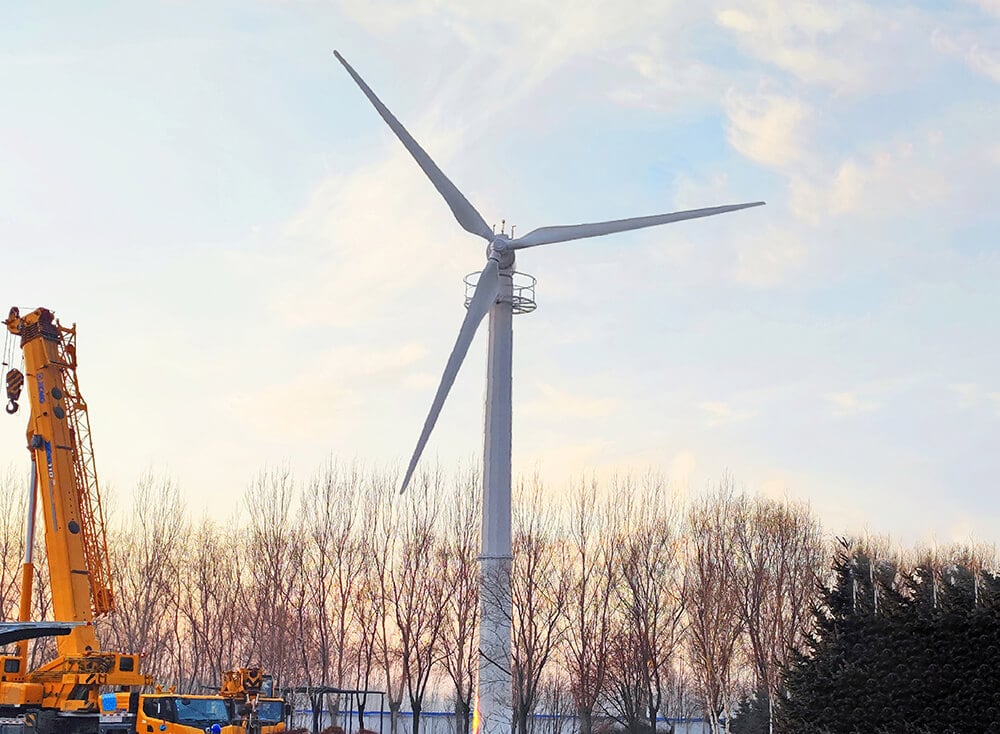
Control System Problem
Yaw system failure: The yaw system is responsible for adjusting the direction of the wind turbine nacelle, aligning the blades with the wind direction. If the yaw motor is damaged, the gear clearance is too large or the sensor malfunctions, the nacelle may not align with the wind direction, thereby reducing the power generation efficiency.
Pitch system failure: The pitch control system optimizes the wind energy capture of the wind turbine by adjusting the blade angles. If the pitch motor malfunctions, the blades get stuck or the sensor malfunctions, the blade Angle may be incorrect, thereby affecting the rotational stability.
Sensor failure: If sensors such as an anemometer and wind vane malfunction or provide incorrect data, the control system may misjudge the environmental conditions, thereby affecting the startup and rotation of the wind turbine.