
Commercial heat pumps are advanced systems designed to transfer heat for heating or cooling applications in commercial settings. They offer a sustainable and energy-efficient alternative to conventional heating and cooling solutions. As a purchasing manager, distributor, or engineer, understanding the technical specifications, customization options, and operational efficiency of commercial heat pumps is crucial for making informed purchasing decisions. This article will guide you through selecting the right commercial heat pump, factors to consider when sourcing, key features, and where these systems perform best.
Selecting the right commercial heat pump involves understanding your specific project requirements. Start by assessing the heating and cooling load of your facility. This will help determine the capacity needed to maintain optimal indoor temperatures efficiently.
Consider the heat pump type—air-source, ground-source, or water-source. Air-source heat pumps are typically easier to install and operate, while ground-source systems can be more efficient in the long run but require more extensive installation work. Evaluate the temperature ranges your application demands, as this will influence the heat pump's performance and efficiency.
Lastly, factor in the available space for installation and the potential need for customization. This could include modifications to fit existing infrastructure or specific performance requirements. Consulting with a manufacturer like Jiangsu DHC Environmental Si-Tech Co., Ltd., known for its expertise in renewable energy systems, can provide valuable insight into selecting a model that meets your unique needs. For example, their Container Energy Storage Battery options can complement your heat pump system effectively.
When sourcing wholesale commercial heat pumps, several key factors play a crucial role in ensuring you make the right choice:
Manufacturer Reputation: Look for established manufacturers with a proven track record in renewable energy systems. A manufacturer like Jiangsu DHC has 15 years of experience, ensuring reliability and performance.
Product Specifications: Pay close attention to the technical specifications, including energy efficiency ratings (EER and COP), capacity, and noise levels. These metrics significantly impact operational costs and user satisfaction.
Customization Options: Understand the level of customization available. This includes adjustments in size, performance specifications, and additional features that may enhance efficiency or fit specific applications. For instance, their Wind Solar Hybrid Power System can provide tailored solutions.
Quality Control Processes: Ensure the supplier has robust quality control measures in place. This can involve inspections at various production stages and adherence to industry standards.
Lead Times and Packaging: Discuss lead times for production and delivery, as well as how the units will be packaged for transport to avoid damage. Proper packaging is essential, especially for sensitive components like compressors.
By considering these factors, you can source a heat pump that aligns with your operational needs and project timeline.
Commercial heat pumps come with several key features that enhance their performance and efficiency:
Energy Efficiency: Many models boast high energy efficiency ratings, which can significantly lower operational costs over time. This is especially important for businesses looking to reduce energy expenses.
Versatility: Heat pumps can provide both heating and cooling, making them suitable for year-round use. This dual functionality can simplify system design and reduce equipment costs.
Environmentally Friendly: Commercial heat pumps utilize renewable energy sources, lowering carbon footprints and supporting sustainability initiatives.
Advanced Control Systems: Modern heat pumps often come with sophisticated control systems that allow for precise temperature regulation, which can lead to improved comfort levels and energy savings.
Quiet Operation: Many models are designed for quiet operation, which is beneficial in settings such as offices, hotels, or retail environments where noise reduction is a priority.
These features align with the increasing demand for efficient and sustainable solutions in commercial buildings.
When preparing to purchase a commercial heat pump, consider the following guidelines:
Define Your Requirements: Clearly outline your heating and cooling needs, including desired temperatures, space constraints, and energy efficiency targets.
Request Detailed Quotations: When reaching out to suppliers, provide comprehensive information, including project specifications, quantities, and any customization requirements. This will ensure you receive accurate quotations.
Sample Approval: Before committing to a large order, request samples or prototype units. Testing these under actual operating conditions can reveal potential issues and ensure the product meets your expectations.
Evaluate Supplier Credentials: Assess the supplier’s manufacturing capabilities, certifications, and experience in the industry. A reliable supplier should have strong partnerships within the supply chain, ensuring quality.
Check for Warranty and Support Services: Understand the warranty terms and after-sales support options available. A solid warranty can provide peace of mind and protect your investment.
By following these guidelines, you can streamline the purchasing process and ensure that you select a commercial heat pump that meets your operational goals.
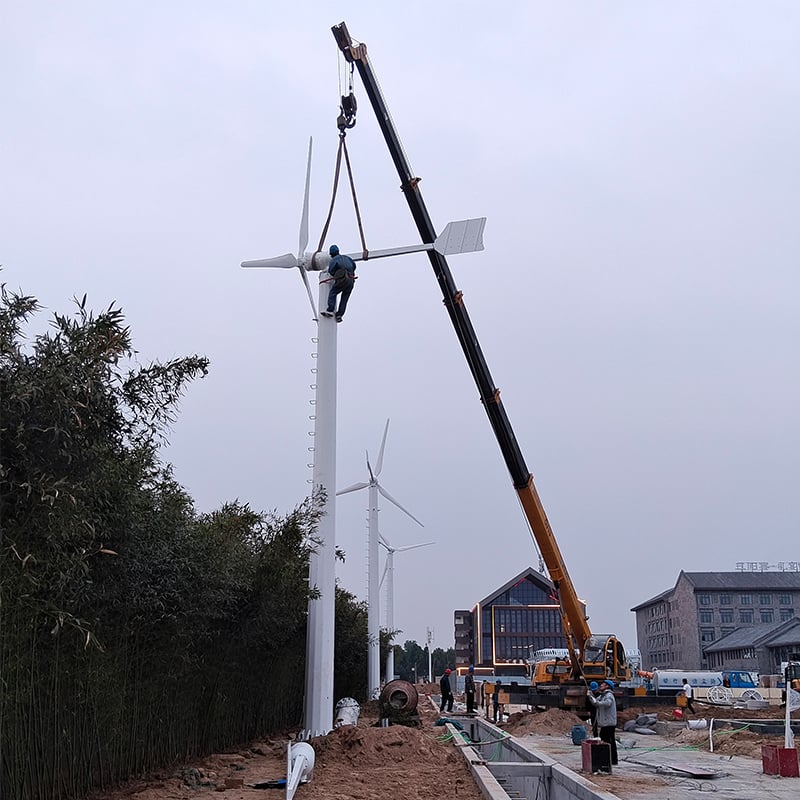
primary products wind turbines, solar panels and lifepo4 batteries. customers will receive a one-stop-shop service the integration and Vertical wind turbine a wind-solar hybrid as well as smart photovoltaic system. DHC provides reliable products, technologies, and after-sales service to customers with excellent delivery capability.
Integrity the cornerstone of company. offer real power solutions offer an expert service. {When it comes to wind turbines, {you can pay attention it is important to Integrity is the foundation our company. We offer real power equipment, as well as skilled service. You can consider parameters like blade diameter as well as wind you should pay attention aspects like blade's diameter as well as weight. promise that all products produced by DHC come with Vertical wind turbine power output and not overinflated power.
DHC the top brand in the wind solar hybrid power system. It has own manufacturing facility that incorporates R D and design, production, technical support. Since 2009 our founders have embraced the idea of protecting environment by embracing new technology and embraced 15kw wind turbine for home culture "diligence and honesty, as well as cooperation and creativity." This also the basis of our brand "DHC".
We're dedicated meeting commercial domestic electric power needs using wind/solar system. With professional supply chain management integration capabilities, can provide our customers with completely 2kw vertical wind turbine solutions. will only need know your exact needs from design, production, to after-sales support, will provide you with real-time professional assistance throughout day.
Commercial heat pumps excel in various applications, including:
Office Buildings: They provide efficient heating and cooling, enhancing comfort while minimizing energy costs.
Retail Spaces: Heat pumps can maintain stable temperatures, improving customer experience and preserving product integrity.
Manufacturing Facilities: They are capable of adapting to the varying thermal demands of industrial processes, offering efficient solutions for heating and cooling.
Hospitality Venues: Hotels and restaurants benefit from the temperature control and energy efficiency of heat pumps, contributing to overall operational savings.
Agricultural Applications: For farms, commercial heat pumps can be used for climate control in greenhouses or for heating water in livestock operations, demonstrating their versatility in diverse environments.
In summary, commercial heat pumps stand out for their energy efficiency, versatility, and environmentally friendly operation, making them an ideal choice for various commercial applications. By carefully considering your project needs and supplier capabilities, you can leverage these advantages to enhance your facility's performance and sustainability.
Welcome to DHC, the top brand of wind solar hybrid power system! We provide innovative and effective new energy solutions including wind turbine, solar panel, lifepo4 battery, etc.





 EN