
Commercial air source heat pumps are increasingly popular solutions for energy-efficient heating and cooling in various commercial applications. These systems use the ambient air as a heat source or sink, making them a sustainable choice that aligns with growing environmental considerations. For purchasing managers, facility engineers, and other decision-makers, understanding the key specifications, installation requirements, and applications of commercial air source heat pumps is crucial. This article provides a detailed overview of these systems, helping you navigate supplier options and make informed purchasing decisions.
When evaluating commercial air source heat pumps, several key specifications are essential to consider:
Heating Capacity: Measured in BTUs or kilowatts, this indicates the heat output. It should match the heating demands of the facility to ensure efficiency and comfort. Oversizing can lead to short cycling, while undersizing may not adequately heat the space.
Coefficient of Performance (COP): This ratio measures the heat output relative to energy input. A higher COP indicates better efficiency. Buyers should look for models with a COP of at least 3.0, which means they produce three times more energy than they consume.
Seasonal Energy Efficiency Ratio (SEER): This metric evaluates efficiency over a cooling season. A higher SEER rating signifies better energy efficiency during peak cooling periods.
Noise Levels: Measured in decibels (dB), noise levels can impact the comfort of building occupants. Look for units that operate below 60 dB, particularly for installations in noise-sensitive environments.
Operating Temperature Range: Understanding the minimum and maximum outdoor temperatures at which the heat pump can operate effectively is crucial. Systems designed for colder climates should maintain performance even in sub-zero conditions.
Refrigerant Type: Modern units often use R-410A or R-32 refrigerants, which are more environmentally friendly than older types like R-22. Ensure compliance with local regulations regarding refrigerant use.
Selecting a system that meets these specifications will guarantee optimal performance and longevity, reducing overall energy costs and maintenance issues. Consider also integrating a Portable Power Station for enhanced energy management.
Choosing the right supplier for your commercial air source heat pump is as critical as selecting the product itself. Here are key factors to consider:
Experience and Reputation: Look for suppliers like Jiangsu DHC Environmental Si-Tech Co., Ltd., known for their expertise in renewable energy systems. Established manufacturers with a strong track record can provide insights into product reliability and performance.
Customization Capabilities: Depending on your project's requirements, you may need customized solutions. Verify that the supplier can tailor heat pumps to fit specific performance needs or operational environments.
Quality Assurance Processes: Suppliers should have rigorous quality control measures in place. This includes testing units under real-world conditions and providing certifications that guarantee adherence to industry standards.
Supply Chain Reliability: Ensure that the supplier has strong partnerships within the supply chain, which can affect the availability of components and overall product delivery timelines.
Technical Support and Warranty: A good supplier will offer robust post-purchase support. Check for warranty details and the availability of technical assistance for installation and maintenance.
Pricing and MOQ: Evaluate pricing structures and minimum order quantities (MOQ). Comparing multiple suppliers can help in negotiating better deals and ensuring you get the best value for your investment.
By carefully assessing these factors, you can choose a supplier that meets your operational needs and budget requirements while ensuring high-quality product delivery.
Proper installation is vital for the efficiency and longevity of commercial air source heat pumps. Here are essential guidelines for the installation process:
Site Assessment: Conduct a thorough site evaluation to determine the best location for the heat pump. Consider factors such as accessibility for maintenance, proximity to the building, and exposure to wind or sunlight.
Compliance with Local Codes: Ensure that the installation adheres to local building codes and regulations. This might include permits or inspections that verify proper installation practices.
Ductwork and Piping: If the system will be integrated into existing ductwork, it’s essential to assess its condition and capacity. Leaky or insufficient ductwork can severely impact system performance.
Connecting Electrical and Refrigerant Lines: Ensure that all electrical connections are completed by a licensed electrician. Proper refrigerant line routing is crucial for system efficiency; any kinks or improper slopes can affect performance.
Testing and Commissioning: Once installed, conduct a performance test to confirm that the system operates within specified parameters. This should include checking airflow, temperature differentials, and refrigerant levels.
User Training: Provide training for facility operators on how to effectively manage the heat pump system. This includes understanding controls, maintenance schedules, and troubleshooting common issues.
Following these guidelines will help ensure that the installation maximizes the system's efficiency and lifespan.
Commercial air source heat pumps have diverse applications across several industries. Here are some key areas where they are effectively utilized:
Retail Spaces: In retail environments, consistent temperature control is essential for customer comfort and product preservation. Air source heat pumps provide efficient heating and cooling, reducing energy costs while maintaining an ideal shopping atmosphere.
Office Buildings: These systems can contribute to improved air quality and energy efficiency in office settings. By integrating with existing HVAC systems, they can enhance employee comfort while minimizing operational costs.
Industrial Applications: Many manufacturing facilities benefit from the use of air source heat pumps, particularly in processes requiring temperature regulation. They can effectively manage heating in production areas, reducing reliance on traditional heating methods.
Agricultural Operations: In agricultural settings, air source heat pumps can provide heating for greenhouses and livestock facilities, ensuring optimal conditions for growth and animal welfare.
Hospitality: Hotels and hospitality venues utilize these systems for efficient climate control, enhancing guest comfort while managing energy expenses. Additionally, integrating a Wind Controller can optimize energy usage further.
Understanding the specific applications of commercial air source heat pumps can help businesses leverage their benefits for enhanced energy efficiency and operational performance.
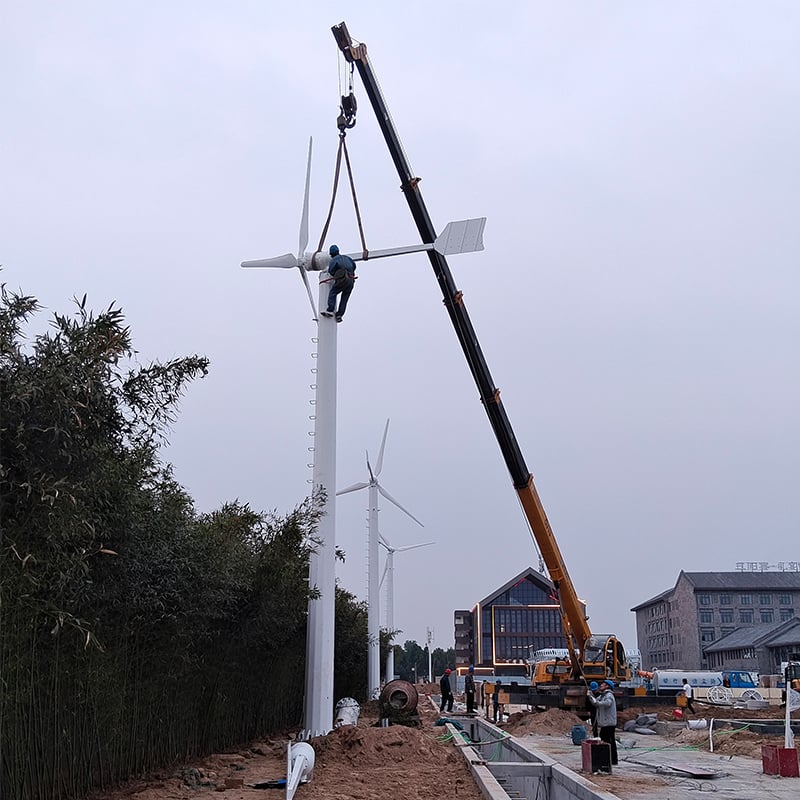
Integrity the cornerstone of company. offer real power solutions offer an expert service. {When it comes to wind turbines, {you can pay attention it is important to Integrity is the foundation our company. We offer real power equipment, as well as skilled service. You can consider parameters like blade diameter as well as wind you should pay attention aspects like blade's diameter as well as weight. promise that all products produced by DHC come with Vertical wind turbine power output and not overinflated power.
We're dedicated solving commercial residential electrical needs utilizing a solar/wind power system. With professional supply chain management and integration capabilities, are able to provide customers with completely customized solutions. We'll provide high-quality service all hours of day from 2kw vertical axis wind turbine to design and after-sales.
main products wind turbines and solar panels. customers can receive a single-source service integration and development wind-solar hybrids as well as intelligent photovoltaic systems. DHC provides reliable 5000w wind turbine, technologies and after-sales support customers through exceptional delivery capability.
most renowned brand wind-powered hybrid power systems DHC the only company with own wind turbine factory that combines R D, design, production technical support. Since 2009, our founders have practiced the 2kw vertical wind turbine of environmental protection and have been immersed in the latest energy sources and have adhered the company's culture that focuses on "diligence and honesty, collaboration, and creativity." Our brand DHC is the consequence of this.
For businesses looking to purchase commercial air source heat pumps in large quantities, bulk ordering offers several advantages:
Cost Savings: Suppliers often provide discounts for bulk orders, significantly reducing the per-unit cost. This can lead to substantial savings for businesses planning large-scale installations.
Streamlined Procurement: Ordering in bulk can simplify the procurement process, reducing the administrative burden associated with multiple orders. It also ensures that all units are from the same production batch, which can enhance consistency in performance.
Customization Opportunities: Bulk orders may allow for greater customization options, enabling businesses to tailor specifications to meet specific operational needs. This can include variations in capacity, features, or finishes.
Improved Delivery Timelines: By committing to a bulk order, businesses may benefit from prioritized production and shipping schedules, ensuring timely delivery to meet project deadlines.
Inventory Management: Purchasing in bulk allows businesses to maintain a stock of units for future needs, reducing the risk of delays due to supply chain disruptions.
When considering a bulk order, it’s essential to communicate your specific requirements clearly to the supplier, including expected delivery timelines, installation schedules, and any customization needs.
By understanding the key specifications, supplier evaluation criteria, installation guidance, applications, and advantages of bulk ordering, you can make informed decisions regarding commercial air source heat pumps that align with your business objectives and operational requirements.
Welcome to DHC, the top brand of wind solar hybrid power system! We provide innovative and effective new energy solutions including wind turbine, solar panel, lifepo4 battery, etc.





 EN