
Air source heat pumps are an increasingly popular choice for efficient heating and cooling solutions in homes and commercial buildings. These systems harness ambient air to provide heating in winter and cooling in summer, making them an eco-friendly alternative to traditional HVAC systems. For B2B buyers like purchasing managers and engineers, understanding the key specifications, cost factors, and applications of air source heat pumps is essential for making informed purchasing decisions. This article will guide you through the important considerations when selecting air source heat pumps for wholesale, ensuring you choose the right solution for your specific needs. Additionally, integrating a Portable Power Station can enhance your overall energy efficiency.
When selecting air source heat pumps for wholesale, buyers should consider several critical factors to ensure optimal performance and suitability for their applications. First, evaluate the climate conditions of the installation area, as air source heat pumps are most effective in moderate climates. In colder regions, models with enhanced performance at low temperatures may be required.
Next, assess the system's capacity, typically measured in BTUs (British Thermal Units). The required capacity will depend on the size of the space being heated or cooled, the insulation quality, and the specific heating or cooling load calculations. It's advisable to consult with HVAC professionals or engineers to determine the appropriate capacity for your project.
Additionally, consider the energy efficiency rating, often indicated by the Seasonal Energy Efficiency Ratio (SEER) for cooling and the Heating Seasonal Performance Factor (HSPF) for heating. Higher ratings indicate better efficiency and lower operational costs.
Lastly, customization options are crucial; suppliers should offer models that can be tailored to specific requirements, such as variable refrigerant flow (VRF) systems for larger buildings or integrated controls for smart home compatibility. A good choice could be the Wind Power Generation System for those looking for hybrid solutions.
Air source heat pumps come with various specifications that directly impact their efficiency and performance. Key specifications to consider include:
Heating and Cooling Capacity: This indicates the maximum thermal energy the unit can provide and should align with the calculated requirements for the space.
Energy Efficiency Ratings: Look for units with high SEER and HSPF ratings. These ratings reflect the unit's efficiency and can significantly influence operating costs. For instance, a unit with a SEER of 18 is more efficient than one with a SEER of 14.
Compressor Type: Scroll compressors provide quieter and more efficient operation than reciprocating compressors. When selecting a unit, consider the noise level, especially for residential applications.
Defrost Cycle: In colder climates, heat pumps may require a defrost cycle to prevent frost buildup on the outdoor unit. Understanding the defrost mechanism and its efficiency can help ensure consistent performance.
Refrigerant Type: Modern heat pumps often use R-410A or R-32 refrigerants, which have lower global warming potential compared to older refrigerants. This can be an important consideration for environmentally conscious buyers.
Each of these specifications plays a vital role in the overall performance and efficiency of air source heat pumps, impacting both initial costs and long-term operational expenses.
To ensure the successful installation and operation of air source heat pumps, following best practices is essential. Start by conducting a comprehensive site assessment to evaluate the location, orientation, and existing infrastructure. This assessment will help determine the most suitable model and installation strategy.
During installation, ensure proper sealing and insulation of ductwork to minimize energy loss. It's also crucial to position the outdoor unit in a location that allows for adequate airflow and avoids obstructions, which can hinder performance.
Regular maintenance is another best practice. Schedule annual inspections to check refrigerant levels, clean filters, and assess overall system performance. This proactive approach can help identify potential issues before they escalate, ensuring longevity and efficiency.
Lastly, training for end-users on the operational features of the heat pump can enhance performance and satisfaction. A well-informed user can adjust settings for optimal efficiency and recognize signs of potential issues early.
The cost of air source heat pumps varies based on several factors that buyers should consider when budgeting for wholesale purchases. Firstly, the initial purchase price will depend on the specific model and its capacity. High-efficiency models may have a higher upfront cost but can result in savings on energy bills over time.
Installation costs are another significant factor. Hiring qualified HVAC professionals for installation can ensure the system is set up correctly, which is critical for optimal performance. Installation costs may vary based on system complexity, required modifications to existing infrastructure, and local labor rates.
Operational costs should also be factored in, including electricity rates in the installation area. Energy-efficient units may have higher initial costs but can lead to lower ongoing expenses. Additionally, consider any available rebates or incentives for energy-efficient systems, which can reduce overall costs.
Lastly, potential maintenance expenses should be considered. Regular servicing will incur costs but is essential for maintaining system efficiency and preventing costly repairs down the line.
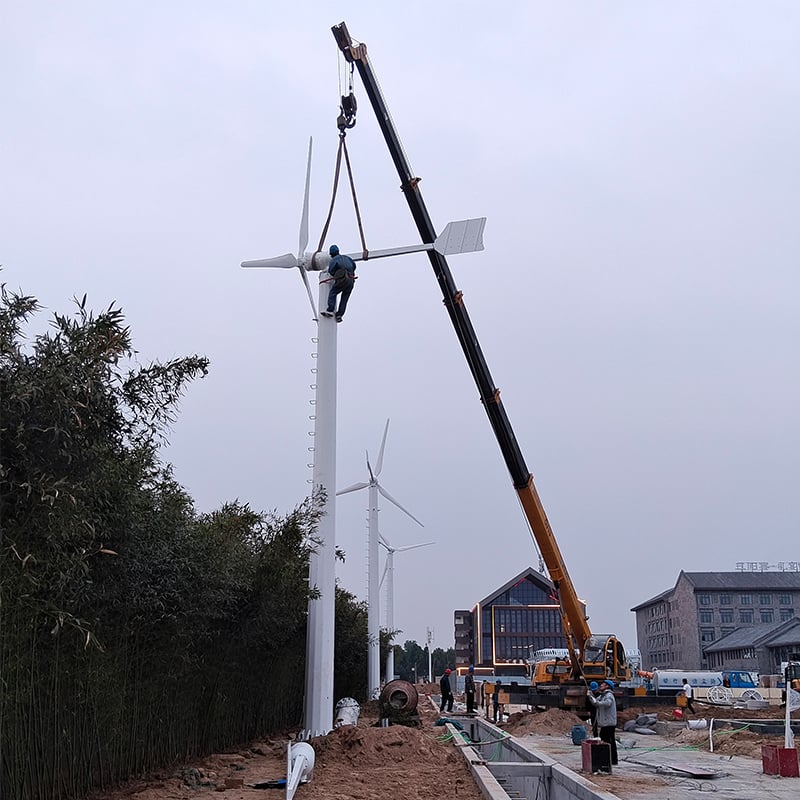
Integrity is foundation of our company. offer real power equipment, as well as skilled wind turbine and generator. In the case of wind turbines, {you can pay attention it is important to commitment to integrity the basis of our business. We provide genuine power equipment, as well as expert service. Consider parameters such as blade diameter as well as wind turbine weight when looking at wind turbines. DHC promises that its products are able to deliver real power without exaggerating the power.
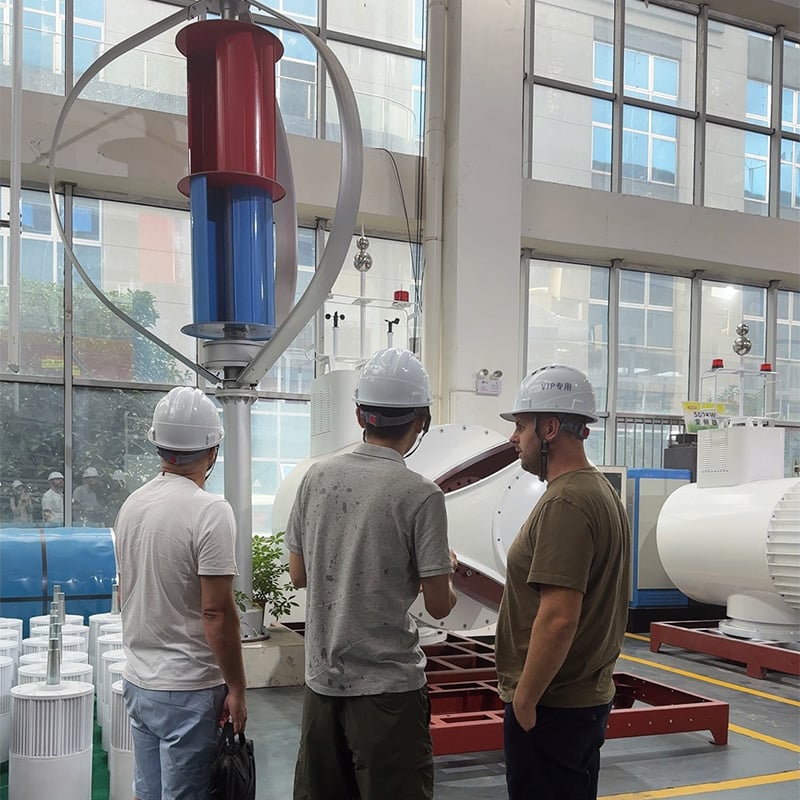
most renowned brand wind-powered hybrid power systems DHC the only company with own wind turbine factory that combines R D, design, production technical support. Since 2009, our founders have practiced the 2kw vertical wind turbine of environmental protection and have been immersed in the latest energy sources and have adhered the company's culture that focuses on "diligence and honesty, collaboration, and creativity." Our brand DHC is the consequence of this.
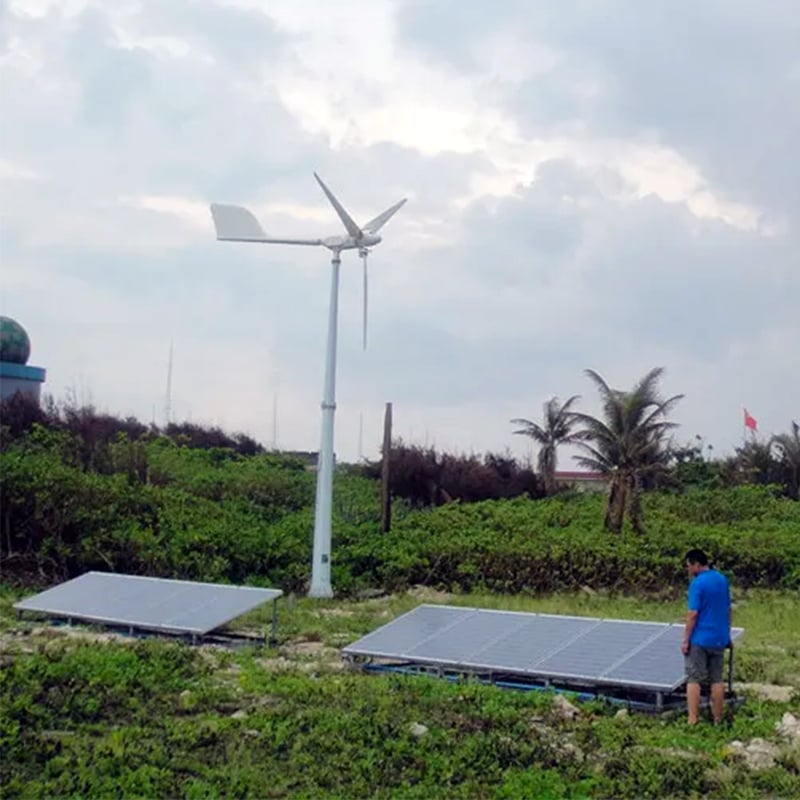
Solar wind power systems are our primary focus. offer customers custom solutions using our expert supply 5000w wind turbine management capability's ability integrate. Simply tell us about your specific requirements, from design, production, to after-sales support, we will provide with real-time professional services throughout the day.
main products include wind Wind turbine for home 5kw solar panels. Customers can avail an all-in-one service integration development of wind-solar hybrids as well as smart photovoltaic system. With excellent delivery ability, DHC provides reliable technologies and products, as well as after-sales service customers.
Air source heat pumps are versatile systems applicable across various industries. In the residential sector, they provide efficient heating and cooling for homes, making them an attractive option for new constructions and retrofits alike.
In commercial settings, these systems are used in office buildings, retail spaces, and warehouses, where their adaptability allows for customized heating and cooling solutions. Many businesses also benefit from the potential for integration with smart technologies, enhancing energy management.
The agricultural sector finds applications for air source heat pumps in livestock facilities and greenhouses, where temperature control is vital for productivity. These systems can efficiently maintain desired temperatures, ensuring optimal growing conditions for crops and livestock.
Moreover, in industrial applications, air source heat pumps can contribute to process heating and cooling, reducing reliance on fossil fuels and aligning with sustainability goals. Their ability to provide both heating and cooling makes them an attractive option for various manufacturing processes.
In summary, air source heat pumps serve a wide range of applications, providing efficient and environmentally friendly solutions across different sectors. As a buyer, understanding these applications can help in selecting the right product for specific needs, ensuring maximum benefits from your investment.
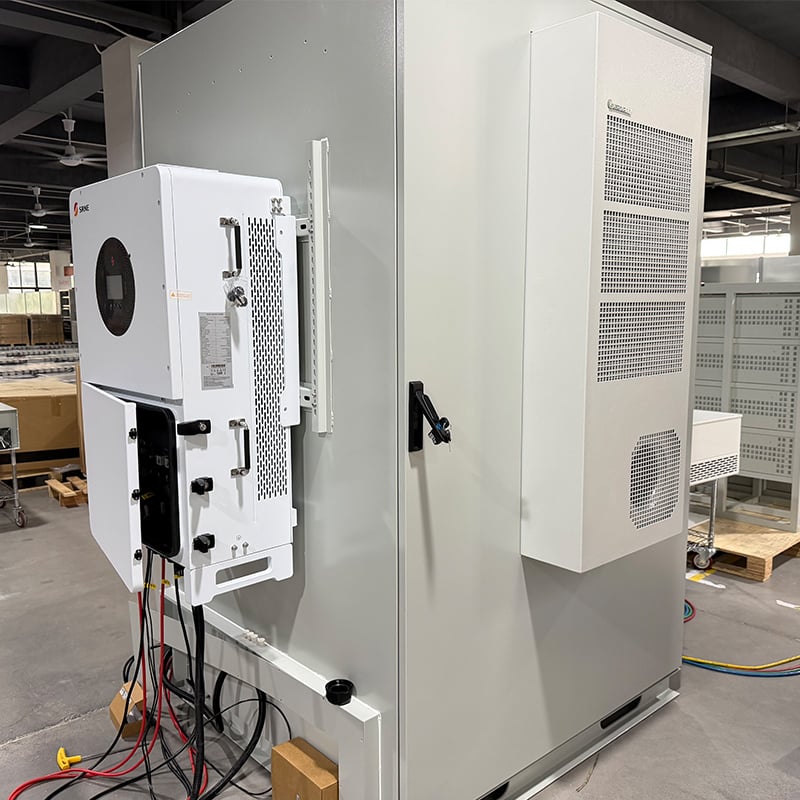
Welcome to DHC, the top brand of wind solar hybrid power system! We provide innovative and effective new energy solutions including wind turbine, solar panel, lifepo4 battery, etc.


 EN