
Air to air heat pumps are an increasingly popular solution for industrial and commercial settings, offering efficient heating and cooling by extracting heat from the air. With rising energy costs and a growing emphasis on sustainability, many businesses are exploring air to air heat pumps as a viable alternative to traditional HVAC systems. This article will address key concerns for B2B buyers, including applications, installation guidance, comparisons with traditional systems, common issues, and sourcing considerations, providing insights that will help inform purchasing decisions.
Air to air heat pumps excel in various industrial applications, particularly where efficient temperature control is necessary. They are ideal for manufacturing facilities, warehouses, and commercial spaces that require consistent heating and cooling to maintain optimal working conditions.
Manufacturing Facilities: In environments where temperature stability is crucial, air to air heat pumps can effectively manage indoor climates, enhancing worker comfort and productivity. They can be particularly beneficial in processes that require precise thermal control, such as in food processing or pharmaceuticals.
Warehouses: These systems are also well-suited for warehouses that need to regulate temperature for inventory preservation. By efficiently heating or cooling large spaces, air to air heat pumps can help reduce energy costs while maintaining the integrity of sensitive materials. Additionally, integrating a Container Energy Storage Battery can further optimize energy management in such environments.
Commercial Spaces: Retail businesses and office buildings can leverage air to air heat pumps to create comfortable environments for employees and customers alike. Their ability to provide both heating and cooling makes them versatile for fluctuating seasonal demands.
Understanding the specific application needs will help buyers select the right model and configuration, optimizing performance and energy efficiency.
Proper installation is critical for maximizing the efficiency and lifespan of air to air heat pumps. Here are some key considerations for commercial installations:
Location: Choose a location for the outdoor unit that ensures adequate airflow and minimizes noise disruption. It’s essential to avoid areas with excessive debris or obstructions that could impair performance.
Ductwork Compatibility: Assess the existing ductwork to ensure it can accommodate the air flow requirements of the heat pump. Insufficient or poorly designed ductwork can lead to inefficiencies and air quality issues.
Electrical Requirements: Ensure that the electrical supply meets the specifications required by the heat pump model. This includes verifying circuit breaker compatibility and ensuring the proper gauge wiring is used.
Professional Installation: Engaging experienced HVAC technicians for installation can help avoid common pitfalls and ensure compliance with local building codes. Proper installation not only optimizes performance but can also be critical for warranty compliance.
Buyers should prepare to discuss these aspects with their HVAC contractor to ensure a smooth installation process.
When comparing air to air heat pumps with traditional heating and cooling systems, several factors come into play:
Energy Efficiency: Air to air heat pumps typically operate at a higher efficiency than conventional systems, using less electricity to generate the same heating or cooling output. This is particularly advantageous in regions with moderate climates.
Operational Costs: The lower energy consumption translates into reduced operational costs over time. While the initial investment may be higher, the long-term savings can justify the upfront expense.
Environmental Impact: Air to air heat pumps are more environmentally friendly, often utilizing renewable energy sources. In contrast, traditional systems may rely on fossil fuels, contributing to higher carbon emissions.
Maintenance: Traditional systems often require more frequent maintenance and repairs, especially those reliant on combustion processes. Air to air heat pumps generally have fewer moving parts and can require less maintenance, which can enhance reliability.
Understanding these differences can help buyers make informed decisions based on their operational needs and sustainability goals.
While air to air heat pumps are generally reliable, buyers should be aware of potential issues they may encounter:
Insufficient Heating/Cooling: This may arise from improper sizing, ductwork issues, or inadequate insulation. Buyers should conduct a thorough load calculation to ensure the system is appropriately sized for their space.
Frost Build-Up: In colder climates, frost can accumulate on the outdoor unit, affecting performance. Regular maintenance, including cleaning the unit and checking for proper airflow, can help mitigate this issue.
Noise Levels: Some units can be noisier than expected, especially if not installed correctly or if the unit is placed too close to occupied spaces. Opting for models designed for quieter operation and ensuring proper placement can alleviate this concern.
Control Issues: Malfunctioning thermostats or control systems can lead to inconsistent temperature regulation. Regular checks and calibrations can help maintain system accuracy.
By being proactive in addressing these common challenges, buyers can enhance the performance and longevity of their air to air heat pumps.
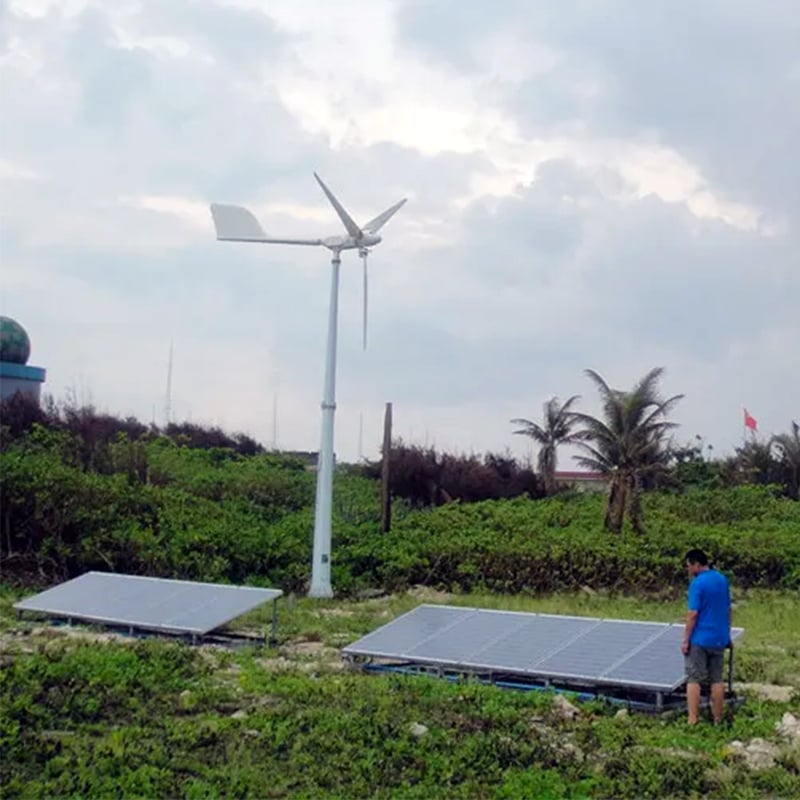
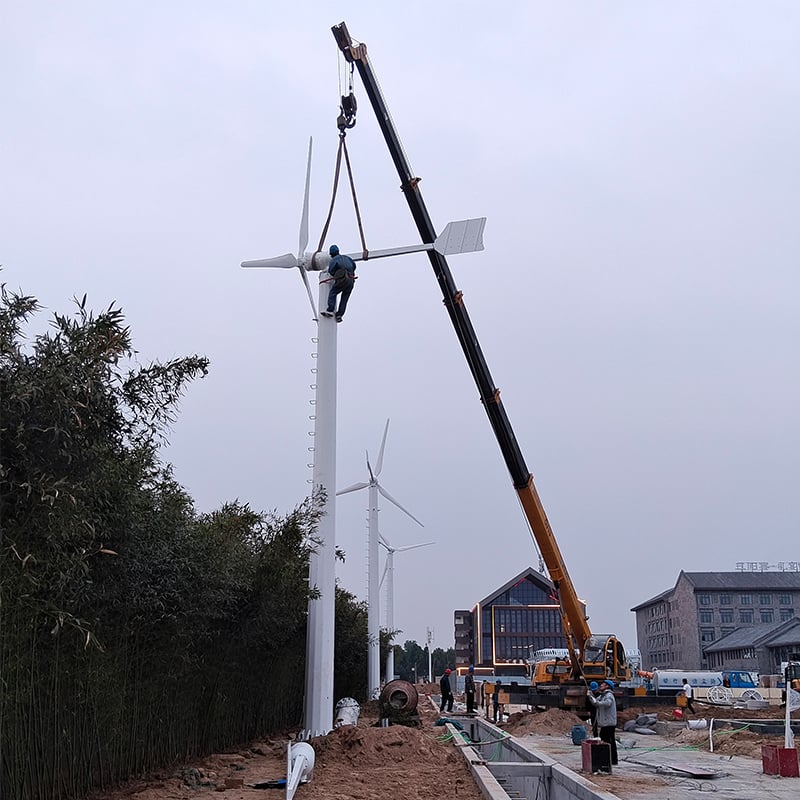
primary products wind turbines, solar panels and lifepo4 batteries. customers will receive a one-stop-shop service the integration and Eolic generator a wind-solar hybrid as well as smart photovoltaic system. DHC provides reliable products, technologies, and after-sales service to customers with excellent delivery capability.
Wind solar energy wind turbine generator our primary focus. We can provide customers with customized solutions with professional capability of managing supply chains as well as ability integrate. Tell us what want to achieve. needs, from de sign, manufacturing, through after-sales and more, will offer you real-time professional support throughout the day.
DHC the market leader in hybrid wind solar power systems. has its own manufacturing facility that integrates R D and production, design technical support. Since 2009 founders of DHC have been implementing the concept of environmental protection and have been immersed the latest technology and embraced the corporate wind turbine generator that focuses on "diligence and integrity, collaboration and innovation." This is also the basis of our brand "DHC".
Our commitment integrity the foundation of our business. We provide genuine power products and provide skilled service. Regarding wind turbines can pay attention is important to committed to preserving integrity as the primary goal of our enterprise, and we offer customers real power products and professional services. It is possible to consider factors such as blade diameter as well as wind turbine weight when Wind turbine for home 5kw wind turbines. We ensure that all products made by DHC are based on actual power output and not overinflated power.
When sourcing air to air heat pumps, buyers should consider several factors to ensure they select the right supplier:
Manufacturer Reputation: Research the manufacturer’s experience in the renewable energy sector. Companies like Jiangsu DHC Environmental Si-Tech Co., Ltd., known for their expertise in renewable energy solutions, may offer a more reliable and effective product, similar to a Wind Turbine.
Customization Capabilities: Depending on the specific application, buyers may need customized solutions. Evaluate the supplier’s ability to provide tailored options that meet unique operational requirements.
Technical Support: Assess the level of technical support and after-sales service offered. A responsive support system can be invaluable for troubleshooting and maintenance needs.
Quality Assurance Processes: Investigate the supplier’s quality control measures to ensure the products meet industry standards. Certifications and adherence to quality systems can be indicators of a reputable manufacturer.
Pricing and Lead Time: Understand the pricing structure and associated costs, including installation and maintenance. Additionally, inquire about lead times to ensure timely project completion.
Preparing a comprehensive Request for Quotation (RFQ) that includes detailed specifications and operational needs will facilitate more accurate responses from potential suppliers, streamlining the sourcing process.
By understanding the applications, installation requirements, comparisons with traditional systems, common issues, and sourcing considerations, buyers can make informed decisions regarding air to air heat pumps that align with their operational goals and sustainability initiatives.
Welcome to DHC, the top brand of wind solar hybrid power system! We provide innovative and effective new energy solutions including wind turbine, solar panel, lifepo4 battery, etc.




 EN