
Air to air heat pump systems are innovative solutions designed to efficiently transfer heat between the outside air and a building's interior. These systems not only provide heating in cold months but also offer cooling during warmer periods, making them versatile for various applications. For B2B buyers, selecting the right air to air heat pump system can significantly impact energy efficiency, operational costs, and overall system performance. This article will guide you through the critical aspects of choosing, evaluating, and sourcing air to air heat pump systems.
When selecting an air to air heat pump system, consider the following factors:
Heating and Cooling Capacity: Ensure the system's capacity aligns with your space requirements. This is typically measured in British Thermal Units (BTUs) or kilowatts (kW). An undersized unit may struggle to maintain desired temperatures, while an oversized unit can lead to inefficiencies and increased operational costs.
Energy Efficiency Ratio (EER): Look for models with high EER ratings, which indicate better energy efficiency. A higher EER translates to lower energy consumption and costs, particularly in regions with extreme temperatures.
Climate Suitability: Evaluate the climate in which the heat pump will operate. Some systems are designed for warmer temperatures, while others can function effectively in colder environments. Make sure to choose a system that is rated for your specific climatic conditions.
Noise Levels: Consider the noise output of the heat pump, especially if it will be installed in a residential area or near workspaces. Look for units that produce lower decibel levels for quieter operation.
Installation Requirements: Assess the available space for installation and any specific requirements such as ductwork or mounting options. Some systems may require professional installation, which can impact your overall costs. Additionally, consider incorporating a Portable Power Station to complement your energy needs.
When examining air to air heat pump systems, focus on the following specifications:
Compressor Type: The type of compressor affects efficiency and performance. Scroll compressors offer higher efficiency and quieter operation compared to traditional reciprocating compressors.
Refrigerant Type: Modern systems often use environmentally friendly refrigerants like R-410A, which have better efficiency and lower global warming potential. Verify compliance with local environmental regulations.
Defrost Cycle: In colder climates, a heat pump may require a defrost cycle to maintain efficiency. Ensure the system has an effective defrost mechanism to optimize performance in winter conditions.
Control Systems: Advanced control systems can enhance user experience by providing programmable settings, remote access, and integration with smart home systems. Look for features that simplify operation and monitoring.
Warranty and Support: Assess the warranty period and what it covers. A robust warranty can provide peace of mind regarding long-term reliability and maintenance.
Sourcing a trustworthy supplier for air to air heat pumps is crucial. Here are steps to consider:
Industry Reputation: Research suppliers with a strong track record in the HVAC industry. Look for reviews, testimonials, and case studies that demonstrate their reliability and expertise.
Certifications: Check for industry certifications, such as AHRI (Air-Conditioning, Heating, and Refrigeration Institute) or ISO certifications, which indicate adherence to quality and performance standards.
Customization Capabilities: If your application requires specific configurations, ensure the supplier can accommodate custom requests. This may include size variations, enhanced features, or specific control systems.
Post-Sale Support: Evaluate the level of customer service and technical support offered by the supplier. A responsive support team can assist with installation, maintenance, and troubleshooting.
Local Availability: Consider suppliers with a local presence or distribution channels, as this can facilitate quicker delivery times and easier access to support.
Pricing for air to air heat pump systems can vary widely based on multiple factors:
System Type and Specifications: More advanced systems with higher capacity and efficiency ratings typically come at a higher price. Assess the total cost of ownership, including installation and operating costs, rather than just the initial purchase price.
Installation Costs: Depending on your facility's requirements, installation costs can differ significantly. Ensure to factor in any additional expenses for ductwork, electrical modifications, or labor.
Volume Discounts: If you are purchasing multiple units, inquire about bulk pricing or volume discounts, which can lead to significant savings.
Shipping and Handling: Consider potential shipping fees, especially for large systems. Local suppliers may offer better shipping rates or include these costs in the overall price.
Maintenance Plans: Some suppliers offer maintenance contracts that can influence the overall cost. Evaluate the benefits of such plans against potential repair costs.
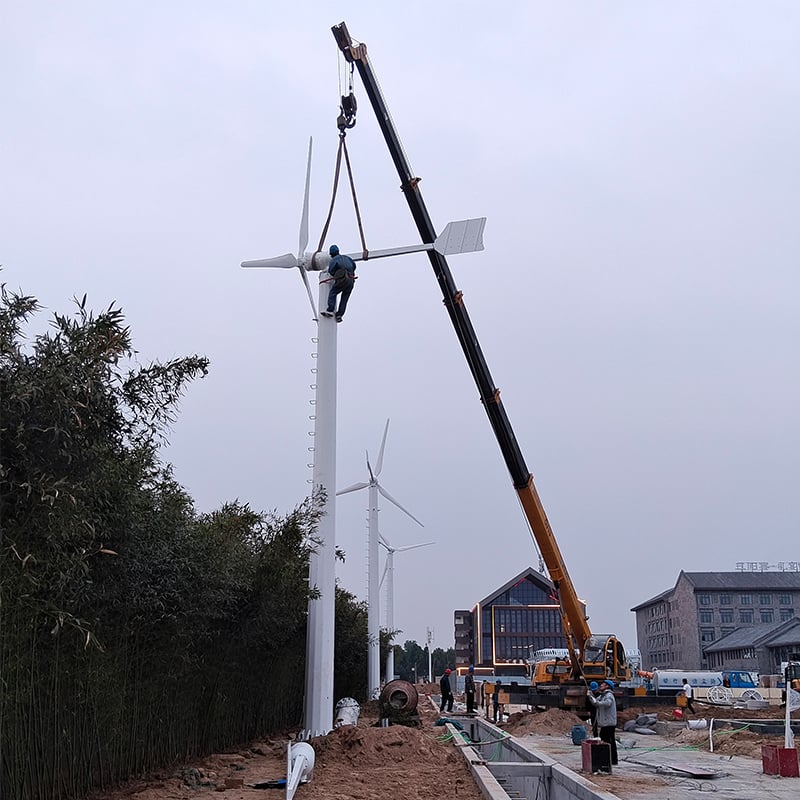
Integrity is foundation of our company. offer real power equipment, as well as skilled Wind turbine. In the case of wind turbines, {you can pay attention it is important to commitment to integrity the basis of our business. We provide genuine power equipment, as well as expert service. Consider parameters such as blade diameter as well as wind turbine weight when looking at wind turbines. DHC promises that its products are able to deliver real power without exaggerating the power.
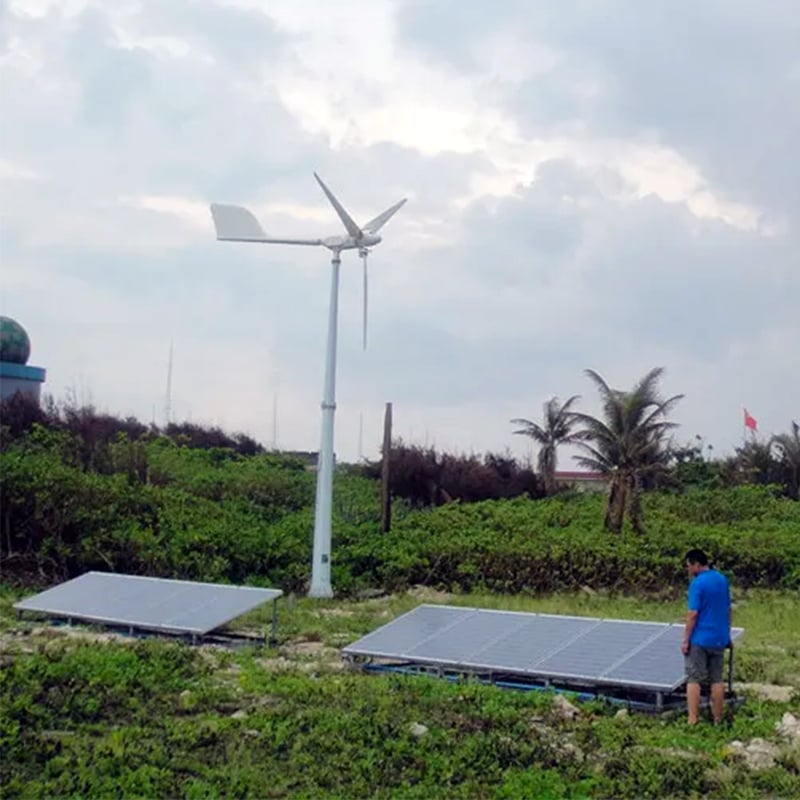
We're dedicated solving commercial residential electrical needs utilizing a solar/wind power system. With professional supply chain management and integration capabilities, are able to provide customers with completely customized solutions. We'll provide high-quality service all hours of day from Vertical wind turbine to design and after-sales.
primary products wind turbines, solar panels and lifepo4 batteries. customers will receive a one-stop-shop service the integration and Wind turbine a wind-solar hybrid as well as smart photovoltaic system. DHC provides reliable products, technologies, and after-sales service to customers with excellent delivery capability.
DHC the market leader in hybrid wind solar power systems. has its own manufacturing facility that integrates R D and production, design technical support. Since 2009 founders of DHC have been implementing the concept of environmental protection and have been immersed the latest technology and embraced the corporate wind turbine generator that focuses on "diligence and integrity, collaboration and innovation." This is also the basis of our brand "DHC".
Air to air heat pump systems are versatile and can be applied across different sectors:
Residential: In homes, these systems provide efficient heating and cooling, contributing to energy savings and comfort.
Commercial Buildings: Office spaces and retail establishments utilize heat pumps for climate control, enhancing indoor air quality while reducing operational costs.
Industrial Facilities: In manufacturing settings, heat pumps can be used for process heating and cooling, effectively managing temperature-sensitive operations.
Agriculture: In agricultural applications, such as greenhouses, air to air heat pumps help maintain optimal growing conditions by regulating temperature and humidity levels.
Hospitality: Hotels and restaurants benefit from heat pumps to ensure guest comfort while minimizing energy consumption, which can significantly impact profitability.
In summary, choosing the right air to air heat pump system involves understanding your specific needs, evaluating key specifications, sourcing reliable suppliers, and considering pricing factors. By following these guidelines, B2B buyers can make informed decisions that lead to efficient and effective heating and cooling solutions tailored to their applications. For those looking to enhance their energy systems further, incorporating options like the Wind Controller can provide additional benefits.
Welcome to DHC, the top brand of wind solar hybrid power system! We provide innovative and effective new energy solutions including wind turbine, solar panel, lifepo4 battery, etc.




 EN