
Air heat pump systems are increasingly recognized as efficient renewable energy solutions for heating and cooling applications. These systems leverage the ambient air to transfer thermal energy, providing an eco-friendly alternative to traditional heating methods. For B2B buyers, concerns often revolve around performance metrics, operational efficiency, and cost-effectiveness. This article will guide you through essential considerations when evaluating air heat pump systems, including key specifications, assessment criteria, and common challenges, ensuring you make informed purchasing decisions tailored to your organization's needs.
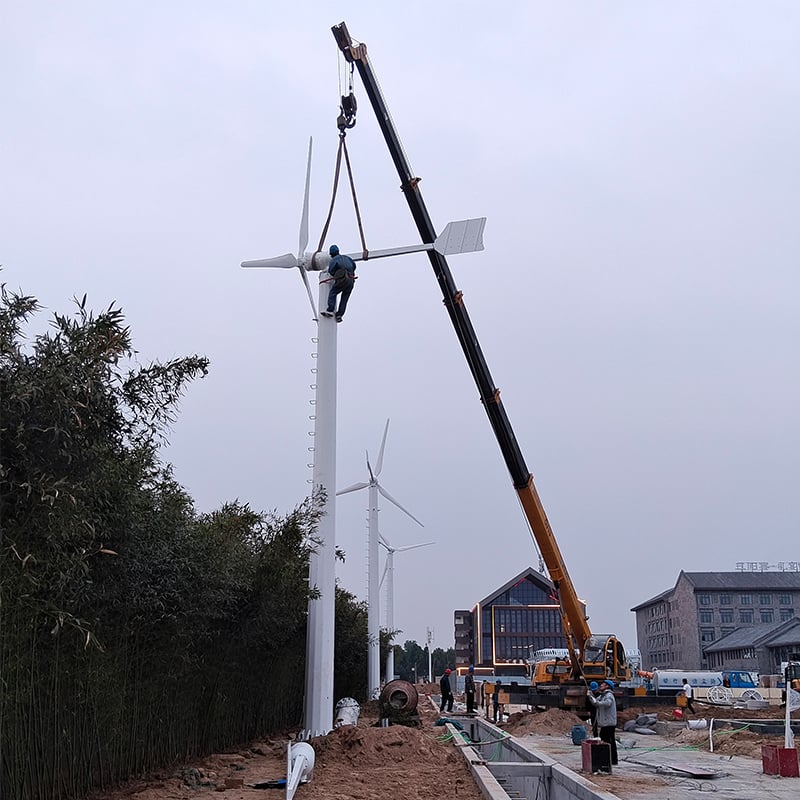
When selecting an air heat pump system, several factors should be considered to ensure optimal performance and compatibility with your application. First, assess the system's efficiency ratings, typically represented by the Coefficient of Performance (COP) and Energy Efficiency Ratio (EER). A higher COP indicates greater efficiency in converting energy into heating or cooling. Additionally, understanding the role of a Wind Power Generation System can provide insights into energy sourcing for your overall needs.
Next, consider the operating temperature range, as it determines the heat pump's performance in varying climatic conditions. Systems designed for extreme temperatures may require additional features, such as enhanced insulation or defrost capabilities, to maintain efficiency.
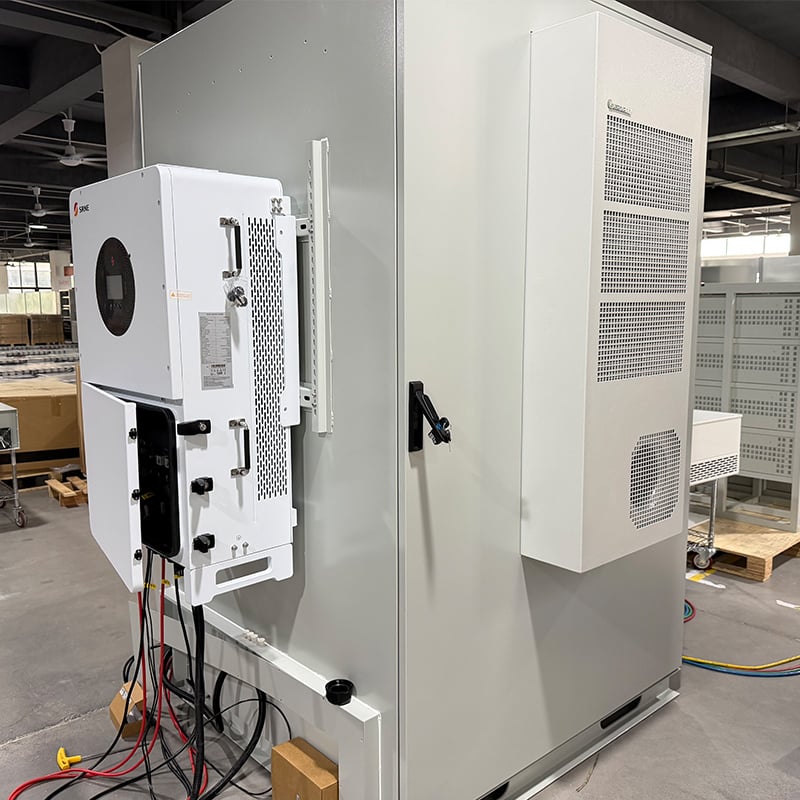
Another critical aspect is the size and type of the heat pump. Ensure the model you select is appropriate for your facility's heating and cooling demands. Oversized or undersized units can lead to inefficiencies and increased operational costs. For example, integrating a Container Energy Storage Battery can help balance energy supply and demand.
Finally, review the manufacturer's warranty and service offerings. A robust warranty can provide peace of mind regarding the system's reliability and performance longevity.
Importers should focus on several key specifications when evaluating air heat pump systems. These specifications can significantly impact performance, compatibility, and overall cost.
Heating Capacity: Measured in kilowatts (kW), this indicates how much heat the pump can generate. It should match the heating requirements of the space to ensure efficiency.
Power Consumption: Understanding the wattage used during operation is crucial for assessing energy costs. This specification helps buyers estimate the long-term operational expenses associated with the system.
Refrigerant Type: The type of refrigerant used affects the heat pump's environmental impact and operational efficiency. Common refrigerants include R410A and R32, with varying global warming potentials.
Noise Levels: Measured in decibels (dB), noise levels can be a critical factor for installations in residential areas or noise-sensitive environments. Look for systems with low noise ratings to ensure compliance with local regulations.
Control Options: Evaluate whether the heat pump includes advanced control features, such as programmable thermostats or smart home integration, which can enhance user experience and energy management.
To effectively assess air heat pump systems, buyers should undertake a thorough evaluation process that includes several key steps:
Technical Review: Begin by analyzing the technical datasheets provided by manufacturers. Pay attention to performance metrics, operational limitations, and installation requirements to ensure the system meets your specific needs.
Sample Testing: If possible, request a sample unit to evaluate its performance in real-world conditions. This step allows you to assess efficiency, noise, and compatibility with existing systems.
Supplier Evaluation: Investigate the supplier's reputation in the industry. Look for reviews, case studies, and references from other buyers. A reputable supplier should be able to demonstrate a track record of reliable products and excellent customer support.
Quality Assurance: Ensure that the manufacturer follows strict quality control processes. Ask about certifications, such as ISO 9001, which indicate adherence to international quality standards.
Customization Options: Discuss potential customization options with the supplier. Tailoring the system to your specific requirements can enhance performance and satisfaction.
Understanding the nuances of air heat pump systems can empower buyers to make better purchasing decisions. Here are some important considerations:
Installation Requirements: Proper installation is critical for maximizing efficiency. Ensure that your installation team is experienced in handling air heat pump systems and has the necessary qualifications.
Maintenance Needs: Regular maintenance is essential for keeping the system operating efficiently. Buyers should inquire about recommended maintenance schedules and whether the supplier offers ongoing service contracts.
Regulatory Compliance: Verify that the selected air heat pump system complies with local regulations and building codes. This may include energy efficiency standards and environmental regulations.
Funding and Incentives: Explore potential funding opportunities, rebates, or tax incentives for installing renewable energy systems. Many governments offer financial support for energy-efficient technologies.
Lifecycle Costs: Consider the total cost of ownership, including purchase price, installation, operation, and maintenance expenses. This comprehensive view helps buyers understand the long-term financial commitment associated with the system.
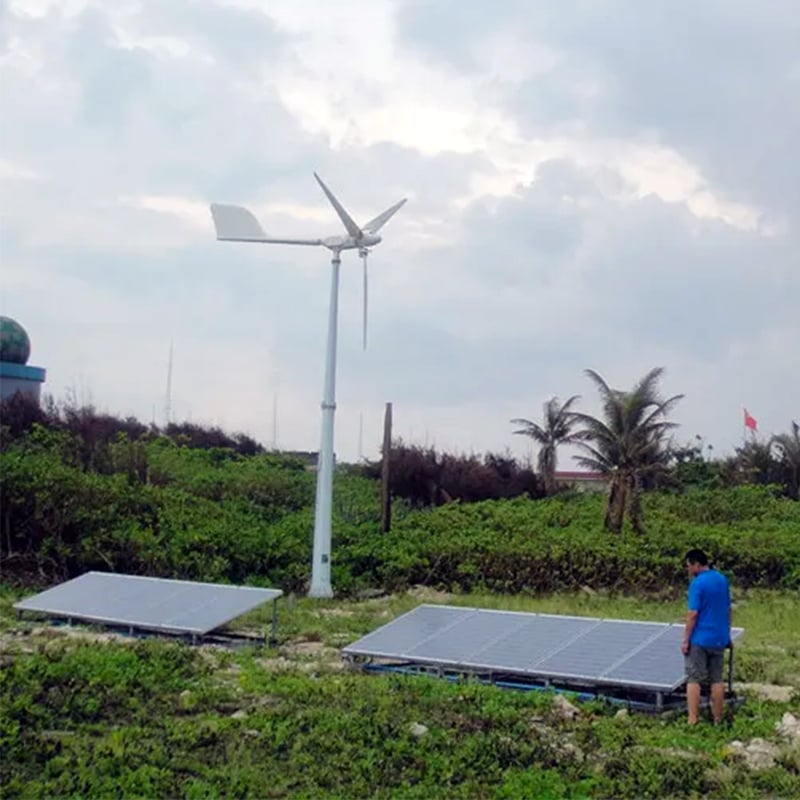
DHC the top brand in the wind solar hybrid power system. It has own manufacturing facility that incorporates R D and design, production, technical support. Since 2009 our founders have embraced the idea of protecting environment by embracing new technology and embraced 15kw wind turbine for home culture "diligence and honesty, as well as cooperation and creativity." This also the basis of our brand "DHC".
primary products wind turbines, solar panels and lifepo4 batteries. customers will receive a one-stop-shop service the integration and Eolic generator a wind-solar hybrid as well as smart photovoltaic system. DHC provides reliable products, technologies, and after-sales service to customers with excellent delivery capability.
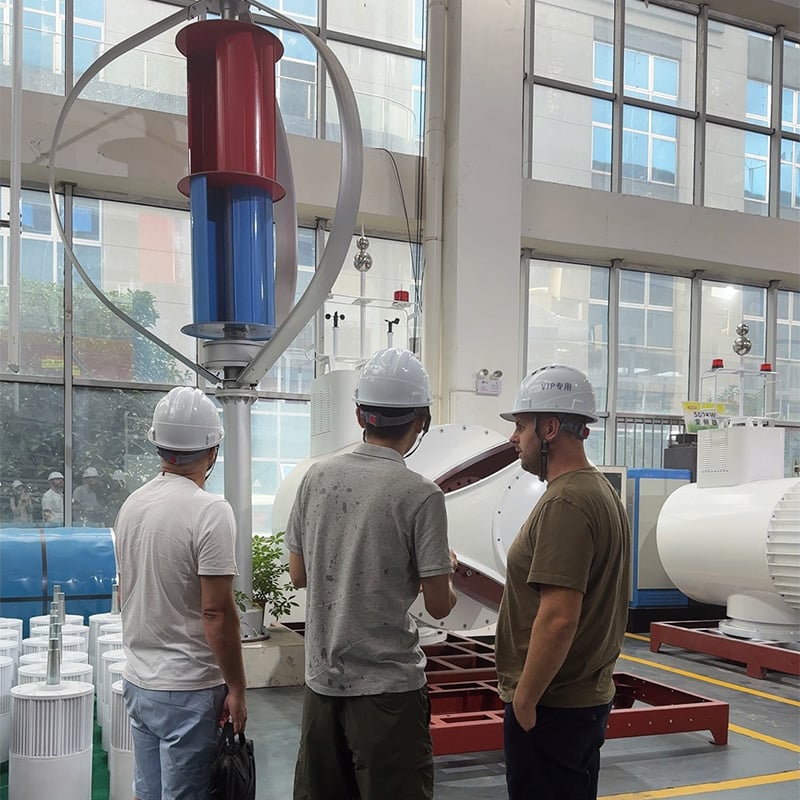
Integrity the cornerstone of company. offer real power solutions offer an expert service. {When it comes to wind turbines, {you can pay attention it is important to Integrity is the foundation our company. We offer real power equipment, as well as skilled service. You can consider parameters like blade diameter as well as wind you should pay attention aspects like blade's diameter as well as weight. promise that all products produced by DHC come with 2kw vertical axis wind turbine power output and not overinflated power.
We're dedicated meeting commercial domestic electric power needs using wind/solar system. With professional supply chain management integration capabilities, can provide our customers with completely 2kw vertical wind turbine solutions. will only need know your exact needs from design, production, to after-sales support, will provide you with real-time professional assistance throughout day.
While air heat pump systems are generally reliable, buyers should be aware of common issues that may arise and their corresponding solutions:
Inefficient Heating/Cooling: If the system fails to provide adequate heating or cooling, check for proper sizing and installation. Ensure that there are no obstructions to airflow and that the refrigerant levels are adequate.
Excessive Noise: If the system operates noisily, inspect for loose components or inadequate insulation. Consider installing sound-dampening materials if noise levels exceed acceptable limits.
Frequent Cycling: If the system cycles on and off too frequently, it may indicate sizing issues or problems with the thermostat. Ensure the system is appropriately sized for the space and that the thermostat is functioning correctly.
Frost Buildup: Frost accumulation on the outdoor unit can reduce efficiency. Ensure that the defrost cycle is functioning correctly and consider relocating the unit if it is exposed to excessive moisture.
Electrical Failures: Regularly inspect electrical connections and components for wear and corrosion. Schedule routine maintenance checks to mitigate the risk of electrical issues.
By addressing these common problems proactively, buyers can ensure that their air heat pump systems operate efficiently and effectively throughout their lifecycle. Understanding these considerations will help you navigate the complexities of purchasing and operating air heat pump systems, leading to informed decisions and successful implementations.
Welcome to DHC, the top brand of wind solar hybrid power system! We provide innovative and effective new energy solutions including wind turbine, solar panel, lifepo4 battery, etc.


 EN