
Heat pump systems are an integral part of modern renewable energy solutions, offering efficient heating and cooling options for various applications. As a professional in the manufacturing sector, understanding these systems can help you make informed decisions, especially when considering installation or upgrades for your projects. This article will delve into the applications, specifications, common challenges, and best practices associated with heat pump systems, providing you with the knowledge necessary to evaluate options effectively.
Heat pump systems are versatile and can be applied in various settings, including residential, commercial, and industrial applications. They work by transferring heat from one place to another, utilizing electricity to move heat instead of generating it through combustion. This makes them particularly energy-efficient and environmentally friendly.
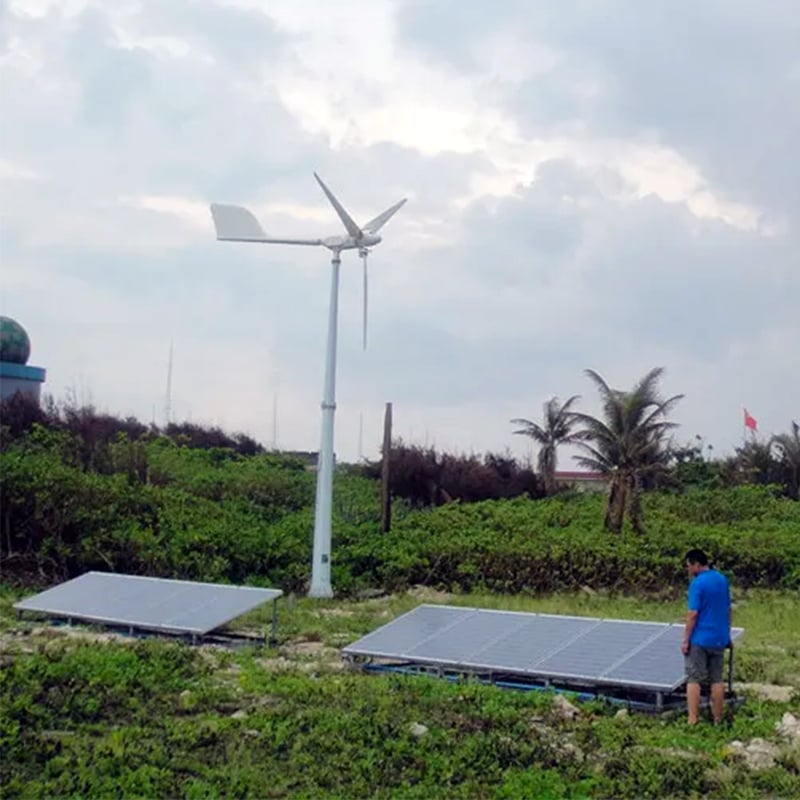
In residential applications, heat pumps can be used for space heating and cooling, providing a dual-function solution that reduces the need for separate systems. In commercial settings, they are often used for climate control in offices, retail spaces, and warehouses, where energy efficiency is crucial for operating costs. Industrial applications may include process heating, where heat pumps can reclaim waste heat to improve overall energy efficiency. For enhanced energy management, consider integrating a Wind Solar Hybrid Power System to complement your heat pump systems.
When selecting a heat pump system for your project, consider factors such as the climate of the installation location, the size of the space, and the specific heating and cooling demands. Working with an experienced supplier, like Jiangsu DHC Environmental Si-Tech Co., Ltd., can help you assess these needs and choose the right system for optimal performance.
When considering heat pump systems, there are several key specifications and features that buyers should evaluate:
Types of Heat Pumps: There are various types of heat pumps, including air-source, ground-source (geothermal), and water-source systems. Each type has different performance characteristics and application suitability, so understanding these differences is essential.
Performance Ratings: Look for the coefficient of performance (COP) and energy efficiency ratio (EER) ratings. The COP indicates the efficiency of the heat pump in heating mode, while the EER reflects its efficiency in cooling mode. Higher ratings generally lead to lower operating costs and improved energy savings.
Capacity and Sizing: Proper sizing is critical for heat pump performance. An undersized system may struggle to meet heating or cooling demands, while an oversized unit can lead to short cycling, decreasing efficiency and lifespan. Collaborating with a knowledgeable supplier can ensure you select a system with the correct capacity for your needs.
Installation Requirements: Understanding the installation process is crucial. Factors such as available space, local regulations, and required permits can affect installation timelines and costs. It’s advisable to consult with a heat pump professional to navigate these considerations.
Maintenance Needs: Regular maintenance is essential to maximize the lifespan and performance of a heat pump system. Familiarize yourself with manufacturer recommendations and ensure your team is equipped to perform necessary checks and servicing.
Despite their advantages, heat pump systems can encounter several common issues that may affect performance. Here are a few problems along with their potential solutions:
Inefficient Heating or Cooling: This can often be attributed to improper sizing, inadequate maintenance, or refrigerant leaks. To address this, ensure the system is correctly sized and regularly maintained. If you suspect a refrigerant leak, contact a certified technician to inspect and repair the system.
Frost or Ice Buildup: In colder climates, frost may accumulate on the outdoor unit, reducing efficiency. Most units have defrost cycles, but if the problem persists, check for airflow obstructions or consider increasing the unit’s capacity.
Noisy Operation: Unusual noises can indicate mechanical issues or installation problems. Regular inspections can help identify and rectify issues before they escalate. If noise persists, consult your supplier or a qualified technician for further evaluation.
Electrical Issues: Heat pumps rely on electrical components, which can fail over time. Regular checks on electrical connections and components can prevent unexpected outages. If you experience frequent electrical issues, it may be wise to consult with an electrician familiar with HVAC systems.
To ensure optimal performance and longevity of heat pump systems, consider the following best practices:
Regular Maintenance: Schedule annual inspections and maintenance to keep the system running efficiently. This includes cleaning filters, checking refrigerant levels, and inspecting electrical connections.
Educate Staff: Ensure that all staff involved in the operation and maintenance of the heat pump systems are adequately trained. Understanding how to operate the system efficiently can lead to significant energy savings.
Monitor Performance: Keep track of energy bills and system performance metrics. Sudden increases in energy consumption may indicate potential issues that require immediate attention.
Utilize Smart Technology: Integrate smart thermostats and monitoring systems to optimize performance. These technologies can help manage heating and cooling schedules, leading to improved efficiency and comfort.
Collaborate with Expert Suppliers: Working with experienced manufacturers, such as Jiangsu DHC Environmental Si-Tech Co., Ltd., can provide insights into the best products, installation practices, and maintenance strategies tailored to your specific needs.
As leading brand wind-powered hybrid power systems DHC is only company with its own wind turbine factory, which combines R D, design, production, technical services. Since 2009 founders have embraced the idea of protecting the environment, immersed new technologies, and Wind turbine for home 5kw by the corporate values that focuses "diligence and integrity, as well as cooperation and creativity." This is also the origin of our name "DHC".
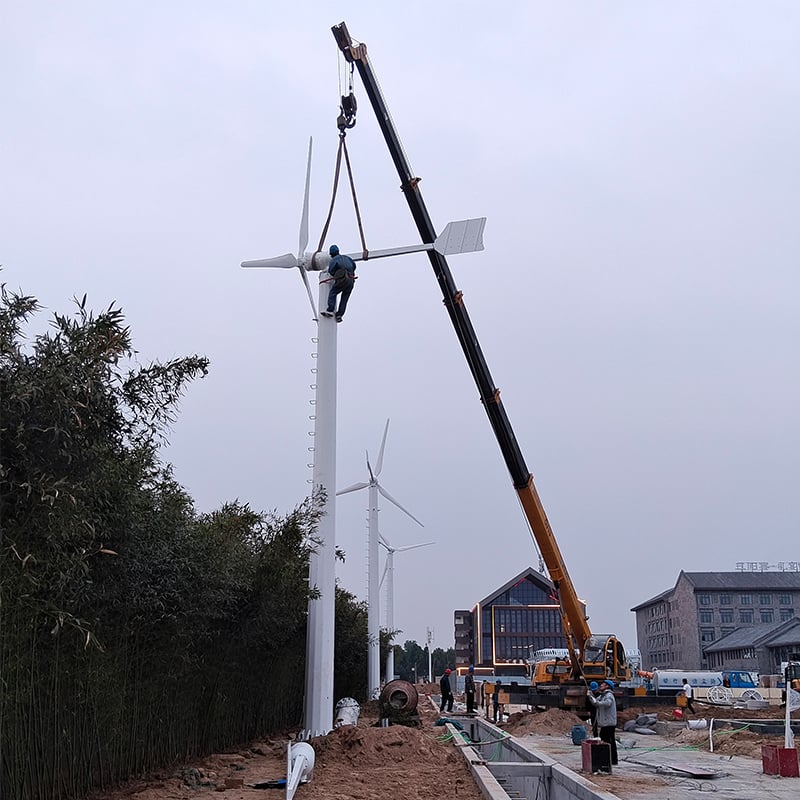
main products wind turbines and solar panels. customers can receive a single-source service integration and development wind-solar hybrids as well as intelligent photovoltaic systems. DHC provides reliable 5000w wind turbine, technologies and after-sales support customers through exceptional delivery capability.
Solar wind power systems are our primary focus. offer customers custom solutions using our expert supply 5000w wind turbine management capability's ability integrate. Simply tell us about your specific requirements, from design, production, to after-sales support, we will provide with real-time professional services throughout the day.
Integrity the cornerstone of company. offer real power solutions offer an expert service. {When it comes to wind turbines, {you can pay attention it is important to Integrity is the foundation our company. We offer real power equipment, as well as skilled service. You can consider parameters like blade diameter as well as wind you should pay attention aspects like blade's diameter as well as weight. promise that all products produced by DHC come with 2kw vertical axis wind turbine power output and not overinflated power.
Heat pump systems are not limited to residential and commercial applications; they are increasingly being utilized across various industries. Here’s how different sectors can benefit:
Agriculture: In agricultural settings, heat pumps can be employed for greenhouse heating, aquaculture temperature control, and drying processes. Their efficiency can help reduce energy costs significantly in these applications.
Healthcare: Hospitals and healthcare facilities use heat pumps for climate control in patient rooms, operating theaters, and laboratories. The ability to maintain consistent temperatures is crucial for patient care and operational efficiency.
Hospitality: Hotels and resorts utilize heat pumps for heating pools, guest accommodations, and spa facilities. Their ability to efficiently provide heating and cooling can enhance guest comfort while managing operating costs.
Industrial Manufacturing: In manufacturing, heat pumps can recover waste heat from processes, improving overall energy efficiency. This not only reduces costs but also contributes to sustainability efforts.
Educational Institutions: Schools and universities can benefit from heat pump systems for climate control in classrooms and auditoriums, ensuring a comfortable learning environment while minimizing energy expenses.
Understanding heat pump systems is vital for making informed purchasing decisions in various applications and industries. By evaluating specifications, recognizing potential issues, and adhering to best practices, buyers can ensure the successful integration of these systems into their projects. Collaborating with a knowledgeable supplier like Jiangsu DHC Environmental Si-Tech Co., Ltd. can further enhance the effectiveness and reliability of your heat pump solutions.
Welcome to DHC, the top brand of wind solar hybrid power system! We provide innovative and effective new energy solutions including wind turbine, solar panel, lifepo4 battery, etc.




 EN