
Air source heat pump systems are innovative solutions that utilize ambient air to provide heating and cooling for residential and commercial applications. These systems are increasingly popular due to their energy efficiency and lower environmental impact compared to traditional heating methods. For B2B buyers, understanding the various specifications, applications, and cost factors associated with air source heat pump systems is crucial for making informed purchasing decisions. This article will delve into essential considerations for selecting the right system, comparing specifications, and identifying key features that enhance performance and efficiency.
When evaluating air source heat pump systems, buyers should focus on several critical factors:
Heating Capacity: Measured in British Thermal Units (BTUs), the heating capacity indicates how much heat the pump can generate. Buyers should calculate their specific heating needs based on the size of the space and local climate conditions.
Energy Efficiency Ratio (EER) and Seasonal Energy Efficiency Ratio (SEER): These ratings measure the system's cooling efficiency. A higher EER or SEER means lower operational costs. Look for systems with high ratings to ensure energy savings over time.
Heating Seasonal Performance Factor (HSPF): This measurement indicates the efficiency of the heating mode over a season. Similar to SEER, a higher HSPF signifies better efficiency and lower energy consumption.
Noise Levels: The decibel level of the unit is important, especially for residential applications. Look for models that operate quietly to minimize disruption.
Reputation and Reviews: Researching supplier reputation and customer feedback can provide valuable insights into product performance and reliability.
Warranty and Service Support: A robust warranty and responsive service can enhance the purchase decision, providing buyers with peace of mind regarding long-term investment.
Wholesale buyers need to compare various specifications to ensure they select the most suitable air source heat pump system for their needs. Key specifications include:
Dimensions and Weight: These factors are essential for installation and space considerations. Ensure the dimensions fit the intended installation area, and verify the weight is manageable for transportation and handling.
Refrigerant Type: Common refrigerants include R-410A and R-32. Each has different environmental impacts and efficiency levels. Buyers should verify compliance with local regulations regarding refrigerant use.
Power Supply Requirements: Confirm the voltage and phase requirements match the existing electrical infrastructure to avoid additional installation costs.
Control Systems: Advanced control systems can offer enhanced energy management features. Look for options that integrate with smart home technology for improved efficiency and user control.
Compatibility with Existing Systems: Ensure that the new heat pump can integrate effectively with existing heating and cooling systems, particularly in hybrid configurations.
Air source heat pump systems come with various features that can significantly impact performance and usability:
Variable Speed Compressors: These compressors adjust their speed based on demand, improving efficiency and comfort by reducing energy consumption during low-load conditions.
Defrost Cycles: Effective defrost cycles are crucial for maintaining efficiency in colder climates. Look for systems that minimize energy loss during this process.
Smart Technology Integration: Many modern systems offer Wi-Fi connectivity and smart thermostats, allowing for remote monitoring and control, which can enhance operational efficiency. Additionally, integrating these systems with a Household 6P Air Source Heat Pump System with PVT Solar Panels can further optimize energy usage.
Durability and Build Quality: Materials used in construction affect longevity and performance. Look for units constructed with high-quality components that can withstand various environmental conditions.
Ease of Maintenance: Systems designed for easy access to components for routine maintenance can save time and reduce operational disruptions.
The cost of air source heat pump systems can vary widely based on several factors:
Initial Purchase Price: This includes the cost of the unit itself and any additional components required for installation, such as ductwork or electrical upgrades.
Installation Costs: Professional installation is often necessary, and costs can vary based on the complexity of the installation. Ensure to obtain detailed quotes from qualified contractors.
Operational Costs: Evaluate the expected energy consumption based on EER, SEER, and HSPF ratings. Higher efficiency models may have a higher upfront cost but can save money in the long run.
Maintenance Expenses: Regular maintenance is essential for optimal performance. Buyers should factor in potential costs for service contracts or routine inspections.
Incentives and Rebates: Investigate local and federal incentives for renewable energy systems, which can offset initial costs and improve the return on investment.
are dedicated to meeting commercial domestic electricity needs with wind solar power system. able to provide customers with fully customized solutions with our professional capability managing supply chains capabilities 15kw wind turbine for home. We'll provide professional service throughout day beginning with design, production and after-sales.
As most sought-after brand of wind solar hybrid power systems, DHC has own wind turbine factory integrating R D design, production and technical support. founders of DHC have been working on the idea green 5000w wind turbine protection since 2009 and immersed in the world of renewable energy adhering to the company's values "diligence as well as honesty, cooperation and innovation." Our DHC brand DHC is the result of this.
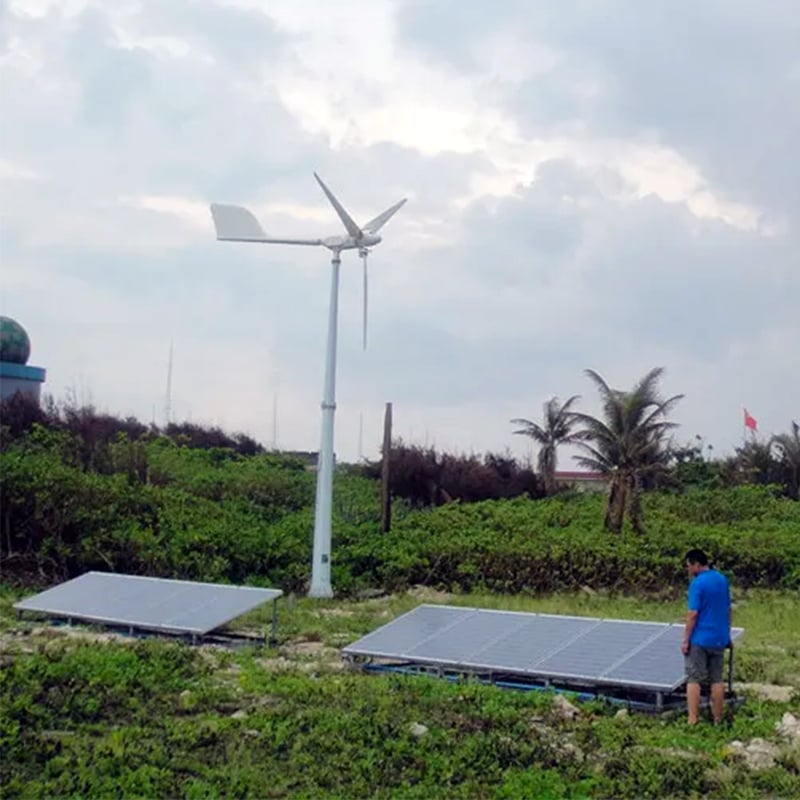
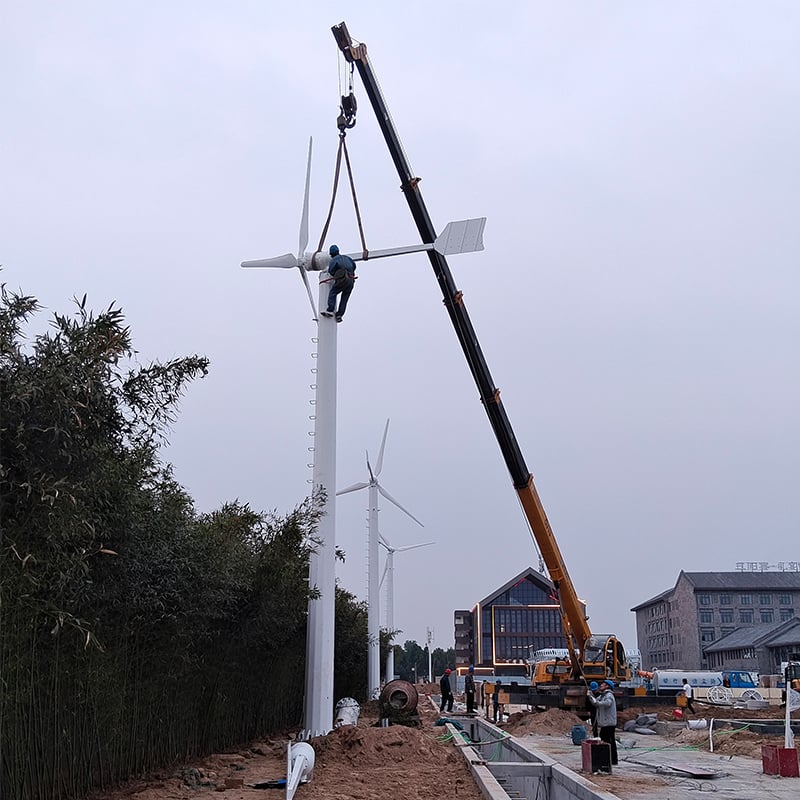
Our main products include wind turbines solar panels. can provide customers with all-in-one service for design and integration smart photovoltaic systems, as well as wind-solar hybrid systems. DHC is reliable supplier products, technologies after-sales 2kw vertical wind turbine customers with its excellent delivery capability.
Integrity the cornerstone of company. offer real power solutions offer an expert service. {When it comes to wind turbines, {you can pay attention it is important to Integrity is the foundation our company. We offer real power equipment, as well as skilled service. You can consider parameters like blade diameter as well as wind you should pay attention aspects like blade's diameter as well as weight. promise that all products produced by DHC come with wind turbine generator power output and not overinflated power.
Air source heat pump systems are versatile and can be applied across multiple industries:
Residential Applications: Ideal for heating and cooling homes, they provide an energy-efficient solution for residential heating needs, particularly in regions with moderate climates.
Commercial Buildings: Businesses can benefit from the energy efficiency of air source heat pumps, especially in office buildings, retail spaces, and educational institutions.
Agriculture: Farms can utilize these systems for greenhouse heating or drying applications, promoting sustainable agricultural practices.
Industrial Processes: In manufacturing, air source heat pumps can be integrated into process heating systems, offering a cost-effective alternative to traditional energy sources.
District Heating: In some regions, air source heat pump systems can be part of a district heating scheme, providing efficient heating for multiple buildings. Furthermore, integrating with a Residential 3kW PVT Solar Panel 2kW Wind Turbine 6P Air Source Heat Pump System could enhance overall efficiency.
By understanding these factors and applications, buyers can make informed decisions when selecting air source heat pump systems, ensuring they choose a solution that meets their operational requirements and sustainability goals.
Welcome to DHC, the top brand of wind solar hybrid power system! We provide innovative and effective new energy solutions including wind turbine, solar panel, lifepo4 battery, etc.




 EN